
Antique Wooden Jewellery Casket
An antique wooden jewellery casket holds small treasures securely, uniting utility with decorative cabinet-making from the seventeenth century onwards.
Antique Wooden Jewellery Casket
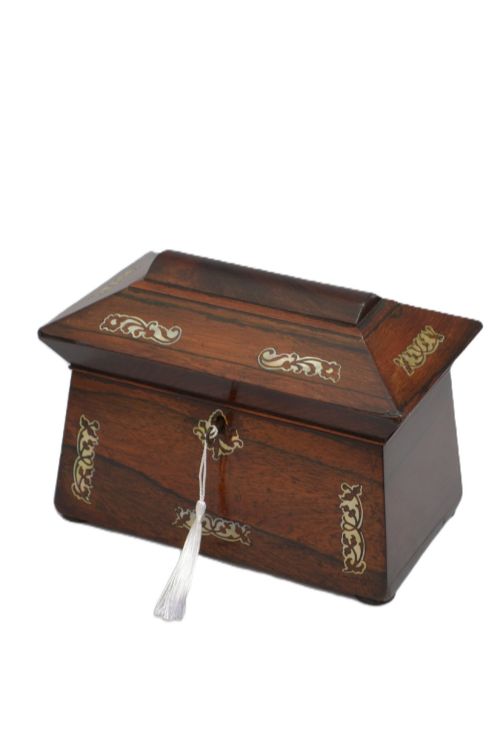
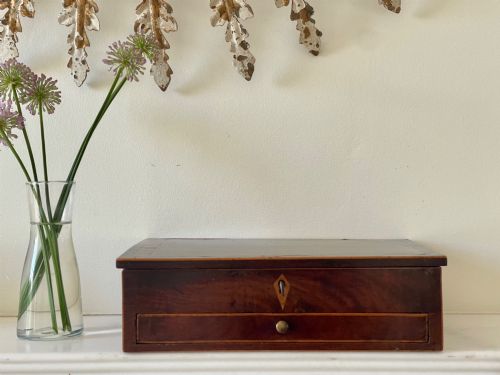
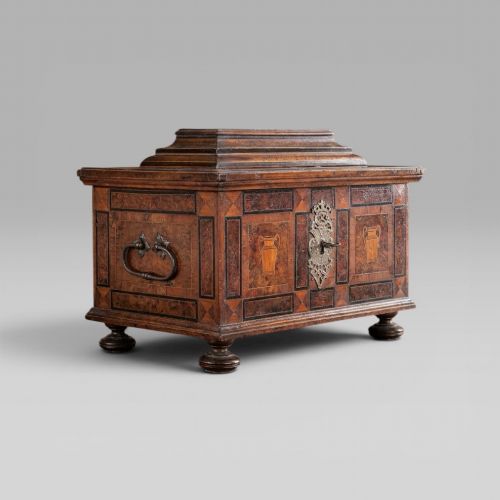
An antique wooden jewellery casket serves as a secure and decorative receptacle for valuables, originating in forms ranging from simple desktop boxes to elaborate cabinets. Buyers searching for an antique wooden jewellery casket encounter pieces constructed across multiple centuries, including Georgian flame mahogany examples and intricate Victorian designs.
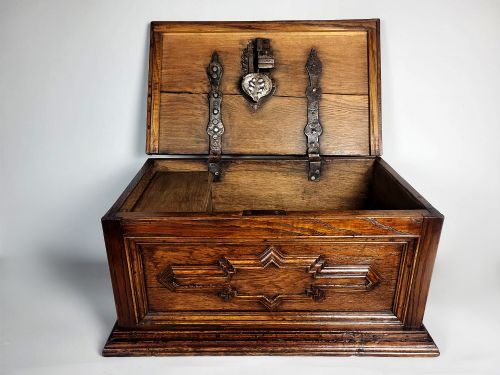
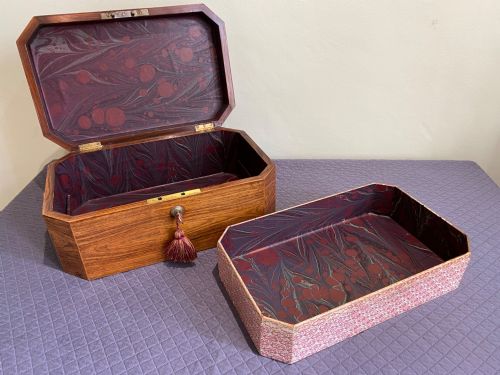
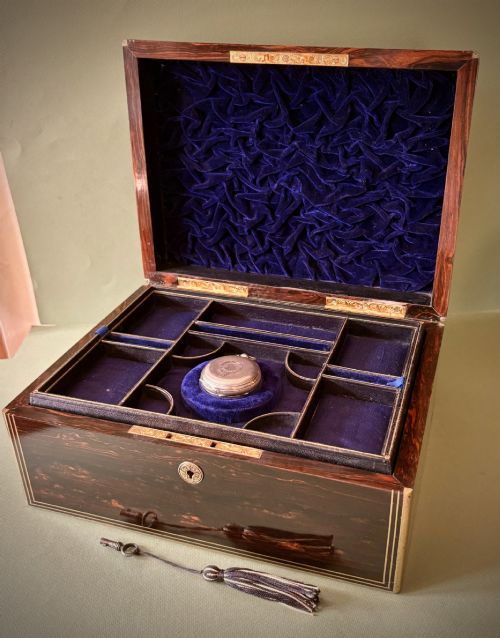
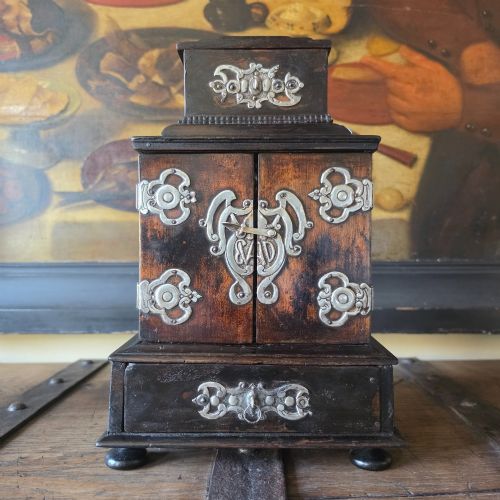
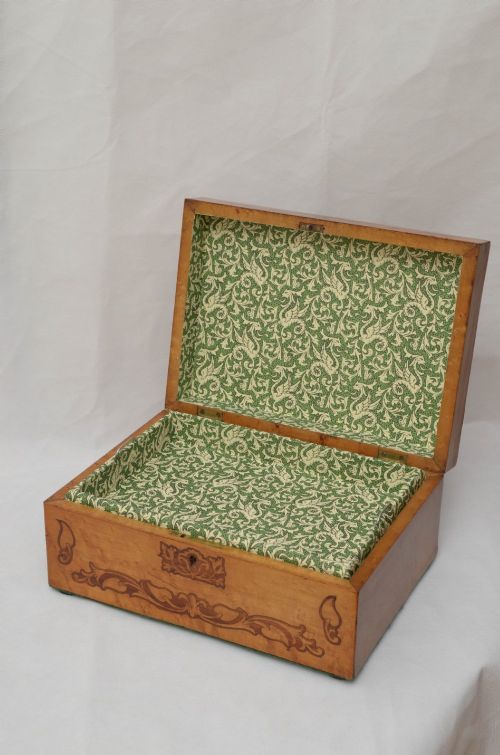
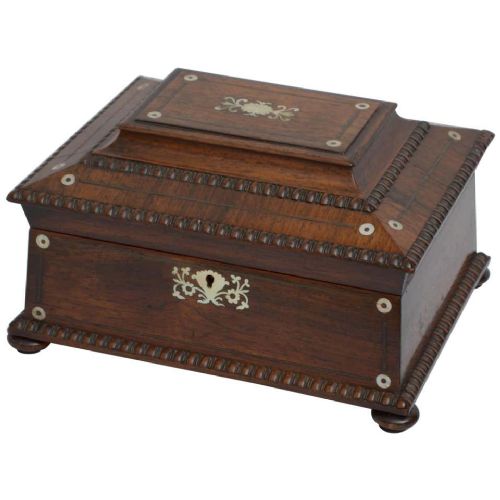
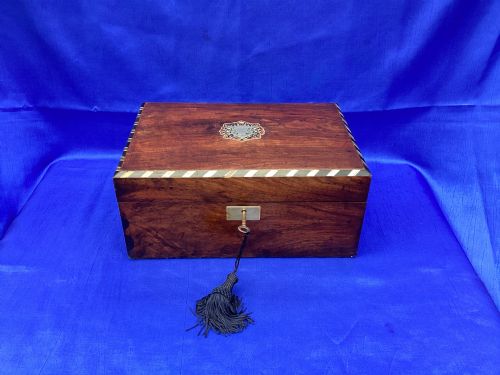
The selection on this page spans distinct historical periods, featuring seventeenth-century oak safe boxes, Regency yew boxes, and nineteenth-century rosewood models. Many examples incorporate fitted interiors with trays, mirrors, and velvet linings designed specifically to hold rings, necklaces, and trinkets.
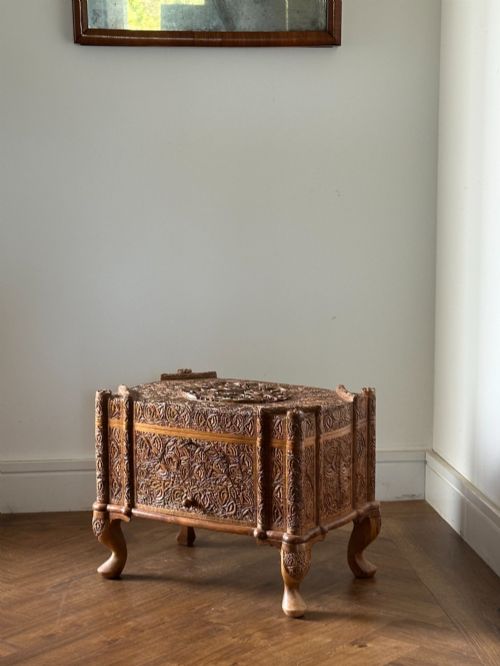
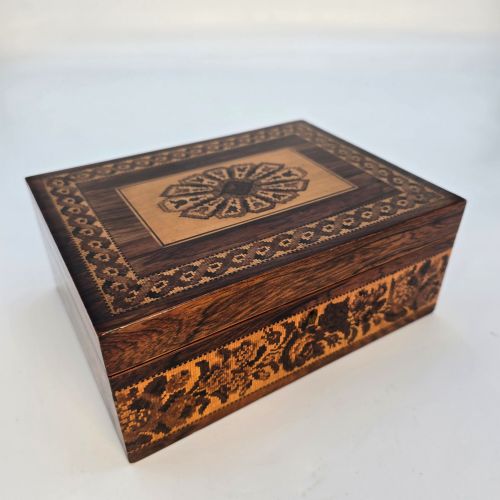
Regional styles vary widely, encompassing English Tunbridge ware marquetry, carved Black Forest caskets, Anglo-Indian sandalwood pieces, and continental burr wood boxes. These diverse forms reflect the shifting domestic tastes and cabinet-making traditions of their respective eras.
Materials and Construction
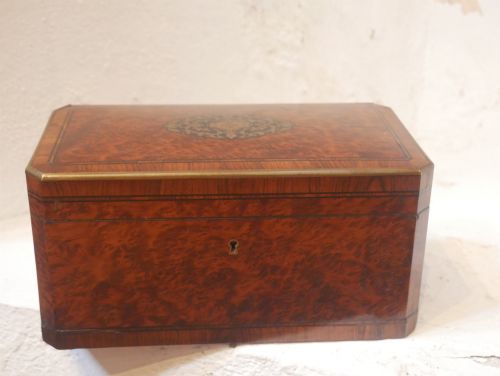
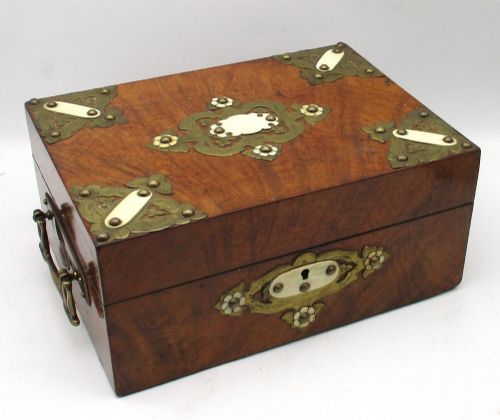
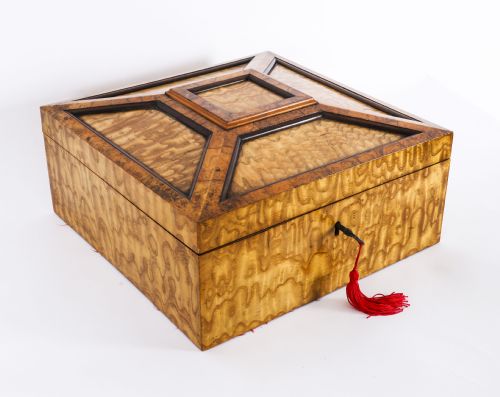
Cabinet-makers utilised dense hardwoods such as rosewood, walnut, mahogany, coromandel, and satinwood as the structural foundation for these pieces. Finer examples frequently showcase decorative veneers including burr walnut, bird's eye maple, and burr yew to create striking exterior patterns.
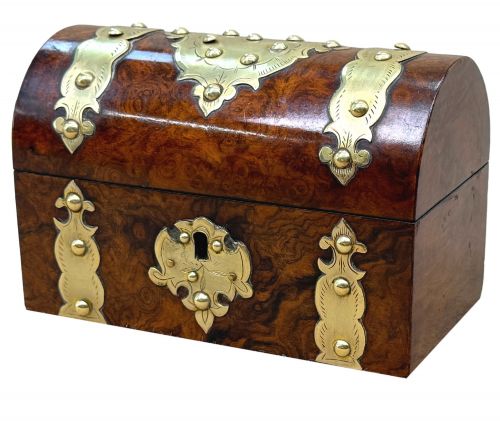
Surface decoration often involves contrasting inlays of mother-of-pearl, boxwood, tulipwood, and metal marquetry. Hardware such as brass hinges, escutcheons, and complex steel locks provided both structural reinforcement and visual accentuation.
Assessing Craftsmanship
Quality in these boxes rests upon the precision of the cabinet-making and the selection of timber veneers. Superior pieces display seamless grain matching across the lid and sides, alongside tightly fitted internal trays and original functional locks.
The intricacy of surface embellishment dictates the tier of the piece, separating plain utilitarian containers from high-status decorative works adorned with micro-mosaic pietra dura or detailed Tunbridge ware.
Tahan Paris·Edmund Nye·Erhard and Sohne
The Antique Wooden Jewellery Casket Glossary
- Burr walnut
- A highly figured timber veneer taken from the excrescences or burls of the walnut tree. It produces swirling, organic patterns prized by nineteenth-century cabinet-makers.
- Tunbridge ware
- A specialised form of woodworking developed in Kent involving minute mosaic tiles made from differently coloured woods. These tiles form complex geometric or pictorial motifs on box lids.
- Pietra dura
- An Italian technique utilising inlaid cut and fitted polished coloured stones to create decorative pictures. These panels appear mounted into the wooden lids of select continental caskets.
- Escutcheon
- A protective brass or metal plate surrounding a keyhole. It prevents the surrounding wood from sustaining damage through repeated use of the key.
- Parquetry
- A geometric mosaic of wood pieces used for decorative veneer on floors and furniture surfaces. It creates sharp angular patterns across the exterior of keepsake boxes.
Antique Wooden Jewellery Casket: Frequently Asked Questions
How do I date an antique wooden jewellery casket?
Dating relies on combining the timber choice, construction techniques, and hardware style. Georgian pieces frequently utilise solid flame mahogany or walnut, whereas Victorian examples lean toward exotic veneers like rosewood and coromandel.
Internal fittings also provide clues, as lift-out trays and silk velvet linings evolved significantly throughout the nineteenth century. Examining the lock mechanism and hinge type helps narrow the manufacturing period further.
What were these wooden boxes originally used for?
These containers served to safeguard personal valuables, correspondence, and expensive trinkets in private chambers or drawing rooms. Many featured compartmentalized trays designed to organise rings, brooches, and loose coins.
Larger specimens functioned as dressing boxes or stationary cabinets for the home. Secret drawers and complex steel locks protected the most prized possessions of the owner.
How should I care for a wooden jewellery casket?
Maintenance requires keeping the piece away from direct sunlight and maintaining stable room humidity to prevent the delicate wood veneers from cracking or lifting. Gentle dusting with a dry, soft cloth preserves the original polish without stripping the surface.
Leather and velvet interiors should be aired periodically and kept free from moisture to protect historical linings. Avoid using modern silicone polishes on antique polished wood surfaces.
What is the difference between a casket and a jewellery box?
The term casket historically denotes a heavily decorated, secure container, often with a domed or sarcophagus shape reminiscent of a miniature chest. These frequently date to earlier periods and emphasise substantial ornamental carving or metal mounts.
Jewellery boxes generally refer to later desktop formats with hinged lids and fitted interior trays tailored specifically for accessories. Both forms share overlapping purposes in storing personal valuables.