


Antique English Jewellery Box
When evaluating an antique English jewellery box, you examine domestic storage vessels engineered for keepsakes, rings, and dressing table accessories across several centuries.
Antique English Jewellery Box
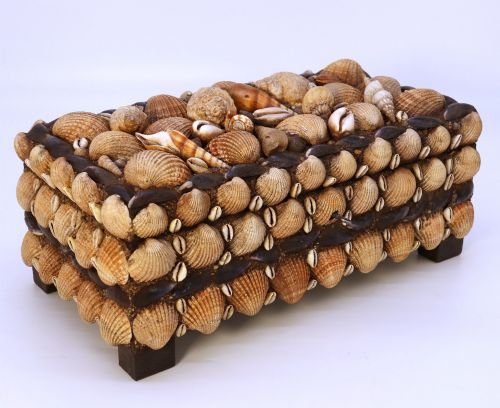
An antique English jewellery box encompasses various receptacles designed to secure personal valuables, travelling accessories, and dressing table items across the seventeenth, eighteenth, nineteenth, and early twentieth centuries.
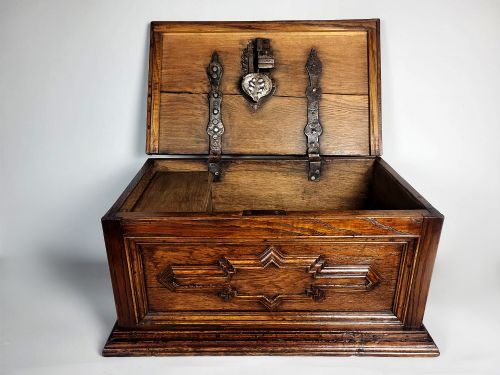
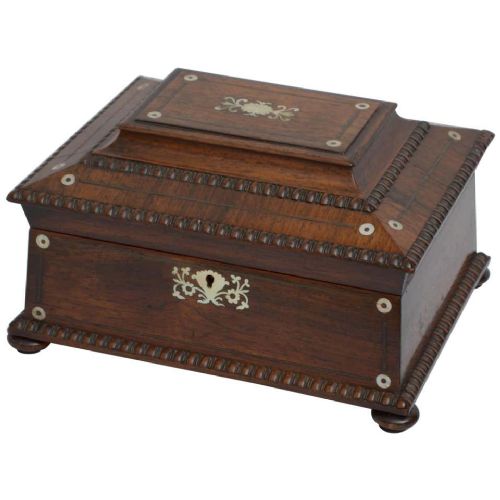
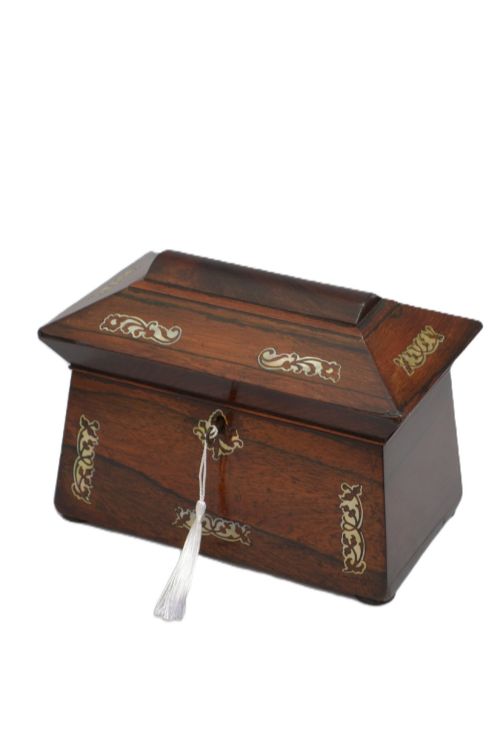
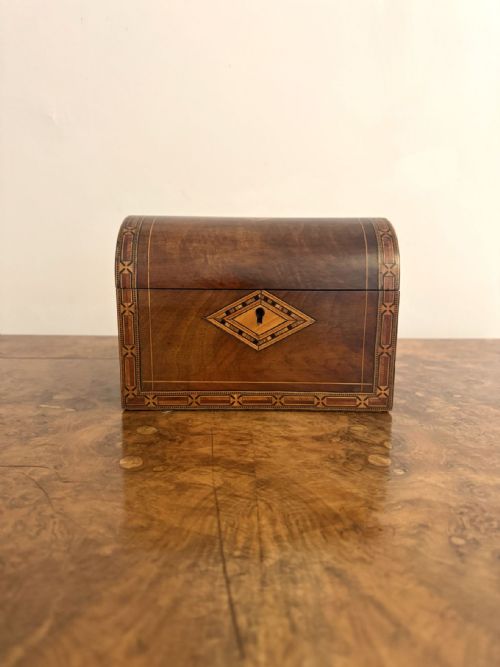
The specimens encountered here range from robust oak and mahogany campaign cases with brass mounts to delicate rosewood, burr walnut, and coromandel caskets featuring intricate marquetry.
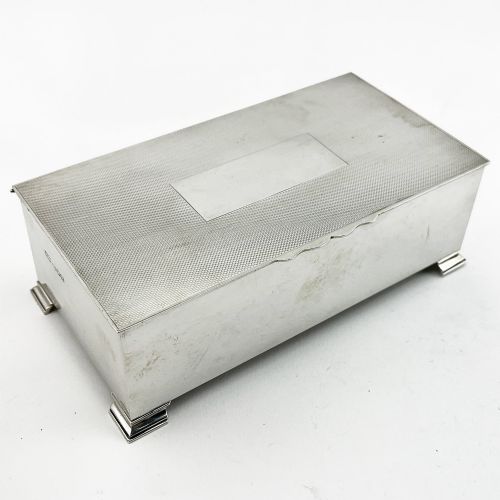
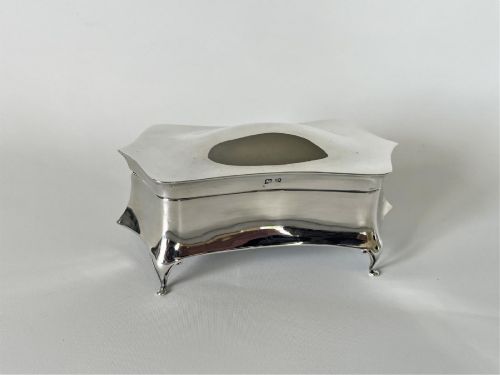
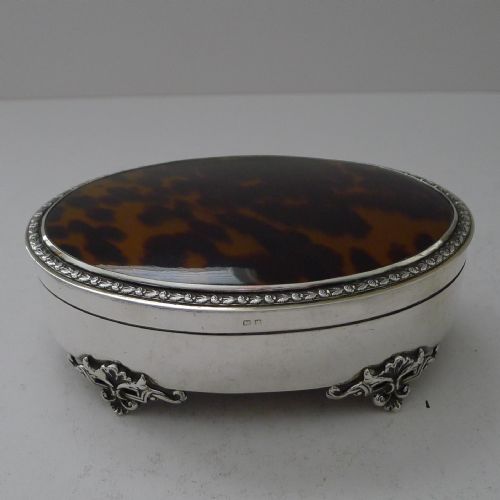
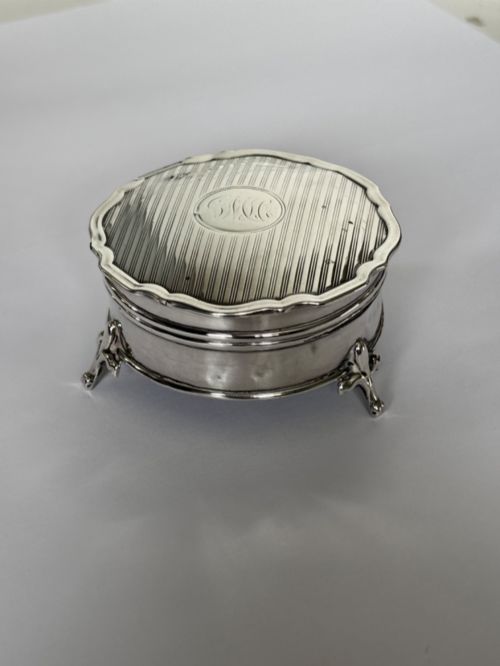
Makers produced these objects for specific domestic contexts, including gentlemanly desktop tidies, ladies' travelling vanity cases, and fitted sterling silver dressing table boxes.
Materials and Construction
Cabinetmakers utilised dense exotic hardwoods such as rosewood, coromandel, and burr walnut, frequently reinforcing joints with brass banding or incorporating cut brass inlay known as Boullework.
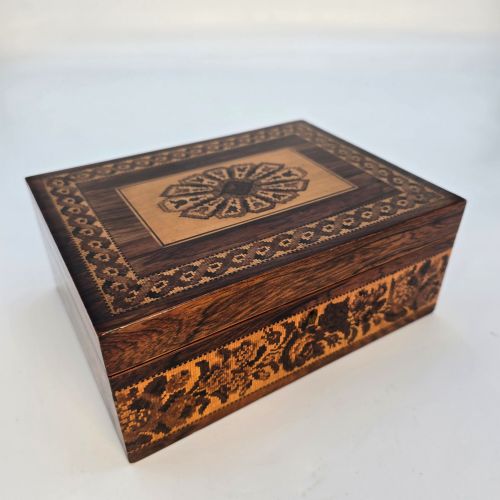
Surface decoration relies on specialised techniques like Tunbridge ware mosaic marquetry, pokerwork, hand-painted lacquer, and leather covering, paired with silk or velvet interior linings.
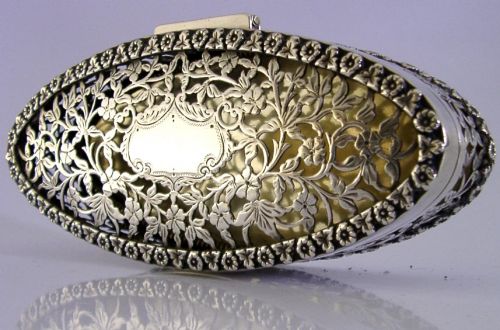
Silversmiths constructed solid sterling silver bodies, occasionally combining them with tortoiseshell, cut crystal, or hand-painted enamel elements for dressing table containers.
Listings feature boxes spanning the seventeenth century through the 1930s, constructed from brass, rosewood, walnut, sterling silver, and tortoiseshell.
Markers of Superior Workmanship
Quality rests upon the precision of the joinery, the integrity of the timber selection, and the complexity of internal mechanisms such as secret drawers and spring-loaded compartment trays.
Superior examples retain original working locks with complex steel mechanisms, intact leather or silk interiors, and finely executed marquetry or metal mounts without replacement parts.
Mappin and Webb·Edmund Nye·Jennens and Bettridge·Parkins and Gotto·J.C. Vickery
The Antique English Jewellery Box Glossary
- Tunbridge Ware
- A form of mosaic woodwork originating in Kent, created by gluing thousands of tiny tinted wood blocks together to form geometric or pictorial scenes. This technique defines many nineteenth-century domestic boxes.
- Coromandel
- A dense, heavy tropical Asian timber displaying rich dark brown grain with contrasting streaks. Cabinetmakers utilised this prestigious wood for high-end Victorian and Regency caskets.
- Writing Slope
- A desk accessory featuring a hinged, slanted lid that opens to reveal a leather-lined writing surface and compartments for inkwells and stationery. Many incorporate hidden jewellery drawers beneath.
- Campaign Box
- A portable wooden chest reinforced with brass corners and flush-fitting handles designed for military officers on the move. These rugged receptacles often double as secure jewellery storage.
- Pietra Dura
- An artistic technique using cut and fitted polished coloured stones to create pictorial inlay on furniture and boxes. Artisans applied these stone plaques to mid-Victorian burr walnut caskets.
Antique English Jewellery Box: Frequently Asked Questions
How do I date an antique English jewellery box?
Dating relies on combining stylistic evidence with construction methods, timber choices, and hardware styles. Regency pieces often showcase brass inlay in rosewood, while Victorian examples favor burr walnut and coromandel.
Silver mounted boxes frequently carry hallmarks from assay offices like Birmingham or London, providing exact years of manufacture. Examining lock types and interior silk linings offers further chronological clues.
What is Tunbridge ware?
Tunbridge ware is a specialised type of decorative woodwork produced in Kent featuring mosaic patterns assembled from thousands of tiny tinted wood blocks. Artisans created intricate geometric designs and pictorial motifs to adorn the lids of small tea caddies and trinket boxes.
These pieces required immense patience and skill from specialist makers during the nineteenth century. Collectors prize boxes retaining complete and undamaged mosaic panels.
Were these boxes used exclusively for jewellery?
Many surviving containers served multiple domestic functions, housing writing instruments, stamps, sewing implements, or tobacco alongside personal adornments. Travelling vanity cases integrated compartments for crystal perfume bottles and grooming tools.
Desktop cabinets and stationary boxes acted as multi-purpose receptacles for private documents and keepsakes. The internal layout usually indicates the intended primary function.
How should I care for wooden boxes?
Maintain stable humidity and temperature levels to prevent the exotic wood veneers and delicate marquetry from warping or cracking. Avoid placing antique timber surfaces in direct sunlight.
Gentle dusting with a dry, soft cloth preserves the historic polish without stripping the original patina. Leather and velvet interiors require dry conditions to prevent mould growth.