



Late Qing Dynasty Stand
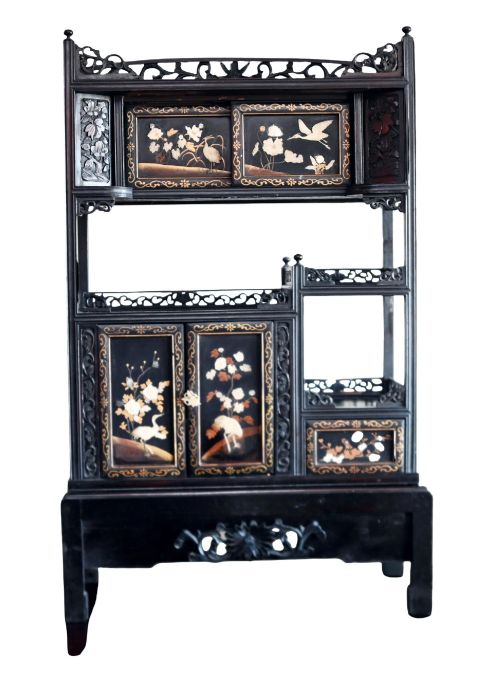
When you search for a late qing dynasty stand, you discover carved hardwood furnishings crafted to elevate vases, urns, and scholars' objects.
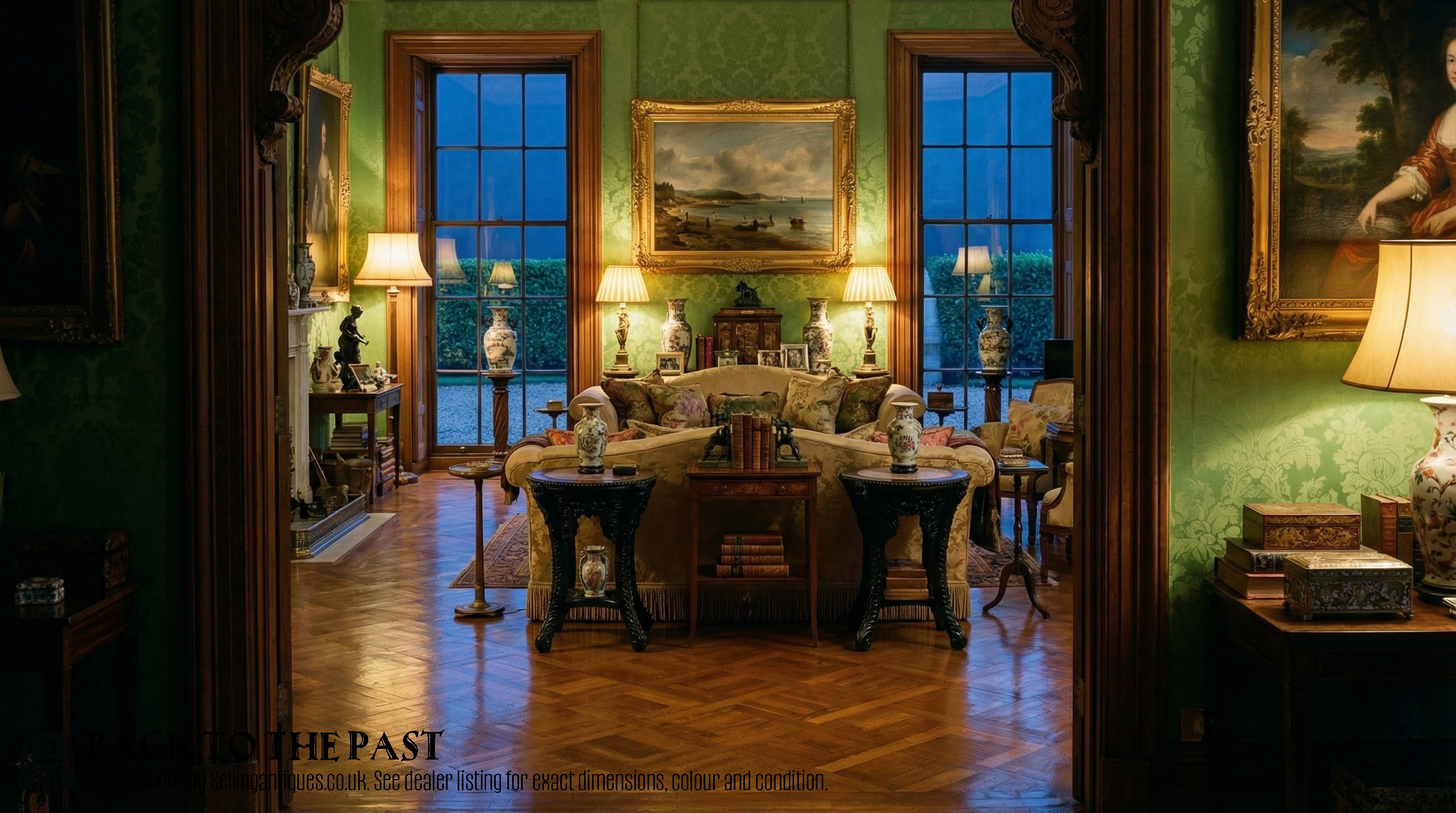
Late Qing Dynasty Stand
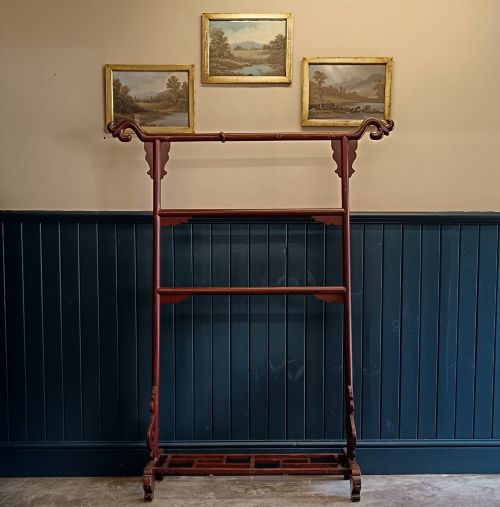
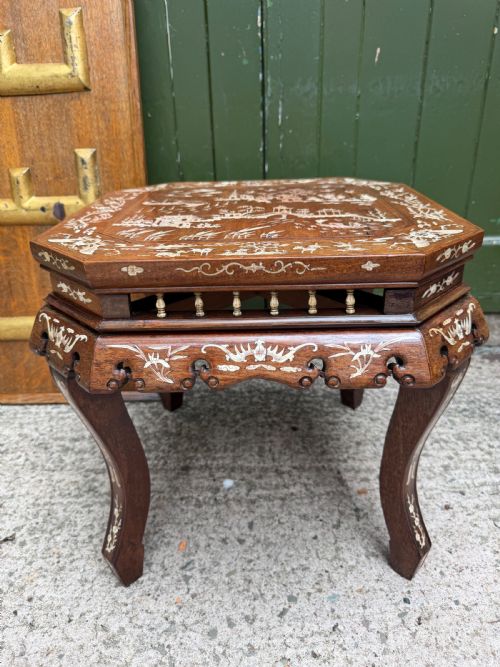
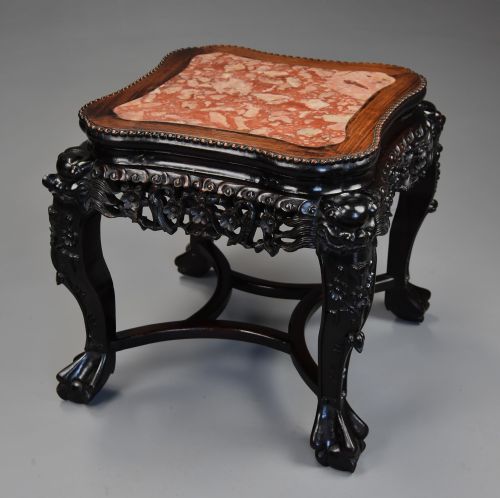
A late qing dynasty stand encompasses low tables, jardiniere supports, and pedestal designs originating from nineteenth-century China. These furnishings support decorative items like porcelain bowls, bronze vessels, and large floral arrangements within domestic spaces.
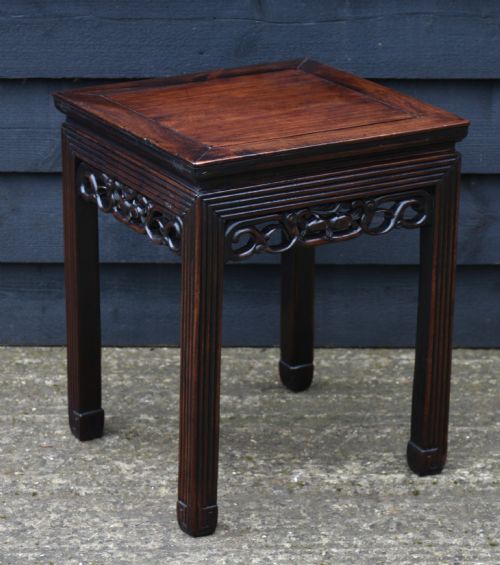
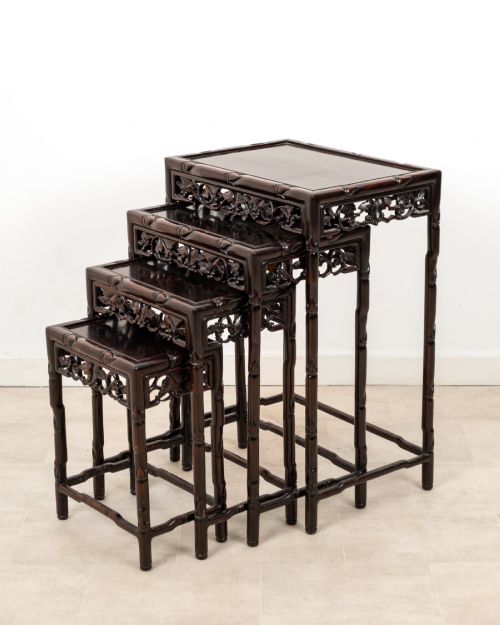
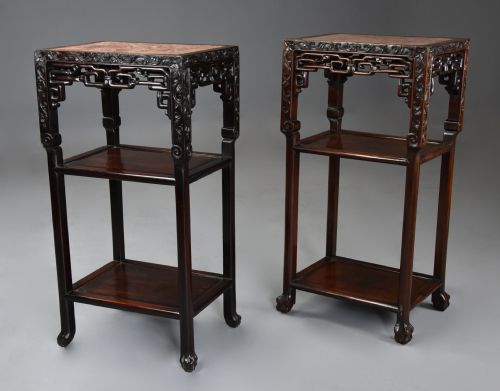
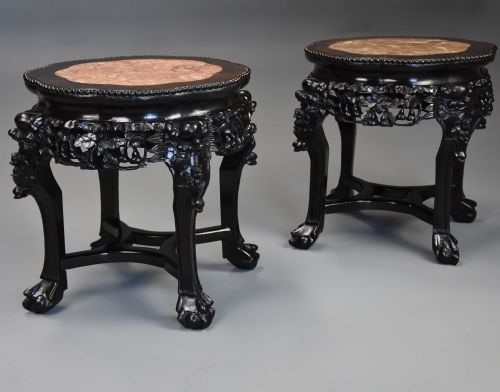
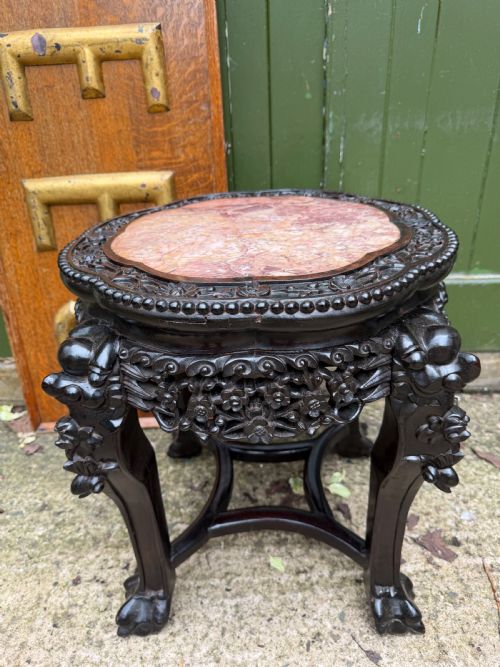
The most common examples on this page are pot stands, vase pedestals, and low tables featuring shaped tops. Many pieces incorporate inset marble panels or display tiered configurations designed for prominent display.
Materials and construction
Cabinetmakers constructed these pieces from dense tropical hardwoods including rosewood, padouk, huali wood, and hongmu. These heavy timbers provided the structural integrity required for intricate openwork carving and stable load-bearing surfaces.
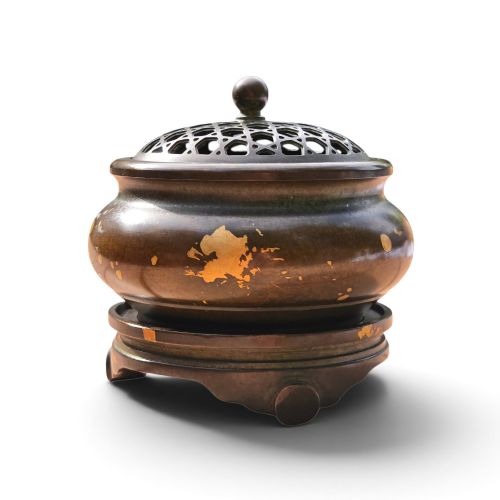
Many examples integrate contrasting natural elements such as variegated rouge marble or quartz panels fitted directly into the wooden frames. Bronze components and gold gilding appear on select scholar pieces and decorative accessories.
Current listings feature dense tropical timbers including rosewood, padouk, huali wood, and hongmu across various pot stands and low tables.
Differentiating quality levels
The depth and crispness of the hand-carving distinguish finer examples from standard production. Superior items display undercut detailing and well-defined motifs without soft edges or shallow execution.
Selection of timber grain and the precise fitting of inset marble tops indicate the degree of care applied during assembly. Matched pairs and unusual structural forms also elevate the standing of individual pieces.
The Late Qing Dynasty Stand Glossary
- Hongmu
- A traditional Chinese term denoting dense, dark-red hardwoods used for fine furniture and display pieces. These heavy timbers take a high natural polish.
- Jardiniere
- A large ornamental pot or container for plants or flowers. Stands built specifically for these vessels often feature water-resistant stone insets.
- Padouk
- A durable tropical timber valued for its reddish-brown colour and strong grain. Makers utilised this material for robust tables and stands.
- Marble top
- A stone insert fitted flush into the wooden surface of a table or stand. This feature provided a cool, heat-resistant resting place for heavy vessels.
- Low table
- A compact furnishing designed for placement near the floor or upon sleeping platforms. These items frequently served administrative or scholarly functions.
Late Qing Dynasty Stand: Frequently Asked Questions
What were these stands used for originally?
These furnishings served primarily to elevate decorative objects, bronze vessels, and large plant pots above floor level. Placing items on raised platforms protected them from drafts and dust while improving visibility within the room.
Scholar desks and reception halls incorporated these stands to organise prized possessions and create balanced displays of art and nature.
How do I care for antique hardwood furniture?
Maintain stable indoor humidity levels and avoid placing hardwood stands near direct heat sources or strong sunlight. These precautions prevent timber splitting and protect the polished surface.
Dust the carved details regularly with a soft, dry cloth. Avoid commercial silicone polishes that can build up within deep wooden recesses.
What is the difference between a pot stand and a low table?
Pot stands generally feature taller, narrower proportions with circular or multi-sided tops designed to hold single heavy vessels or urns. Their vertical stance focuses attention on an individual specimen plant or bronze.
Low tables offer broader surfaces arranged in square or rectangular formats. These wider pieces accommodated multiple scholar objects, tea sets, or low display arrangements.
How can I identify a rouge marble top?
Rouge marble exhibits characteristic reddish and pinkish mineral tones mixed with white and grey veining. This stone type was frequently chosen by Qing dynasty makers for its striking visual contrast against dark hardwood.
The marble insert fits tightly into a rebated channel within the wooden frame, remaining flush with the surrounding surface.