










Oriental Display Pedestal
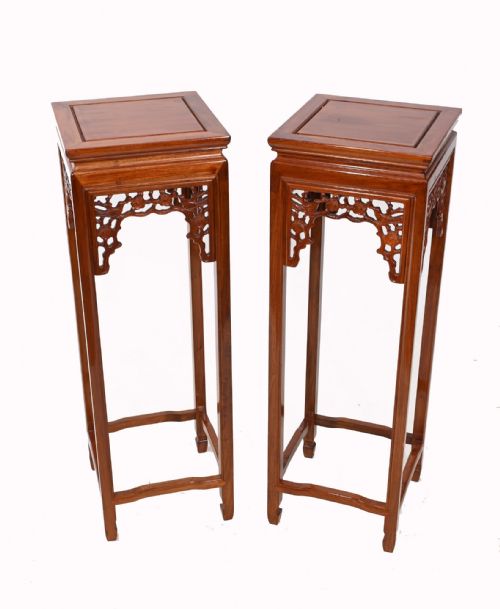
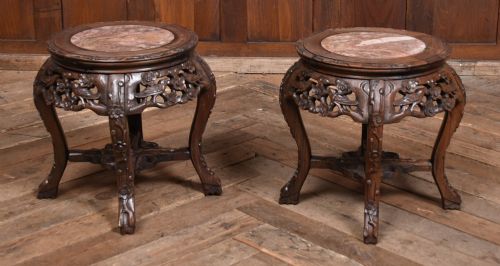
An oriental display pedestal brings a carved timber frame and inset marble top together to elevate plants and porcelain.
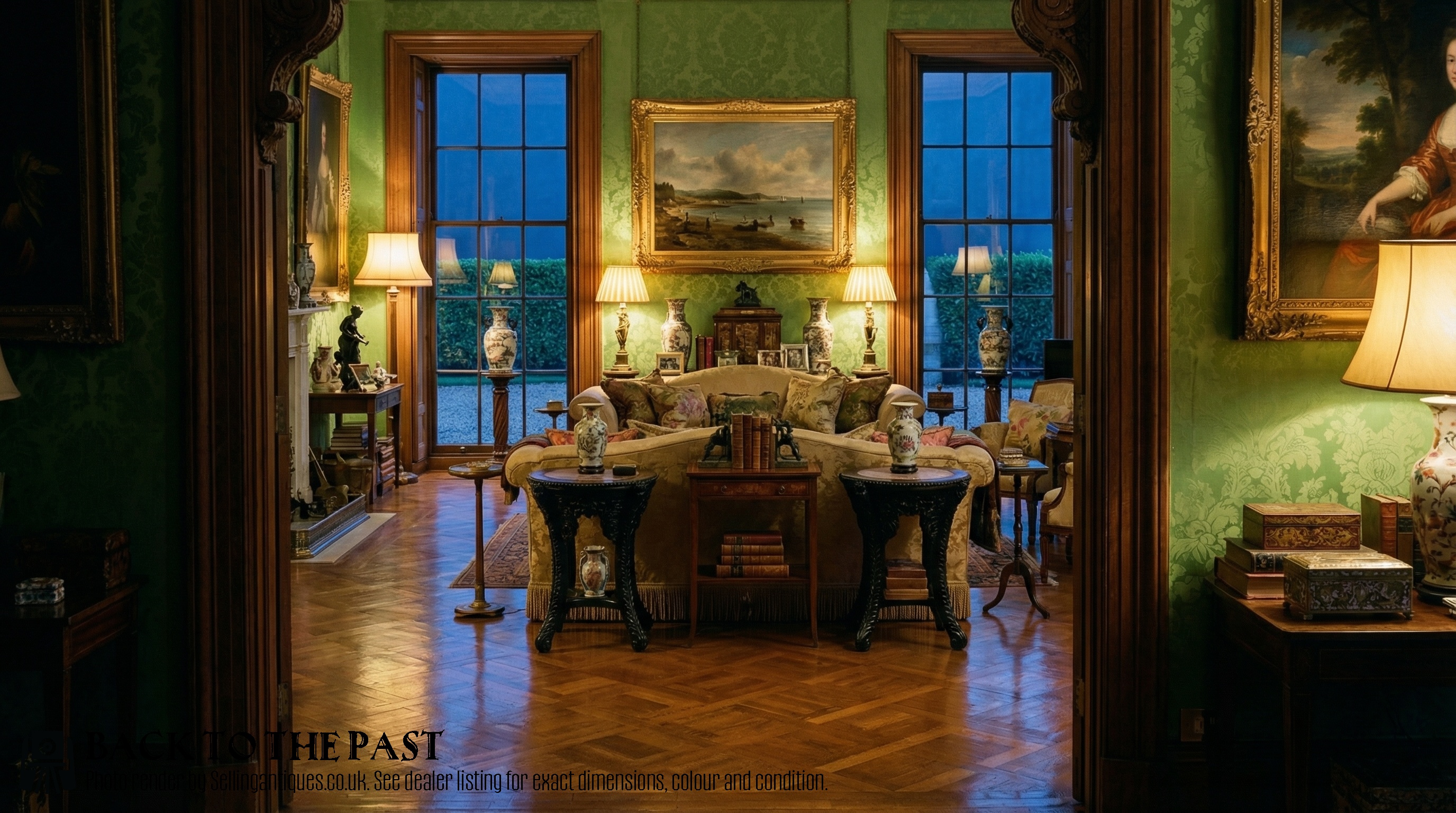
Oriental Display Pedestal
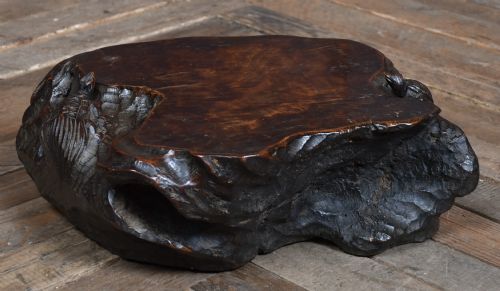
An oriental display pedestal serves as a dedicated platform for plants, vases, and decorative objects within a room. These pieces appear in forms such as plant stands, jardiniere stands, occasional tables, and low bonsai holders.
The pieces on this page span the nineteenth and early twentieth centuries, drawing upon Victorian, Meiji, and Qing Dynasty influences. Buyers frequently encounter dense hardwood frames paired with inset stone tops designed to support heavy ceramics safely.
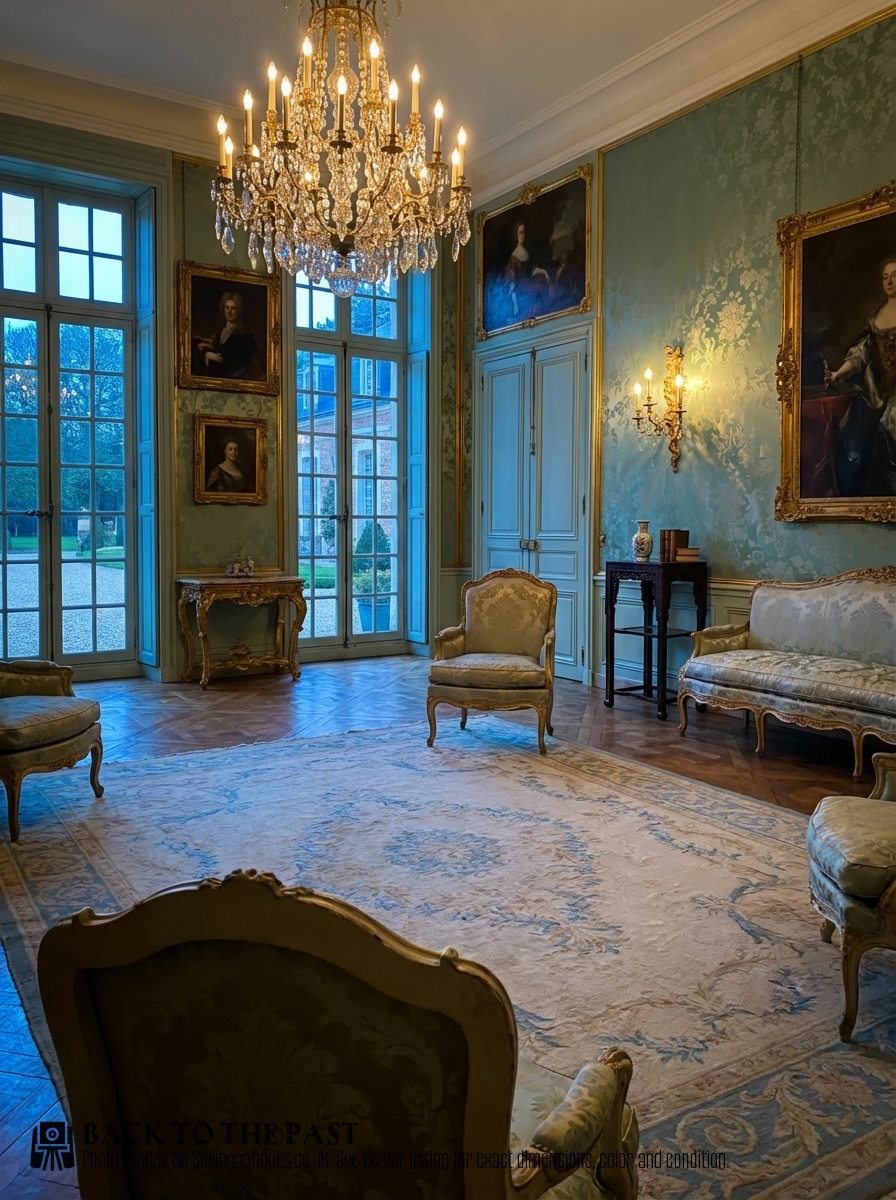
Materials and Construction
Craftsmen built these stands using dense imported timbers such as rosewood, padouk, hongmu, and ebonised elm, which provided the structural strength required for heavy loads. Joinery techniques allowed complex frames to support substantial weight without warping.
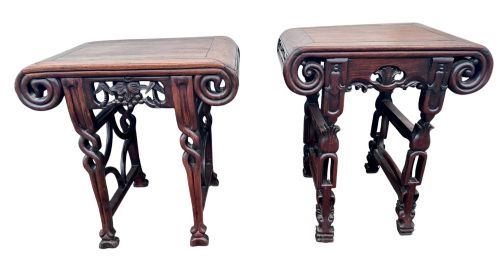
Many examples incorporate inset panels of rouge or white marble, while others feature hand-carved floral motifs, lacquered painted finishes, or mother of pearl inlay. These decorative elements reflect traditional Chinese export and Japanese aesthetic styles.
Oriental Display Pedestal Retail Price Guide 2026
Typical asking prices for oriental display pedestal among the pieces listed under this phrase on Sellingantiques today, from the lower quarter to the upper quarter. They describe what is for sale here now, not the wider market.
Several miniature platforms were built exclusively to showcase awkward bonsai trees and small decorative turtles.
Assessing Craftsmanship and Detail
Quality rests in the depth and crispness of the hand-carving across the skirt and legs, where superior examples display three-dimensional relief without soft edges. The selection of the timber also dictates the standard, with heavy, figured hongmu and padouk sitting above simpler stained softwoods.
The integration of the marble or stone insert affects the overall integrity, requiring a precise fit flush with the surrounding wooden frame. Matched pairs and pieces retaining their original lacquered or polished finishes command particular attention from collectors.
Liberty of London
The Oriental Display Pedestal Glossary
- Hongmu
- A dense, dark tropical hardwood traditionally utilised in Chinese furniture making. It translates literally as red wood.
- Jardiniere
- A large ornamental pot or container for plants, which sits atop these dedicated stands. The corresponding stands often feature reinforced tops to bear the soil weight.
- Padouk
- A heavy, durable timber with a reddish hue favoured for carved oriental furniture. This material resists warping under heavy loads.
- Meiji
- A Japanese period spanning from 1868 to 1912 characterised by opening trade with the West. Pieces from this era often blend traditional craftsmanship with export-focused design.
- Qing Dynasty
- The final imperial dynasty of China, lasting from 1644 to 1912. Furniture from this period frequently displays intricate carving and polished hardwood surfaces.
Oriental Display Pedestal: Frequently Asked Questions
What is an oriental display pedestal used for?
These stands were historically placed in reception rooms and parlours to display prized porcelain vases, bronze vessels, and potted plants. Raising the object off the floor protected delicate ceramics and gave prominent items a distinct focal point in the interior.
Today, they serve similar decorative functions in modern homes as side tables, lamp stands, or plant pedestals. Their compact footprints allow them to fit into corners or narrow hallways while adding architectural interest to a space.
How do I date a nineteenth-century stand?
Dating relies on examining the timber density, tool marks, and stylistic influences present in the carving. Pieces associated with the Qing Dynasty or the Victorian Aesthetic Period often combine specific regional joinery methods with characteristic surface patination.
Matching pairs and pieces bearing retailer labels or specific period traits help narrow the decade of manufacture. Consulting the listed materials, such as ebonised elm or hongmu, provides further clues regarding origin and age.
Are marble tops original to these stands?
Inset marble or stone panels are typically original to nineteenth-century Chinese and Japanese jardiniere stands. The stone provided a cool, durable surface that resisted water damage from potted plants and heavy ceramic vessels.
Inspect the rebate where the marble meets the wood to ensure a secure, unadjusted fit. Original stones often show natural veining and minor surface wear consistent with age.
How do I care for antique hardwood furniture?
Maintain these pieces by keeping them away from direct heat sources and sudden temperature fluctuations that can cause timber to split. Dust regularly with a dry, soft cloth and avoid chemical polishes that can degrade historic finishes.
Apply a microcrystalline wax sparingly if the wood appears dry, rubbing it gently into the grain. Handle marble inserts with care during relocation to avoid stressing the surrounding wooden frame.