

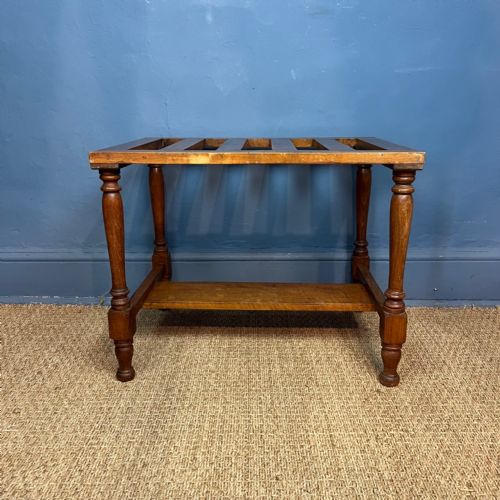
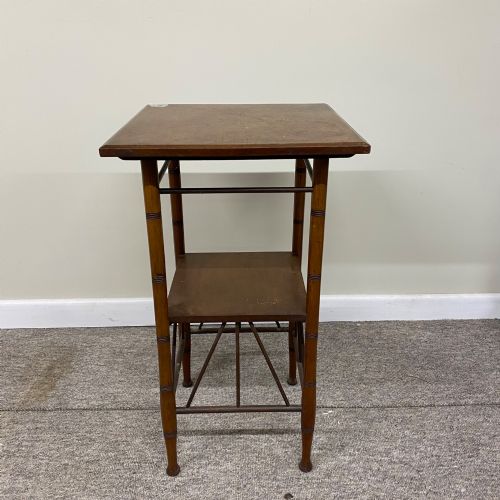
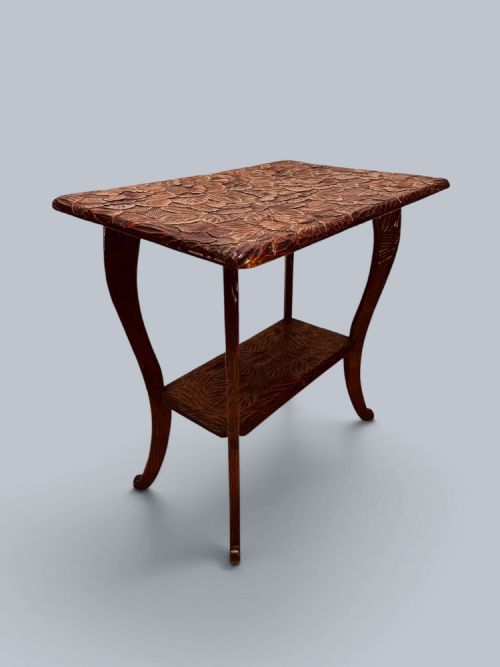
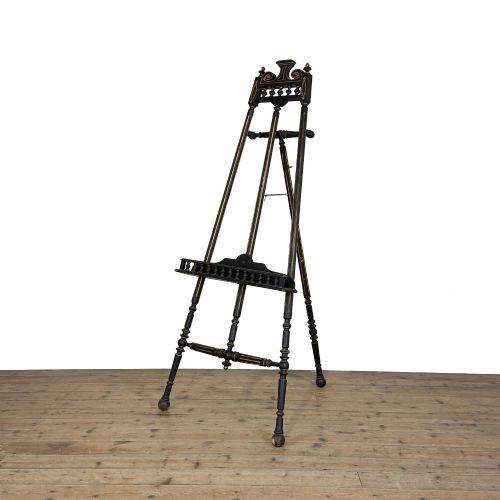
Aesthetic Movement Stand
An aesthetic movement stand brings together late nineteenth-century form and function, offering a purposeful spot for umbrellas, plants, or hall accessories.
Aesthetic Movement Stand
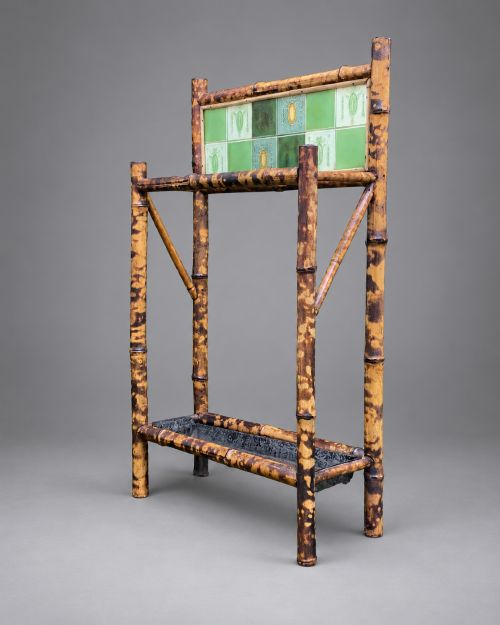
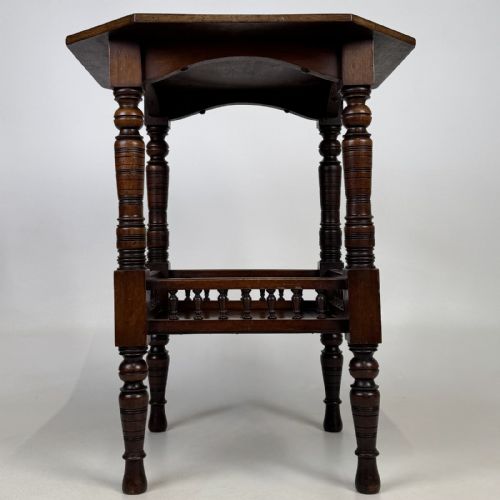
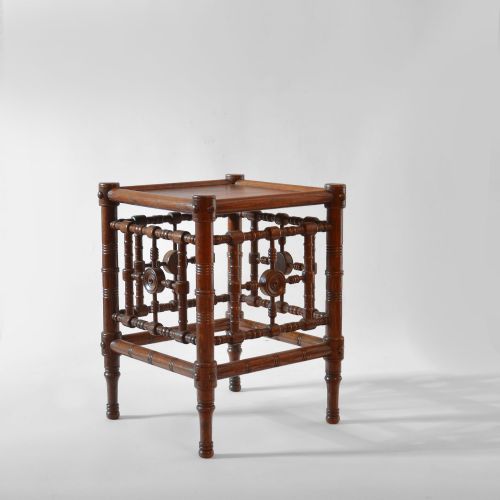
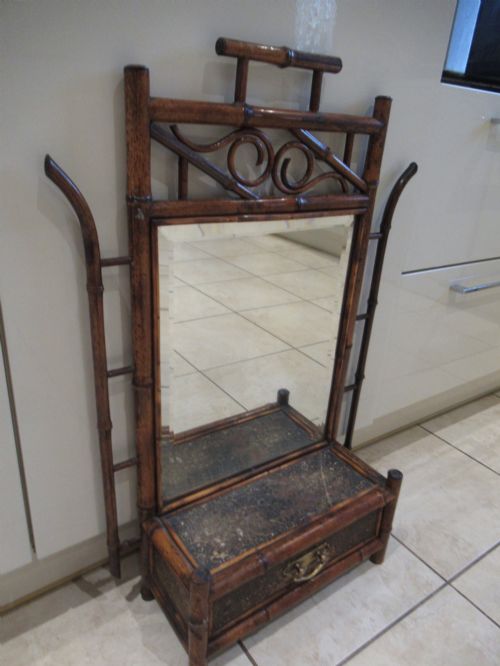
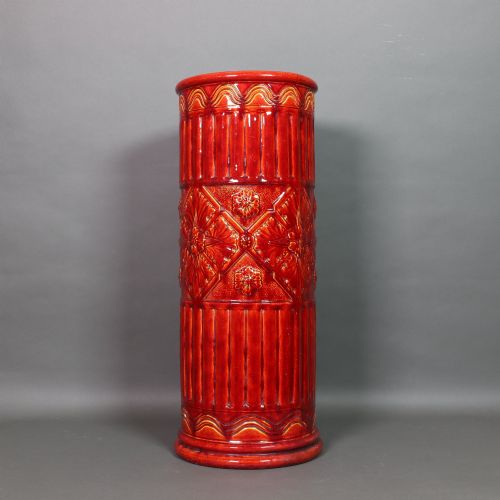
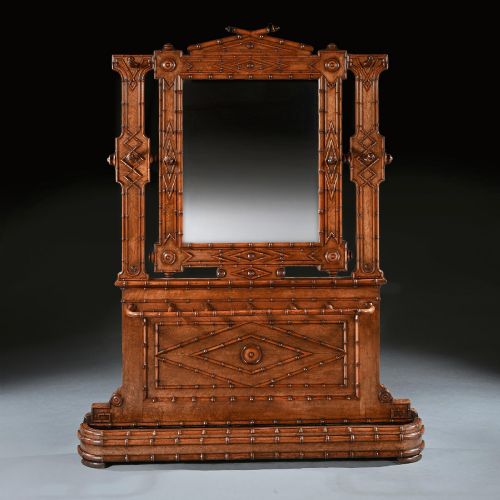
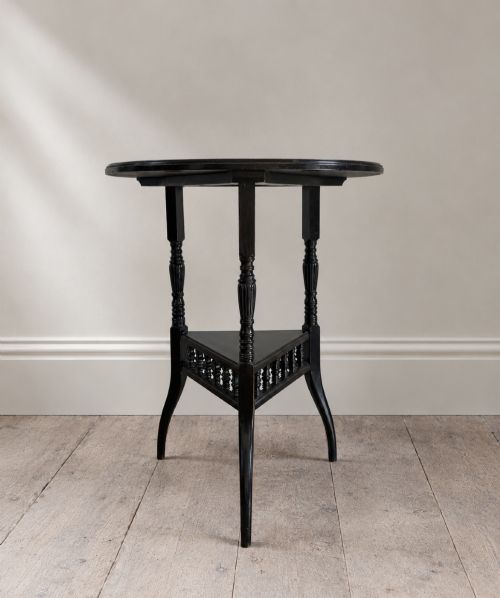
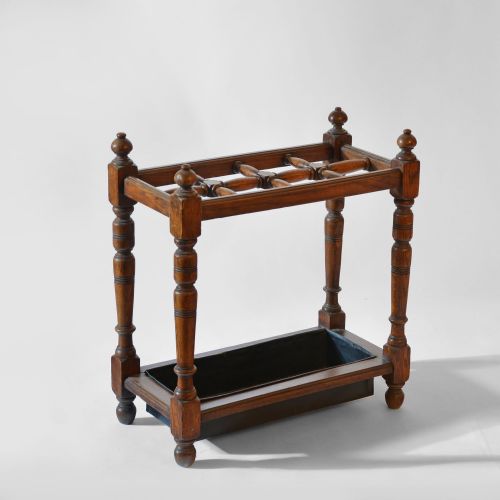
An aesthetic movement stand encompasses functional hallway and reception room furniture designed during the Victorian and Edwardian periods, running from the 1870s into the early twentieth century. When searching for this phrase, a buyer encounters everything from umbrella and stick holders to plant stands, hall stands, and occasional display pieces.
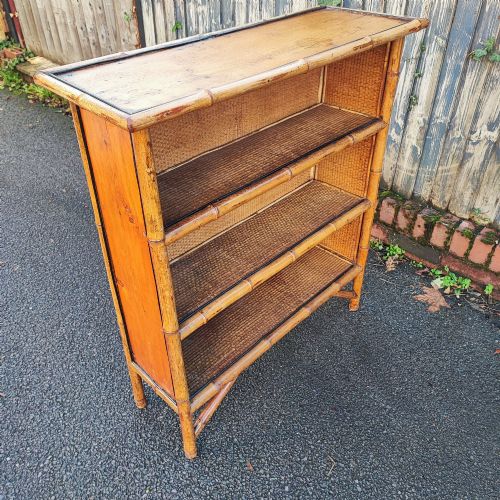
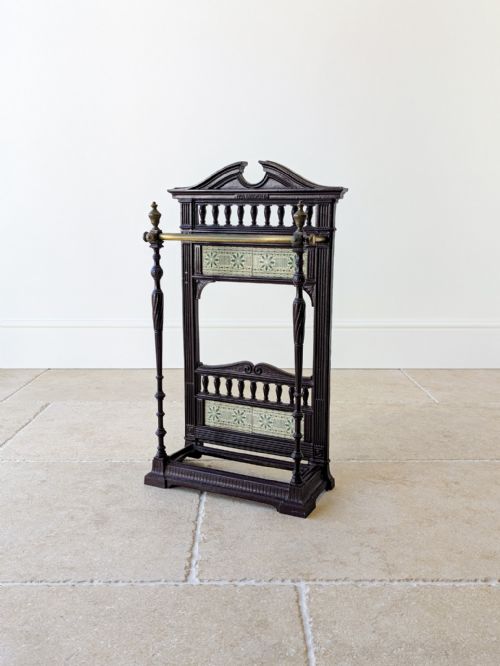
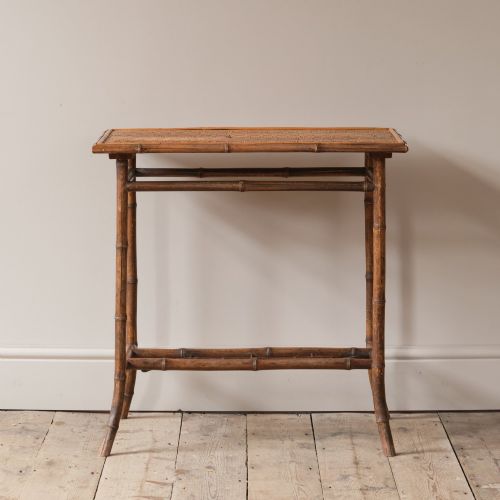
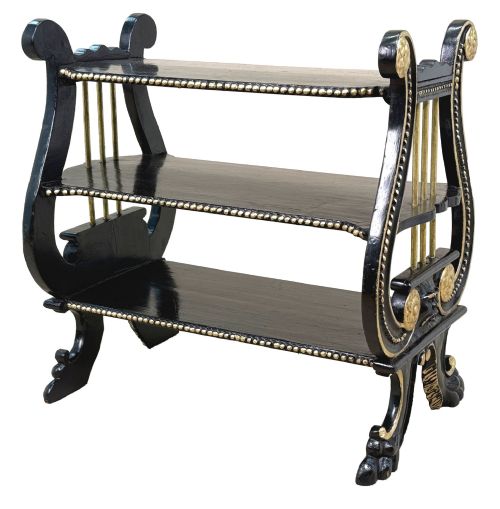
The most common examples on this page are bamboo or ebonised wood hall stands and umbrella racks, alongside cast iron stick stands and occasional tables. These items reflect a design ethos that prioritised asymmetry, simplicity, and global influences, particularly Japanese and Moorish motifs, over heavy Victorian clutter.
How they were made
Makers utilised a distinct palette of materials, frequently turning to ebonised wood, mahogany, oak, and both natural and japanned bamboo. Cast iron served heavy-duty functions in umbrella and stick stands, while brass, lacquer, glass, and ceramic tiles provided decorative contrast.
Construction techniques combined traditional British cabinetmaking with imported styles, integrating turned woodwork, parcel gilding, decoupage, and hand-carved details. Cast iron stands relied on industrial moulding processes, often incorporating drip pans and compartmentalised frames for wet walking gear.
Aesthetic Movement Stand Retail Price Guide 2026
Typical asking prices for aesthetic movement stand among the pieces listed under this phrase on Sellingantiques today, from the lower quarter to the upper quarter. They describe what is for sale here now, not the wider market.
Listings feature items spanning from the 1870s through the Edwardian era, constructed in materials ranging from cast iron to exotic bamboo.
What varies in quality
Quality in these pieces depends on the integrity of the materials and the pedigree of the maker or retailer. Superior examples display tight joinery in bamboo frames, crisp casting in ironwork, and genuine ebonising rather than simple black paint over inferior timber.
Design sophistication also separates standard production from exceptional pieces, with finer examples featuring hand-painted tiles, inlaid brass, or complex Anglo-Japanese structural planning. The presence of original fittings, such as metal drip trays in stick stands or authentic mirrors in hall stands, elevates a piece's status.
Coalbrookdale·Collinson and Lock·Liberty and Co·Thomas Jeckyll·Hindley and Sons
The Aesthetic Movement Stand Glossary
- Ebonised
- Wood stained or painted to resemble expensive ebony. This dark finish was popular for creating stark silhouettes in late nineteenth-century interiors.
- Anglo-Japanese
- A design style fusing British construction with Japanese artistic motifs. It emerged after the 1862 International Exhibition and heavily influenced furniture makers.
- Japonisme
- The study and incorporation of Japanese art and aesthetics into European design. This movement championed asymmetry and natural motifs.
- Canterbury
- A partitioned stand originally designed for holding sheet music or books, frequently adapted during this period to hold newspapers and magazines.
- Étagère
- A set of open shelves for displaying small objects or ornaments. These pieces typically utilise slender supports and multi-tiered surfaces.
Aesthetic Movement Stand: Frequently Asked Questions
What is an aesthetic movement stand used for?
These pieces served practical domestic roles in Victorian and Edwardian hallways, studies, and reception rooms. They held walking sticks, umbrellas, hats, coats, or potted plants depending on their specific form.
Today, they continue to function in entryways or living spaces as both storage and decorative furniture that reflects late nineteenth-century design tastes.
How do I identify an aesthetic movement piece?
Look for distinct visual markers such as ebonised surfaces, bamboo frames, and asymmetric layouts inspired by Japanese art. They often avoid the heavy carving typical of earlier Victorian eras in favour of linear simplicity.
Many incorporate secondary materials like brass hooks, ceramic tiles, or mirrored panels within compact structural footprints.
Are bamboo stands sturdy enough for daily use?
Bamboo furniture from this period was constructed using kiln-dried sections joined with internal dowels and pinned joints. While lightweight, well-made examples handle everyday placement of coats and umbrellas reliably.
Owners should keep them away from excessive moisture or direct heat sources to prevent the natural cane from drying out or splitting.
What is the difference between a hall stand and a stick stand?
A hall stand is a taller, composite piece of furniture combining hooks for coats, a small mirror, a shelf or glove drawer, and a base for umbrellas. A stick stand is a dedicated, smaller frame solely intended for holding walking sticks and umbrellas.
Both items occupied the entrance of a home, but hall stands offered a complete greeting area for visitors.