
Black Lacquer Stand
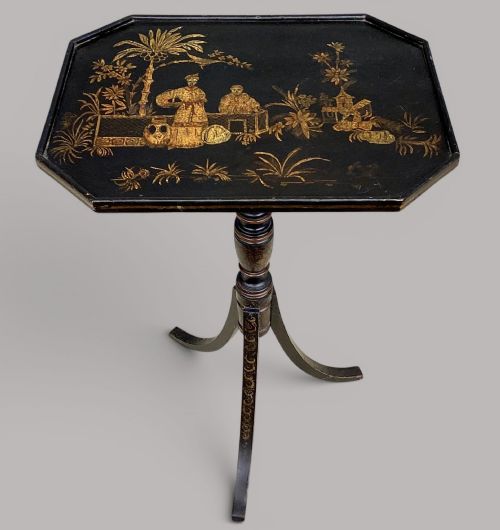
When you search for a black lacquer stand, you encounter elevated furniture designed to display decorative objects or provide specialised surfaces with painted oriental motifs.
Black Lacquer Stand
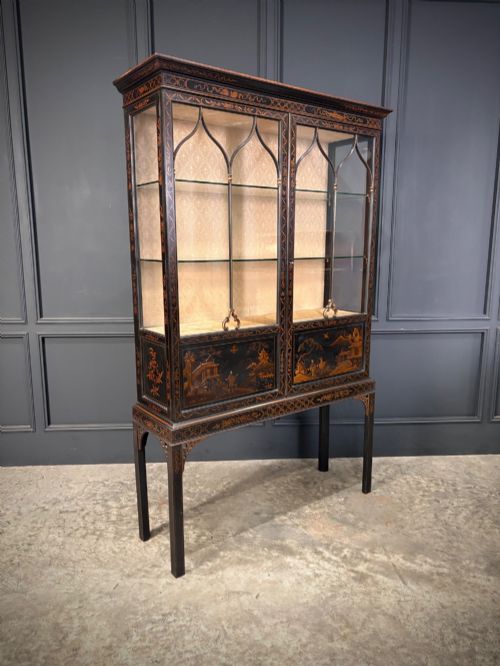
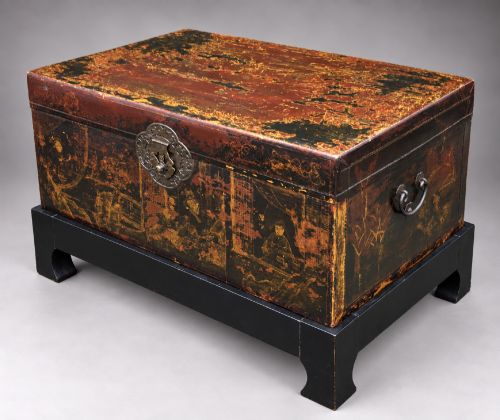
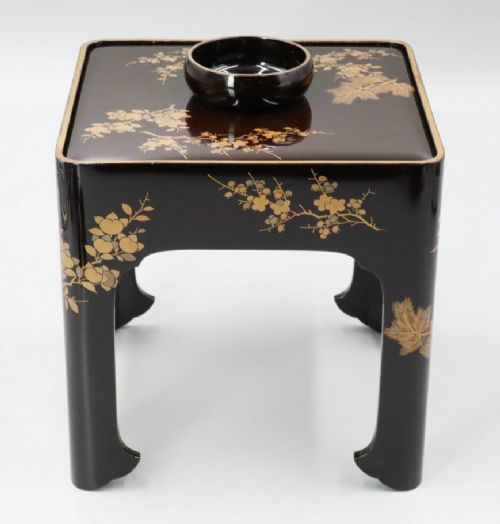
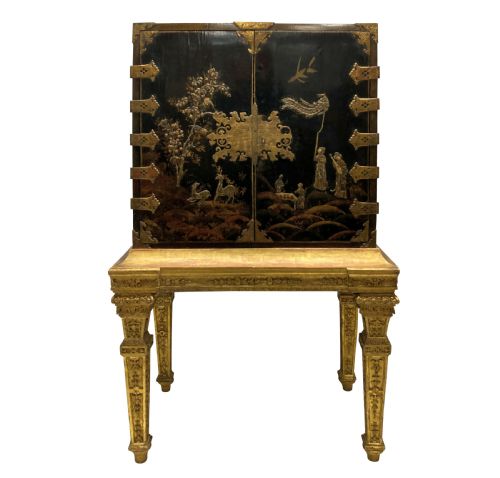
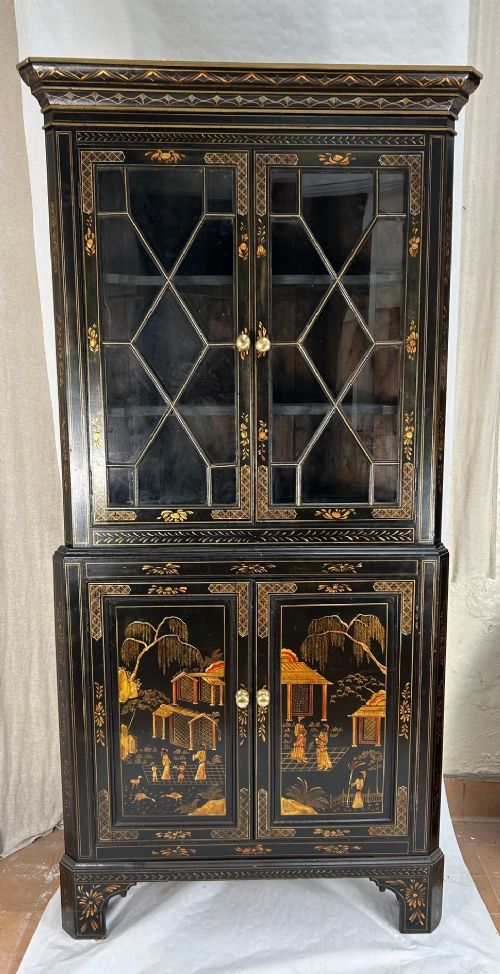
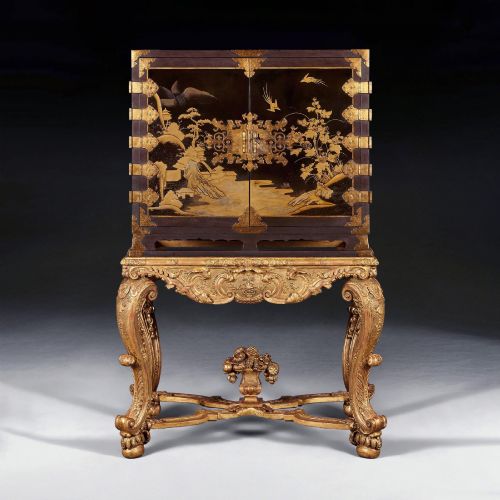
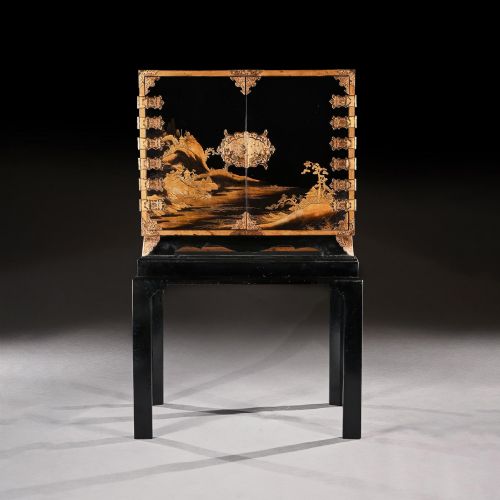
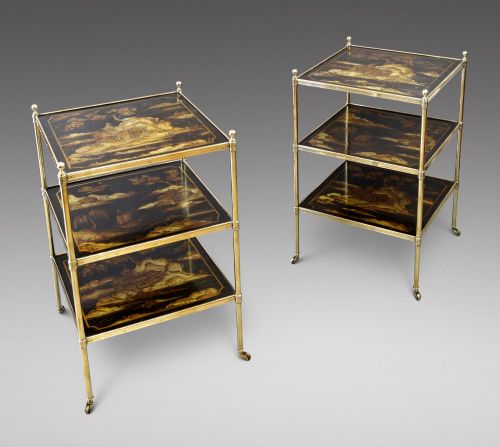
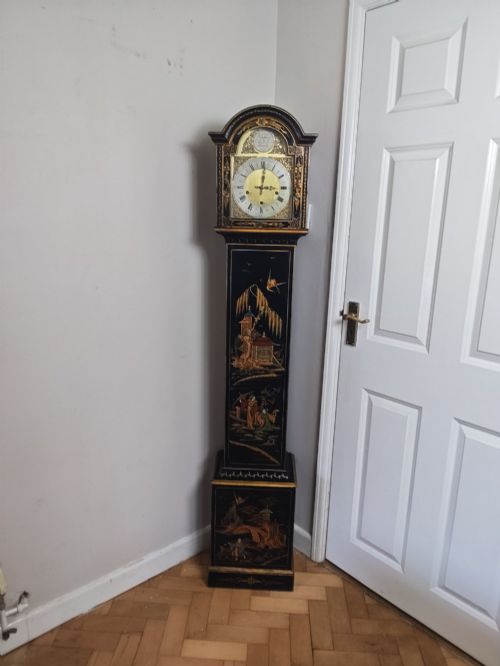
A black lacquer stand encompasses a diverse range of elevated furnishings, from imposing cabinets raised on carved supports to occasional tables and floor lamps. Pieces frequently display Chinoiserie decoration, merging European furniture forms with Asian lacquering techniques that gained immense popularity across multiple centuries.
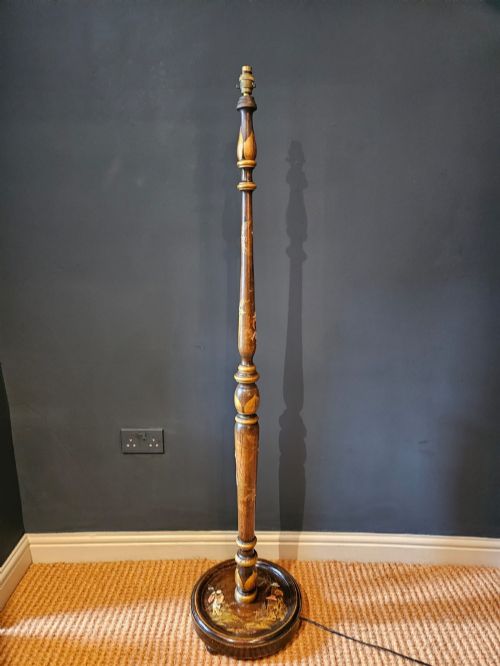
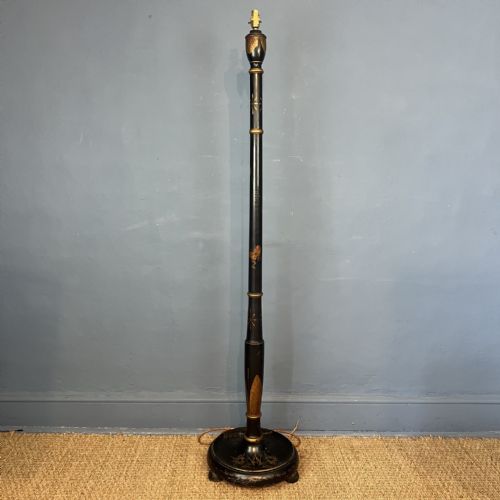
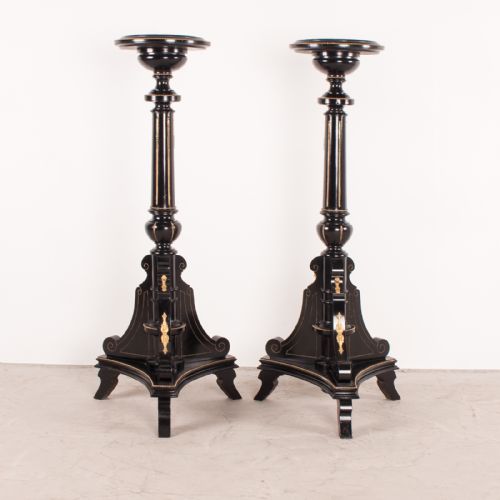
You are most likely to encounter floor lamps, often described as standard lamps, alongside tray tables and cabinets dating from the Victorian, Edwardian and 1930s periods. These domestic items adapt traditional dark finishes to practical household roles, pairing utilitarian function with decorative surface painting.
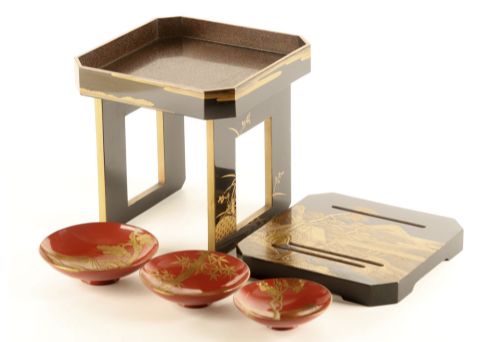
Examples also bridge distinct geographic traditions, including English interpretations of oriental styles alongside authentic Chinese export pieces and Japanese Meiji period creations. This crossover creates a varied selection where structural forms range from slender standard lamps to robust side tables and display shelves.
How they were made
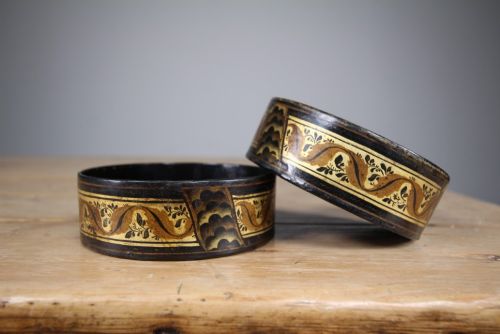
The construction of these items relies on timber, papier-mâché and occasionally bamboo as structural foundations, upon which layers of dark lacquer are painstakingly applied and polished. Artisans then build up pictorial surfaces using gold leaf, paint and hand-applied metallic powders to create intricate landscapes and figures.
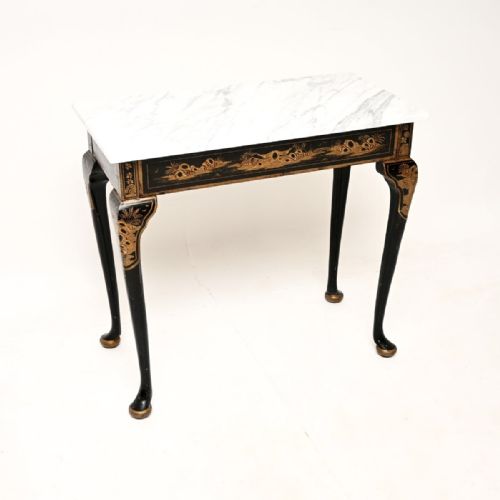
Many items incorporate supplementary materials such as brass fittings, glass panels and marble tops to enhance durability and visual contrast against the dark background. Details like hand-painted Chinoiserie motifs require precise brushwork executed across curved surfaces, corners and raised mouldings.
The listings encompass diverse forms ranging from Victorian papier-mâché trays on stands to 1930s floor lamps and 17th-century cabinets.
What varies in quality
Quality reveals itself in the depth of the lacquer finish and the complexity of the hand-painted decoration, where superior examples exhibit layered luminosity rather than flat painted surfaces. The crispness of carved details on the underlying wood or stand significantly alters the overall refinement of a piece.
The integration between the upper cabinet or tray and its supporting stand dictates structural integrity, with superior items demonstrating harmonious proportion and robust joinery. Finer works display meticulous attention to interior fittings and secondary decorative elements, distinguishing bespoke craftsmanship from mass-produced output.
The Black Lacquer Stand Glossary
- Chinoiserie
- European artistic interpretations of Chinese and East Asian artistic traditions, popular in furniture decoration. This style employs motifs of figures, pagodas and landscapes rendered in gold and colour upon dark grounds.
- Papier-mâché
- A composite material made from paper pulp or reinforced sheets mixed with glue, pressed and dried into rigid forms. It serves as a lightweight yet durable base for decorative trays and small stands.
- Standard lamp
- A tall floor-standing lamp designed to support a shade and illuminate a room from a fixed vertical post. These fixtures frequently incorporate decorative lacquer and painted detailing along the shaft.
- Cabinet on stand
- A freestanding storage cabinet elevated on a dedicated frame or table base. This form separates heavy storage compartments from the floor to create lighter visual proportions.
- Ebonised
- Wood treated with a dark stain or finish to imitate expensive ebony hardwood. It provides a uniform dark surface that enhances applied gold leaf and painted ornamentation.
Black Lacquer Stand: Frequently Asked Questions
What is a black lacquer stand?
A black lacquer stand is an elevated piece of furniture featuring a dark resinous finish, often ornamented with hand-painted gold or coloured oriental motifs. These items encompass varied forms such as tray tables, display shelves, cabinets and floor-standing lamps.
Such furnishings served functional roles in historic interiors while introducing exotic decorative elements to domestic spaces. Their distinct surface finish unites diverse functional types under a shared aesthetic tradition.
How do I style a black lacquer stand at home?
These pieces function effectively as focal points in neutral rooms, where their dark glossy surfaces and metallic details provide strong visual contrast. Pair floor-standing lamps with traditional shades to complement historic interiors, or use tray tables as versatile coffee surfaces.
Because the dark finish absorbs light, placing these items near windows or ambient light sources highlights the hand-painted details. They integrate seamlessly into both traditional period settings and contemporary eclectic interiors.
How do I tell different periods apart?
Distinguishing periods relies on examining structural forms, hardware types and the specific style of the painted decoration. Seventeenth and eighteenth-century examples often feature elaborate cabinet structures on carved stands, whereas Edwardian and 1930s pieces frequently comprise standard lamps and simpler occasional furniture.
Materials also offer clues, as papier-mâché foundations become particularly prevalent during the Victorian era. Comparing the complexity of the Chinoiserie motifs helps place items within their respective stylistic revivals.
Were these stands made in Britain or Asia?
Production occurred across both regions, encompassing authentic Chinese and Japanese export items alongside British interpretations influenced by oriental trade. European workshops frequently produced their own versions of Chinoiserie furniture using local timbers finished with dark lacquer.
Japanese Meiji period pieces and Chinese export goods arrived via international trade routes, while English cabinetmakers created matching stands for imported lacquer panels. Examining the underlying construction timbers helps clarify a piece's geographic origin.