




Japanese Urn Table
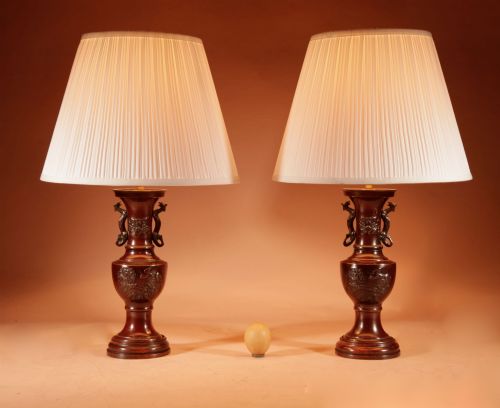
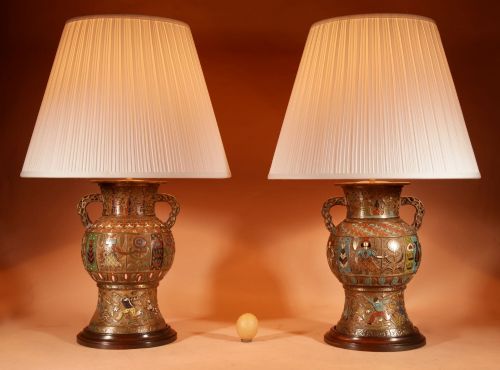
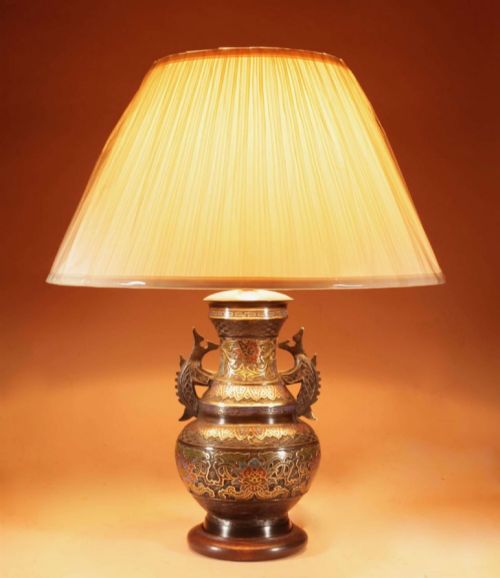
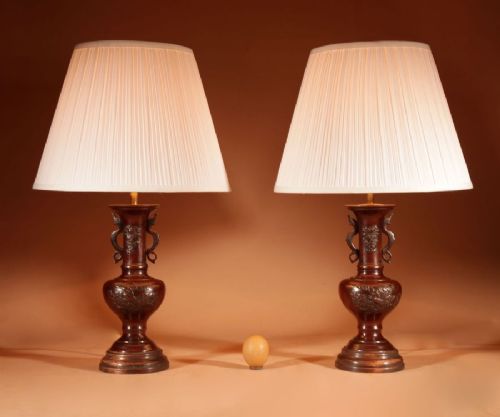
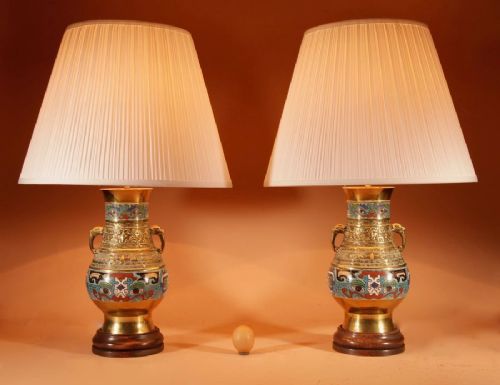
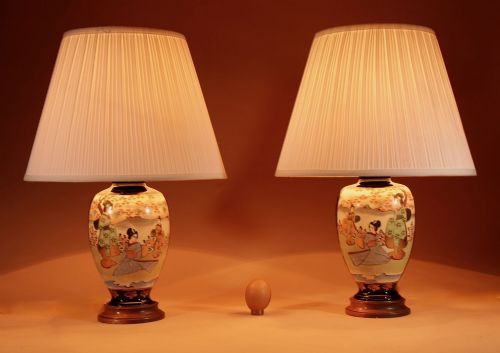
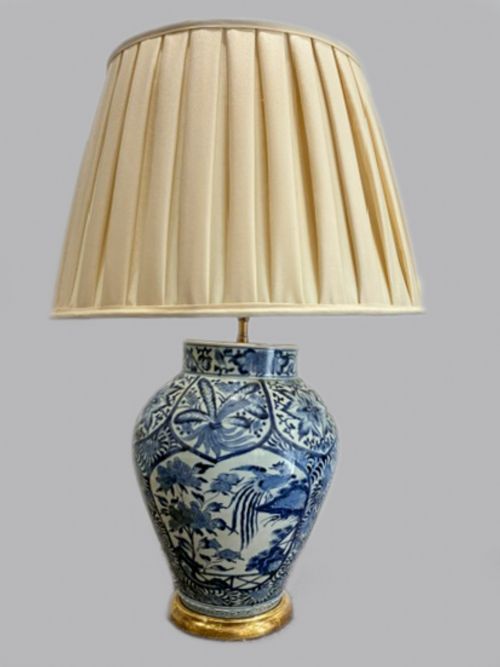
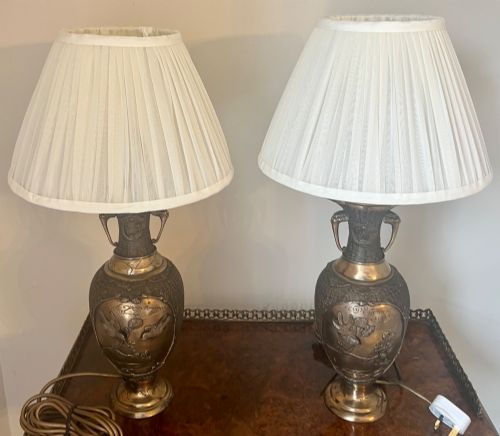
These japanese urn table options bring together cast bronzes, hand-painted porcelains and carved plant stands suited for display.
Japanese Urn Table
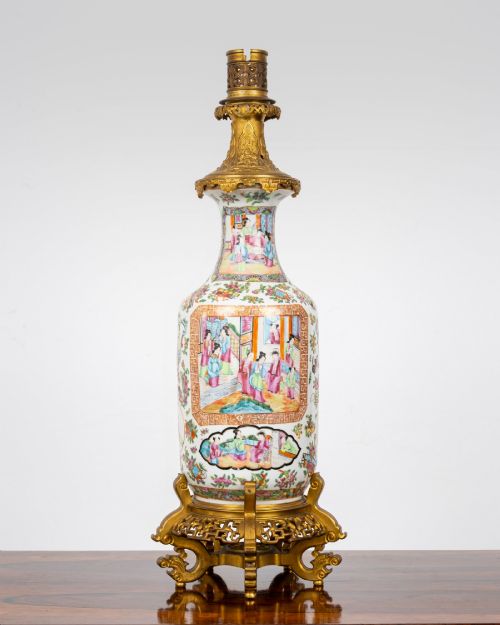
When you search for a japanese urn table, you are looking at items designed to support or display ornamental vessels, ranging from hardwood plant stands and marble-topped display tables to converted vases and jardiniere stands. The selection spans the seventeenth, eighteenth, nineteenth and early twentieth centuries, drawing heavily upon Meiji period craftsmanship and Victorian aesthetics.
The most common forms encountered on this page are table lamps adapted from traditional Japanese vases alongside plant stands and pedestals made from ebonised wood or hardwood. These pieces combine utilitarian surfaces for holding objects with distinct decorative arts origins from Japan and Britain.
Materials and construction
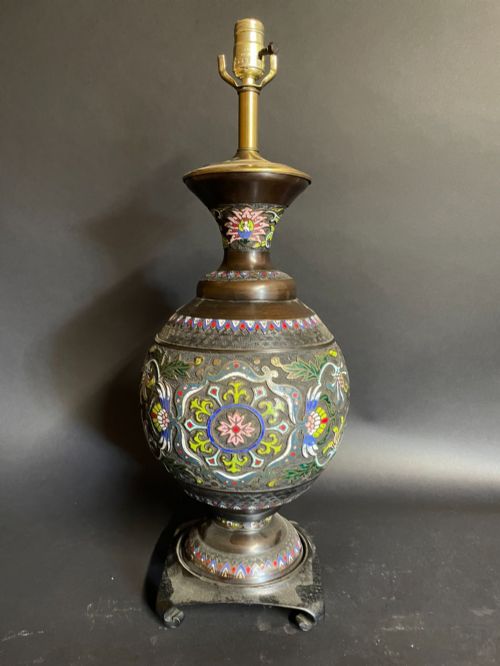
Makers utilised cast bronze, brass and mixed metals alongside hardwearing porcelain and earthenware such as Satsuma, Kutani and Arita Imari. Enamel work, specifically champlevé and cloisonné, frequently decorates the metallic surfaces with intricate patterns.
Wooden supports employ hand-carving techniques on materials like rosewood and ebonised timber, often incorporating inset marble tops. Vases and urns were frequently adapted into table lamps later in their lifespans, combining Eastern ceramic traditions with Western electrical fittings.
Several bronze dragons double as candle holders, ensuring your living room lighting comes with built-in mythical supervision.
Judging quality in these pieces
The distinction between tiers rests upon the crispness of the casting in bronzes and the precision of the hand-painted enamels on porcelain vessels. Pieces bearing identifiable workshop signatures or created during the Meiji period display superior detail in mixed metalwork and cloisonné cells.
For wooden plant stands and display tables, quality shows in the depth of the hand-carving and the stability of the joinery rather than mere surface polish. Adaptation work also varies, with professional conversions maintaining the structural integrity of the original vase or urn.
Liberty of London·Kinkozan
The Japanese Urn Table Glossary
- Champlevé
- Enamelling technique where troughs are dug into a metal surface and filled with vitreous enamel before firing. This method creates bold, colourful patterns across bronze vases and lamp bases.
- Satsuma
- Earthenware pottery originating from the Satsuma province, characterised by a crackled ivory glaze and detailed polychrome enamel painting. It is frequently seen on decorative lamp bases.
- Cloisonné
- Decorative metalwork method using thin wire soldered to a metal base to create compartments filled with enamel paste. These pieces often feature floral and abstract motifs.
- Ebonised
- Wood finished with a dark stain or polish to imitate the appearance of ebony. This treatment was widely utilised on Victorian plant stands and display tables.
- Arita Imari
- Japanese porcelain decorated in underglaze blue and overglaze iron red, gold and black. These wares were exported extensively to Europe from the port of Imari.
- Meiji Period
- The era of Japanese history lasting from 1868 to 1912, known for opening trade with the West and producing intricate bronzes and mixed metalwork.
Japanese Urn Table: Frequently Asked Questions
What is a japanese urn table used for?
These items serve primarily as decorative supports for plants, vases and urns, or function directly as illuminated table lamps. They provide raised surfaces designed to showcase ornamental objects within a room.
Many of the ceramic elements started as vases or jars before being adapted into lighting fixtures or paired with carved wooden stands. Their dual function allows them to act as both furniture and sculptural lighting.
How do I identify Meiji period bronze?
Meiji period bronzes often display complex mixed metal applications, champlevé enamelling or deep original patination. Look for crisp casting details in dragon motifs and floral patterns.
Signed pieces may bear workshop marks on the base, though many unsigned examples rely purely on stylistic execution and weight to indicate their nineteenth-century origin.
Are these lamp conversions original?
The majority of ceramic lamp bases began as decorative vases or urns created in the eighteenth or nineteenth centuries and were converted to electricity at a later date. This adaptation process preserves the decorative body while updating its utility.
Buyers should examine how the wiring enters the vessel to ensure the structural integrity of the porcelain or bronze remains uncompromised.
How do I care for antique wood stands?
Maintain wooden plant stands and marble-topped tables by keeping them away from direct heat sources and sudden humidity changes. Dust regularly with a soft cloth to protect the polished or ebonised finish.
Avoid using harsh chemical polishes on antique timber, applying a suitable wax sparingly only when the wood appears dry.