


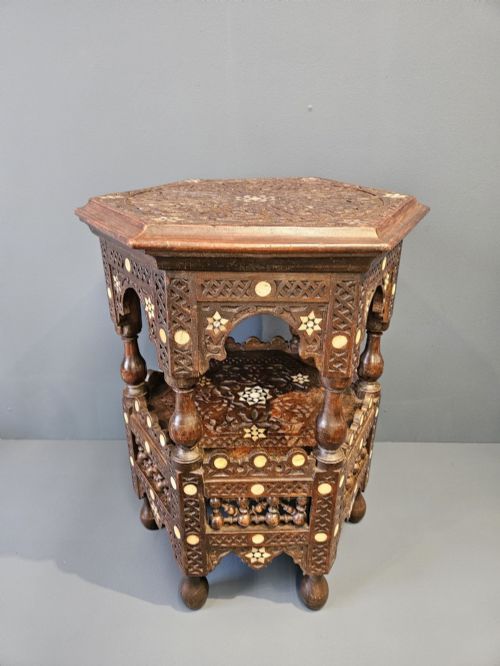

Victorian Oriental Stand
A victorian oriental stand brings distant stylistic traditions into nineteenth-century British interiors through clever carpentry and exotic materials.
Victorian Oriental Stand
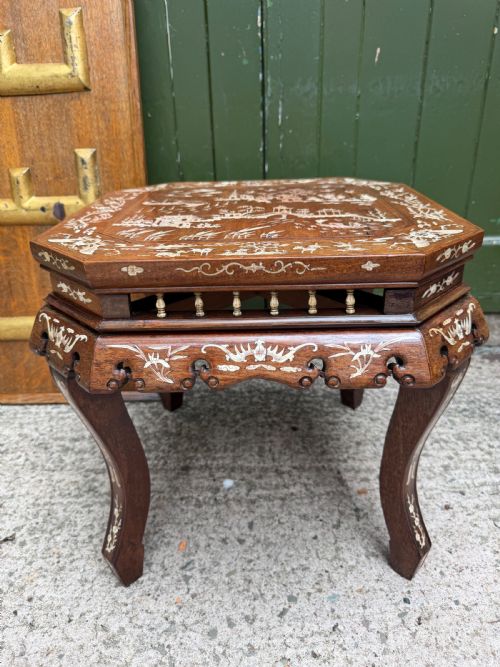
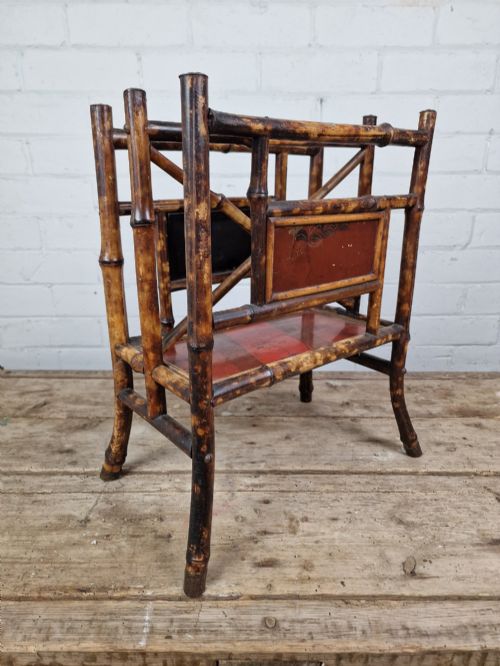
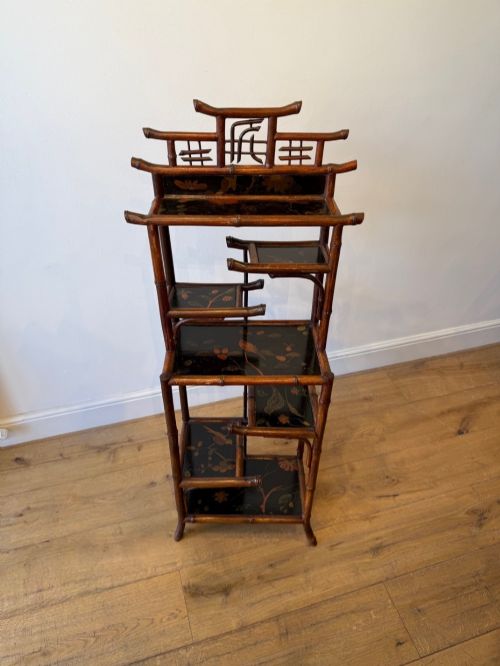
When searching for a victorian oriental stand, buyers encounter a diverse selection of occasional tables, jardiniere supports, and plant pedestals produced during the nineteenth century. These furnishings bridge British domestic utility with design influences drawn from China, Japan, India, and Burma.
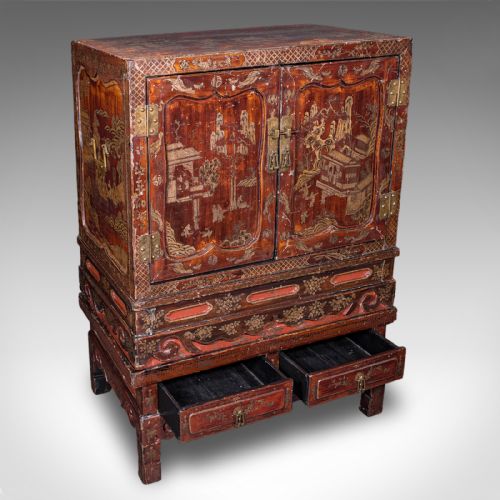
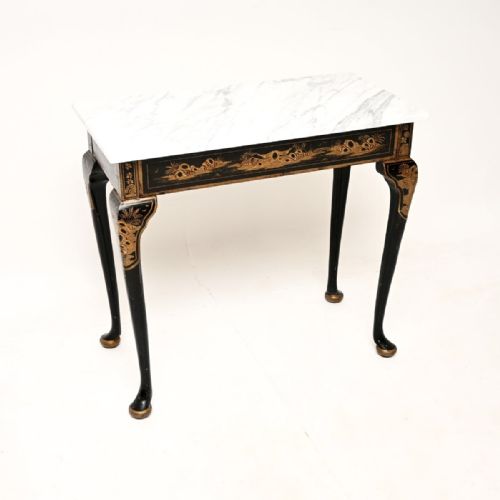
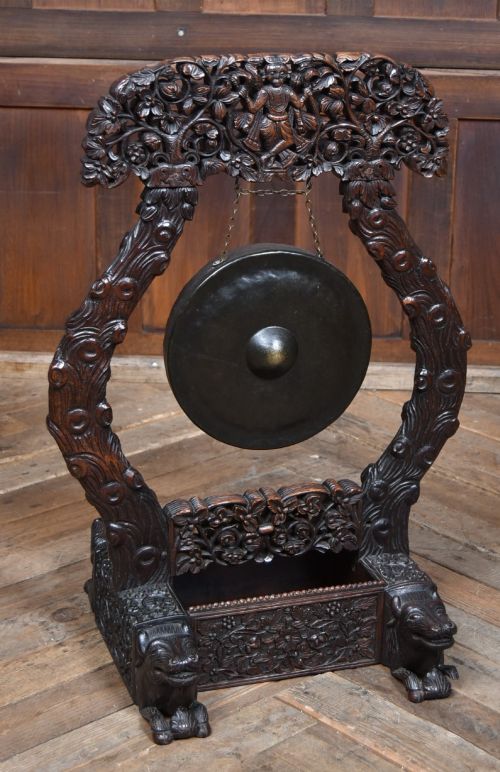
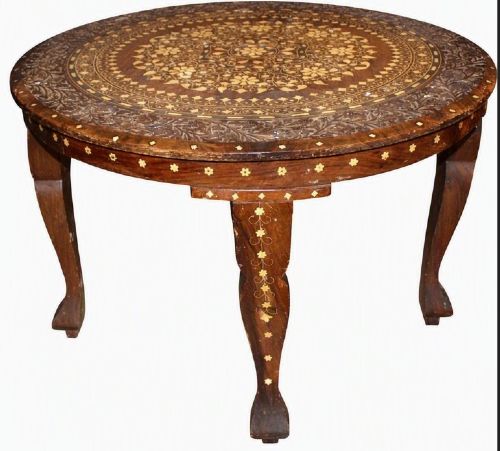
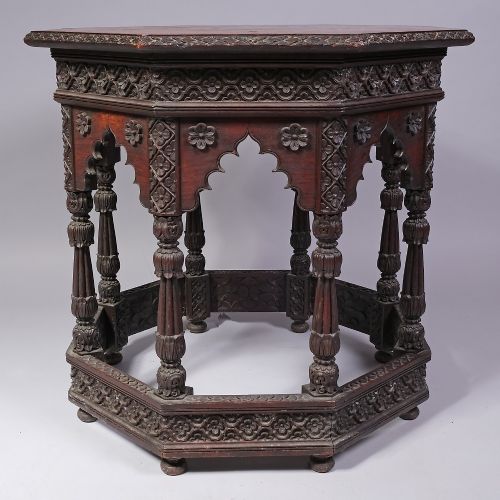
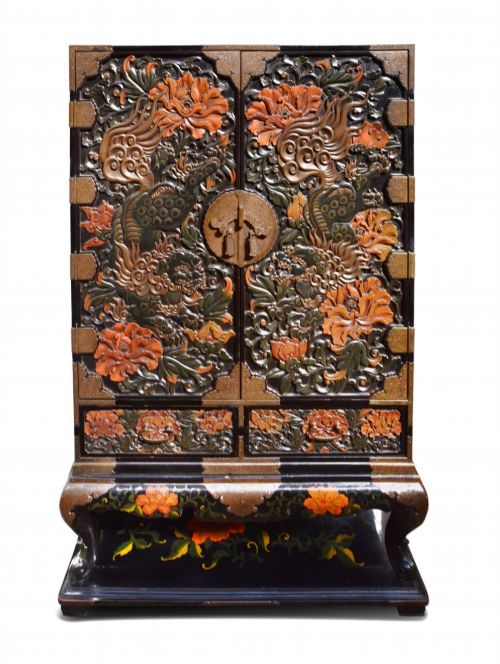
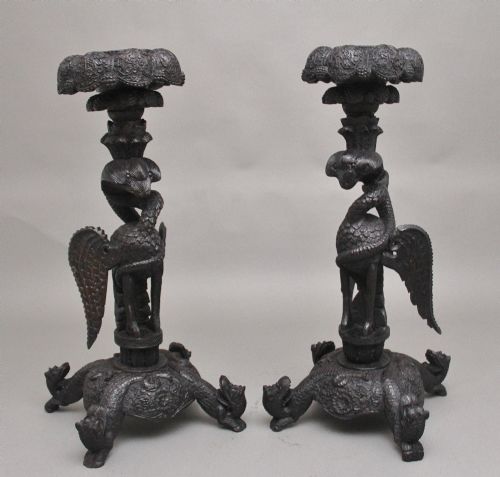
The most common iterations on this page include carved hardwood plant stands featuring inset marble tops, alongside tiered bamboo tables and ebonised occasional pieces. Makers utilised diverse stylistic vocabularies, ranging from Anglo-Indian bone inlay to Chinoiserie lacquering and Japanese Meiji aesthetics.
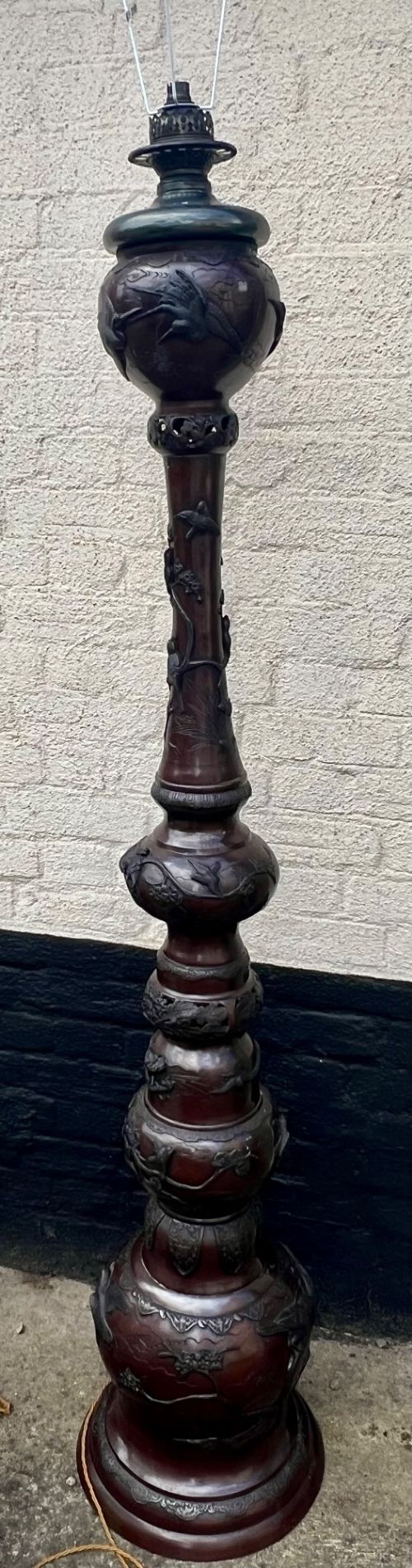
Domestic spaces in the period utilised these compact tables to display imported porcelain, heavy planters, or reading lamps. Their silhouettes vary from octagonal side tables to folding scholar stands and specialised lamp supports.
Materials and Technique
Carpenters constructed these stands using dense imported timbers such as teak, padouk, rosewood, and hardwood, frequently pairing them with lighter bamboo frames. Surface decoration relied heavily on black lacquer, ebonised finishes, and polychromed details applied to wood or plaster.
Artisans incorporated intricate hand-carving alongside specialised inlay work utilising bone, mother-of-pearl, brass wire, and copper tops. Marble inserts provided durable, heat-resistant surfaces specifically suited for heavy ceramic plant pots and dripping jardiniere bowls.
Judging the Workmanship
Quality in a victorian oriental stand rests upon the depth and precision of the carving, the stability of the joinery, and the integrity of the secondary materials. Superior examples display crisp relief work in dense hardwoods rather than shallow machine-milled detailing on softer woods.
The choice of top surface distinguishes standard production from finer commissions, particularly where heavy veined marble or intricate bone and brass inlay remain securely flush with the surrounding timber. Construction methods such as robust mortise and tenon joints ensure that slender bamboo or turned wood legs bear weight without wobble.
Gabriel Viardot·Liberty & Co
The Victorian Oriental Stand Glossary
- Jardiniere stand
- A tall, slender table designed specifically to elevate plant pots and floral arrangements within a principal room.
- Chinoiserie
- European artistic interpretation and imitation of Chinese artistic traditions, popular throughout nineteenth-century interior decoration.
- Meiji
- The period of Japanese history spanning from eighteen sixty-eight to nineteen twelve, frequently associated with export bronzes and lacquerwork seen in British collections.
- Padouk
- A heavy, durable tropical hardwood possessing a reddish hue, utilised extensively for carved oriental furniture.
- Ebonisation
- A chemical or pigment treatment applied to cheaper timbers to imitate the dense black appearance of ebony wood.
Victorian Oriental Stand: Frequently Asked Questions
What is a jardiniere stand used for?
These elevated tables were designed to hold heavy ceramic plant bowls and floral displays safely off carpeted or wooden floors.
Their sturdy tops, often lined with marble or copper, protected the underlying timber from moisture and soil spills.
How do I identify bamboo furniture age?
Nineteenth-century bamboo pieces typically feature pinned construction, natural root sections at the joints, and heavier internal wooden cores.
Later reproductions often rely on modern metal fixings and lighter, uniform cane sections without authentic period wear.
Where were these stands placed?
Victorian households positioned these compact tables in drawing rooms, hallways, and conservatories to display ornamental porcelain or lighting.
Their modest footprints allowed them to fit into tight corners and window recesses where larger furniture could not go.
What distinguishes Anglo-Indian furniture?
Anglo-Indian pieces combine traditional British furniture forms with intricate indigenous carving styles executed by craftsmen in the Indian subcontinent.
They frequently incorporate dense rosewood or teak alongside detailed bone, ivory, or brass wire inlay work.