




Meiji Lacquer Table
These pieces of meiji lacquer table range from low drinking stands to display cabinets, bringing intricate Japanese artistry into British interiors.
Meiji Lacquer Table
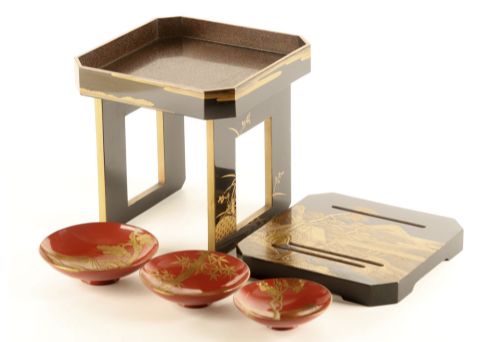
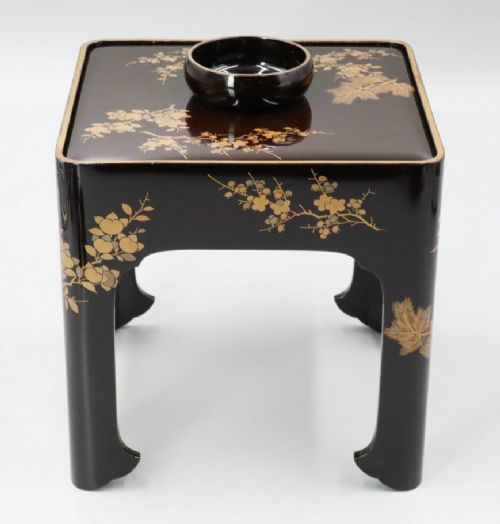
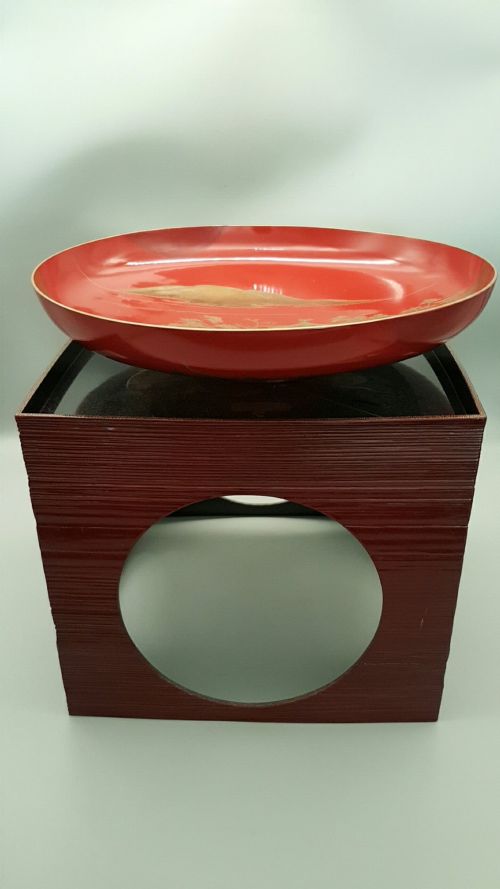
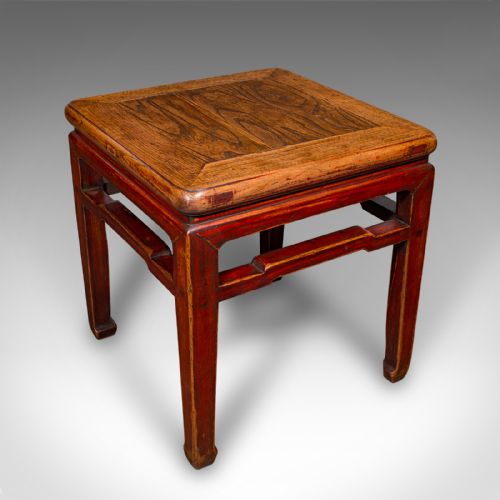
When searching for a meiji lacquer table, buyers encounter low tea tables, folding screens, and table cabinets originating from Japan during the late nineteenth and early twentieth centuries. These forms include the low kagetsudai sake table paired with cups, the chabudai tea table, and the larger bundai writing table designed for kneeling use.
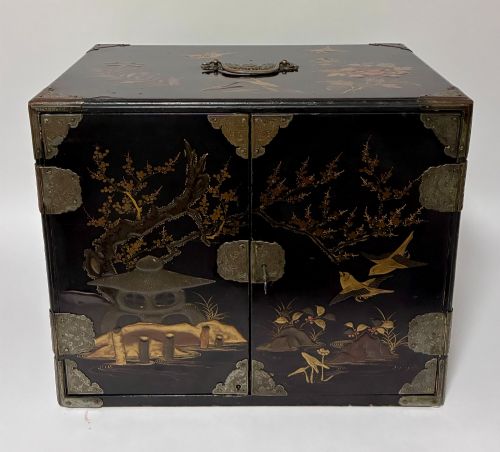
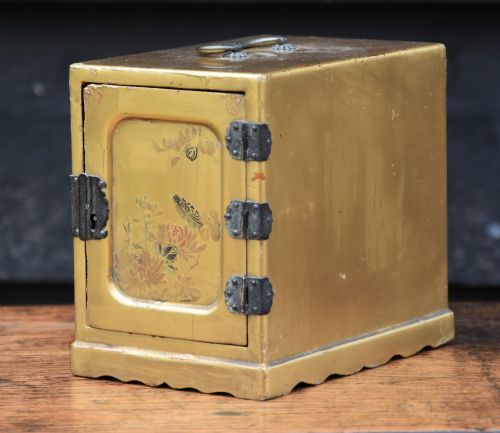
The selection also encompasses compact table cabinets such as the kodansu and shodana, alongside display tables and jardiniere stands influenced by the Victorian Aesthetic movement. Dating spans the nineteenth century through the 1920s, bridging the Meiji and Taisho periods with distinct export and Chinoiserie stylistic touches.
The items serve practical domestic roles as surfaces for tea, writing, or display, constructed from timber carcasses finished with deep black, red, or cinnabar lacquer layers. Collectors find both dedicated tables and smaller tabletop cabinets categorised together under this broad heading.
How they were made
Craftsmen built the core structures using wood and hardwood, preparing solid foundations for the subsequent application of multiple coats of lacquer. This resin medium provided a hard, glossy surface capable of taking rich pigments and metallic powders.
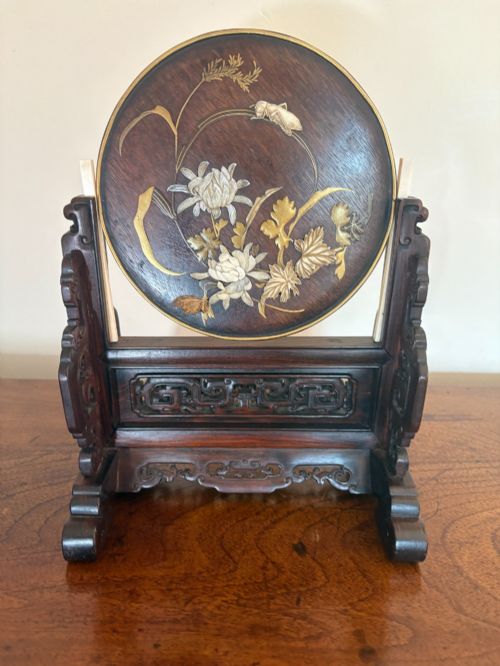
Makers integrated gold leaf to illuminate dark lacquer grounds with intricate landscapes, foliage, and geometric borders. Artisans enriched surfaces further through detailed inlays utilising bone, mother-of-pearl, and brass fittings to construct pictorial panels and secure structural joints.
Listings feature items spanning the 19th Century, Victorian period, 1900, 1910, and 1920, predominantly constructed from wood, lacquer, and gold leaf.
What varies in quality
The refinement of the surface decoration determines the distinction between standard export items and exceptional workshop pieces. Superior examples exhibit deep, unblemished lacquer layers combined with meticulously applied gold leaf and precise pictorial inlay work.
Structural integrity and the preservation of delicate bone or mother-of-pearl elements dictate the standing of each piece. Tables and cabinets retaining their original accompanying sets, such as matching sake cups, command higher regard among collectors.
Nakamura Shunetsu
The Meiji Lacquer Table Glossary
- Lacquer
- A durable varnish derived from tree sap, applied in successive coats to create a smooth, protective finish on wood. It forms the primary decorative medium for these tables and cabinets.
- Kagetsudai
- A traditional low Japanese table specifically utilised for serving sake and holding associated drinking cups. These items often appear alongside matched sets of sakazuki cups.
- Kodansu
- A small, portable table cabinet featuring multiple internal drawers and compartments for storing valuables or documents. They frequently display intricate gold-lacquer exteriors.
- Bundai
- A low writing table designed for use while kneeling on tatami mats, characterised by broad rectangular tops and short supports. They represent the formal writing furniture of the period.
- Shibayama
- A decorative inlay technique employing delicate pieces of shell, ivory, bone, and metal to create raised pictorial scenes on lacquer surfaces. This method adds significant visual texture to screens and panels.
Meiji Lacquer Table: Frequently Asked Questions
What is a meiji lacquer table used for?
These tables served various domestic functions in Japanese life, from low seating surfaces for taking tea and writing to serving stands for sake ceremonies. Smaller variants functioned as display furniture for decorative objects within the home.
Today, collectors utilise them as accent tables, display surfaces, or cabinet storage within interior settings. Their compact proportions allow them to fit easily into modern rooms while retaining distinct period character.
How do I date a meiji lacquer table?
Dating relies on stylistic indicators, construction methods, and materials recorded across the Victorian and early twentieth-century periods. Pieces span the late nineteenth century through the 1920s, encompassing Meiji and Taisho manufacturing eras.
Examine the hardware, the depth of the wood backing, and the complexity of the lacquer work to establish chronology. Export pieces often combine Japanese construction with stylistic adjustments tailored for European tastes during the Aesthetic movement.
How do I care for lacquer surfaces?
Lacquer requires gentle handling to prevent surface scratching and degradation from direct sunlight or excessive heat. Dusting with a soft, dry cloth preserves the polished finish without harming the underlying resin.
Avoid using chemical polishes, abrasives, or water, which can penetrate hairline fractures in the lacquer coating. Maintaining stable room humidity protects the underlying wood from expanding and cracking the finish.
What is the difference between a table and a cabinet?
Tables provide open flat surfaces for writing, serving, or displaying items, whereas cabinets incorporate enclosed storage compartments, doors, and internal drawers. Forms like the kodansu and shodana offer compartmentalised organisation for small objects.
Both categories utilise similar wood cores and lacquer finishing techniques. Often, small cabinets are designed to sit upon larger furniture or serve as tabletop display pieces.