




Victorian Japanese Plant Stand
These victorian japanese plant stand pieces bring the refined taste of the nineteenth-century Aesthetic Movement into modern rooms with distinct decorative presence.
Victorian Japanese Plant Stand
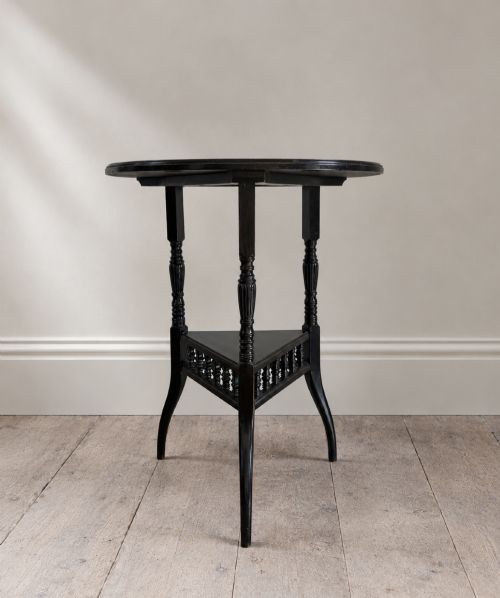
A victorian japanese plant stand takes the form of an occasional table, side table, or dedicated pedestal designed during the nineteenth century under the influence of Eastern design. Makers of this period drew heavily on Japanese Meiji aesthetics and Anglo-Japanese principles to create functional display surfaces.
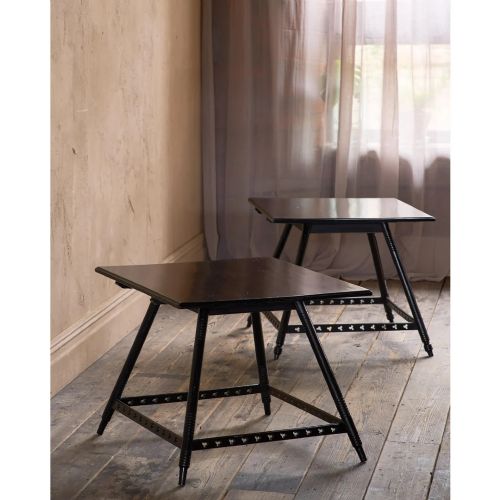
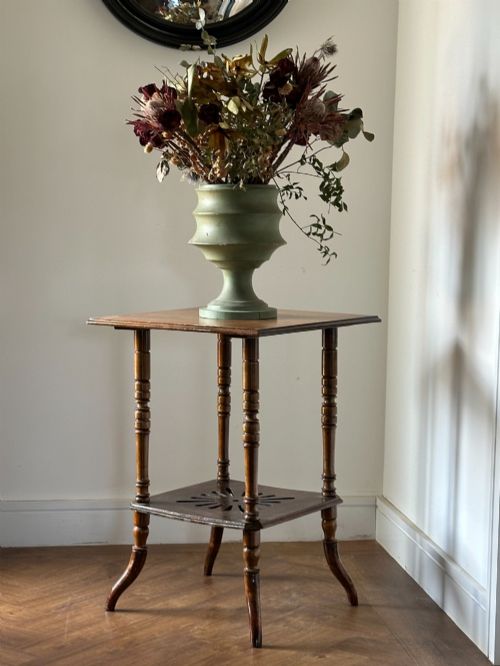
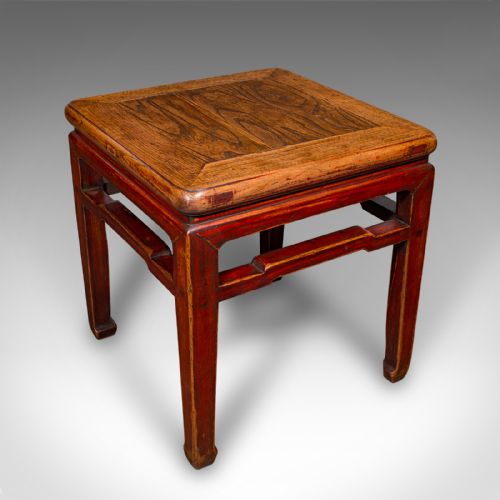
The pieces appearing on this page span the 1870s through to 1910, encompassing stylistic directions such as Japonisme, Arts and Crafts, and Chinoiserie. Forms range from round side tables and oval elm surfaces to multi-tiered stands and corner shelves.
Buyers seeking a victorian japanese plant stand will encounter standard occasional tables and jardiniere stands utilised for lamps, tea, or botanical displays. These items reflect the Victorian fascination with exoticism and imported craft traditions translated through British workshops.
How They Were Made
Construction relies upon a mixture of native and exotic timbers, predominantly ebonised wood, hardwood, mahogany, walnut, elm, and natural bamboo. Ebonising achieved a dark, dramatic finish intended to mimic Asian lacquer work.
Joinery techniques combined traditional British cabinet making with structural elements inspired by Japanese framing and bamboo construction. Lacquered panels, crossbanding, and turned supports complete the execution of these pieces.
Listings feature ebonised wood, mahogany, bamboo, and elm across pieces dated from the 1870s to 1910.
What Varies in Quality
Quality rests upon the fidelity of the design to notable late nineteenth-century ideals, such as those associated with E.W. Godwin or Liberty & Co., alongside the choice of timber and finish. Pieces employing solid ebonised hardwoods or finely lacquered bamboo panels sit higher in the range than simpler variants.
The refinement of the turning, the tightness of the joinery, and the preservation of the original surface patination dictate the desirability of an example. Attribution to a known maker or documented designer elevates the standing of a table within the market.
Liberty & Co.·Gabriel Viardot
The Victorian Japanese Plant Stand Glossary
- Ebonised
- Wood treated with a dark stain or finish to imitate ebony, widely favored in Aesthetic Movement furniture to contrast with lighter decorative objects. This technique creates a dense, uniform surface.
- Japonisme
- The influence of Japanese art and design on Western culture during the late nineteenth century. It shaped the decorative arts through asymmetrical compositions and natural motifs.
- Aesthetic Movement
- A late nineteenth-century British design movement that prioritized visual beauty over narrative or moral function. It championed simplicity and the integration of Asian art forms.
- Chabudai
- A short-legged traditional Japanese table used for serving tea or meals while kneeling. Examples found in Western contexts often reflect Meiji period export production.
Victorian Japanese Plant Stand: Frequently Asked Questions
How were these stands used originally?
These pieces served primarily to display potted plants, jardiniere bowls, or decorative items within nineteenth-century parlours and drawing rooms. Their elevated surfaces brought greenery and ornaments to eye level.
They also functioned as occasional tables for holding lamps, books, or tea sets, fitting easily into various corners of a reception room.
How do I distinguish Anglo-Japanese from Chinoiserie?
Anglo-Japanese pieces reflect the specific artistic dialogue between British designers and Japanese Meiji craft during the late Victorian era. They often feature clean geometric lines and ebonised finishes.
Chinoiserie draws upon earlier or broader Chinese motifs, typically incorporating lacquered panels, gilt detailing, and more ornate painted ornamentation.
Are bamboo stands structurally stable?
Bamboo pieces rely on the natural rigidity of the cane combined with internal dowels and secure binding at the joints. When kept in stable humidity, they offer surprising durability for supporting light display items.
Avoid placing excessively heavy objects or large planters filled with wet soil on bamboo surfaces to prevent structural strain over time.
How do I date a Victorian ebonised table?
Dating relies on examining construction methods, timber preparation, and stylistic markers associated with the Aesthetic Movement between 1870 and 1900. Hand-cut joints and period finishes offer reliable clues.
Design influences tied to specific architects like E.W. Godwin or retailers such as Liberty & Co. further help narrow the decade of production.