


Japanese Display Stand
A Japanese display stand brings together intricate carpentry and decorative arts, offering a deliberate stage for precious objects.
Japanese Display Stand
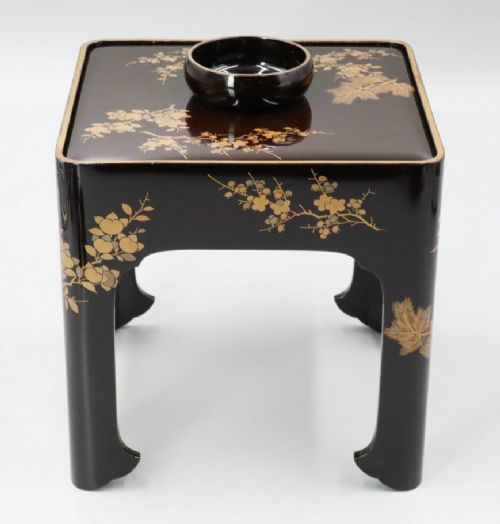
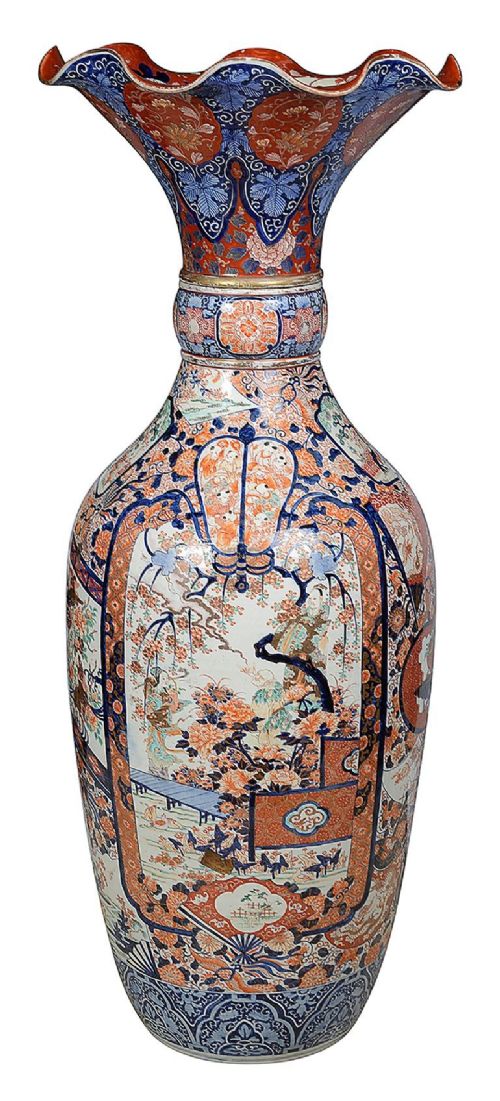
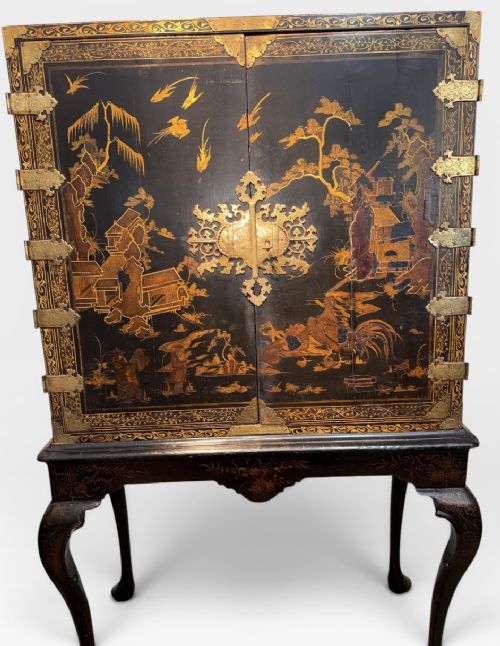
When you search for a japanese display stand, you encounter a variety of forms including plant stands, shodana cabinets, and occasional tables spanning the nineteenth and early twentieth centuries. These pieces emerge from periods such as the Meiji era, alongside Western interpretations influenced by the Aesthetic Movement and Liberty and Co.
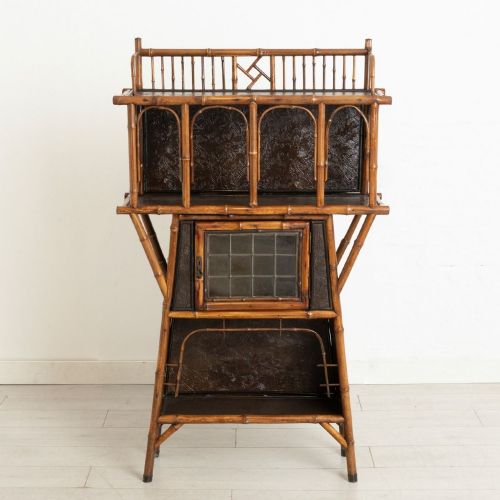
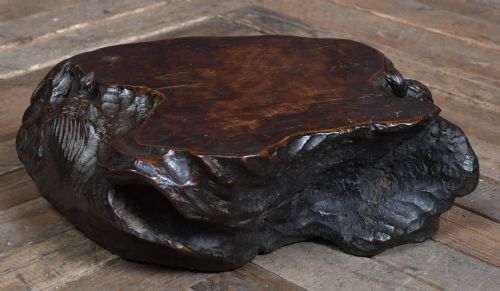
You most frequently meet bamboo or hardwood structures, often incorporating lacquer, marble tops, or carved details designed to hold ceramics and decorative items. The forms range from compact bonsai stands to tall plant supports and tiered occasional tables.
The selection reflects both direct imports from Japan and British adaptations from the Anglo-Japanese and Arts and Crafts circles. These objects served to display porcelain, plants, and curiosities in nineteenth-century interiors.
How they were made
Cabinetmakers and artisans constructed these stands using hardwoods such as mahogany, rosewood, elm, and walnut, alongside resilient bamboo. Surface decoration frequently involved black or cinnabar lacquer, gold leaf highlights, and mother of pearl inlay.
Carved elements display traditional motifs, while structural joins rely on careful hand woodworking techniques seen in both Japanese shodana cabinets and British Anglo-Japanese tables. In some instances, marble inserts provide a durable top surface for plants or vases.
What varies in quality
The distinction between ordinary and exceptional pieces rests on the depth of hand carving and the integrity of the materials. Masterwork cabinets and stands display refined joinery and detailed lacquerwork without weakness in the structure.
Attribution to known makers or retailers such as Liberty and Co or Gabriel Viardot elevates a piece through documented craftsmanship. Furthermore, the complexity of the tiers and the preservation of delicate finishes determine the standing of the work.
Leonard Wyburd for Liberty and Co·Liberty of London·Gabriel Viardot
The Japanese Display Stand Glossary
- Shodana
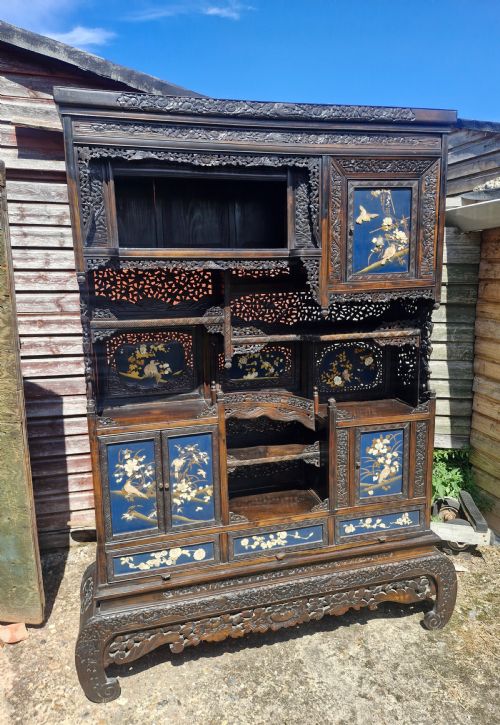
- A traditional Japanese tiered display cabinet featuring asymmetrical shelves and small cupboards. These pieces were designed for presenting scholarly objects and small decorative arts.
- Japonisme
- A Western term for the influence of Japanese art on European design during the nineteenth century. This movement inspired British makers to adopt asymmetric layouts and oriental motifs.
- Aesthetic Movement
- A nineteenth-century design philosophy prioritising beauty over narrative function. Furniture from this circle often utilised ebonised wood and gilt highlights.
- Cinnabar lacquer
- A technique involving multiple layers of red carved lacquer built upon a wooden base. It creates a rich, tactile surface with deep relief carving.
- Anglo-Japanese
- A style combining British furniture forms with Japanese decorative principles. It frequently integrated bamboo, black finishes, and subtle gilt ornamentation.
Japanese Display Stand: Frequently Asked Questions
What is a shodana cabinet?
A shodana is a Japanese tiered display cabinet designed with asymmetrical shelves and sliding doors. These pieces were utilised for showcasing small ceramics and precious ornaments.
They represent the pinnacle of Meiji period cabinetmaking, frequently combining carved wood with lacquer finishes.
How do I style a plant stand?
These antique stands were originally built to elevate large floor vases, jardinieres, or bonsai trees. Placing a ceramic vessel or a potted plant upon the top surface highlights the carved details of the wood.
Ensure the weight of the object matches the sturdy capacity of the bamboo or hardwood frame.
What is Anglo-Japanese furniture?
Anglo-Japanese furniture bridges nineteenth-century British cabinetmaking with Japanese aesthetic principles. Makers adopted ebonised woods, bamboo framing, and gilt highlights to mimic oriental imports.
These pieces reflect the profound enthusiasm for Japanese design during the Aesthetic Movement.
How do I date a lacquer stand?
Dating relies on examining the construction methods, the wood types, and the style of the lacquer decoration. Nineteenth-century examples often align with the Meiji period or the British Aesthetic Movement.
Makers' marks or retailer stamps from firms like Liberty and Co also provide clear chronological markers.