





Meiji Period Lacquerware
Meiji period lacquerware brings intricate craftsmanship and deep cultural heritage into your home, offering exquisite vessels, tables, and cabinets.
Meiji Period Lacquerware
When you search for meiji period lacquerware, you encounter a refined group of objects that span from the late nineteenth century into the early twentieth century. These pieces encompass functional vessels, small tables, and elaborate display cabinets designed for both domestic use and export.
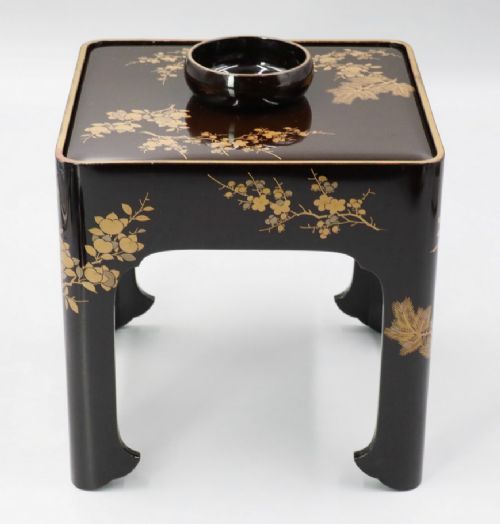
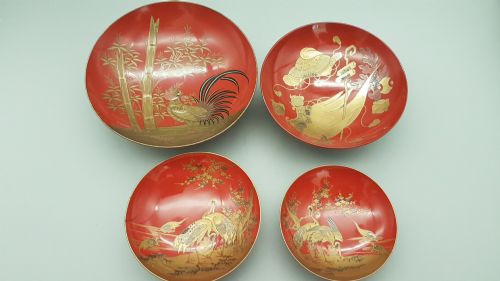
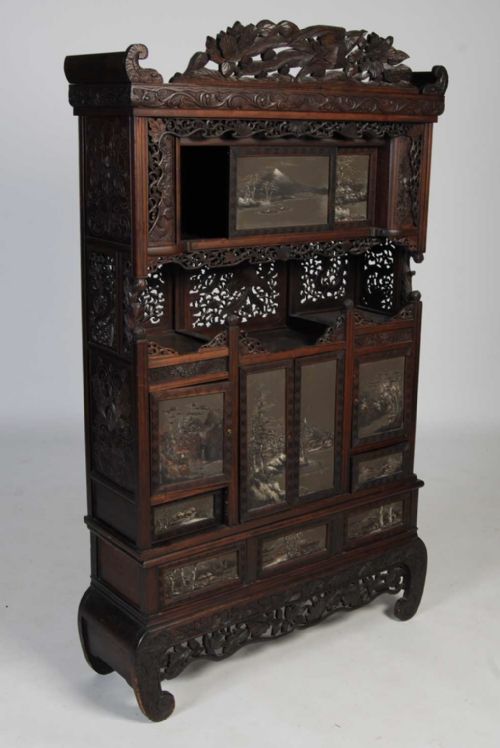
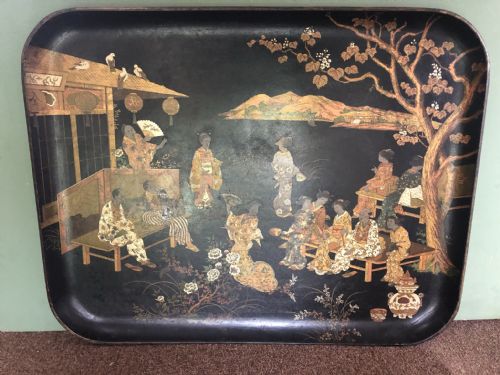
The items most frequently met on this page include sake sets featuring cups and stands, alongside decorative trays and porcelain vases finished with lacquer over paint. Cabinets, specifically shodana forms, also appear to demonstrate the period's diverse output in wood and hardwood.
Origins trace directly to Japan, capturing the transition of traditional aesthetics through the Meiji era and into the Taisho period. Collectors examine these forms to appreciate the dedication artisans applied to utilitarian and decorative objects alike.
Materials and methods
Makers utilised natural materials such as wood, hardwood, and urushi lacquer to build the foundations and surfaces of these items. Artisans applied layers of lacquer, sometimes combining it with gold leaf, inlay, and red lacquer accents to achieve rich, glossy finishes.
Certain objects incorporate porcelain bases underneath lacquer over-paint or employ papier-mâché for lightweight trays. These varied techniques allowed craftsmen to adapt traditional lacquer application across different object types, from delicate sake cups to sturdy cabinets.
Meiji Period Lacquerware Retail Price Guide 2026
Typical asking prices for meiji period lacquerware among the pieces listed under this phrase on Sellingantiques today, from the lower quarter to the upper quarter. They describe what is for sale here now, not the wider market.
Materials represented across the collection include gold leaf, urushi lacquer, hardwood, porcelain, and papier-mâché.
Evaluating the range
The distinction between standard items and exceptional examples lies in the precision of the surface finish and the complexity of the decorative execution. Pieces featuring meticulous gold leaf application or detailed inlay display a higher level of artisan investment.
Structural integrity also separates the categories, particularly in multi-component items like sake sets and cabinetry. Well-preserved surfaces with minimal loss to the delicate lacquer layers indicate superior initial creation and careful subsequent handling.
The Meiji Period Lacquerware Glossary
- Urushi lacquer
- Natural sap harvested from the lacquer tree, processed to create a durable, glossy coating that resists moisture and heat. It forms the protective and decorative skin of traditional Japanese pieces.
- Sake set
- A collection of vessels used for serving and drinking Japanese rice wine, typically comprising a table, a large cup or jug, and smaller cups. Sets from this era exhibit matching lacquer designs.
- Inlay
- The technique of embedding contrasting materials such as metal, shell, or ivory into the wood or lacquer surface. This adds texture and visual depth to the decoration.
- Japanese export
- Goods produced specifically for overseas markets during the nineteenth and early twentieth centuries. These items often combined traditional local craftsmanship with forms tailored to Western preferences.
Meiji Period Lacquerware: Frequently Asked Questions
How were lacquer cabinets used?
Cabinets such as the shodana were utilised in Japanese interiors to store and display small, valued possessions. Their numerous small compartments and shelves allowed for organised presentation.
In Western homes, these cabinets served a similar decorative function, often placed on stands to showcase Asian artistry and craftsmanship to guests.
How do I care for lacquerware?
Maintaining lacquerware requires keeping pieces away from direct sunlight and extreme humidity fluctuations, which can damage the delicate wooden or urushi surfaces. Dusting gently with a soft, dry cloth is usually sufficient for routine upkeep.
Avoid using chemical cleaners or abrasive materials that might scratch the glossy finish or degrade the underlying lacquer layers over time.
How can I tell the period?
Dating these items involves examining the materials, construction methods, and stylistic cues characteristic of late nineteenth and early twentieth-century Japanese production. Catalogues and expert descriptions often reference specific eras like the Meiji or Taisho periods.
Additionally, the presence of export markers or specific material combinations, such as lacquer applied over porcelain, helps narrow down the timeframe of manufacture.