





Asian Lacquerware
Asian antique lacquerware comprises wooden and papier-mâché objects built up with natural tree sap and finished with carving, gilding or inlay.
Asian Lacquerware
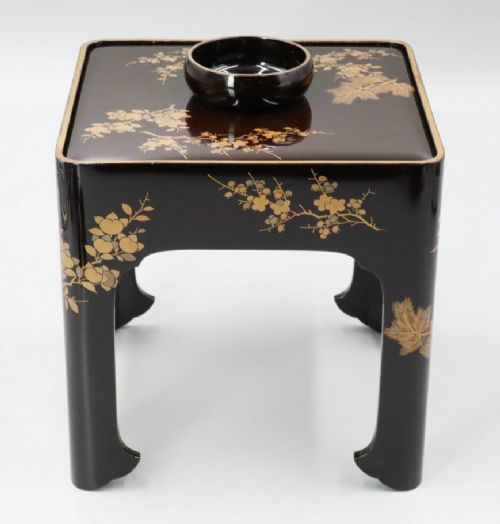
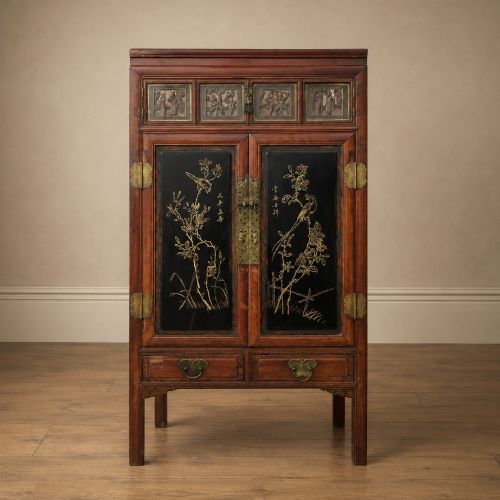
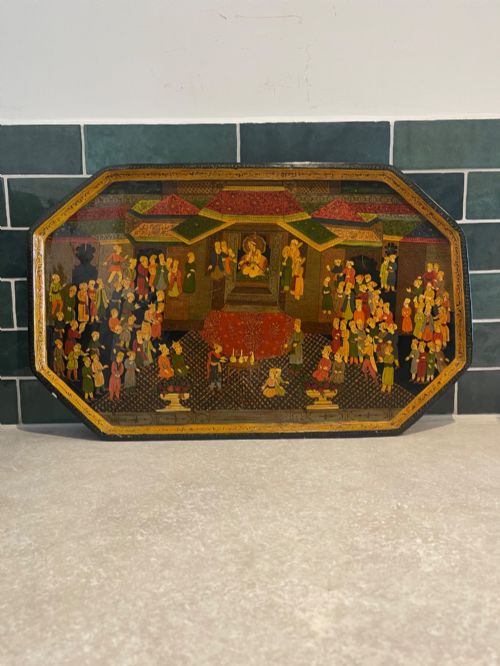
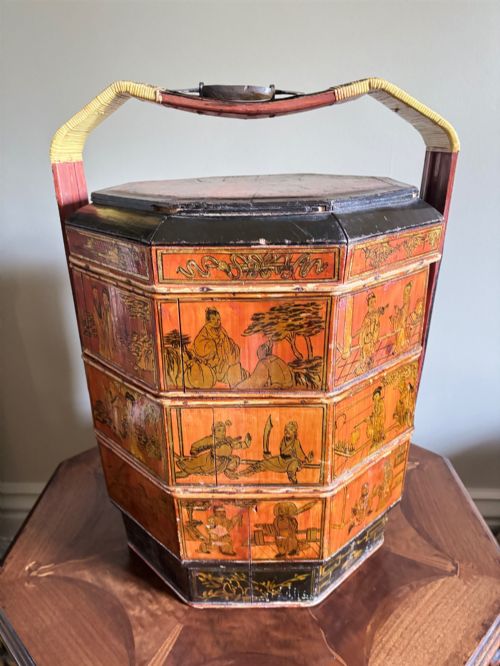
When you search for asian antique lacquerware, you encounter a diverse array of items originating from China, Japan, Burma, India and Kashmir spanning the eighteenth to the early twentieth century. The selection ranges from intricate storage vessels and tableware to substantial furniture pieces such as cabinets, side tables and dowry baskets.
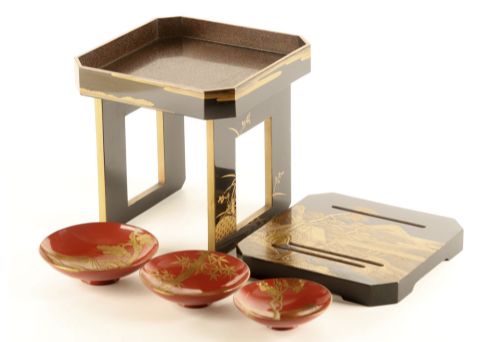
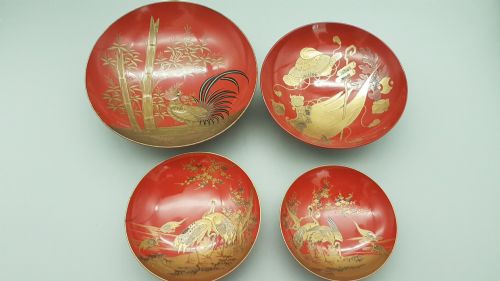
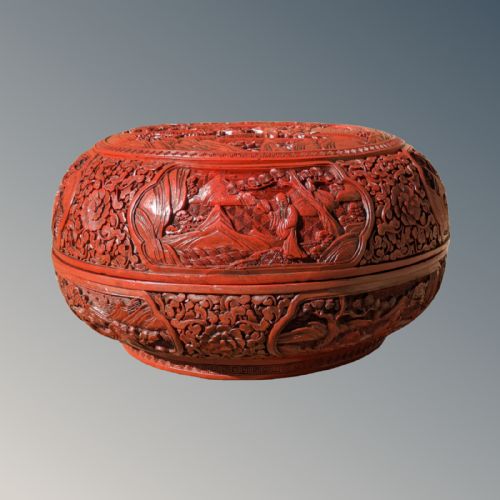
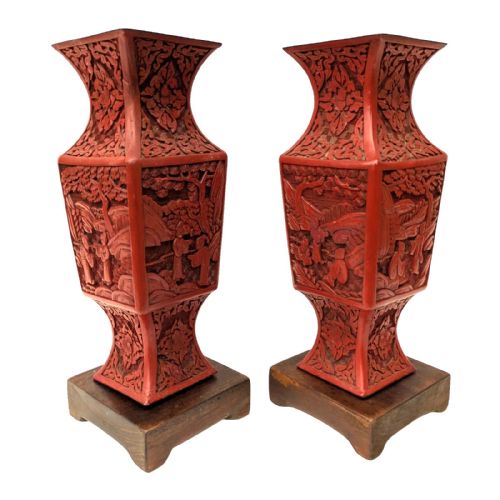
The most common forms on this page include Japanese sake cups and sets alongside Chinese cinnabar boxes, red and black lacquer cabinets and large temple vases. Burmese tables and Kashmiri trays also appear, reflecting the wide geographical spread of Asian lacquer traditions.
Objects date primarily from the nineteenth century through to the Taisho and Meiji periods of the early twentieth century. Buyers select these pieces for their decorative presence, historical craftsmanship and utility in contemporary interiors.
How they were made
The foundational structure of these pieces is typically wood or papier-mâché, upon which artisans applied successive coats of natural urushi or regional lacquer sap. Each layer required careful drying and polishing before subsequent application.
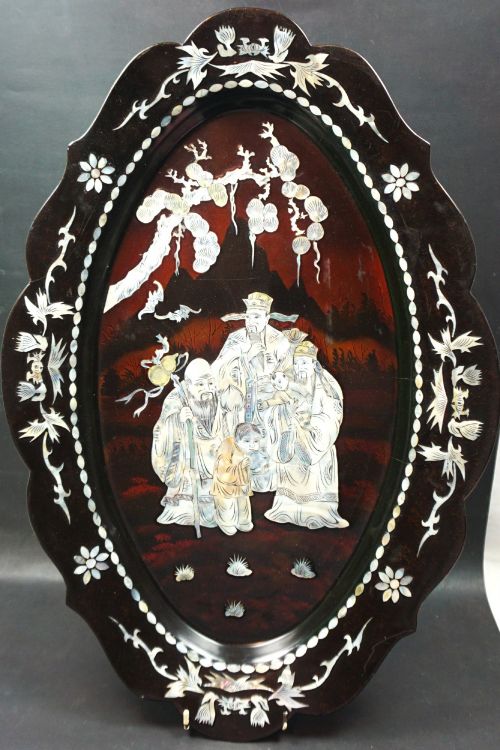
Decoration involved carving into thick layers of cinnabar lacquer, applying gold leaf, or embedding materials such as mother-of-pearl. Some examples incorporate hand-painted details over black paint or brass elements.
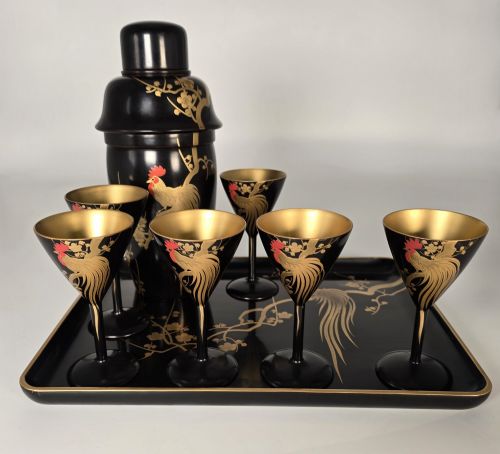
Export pieces from China and Japan combined traditional local techniques with forms tailored for Western markets, such as cocktail sets, export fans and large decorative platters.
Listings feature items from the eighteenth, nineteenth and early twentieth centuries, including the Meiji, Taisho and Qing dynasties.
What varies in quality
Quality rests upon the depth and stability of the lacquer ground and the precision of the carving or inlay work. Thickly built cinnabar layers with crisp, deep relief carving distinguish finer boxes and vases from simpler pressed or thinly coated wares.
The integrity of the wooden or papier-mâché substrate dictates structural longevity. Pieces that retain their original gilt highlights, undisturbed gold leaf and well-fitted lids demonstrate superior original execution and careful subsequent preservation.
The Asian Lacquerware Glossary
- Cinnabar lacquer
- A heavy, carved red lacquer coloured with mercuric sulphide. Artisans built up numerous layers to allow deep relief carving of figurative and floral motifs.
- Urushi lacquer
- The natural sap of the Toxicodendron vernicifluum tree used across East Asia. It hardens into a durable, moisture-resistant surface when cured in high humidity.
- Meiji period
- The era of Japanese history lasting from 1868 to 1912. Pieces from this time often exhibit refined export lacquerwork including cabinets, trays and sake sets.
- Qing Dynasty
- The final imperial dynasty of China, spanning from 1644 to 1912. Many cabinets, wedding baskets and cinnabar pieces originate from this extended period.
- Shodona
- A traditional Japanese tabletop cabinet featuring asymmetrical shelving and small doors. These items showcase elaborate lacquer panels and export craftsmanship.
Asian Lacquerware: Frequently Asked Questions
How do I clean antique lacquerware?
Dust surfaces gently with a soft, dry microfibre cloth. Avoid all commercial polishes, solvents and water.
Keep pieces away from direct sunlight and radiators to prevent the wood underneath from drying and cracking the lacquer surface.
Can I use these trays and boxes daily?
Most decorative boxes and trays tolerate light daily use such as holding small items or dry objects. Avoid placing damp or hot items directly onto antique lacquer.
Sake sets and barware from the early twentieth century were made for service, but gentle handling preserves their delicate painted details and gold leaf.
How do I distinguish Chinese from Japanese lacquer?
Chinese pieces often feature deep, heavy carved cinnabar or dark cabinets with elaborate mother-of-pearl inlay. Japanese items frequently display refined Meiji period gold hiramie work, delicate sake cup sets and fine-lined painting.
Materials and motifs offer further clues, with Chinese works frequently showing imperial symbols and Japanese pieces depicting natural scenes.
What is the difference between cinnabar and standard lacquer?
Cinnabar lacquer involves building up dozens of thick layers of red lacquer before carving the design directly into the hardened material. Standard lacquer may consist of black or coloured coats with painted, inlaid or gilded decoration on the flat surface rather than deep carved relief.