


Inlaid Lacquer Tray
An inlaid lacquer tray brings layered depth and lustrous sheen to a room, offering a durable surface for serving or display.
Inlaid Lacquer Tray
An inlaid lacquer tray combines polished painted finishes with shell or metal additions, forming robust surfaces designed for domestic service and display. When you search for an inlaid lacquer tray, you encounter pieces intended for serving drinks, holding correspondence, or organising dressing tables.
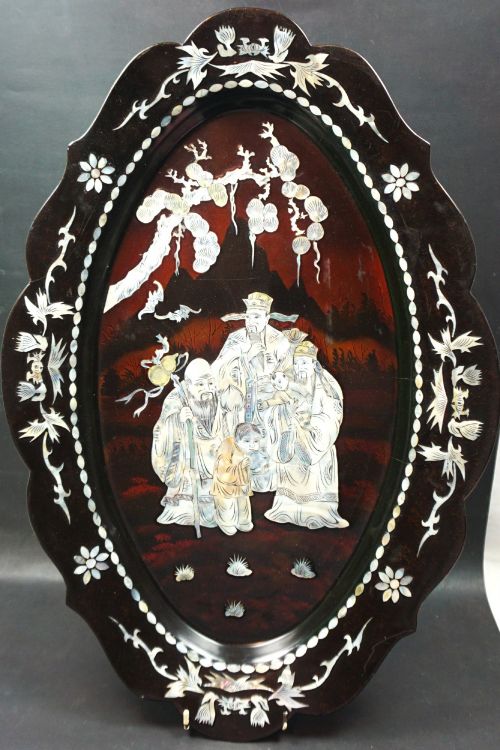
The selections span distinct historical eras, ranging from Georgian and Victorian English pieces to Chinese Qing Dynasty examples. Papier-mâché and wood form the foundational bases for these objects, frequently complemented by detailed painting and mother-of-pearl embellishments.
Victorian items dominate the selections, often taking the form of large oval serving trays, waiters, card baskets, and desk accessories. Alongside these, specific items such as George V ebonised boxes with trays and Chinese lacquered platters appear in the inventory.
Construction and materials
Papier-mâché provides a lightweight yet sturdy core for many English examples, built up from layers of paper pulp and glue before receiving multiple coats of dark lacquer. Wood also serves as a primary material, particularly in larger platters and Chinese export pieces.
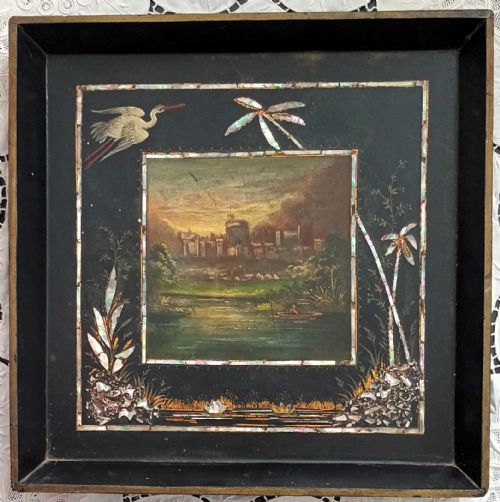
Mother-of-pearl inlay is meticulously embedded into the wet or softened lacquer surface, creating shimmering pictorial or geometric motifs that catch the light. Gold leaf and fine paintwork frequently highlight the borders and central scenes, adding contrast to the dark ground.
The listings feature papier-mâché, wood, and mother-of-pearl across periods spanning the Georgian era, the nineteenth century, and the 1920s.
Distinguishing quality in craftsmanship
The fineness of the mother-of-pearl inlay marks the primary distinction between standard items and superior works, with hand-cut, intricately engraved shell displaying greater artistic control. Smoothness of the final lacquer polish and the preservation of delicate gold leaf details further elevate a piece.
Structural integrity in the papier-mâché or wooden core dictates longevity, as warping or heavy surface crazing diminishes the visual impact of the decorative scheme.
The Inlaid Lacquer Tray Glossary
- Papier-mâché
- A composite material made from paper pulp or layers of paper pasted together, dried, and hardened to form a rigid shape suitable for lacquering. This technique yields surprisingly tough objects that resisted the warping common in solid wood.
- Mother-of-pearl
- The iridescent inner layer of certain mollusc shells, shaped and embedded into lacquer surfaces to catch the light. Craftsmen valued its ability to reflect iridescent greens, pinks, and blues against dark backgrounds.
- Waiter
- A small tray or salver used by servants for carrying glasses, letters, or visiting cards. In Victorian households, these portable surfaces moved constantly between reception rooms.
- Ebonised
- Wood treated with a dark finish to imitate expensive ebony. This process gives a uniform, glossy black appearance that highlights inlaid shell or gilt decoration.
Inlaid Lacquer Tray: Frequently Asked Questions
How do I clean an inlaid lacquer tray?
Dust the surface gently with a soft, dry microfibre cloth to prevent scratching the delicate finish. Avoid using water, alcohol, or modern chemical cleaners, as these substances damage historical lacquer and lift old inlays.
For stubborn marks, breathe lightly on the surface and wipe immediately with a dry cloth. Keeping these pieces away from direct sunlight and high humidity preserves the stability of both the lacquer and the shell.
Were these trays used for serving food?
Most historical examples served primarily for displaying objects, holding letters, or carrying empty glassware rather than presenting hot food or wet items. The lacquer and papier-mâché materials react poorly to excessive moisture and heat.
Using them for dry decorative arrangements or holding desktop accessories aligns with their original domestic purpose in nineteenth-century parlours.
How can I tell a Victorian tray from a Chinese export piece?
Victorian English pieces typically utilise papier-mâché bases with floral motifs, architectural subjects like Windsor Castle, or geometric gilt borders. Chinese export items, such as those from the Qing period, usually feature solid wood cores and traditional figurative or landscape scenes.
The weight and rigidity of the base material offer immediate clues to the geographical origin of manufacture.
Can I display these trays vertically on a wall?
Many larger trays feature sufficient structural strength to be mounted securely using specialised, non-damaging display brackets that support the entire base. Ensuring the weight distributes evenly prevents stress fractures along the edges of papier-mâché or wood.
Mounting them away from heat sources and direct sunlight protects the integrity of the lacquer surface over time.