




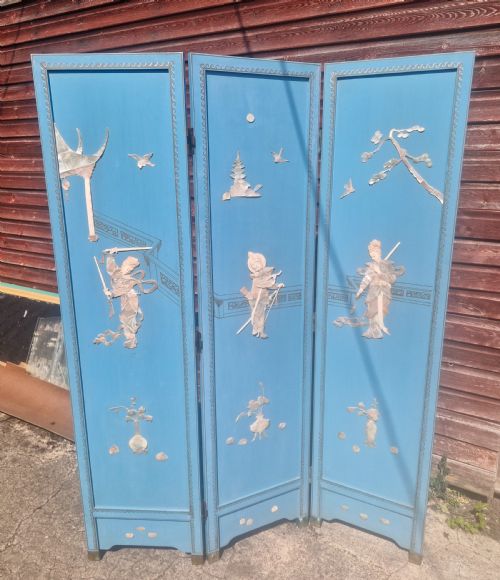


Chinese Mother of Pearl
Chinese mother of pearl pieces combine rich timbers and iridescent marine shells to create striking furniture and decorative objects.
Chinese Mother of Pearl
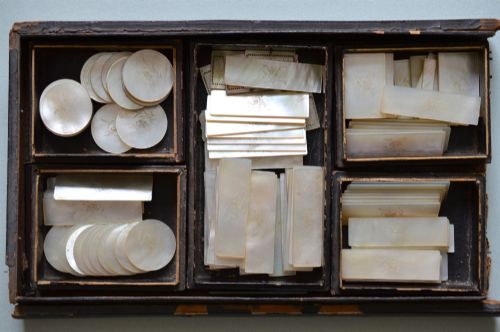
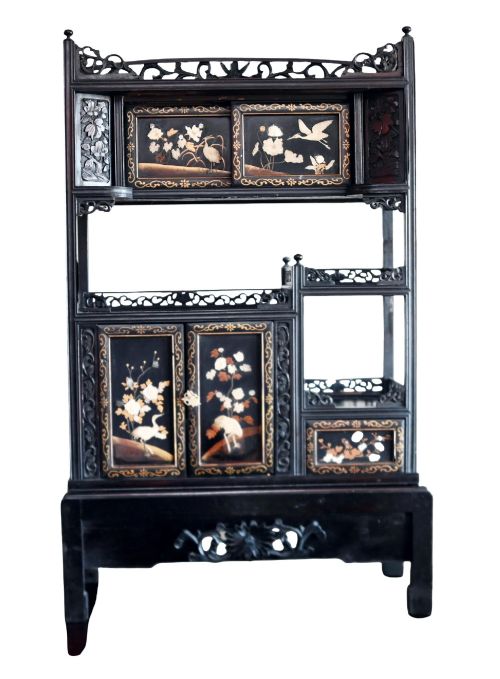
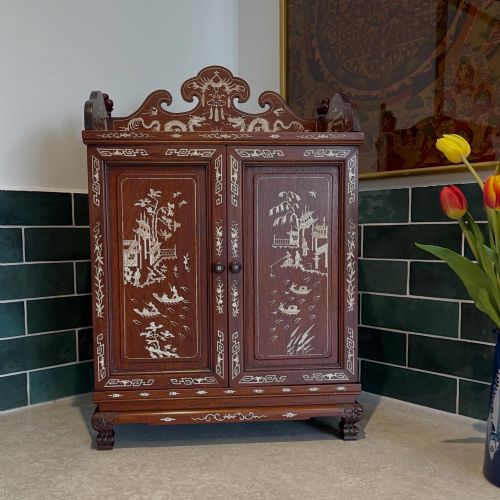
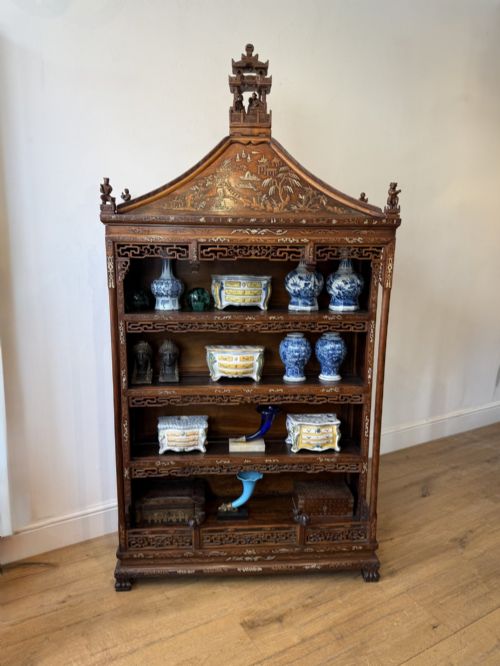
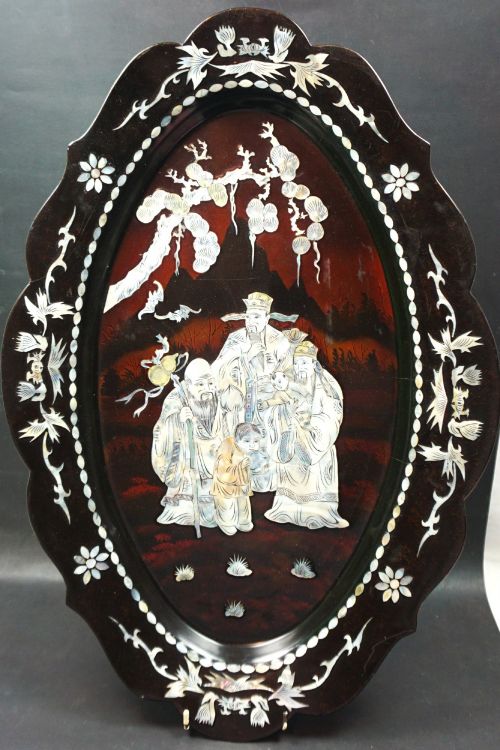
When you search for chinese mother of pearl, you encounter a diverse array of items ranging from substantial items of furniture such as centre tables, display cabinets, and benches to smaller decorative objects like boxes, trays, and gaming counters. These pieces span the nineteenth and early twentieth centuries, reflecting Qing Dynasty traditions alongside Chinese Export production.
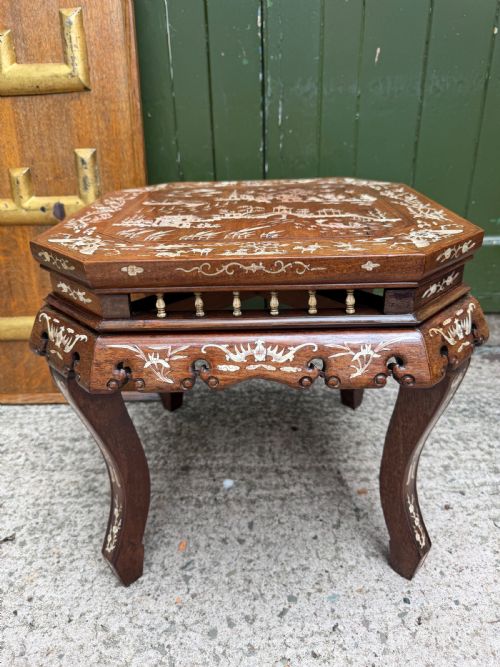
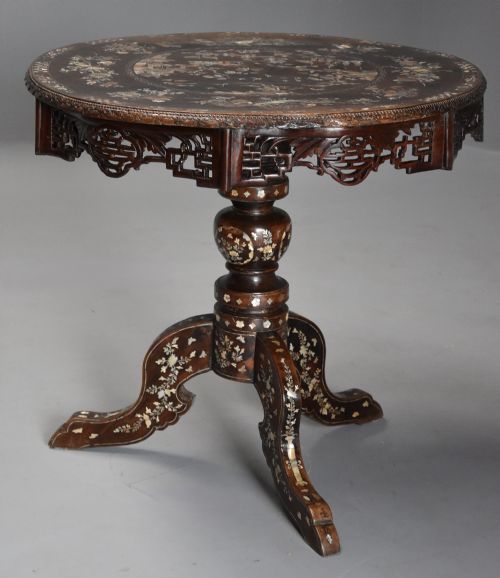
You are most likely to meet hardwood items inlaid with iridescent shell fragments, particularly tables, plant stands, and occasional furniture. The darker tones of dense timbers provide a strong contrast to the shimmering marine material embedded within the surfaces.
Alongside furniture, smaller decorative items appear regularly. Snuff boxes, panel screens, and gaming counters demonstrate the versatility of the material across both functional household goods and decorative accessories.
Materials and Technique
Craftsmen utilised dense timbers such as rosewood, hongmu, padouk, and lacquered wood as the primary structural foundations for larger furniture pieces and smaller boxes. These heavy woods were carved, polished, and jointed to receive delicate inlays.
Mother of pearl and abalone shell were meticulously cut into thin, flat sections depicting figures, birds, foliage, and geometric patterns. These pieces were then pressed into hand-cut recesses within the wood and secured with resin or adhesive.
Surface treatments often involved layers of dark lacquer, polish, or wax to protect the timber and accentuate the natural lustre of the inlaid shell. Additional details were sometimes etched directly onto the shell surfaces to create texture and depth.
Chinese Mother of Pearl Retail Price Guide 2026
Typical asking prices for chinese mother of pearl among the pieces listed under this phrase on Sellingantiques today, from the lower quarter to the upper quarter. They describe what is for sale here now, not the wider market.
Victorian households loved mother of pearl so much they even inlaid it into tea caddies, gambling chips, and calling card cases.
Assessing Quality
The precision and complexity of the inlay work distinguish finer examples from standard production. Superior pieces feature tightly fitted shell fragments with hand-engraved surface details that depict intricate scenes without gaps or excessive filler.
The choice of structural wood influences the overall character and durability of each piece. Heavier, dense timbers like hongmu and rosewood provide stability and rich grain patterns that elevate the status of tables, cabinets, and chairs.
The depth of design and integration between shell and timber reveal the skill of the maker. Master craftsmen achieved a smooth, unified surface where the iridescent inlay feels structurally integral to the carved wood rather than merely applied.
The Chinese Mother of Pearl Glossary
- Hongmu
- A dense, dark tropical hardwood traditionally utilised in fine Chinese furniture construction. Its heavy weight and rich colour provide an ideal dark background for shimmering shell inlays.
- Padouk
- A durable reddish-brown timber frequently employed in crafting tables and consoles. The wood accepts fine carving and holds inlaid shell securely.
- Abalone
- A marine mollusc shell related to pearl oysters, featuring deep blue and green iridescent hues. It is often combined with white mother of pearl to add colour variety to pictorial inlay scenes.
- Cheval mirror
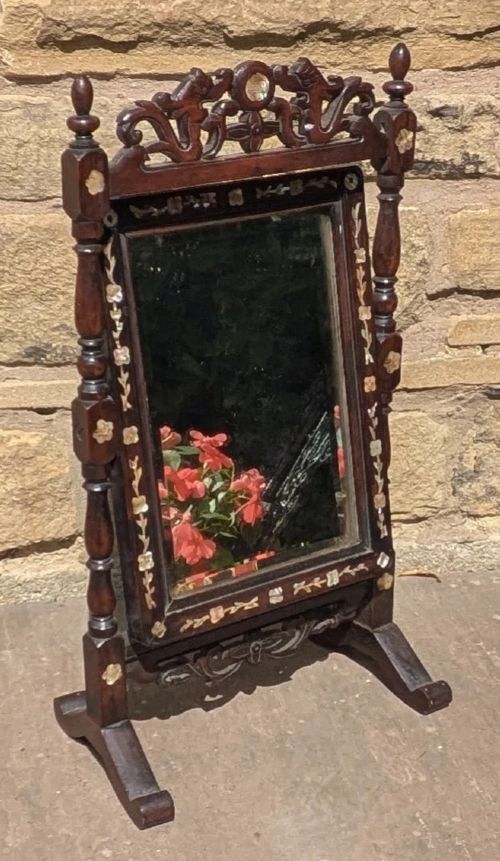
- A freestanding full-length mirror mounted on a pivoting frame between two upright posts. These items allow the glass to tilt at various angles.
- Gaming counters
- Small flat tokens carved from mother of pearl, historically used for keeping score during card games and social pastimes. They often feature intricate pierced borders and engraved monograms.
Chinese Mother of Pearl: Frequently Asked Questions
Were these pieces made for export?
Many items produced during the nineteenth and early twentieth centuries were specifically tailored for Western markets under the banner of Chinese Export goods. These objects blended traditional Eastern woodworking techniques with forms suited to European and American interiors.
At the same time, similar styles remained popular within domestic Asian settings. The resulting cross-cultural appeal accounts for the wide distribution of tables, screens, and cabinets found today.
How do I date an inlaid table?
Examine the construction methods, joinery, and timber species to determine the approximate age of a piece. Nineteenth-century examples often display hand-cut joinery and heavy tropical hardwoods like hongmu or rosewood.
Later pieces from the early twentieth century may incorporate different manufacturing tolerances or machine assistance. Comparing the style of the carved motifs with documented Qing Dynasty periods helps narrow down the timeframe.
Can I use a plant stand daily?
Sturdy plant stands and occasional tables are structurally capable of supporting everyday decorative objects. However, protecting the polished timber and shell inlay from standing water is essential to prevent permanent staining or warping.
Using saucers beneath potted plants and placing felt pads underneath heavy items safeguards the antique surface. Regular rotation away from direct sunlight also prevents uneven fading of the lacquer and wood.