

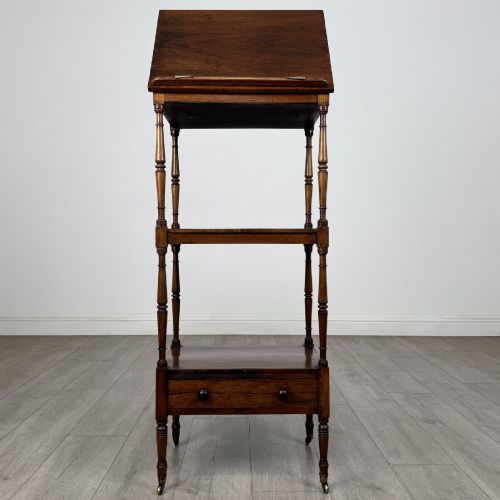


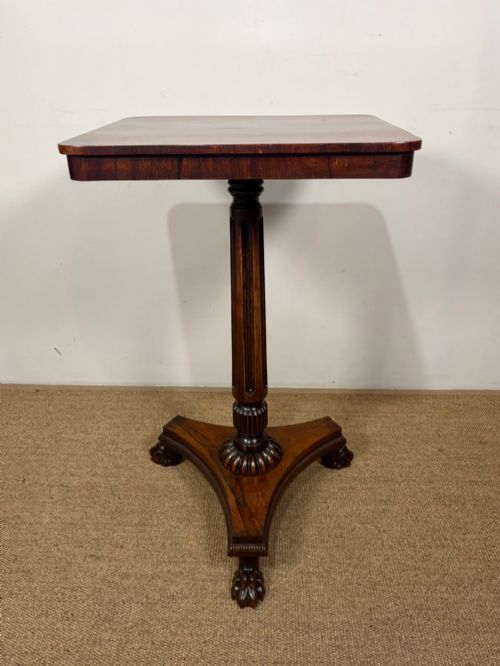
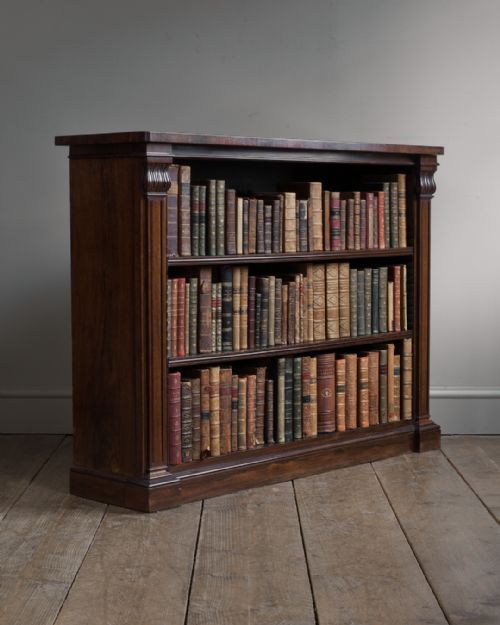
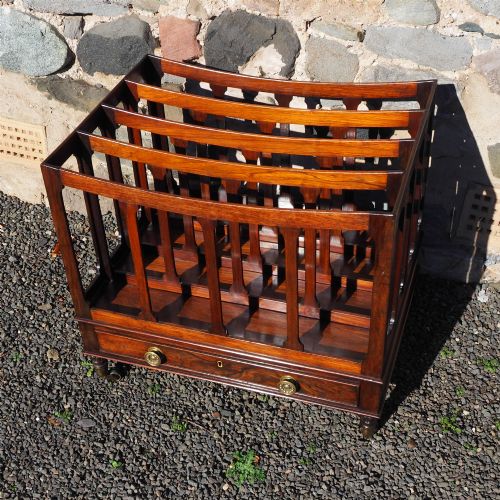
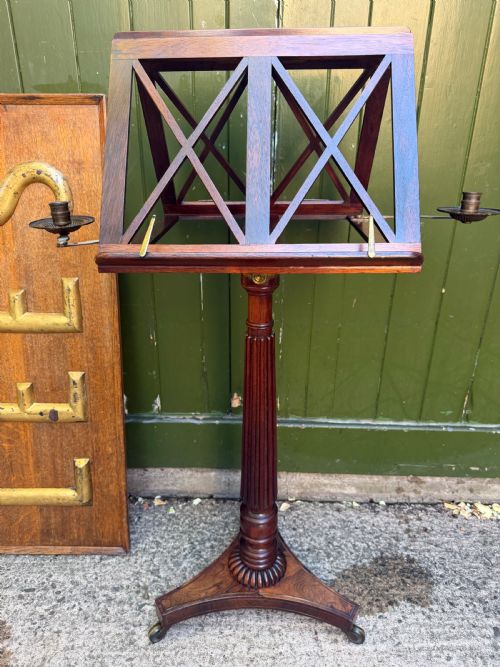

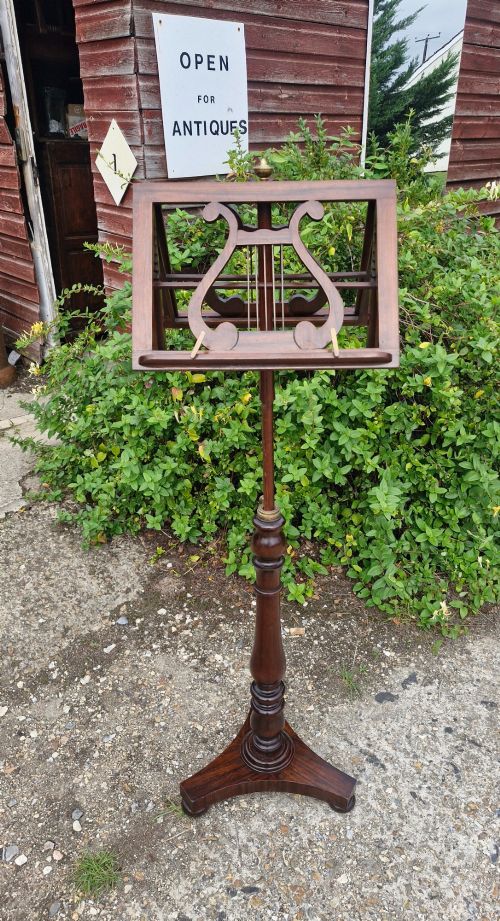
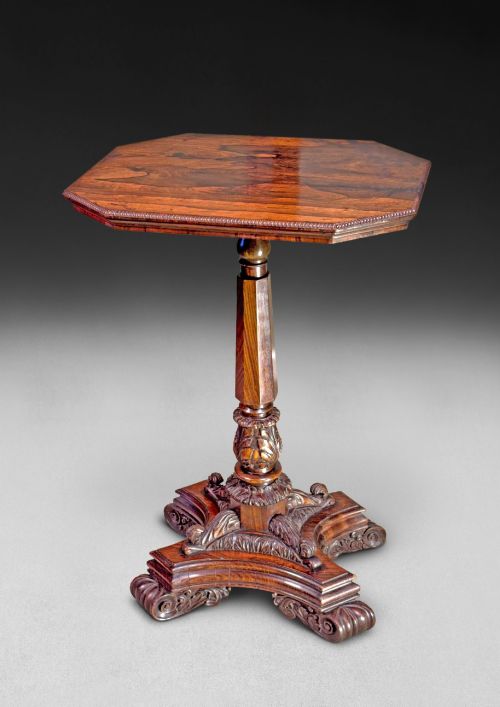

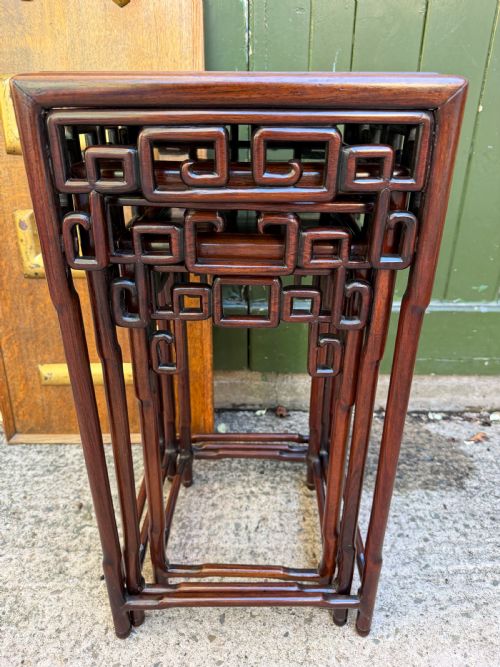
Dark Rosewood Stand
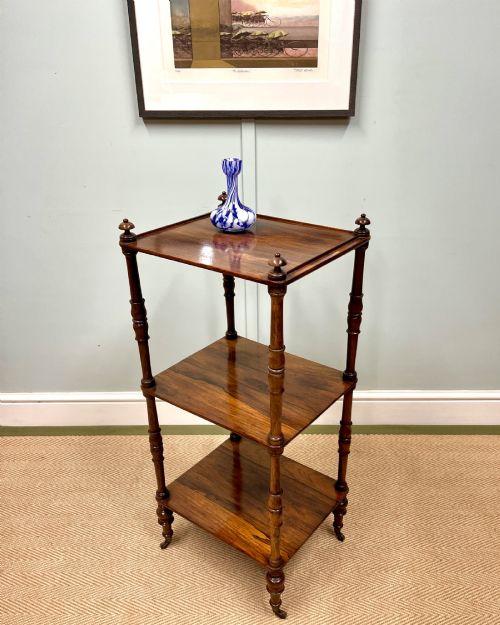
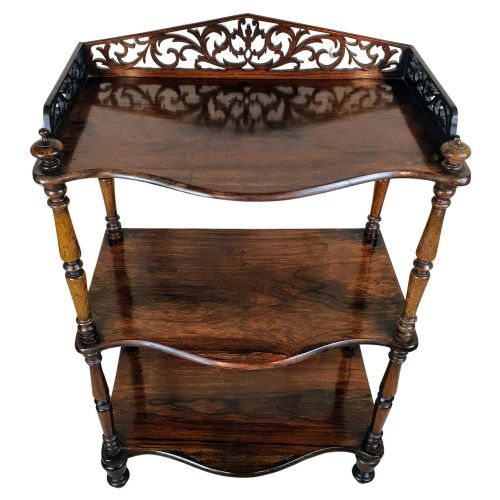
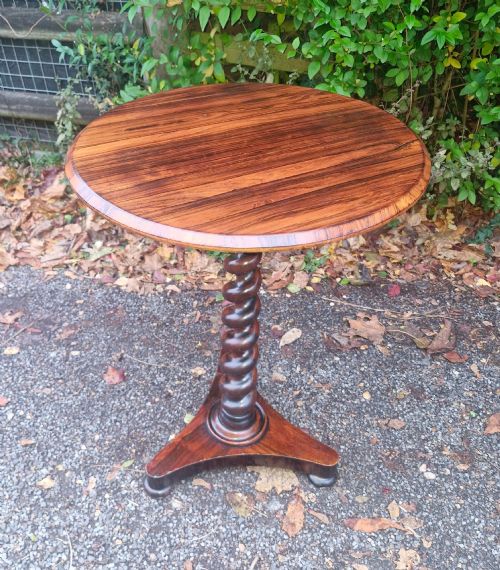
A dark rosewood stand provides a dense timber support for books, plants or display objects, bringing rich grain and deep colour into a room.
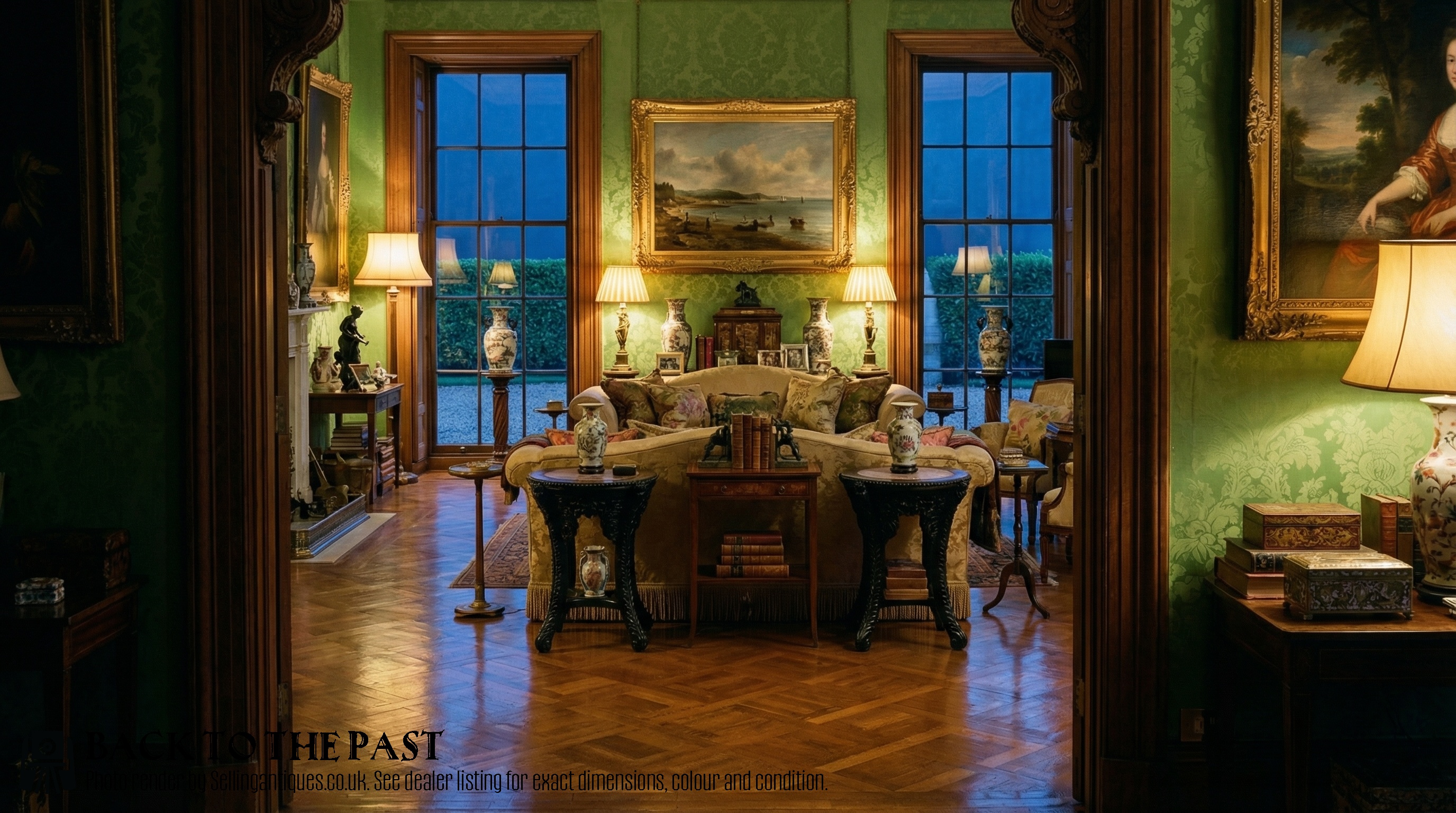
Dark Rosewood Stand
When buyers search for a dark rosewood stand, they encounter a variety of multi-purpose furniture forms designed to hold objects, books, or plants. The selections here span the nineteenth and early twentieth centuries, encompassing periods from the Regency and William IV eras through the Victorian and Edwardian periods.
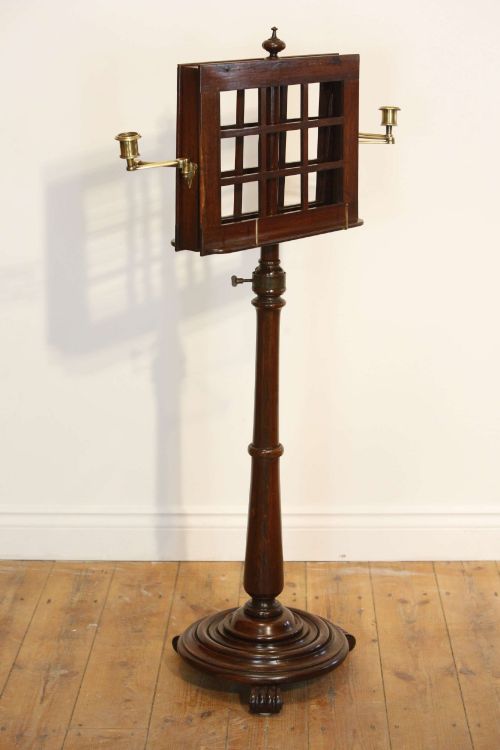
The objects take many forms, most frequently appearing as plant stands, low tables, occasional tables, and book or reading stands. Alongside British and European examples, listings include Chinese export pieces, Anglo-Indian items, and French pieces.
The materials reflect a global trade in dense tropical hardwoods, often paired with contrasting elements like marble, brass, or mother of pearl inlay. Buyers are most likely to meet nineteenth-century tables, stands, and smaller display items that utilise rosewood as the primary timber.
What varies in quality
Quality rests upon the crispness of the carving, the precision of any inlay work, and the structural integrity of the timber used. Pieces attributed to notable workshops or makers display superior joinery and more refined proportions than standard commercial output.
The choice of secondary materials, such as heavy inset marble tops or fine brass fittings, separates standard utility items from finer decorative examples. The handling of the rosewood grain and the subtlety of the finish indicate the level of care taken during construction.
Dark Rosewood Stand Retail Price Guide 2026
Typical asking prices for dark rosewood stand among the pieces listed under this phrase on Sellingantiques today, from the lower quarter to the upper quarter. They describe what is for sale here now, not the wider market.
Materials appearing across the current selection include rosewood, marble, brass, mother of pearl, teak, and ormolu.
Collinson & Lock·Liberty & Co·Lesage·George Bullock·Gillows
The Dark Rosewood Stand Glossary
- Rosewood
- A dense, heavy timber prized for its dark colour and pronounced grain figures. It was widely utilised across nineteenth-century cabinet making.
- Etagere
- A set of open shelves for displaying small objects or ornaments. These tiered pieces often stand on slender upright supports.
- Canterbury
- A low piece of furniture fitted with upright partitions for holding sheet music, books, or portfolios. Originating in the eighteenth century, they frequently incorporate carrying handles.
- Whatnot
- A piece of freestanding furniture consisting of multiple open shelves supported by pillars. They were designed for the display of ornaments and books.
- Ormolu
- Gilt bronze mounted onto furniture as decorative feet, handles, or gallery edging. It provides a metallic contrast to dark tropical hardwoods.
Dark Rosewood Stand: Frequently Asked Questions
What is a dark rosewood stand used for?
These pieces function as surfaces for display, reading, or holding plants and books within domestic spaces. Their compact proportions allow them to sit beside seating or in corners.
Historically, specific forms like reading stands or music stands served dedicated domestic tasks, while low tables and plant stands held decorative items.
How do I identify a Regency period stand?
Regency items generally date from the early nineteenth century and display classical restraint, clean lines, and architectural proportions. They often feature restrained brass mounts or ring-turned legs.
Turn to secondary woods and construction methods to confirm the period, as Regency pieces predate later Victorian mass production.
Are Chinese export stands made of rosewood?
Many nineteenth-century Chinese export items utilise dense Asian hardwoods often grouped with rosewood. These pieces frequently feature carved aprons, inset marble tops, or mother of pearl inlay.
They reflect international trade styles produced specifically for Western markets during the late nineteenth and early twentieth centuries.
How should I care for rosewood furniture?
Keep timber pieces away from direct heat sources and strong sunlight to prevent the wood from drying out and splitting. Regular dusting with a dry, soft cloth helps maintain the finish.
Avoid using silicone-based polishes, as they can build up on the surface and dull the natural grain of the rosewood over time.