


Hongmu Marble Urn Stand
These hongmu marble urn stand pieces are solid hardwood display tables set with smooth stone, built to elevate heavy ceramic vessels in a traditional interior.
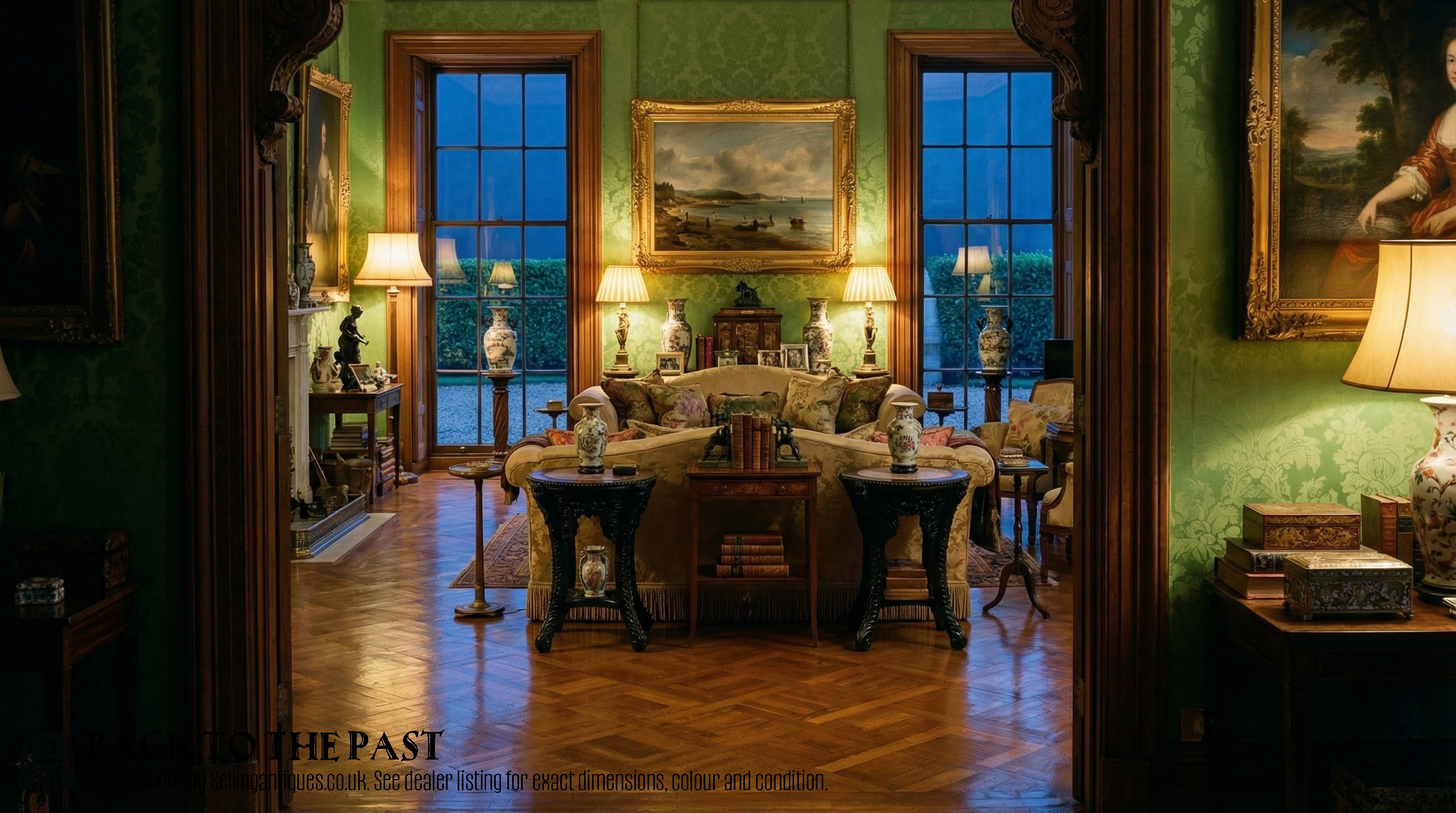
Hongmu Marble Urn Stand
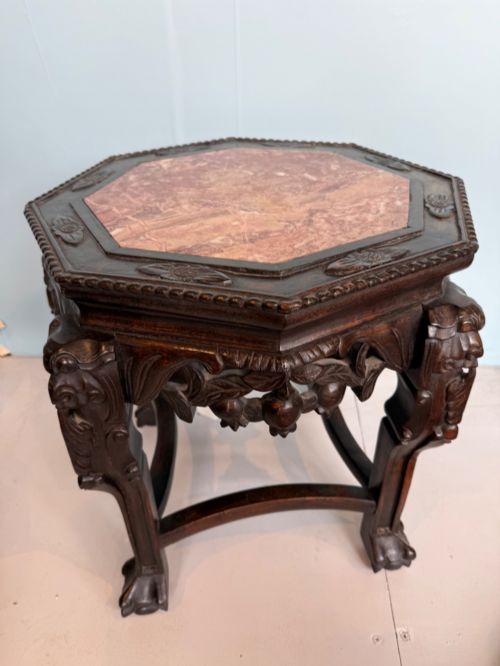
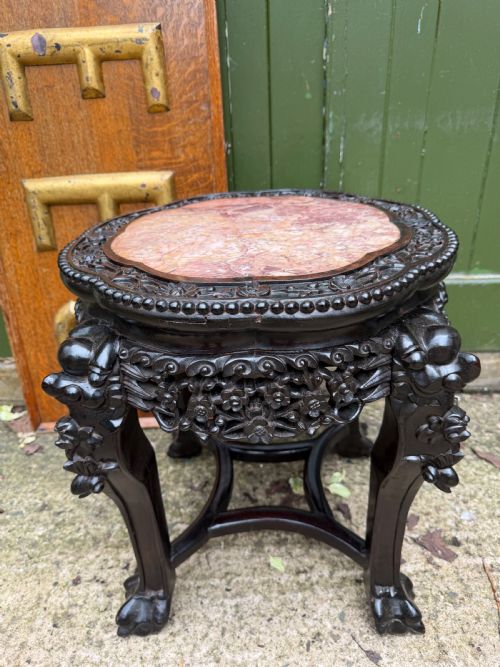
A hongmu marble urn stand is typically encountered as a carved hardwood display table featuring an inset stone panel at its centre. These pieces function primarily as plant stands, jardiniere supports, and occasional side tables within domestic spaces.
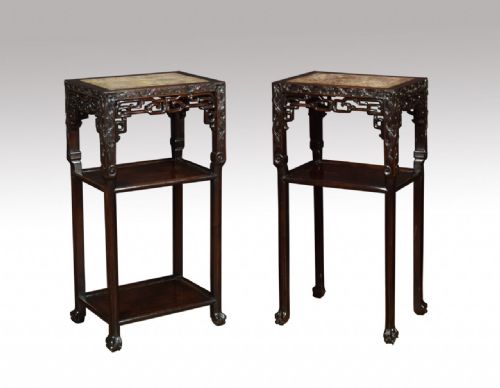
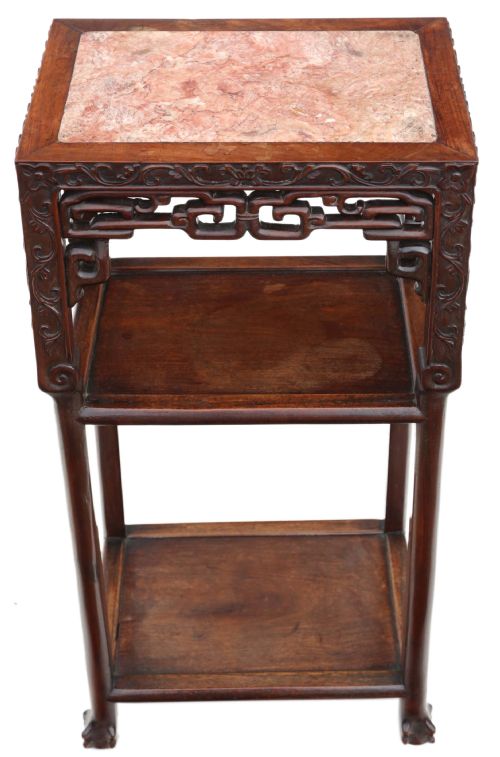
The selections available range from nineteenth-century Qing Dynasty examples to later twentieth-century pieces, including matched pairs and two-tier designs. Most forms originate from Chinese export production or the Qing period, spanning styles from the Victorian era down to nineteen-thirty.
Buyers searching for this specific furniture category will encounter variations in height and profile, from low occasional tables to tall pedestals. The surface configuration consistently centres upon a fitted marble top surrounded by dense exotic timber.
What varies in quality
Quality in a hongmu marble urn stand rests upon the depth and crispness of the wood carving, alongside the visual character of the inset marble top. Superior examples display refined proportions and tight joinery that remain stable across the entire structure.
The selection of materials creates distinction, particularly where dense hongmu or rosewood shows superior grain pattern and colour. Additional decorative elements, such as mother-of-pearl inlay, elevate the complexity and finish of the piece.
Materials recorded across the available pieces include marble, hardwood, hongmu, mother-of-pearl, and rosewood.
The Hongmu Marble Urn Stand Glossary
- Hongmu
- A dense, heavy Chinese hardwood prized for its deep colour and durability in fine furniture making. It forms the primary structural material for these carved stands.
- Jardiniere
- An ornamental pot or container for plants and flowers, which these tables were specifically designed to support. The low stands often serve this exact function.
- Qing Dynasty
- The final imperial dynasty of China, spanning from sixteen-forty-four to nineteen-one. Many of the finest surviving carved stands date from the later nineteenth century of this period.
- Rouge marble
- A deep red or reddish-brown decorative limestone used for the inset tabletops. Its varied natural veining provides a strong visual contrast against the dark hardwood frames.
Hongmu Marble Urn Stand: Frequently Asked Questions
What were hongmu marble urn stands used for?
These stands served as stable platforms for heavy ceramic urns, jardinieres, and large decorative plants within traditional interiors. Their sturdy hardwood and stone construction safely elevated weighty vessels off the floor.
Today, they function as versatile side tables or display pedestals in living spaces. Collectors often place lamps, sculpture, or decorative objects upon the marble surfaces.
How do I date a Chinese hardwood stand?
Dating relies upon examining the style of the wood carving, construction joinery, and material characteristics. Nineteenth-century examples often display deeper, more intricate hand-carved motifs associated with the Qing Dynasty.
Later pieces from the twentieth century may show subtle shifts in proportion and finish. Comparing the style of the carving against documented period examples helps confirm the era of manufacture.
Are these stands suitable for modern homes?
The compact footprint and sturdy construction make these tables adaptable to various contemporary room layouts. They fit easily beside seating or in corners as accent furniture.
The combination of dark carved wood and stone integrates well with both traditional and modern interior schemes. Their practical height allows them to function reliably as everyday side tables.