
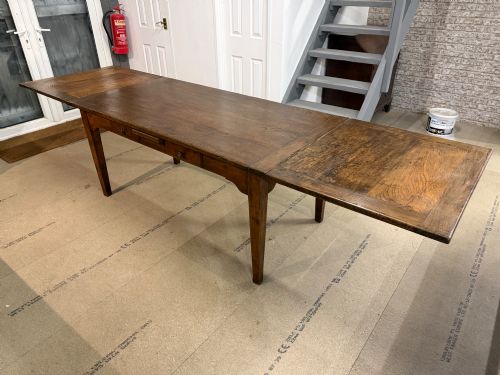
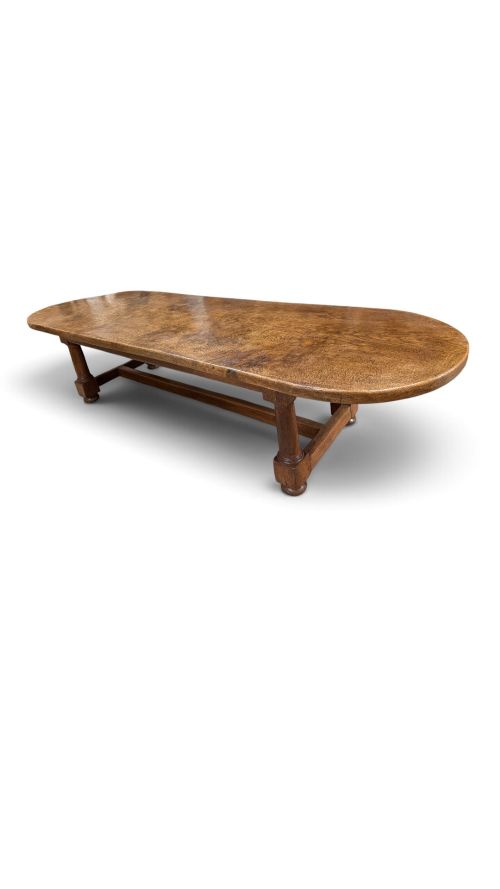
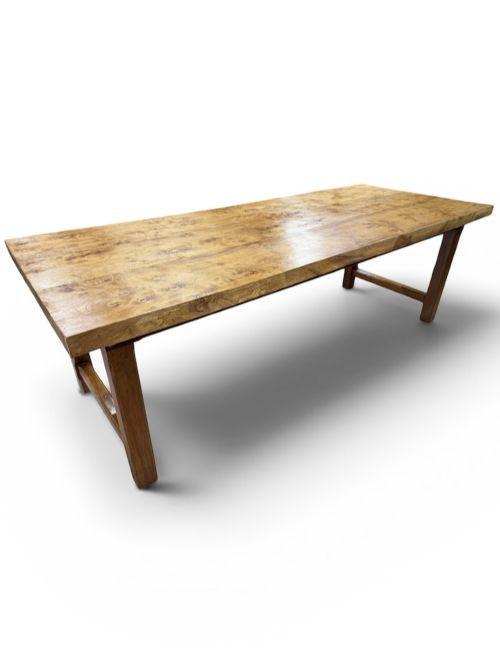
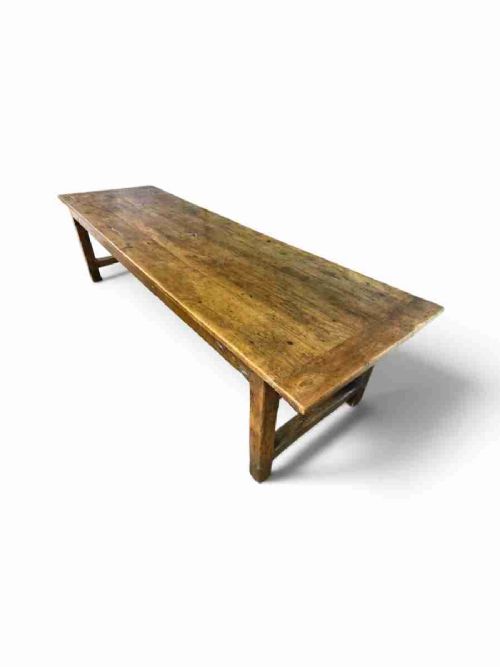
Large Refectory Table
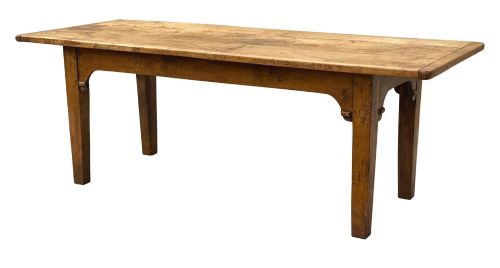
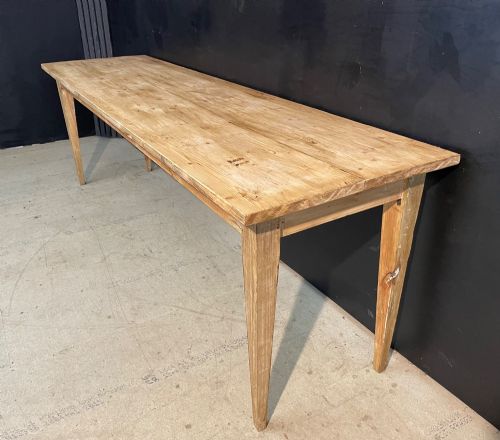
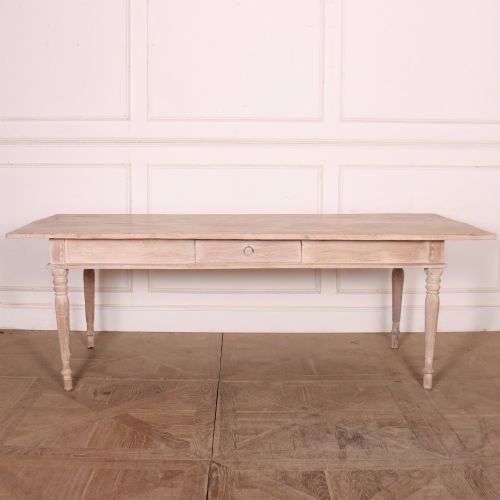
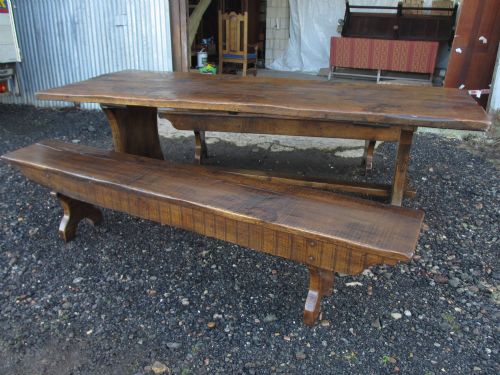
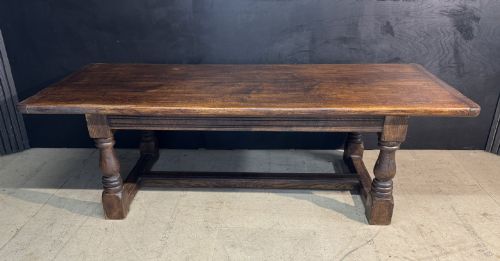
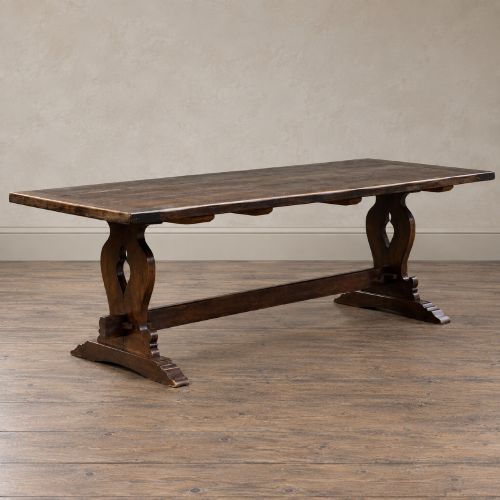
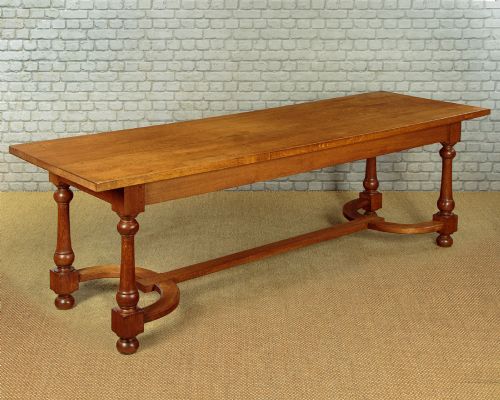
A large refectory table anchors a room with long timber boards and sturdy legs, built for communal dining and heavy daily use.
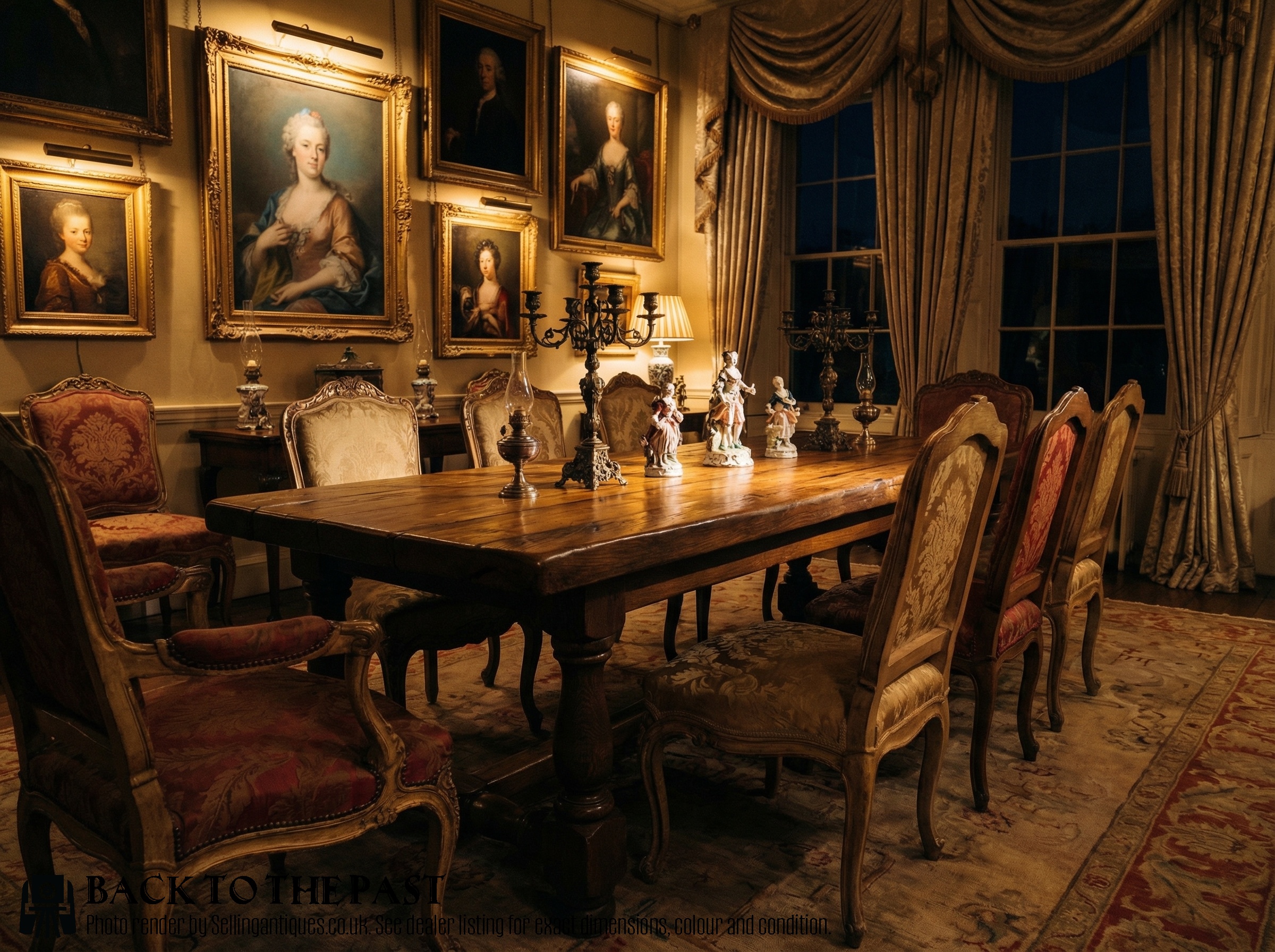
What a large refectory table is
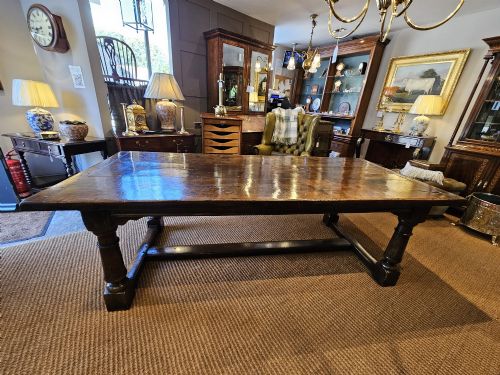
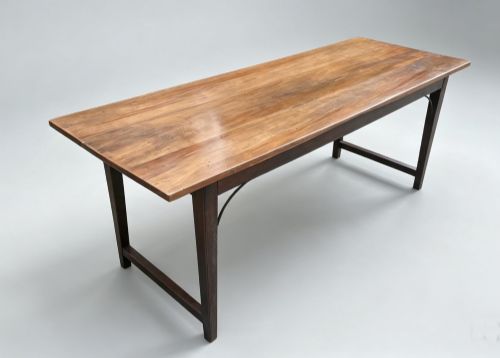
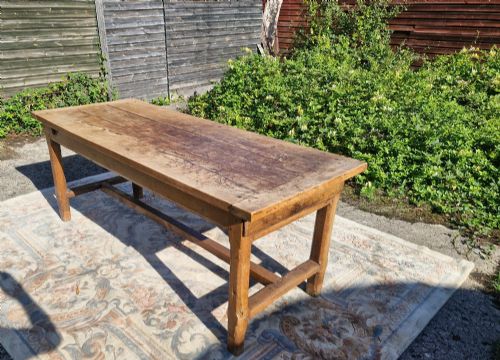
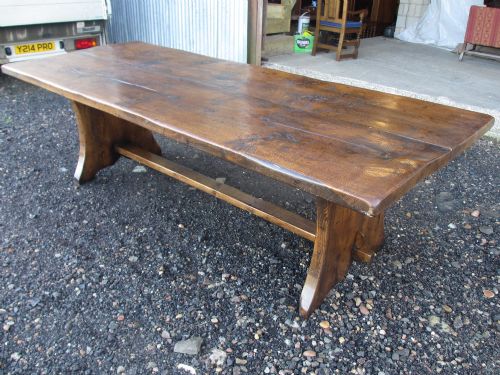
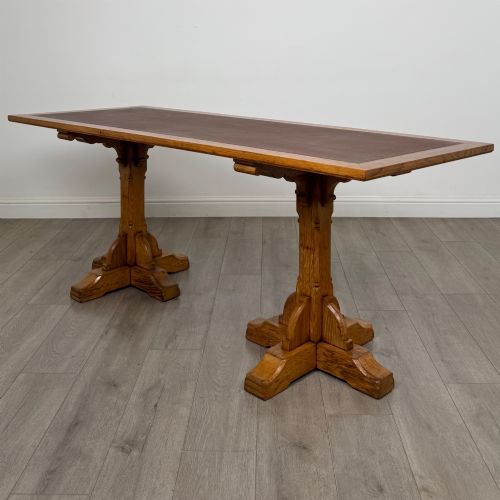
A large refectory table is a substantial dining surface designed for gathering many people, originating from monastic dining halls and country houses. When you search for this phrase, you find long rectangular boards supported by trestles, slab ends, or four legs connected by stretchers.
The versions most common in these listings span the nineteenth century up to the early twentieth century. They draw on styles such as Jacobean Revival, French Country, and Rustic Farmhouse.
Makers and origins vary widely across these examples. Pieces arrive from English workshops, French provincial settings, and notable firms like Waring and Gillow, Heals, and Mouseman.
What varies in quality
Quality rests in the choice of timber and the integrity of the joinery rather than mere decoration. Solid, thick oak or fruitwood boards display tighter grain patterns and stable construction that prevents warping over long spans.
The distinction between standard village carpentry and pieces from notable makers lies in the execution of carved details, structural stretcher design, and clever engineering such as draw leaf mechanisms that move smoothly.
Retail Price Guide 2026
Typical UK retail prices for large refectory table, calculated from the Sellingantiques database of over a million retail prices indexed since 2003. This retail price guide relies exclusively on Sellingantiques data; no external sources or auction records are used, so the figures do not describe the wider market.
At least one table carries the carved signature trademark of a tiny wooden mouse scampering up the leg.
Waring and Gillow·Heals·Mouseman
The Large Refectory Table Glossary
- Refectory table
- A long dining table traditionally used in monastic refectories and large country houses. These pieces feature elongated tops supported by robust legs or trestle bases.
- Draw leaf
- An extension system where two leaves slide out from beneath the main top, increasing the table length. This allows the surface to accommodate extra diners when needed.
- Stretcher
- A horizontal wooden bar connecting the legs of a table for structural support. It prevents the legs from bowing outward under heavy loads.
- Parquetry
- A geometric mosaic of wood pieces used for decorative effect on a tabletop. This technique showcases contrasting timber grains.
- Slab end
- A solid vertical panel supporting the ends of a table instead of traditional legs. This form often appears on nineteenth-century designs.
Frequently Asked Questions
How many people does a large refectory table seat?
Many examples in this selection seat ten to twelve diners comfortably along their extended lengths. The generous span provides ample legroom between the end supports.
Larger formats emerged to serve communal dining halls, country kitchens, and large estate houses. Their proportions remain practical for modern gatherings.
What woods are used for these tables?
Oak is the predominant timber found across English and continental examples, prized for its durability and dense grain. Other woods like walnut, cherrywood, pine, mahogany, and satin birch also appear.
Some pieces combine fruitwoods such as pear wood and elm for the top boards. Each timber brings a distinct colour and weight to the piece.
How do I tell a French farmhouse table from an English one?
French country and provincial examples often utilise cherrywood, walnut, or fruitwoods with softer patinas and slender proportions. English versions lean toward heavier oak construction with darker finishes.
Stylistic cues like carved oak panels point toward English Jacobean Revival influences, while scrubbed cherry boards suggest rural French workshops.
Can I use an antique refectory table every day?
These tables were originally built for heavy daily use in monastic and domestic settings, making them remarkably robust. Solid timber construction handles regular dining and family activities without issue.
Routine care involves using coasters and treating the wood surfaces gently. The sturdy joinery supports continuous use over generations.