
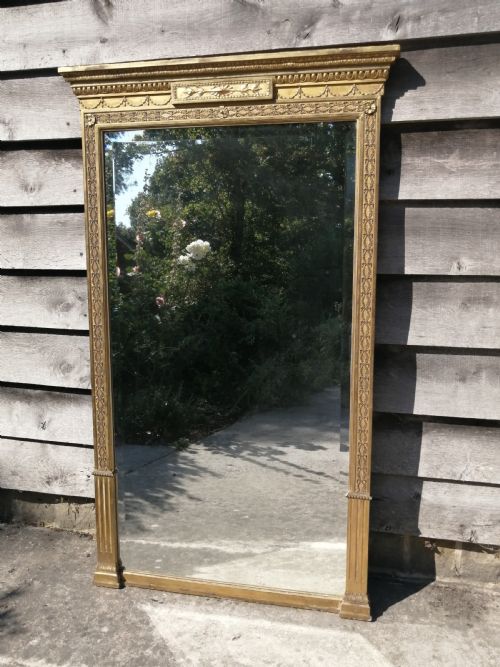
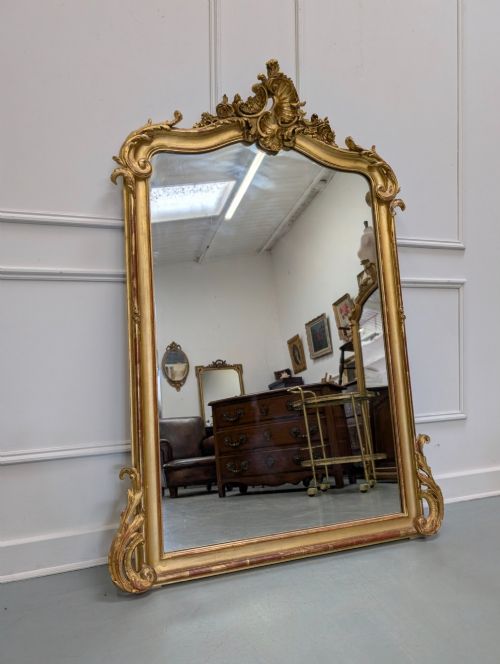
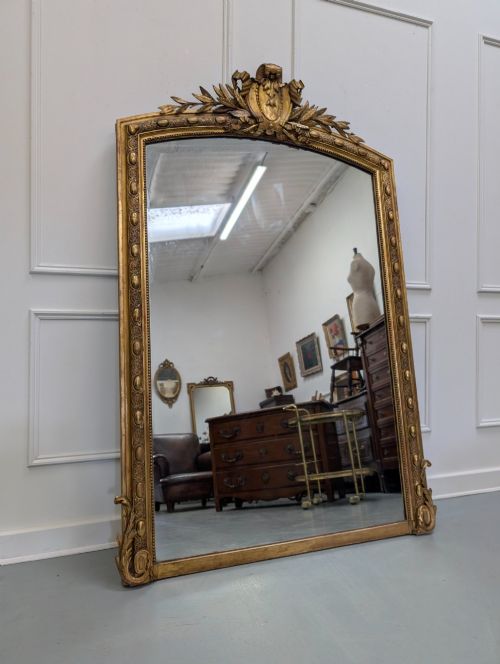
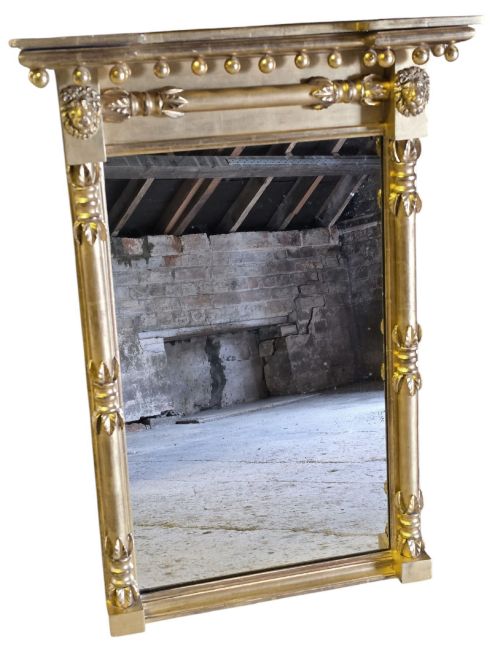

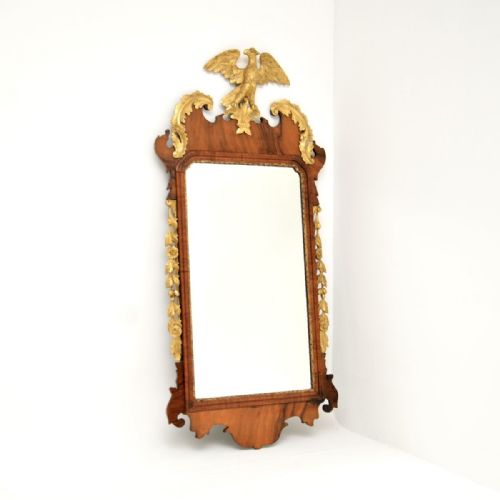
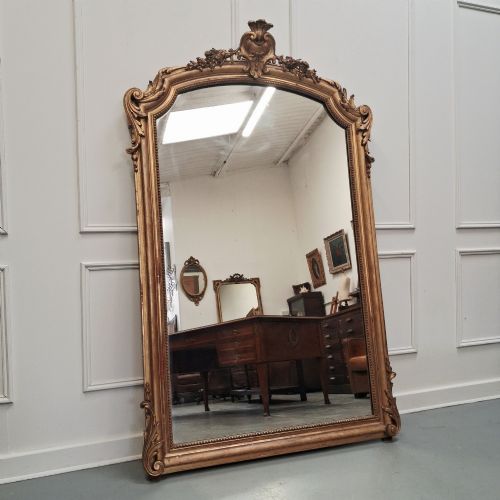
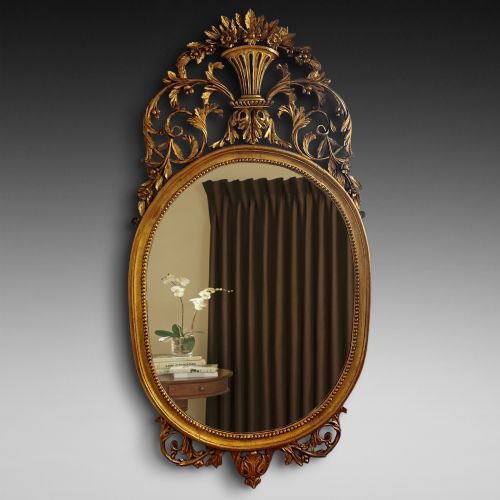
Large Gilded Pier Mirror
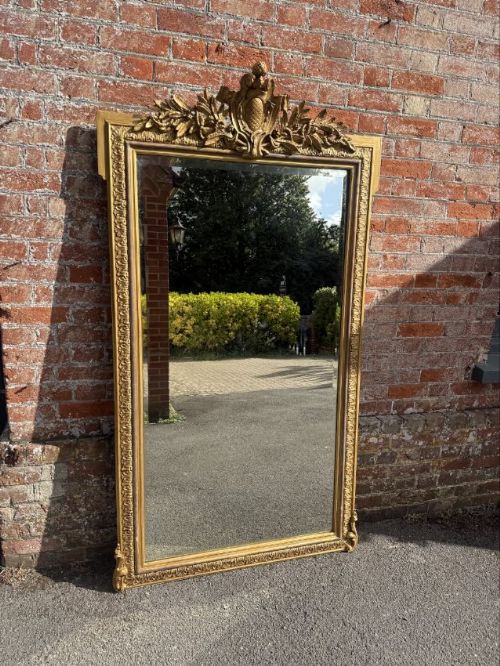
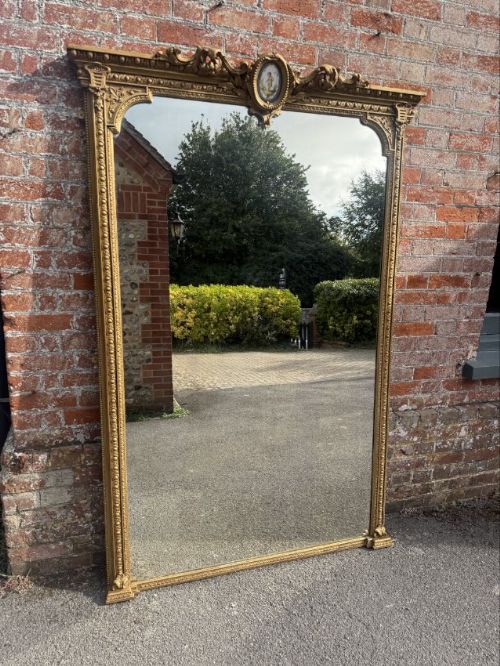
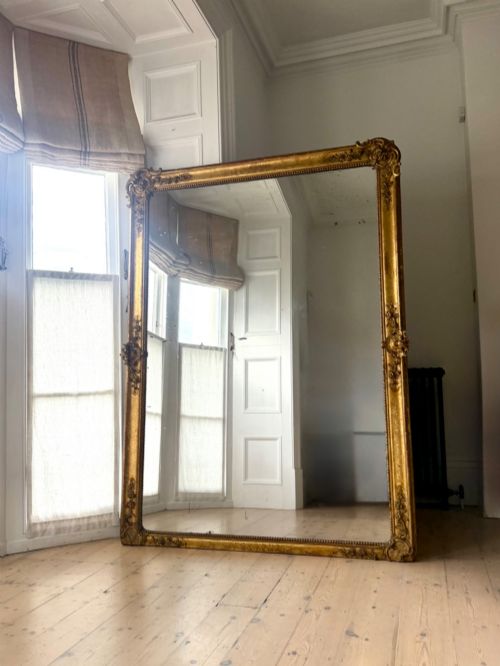
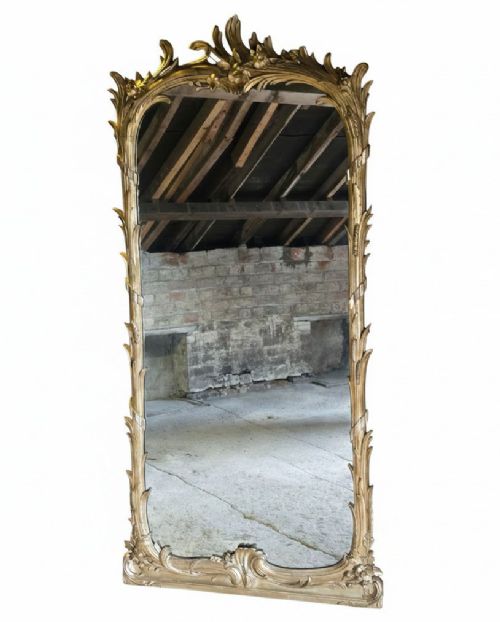
A large gilded pier mirror commands the space between windows or above a mantle with towering height and gleaming gold leaf.
Large Gilded Pier Mirror
A large gilded pier mirror is a substantial architectural looking glass designed to hang in the narrow wall space between windows, known as the pier. The examples encountered here span the Georgian, Regency, and Victorian eras alongside French and Italian interpretations of those periods.
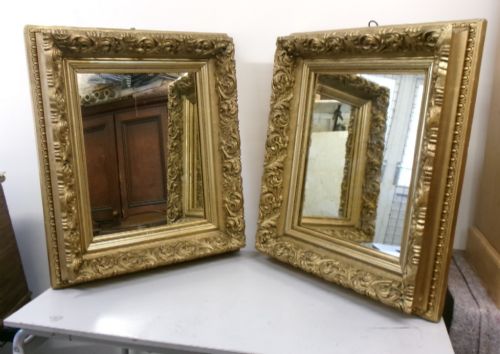
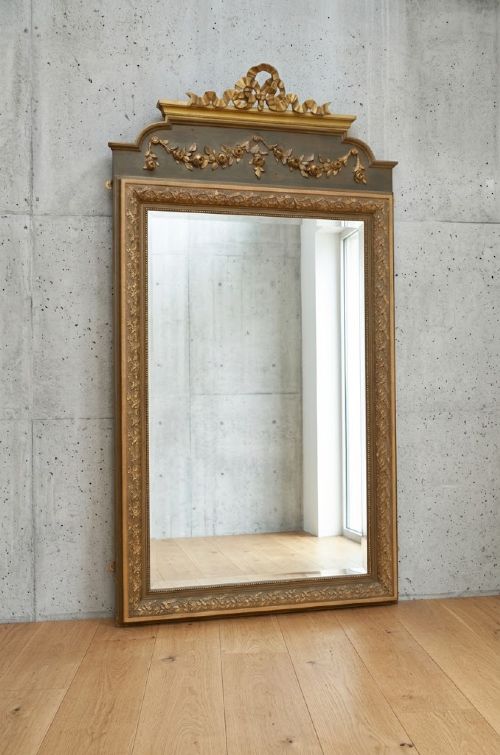
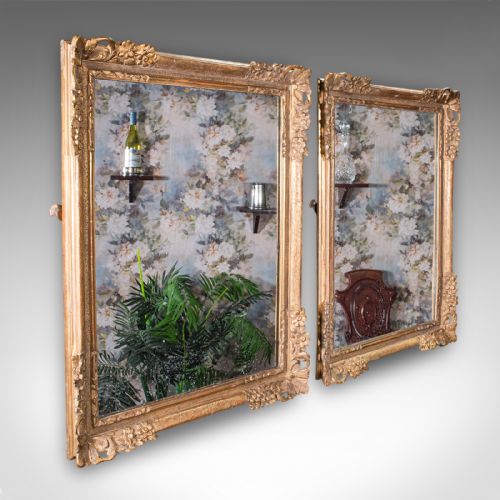
Buyers look for these imposing frames to bounce light deep into a room and establish a formal architectural focal point. The inventory leans heavily toward nineteenth-century giltwood pieces, including tall overmantle formats, trumeau mirrors with integrated oil paintings, and impressive pairs.
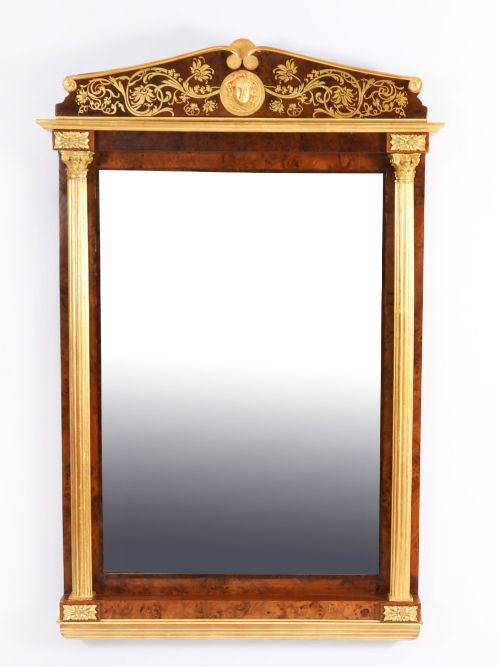
Origin details range from English Regency designs with lion masks and verre églomise panels to ornate French Rococo Revival creations adorned with ribbon crests. Each piece reflects the decorative ambitions of its original drawing room or salon setting.
Materials and Construction
Carved wood provides the structural skeleton for these frames, utilising solid timbers such as mahogany or pine underneath the decorative skin. Gesso is built up over the wooden carcass to create crisp relief mouldings before the application of delicate gold leaf.
Glass plates vary from early mercury glass with characteristic foxing to original mirror plates bearing the gentle clouding of age. French trumeau variants additionally incorporate pastoral oil paintings directly into the wooden framework above the glass.
Listings feature eighteenth-century, Regency, and nineteenth-century periods, utilising materials including giltwood, mahogany, gesso, and mercury glass.
Markers of Distinction
Quality rests in the depth and sharpness of the hand-carved detail within the gesso and giltwood, separating fluid rococo scrolls from mechanical moulding. Original mirror plates with authentic silvering degradation hold greater integrity than later replacement glass.
William Kent·Nosotti
The Large Gilded Pier Mirror Glossary
- Giltwood
- Wood that has been decorated with thin sheets of gold leaf applied over a prepared gesso ground. This finish catches candlelight and daylight alike.
- Gesso
- A plaster-like mixture applied to wood frames and carved or moulded into intricate decorative patterns before gilding. It creates the smooth white base beneath gold leaf.
- Verre églomise
- A cold decoration technique where design work is applied to the reverse of glass using gold or silver leaf and pigment. It often appears in the upper panel of a pier glass.
- Trumeau
- A decorative architectural wall mirror that incorporates an oil painting or panel within the upper section of the frame. These originate largely from French interior design.
- Overmantle
- A large mirror specifically proportioned to hang on the wall directly above a fireplace mantelpiece. Many pier mirrors share this grand horizontal or vertical scale.
Large Gilded Pier Mirror: Frequently Asked Questions
Where should I hang a pier mirror?
These tall looking glasses were originally conceived for the narrow wall space between two tall windows to maximise reflected daylight.
Today they work equally well above a low console table in a hallway or serving as a grand focal point on a main living room wall.
How do I date a gilded mirror?
Dating relies on observing the combination of framing style, construction timber beneath the gesso, and the characteristics of the glass plate.
Georgian and Regency pieces display crisper hand-carving and distinct classical motifs, whereas Victorian revivals often utilise heavier moulded gesso decoration.
Are the mirror plates original?
Many surviving antique pieces retain their original glass, which frequently exhibits subtle foxing, tiny dark spots, and gentle surface distortion.
Clearer reflections usually indicate that a mirror plate has been replaced at some point during the long history of the object.
How heavy are these large mirrors?
Due to the combination of dense timber frames, thick gesso layers, and large glass plates, these pieces possess considerable weight.
Secure wall fixings tied directly into structural studs or masonry are essential for safely supporting their substantial mass.