
Gilt Dressing Mirror
A gilt dressing mirror brings warmth and functional elegance to a bedroom, combining reflective glass with gilded wooden or metal frames.
Gilt Dressing Mirror
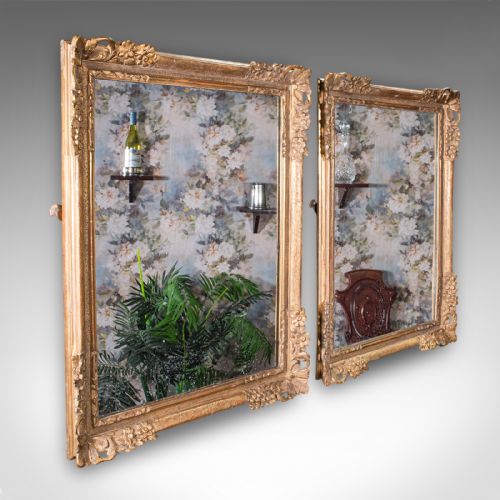
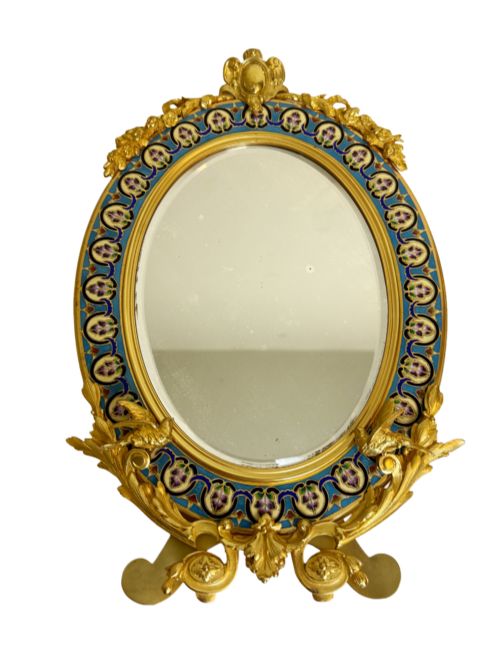
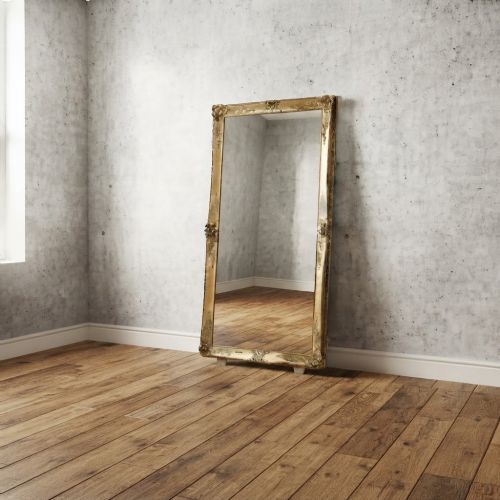
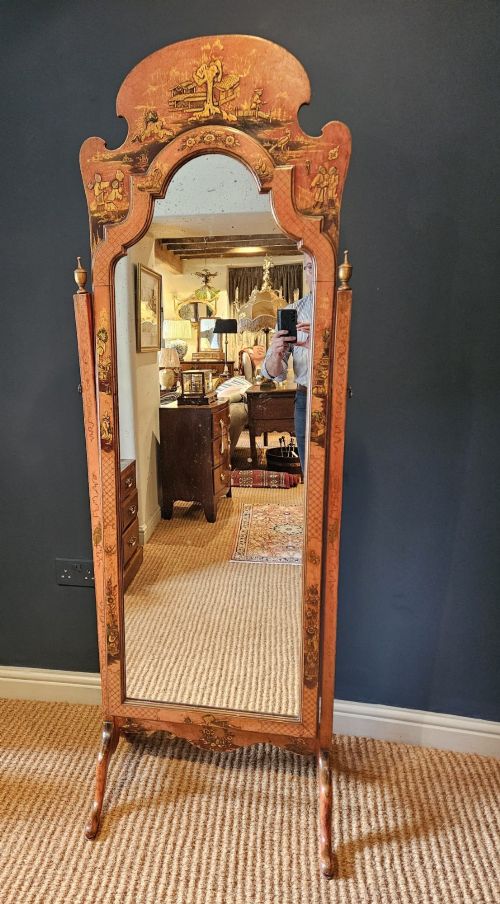
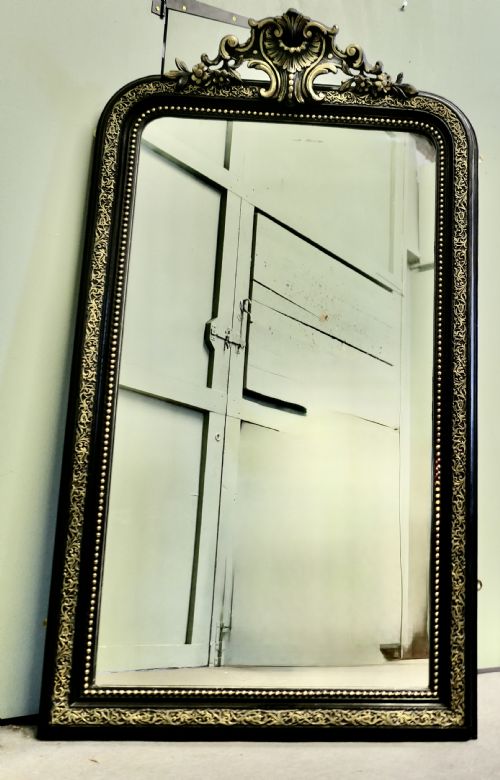
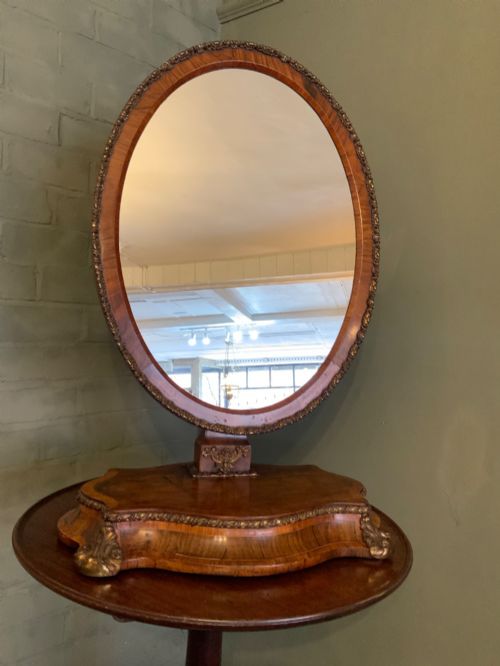
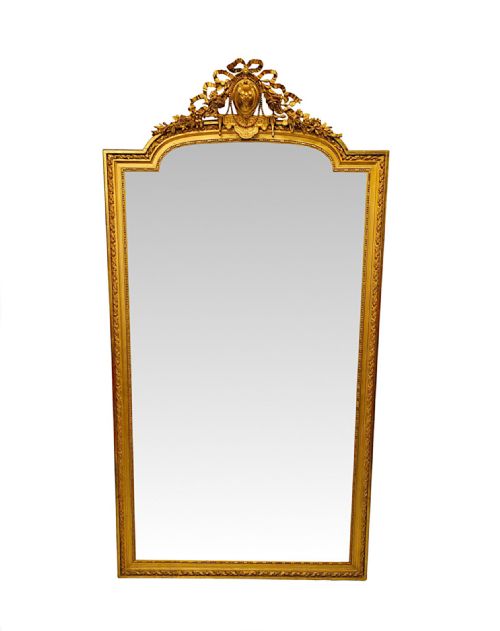
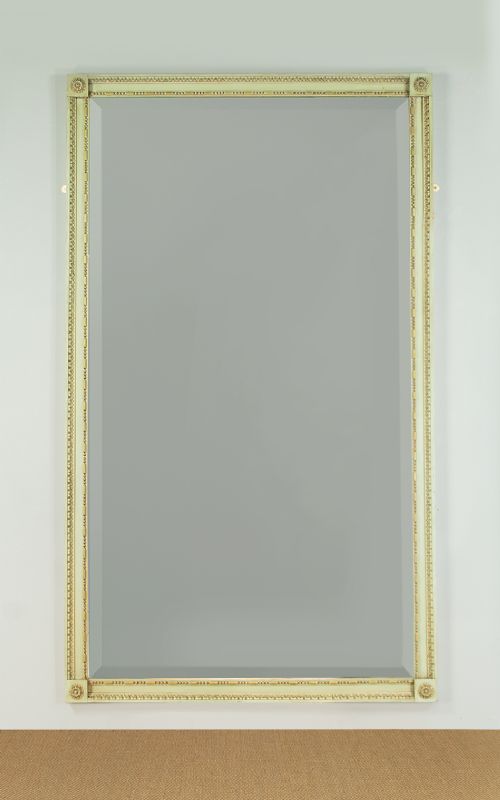
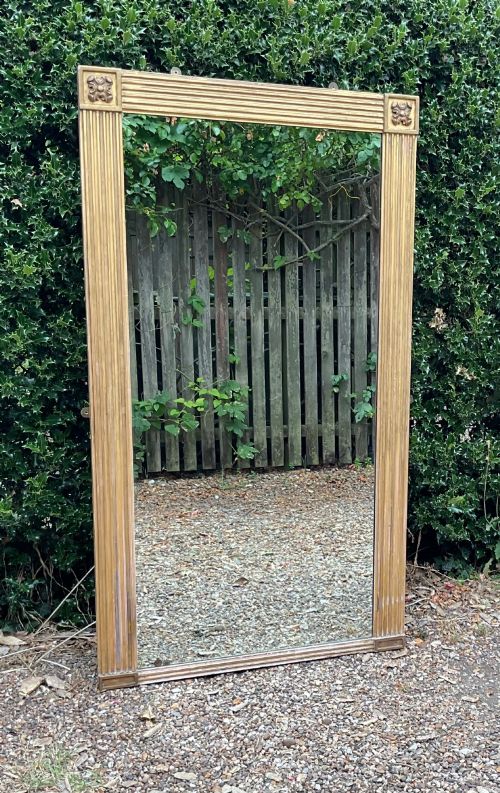
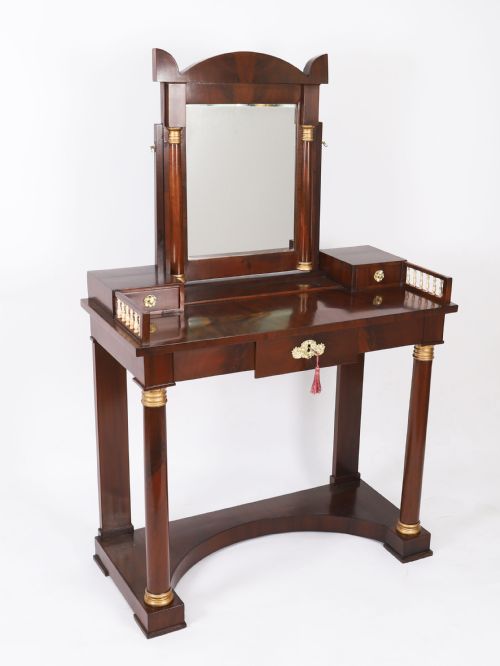
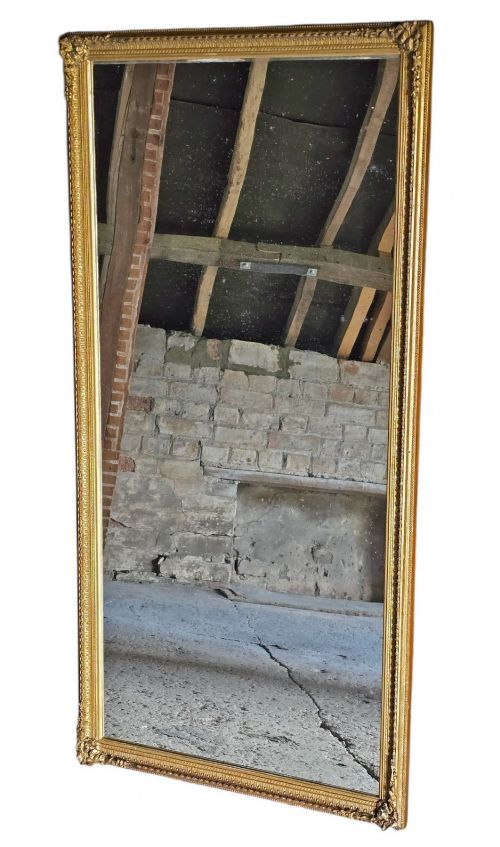
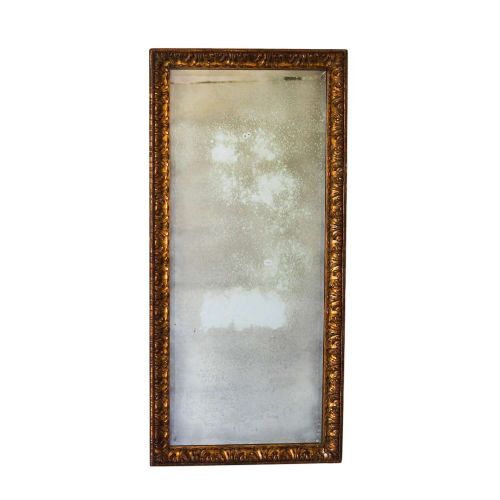
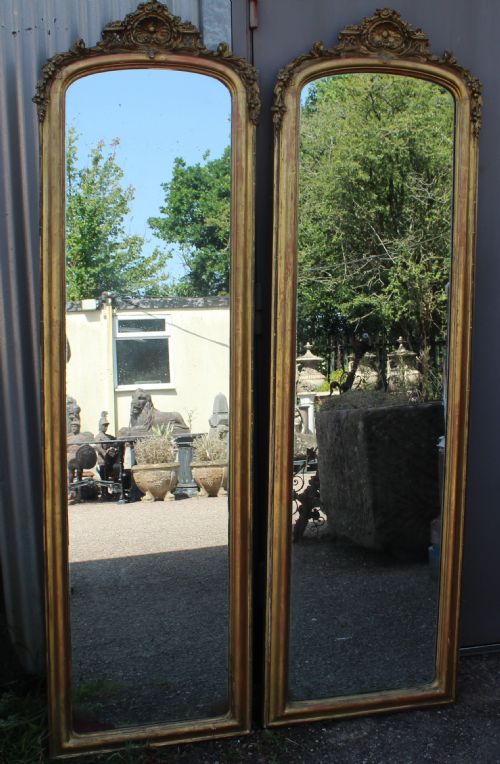
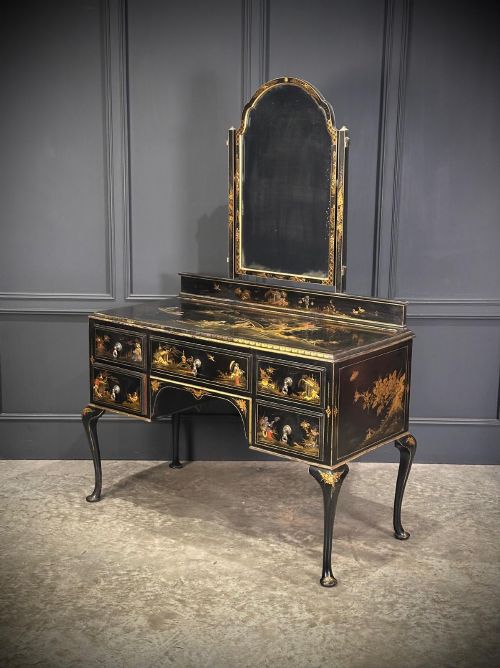
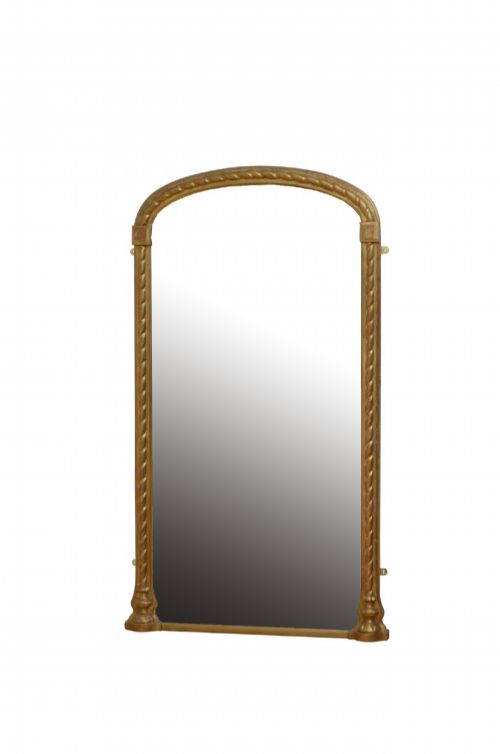
A gilt dressing mirror is a looking glass designed for personal grooming, appearing on this page in forms ranging from compact tabletop toilet mirrors to full-length cheval frames and larger wall-hung dressing variants. These pieces serve practical functions while introducing decorative presence to domestic spaces.
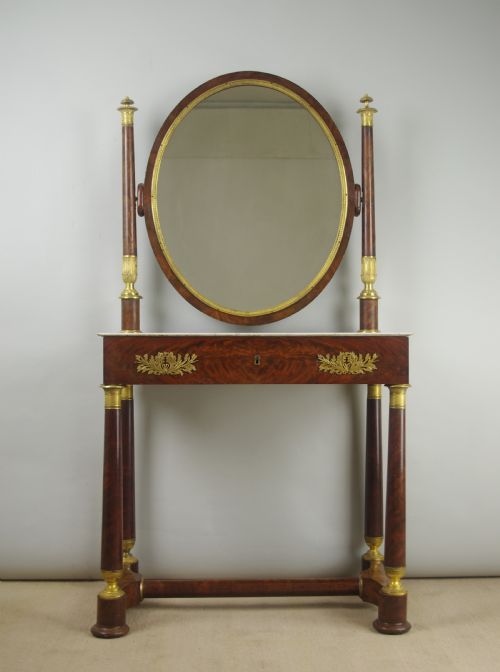
Examples span the nineteenth century into the early twentieth century, drawing on periods such as the Regency, Victorian, and Edwardian eras alongside French Empire, Rococo Revival, and Chinoiserie stylistic influences. Such variety reflects changing interior fashions across Britain and continental Europe.
Table mirrors often feature easel supports for chest of drawers placement, while larger cheval and freestanding formats allow full-length views. Workshops utilised mahogany, walnut, and cast bronze alongside traditional timber frames to build these diverse functional objects.
What varies in quality
The depth and intricacy of hand-carved wood ornamentation distinguish finer examples from simpler production pieces. Crisp relief work in gesso and giltwood indicates superior craftsmanship during the manufacturing process.
The choice of base materials dictates durability and refinement, with solid hardwoods and fire-gilt bronze mounts representing higher standards than lesser metal alloys or plain pine structures. Original mirror glass with clear bevelling adds historical integrity.
The preservation of the original gilded surface determines the visual impact and authenticity of the piece. Fine mirrors maintain their original gold leaf or ormolu patination without heavy modern overpainting.
Listings feature 19th Century, Regency, and Edwardian periods alongside French Empire and Rococo Revival styles.
Thiebaut Freres
The Gilt Dressing Mirror Glossary
- Giltwood
- Wood that has been coated with gold leaf or gold dust. This finish provides a bright metallic sheen characteristic of formal period frames.
- Gesso
- A paint mixture consisting of a neutral binder mixed with chalk, gypsum, or pigment. Artisans used this substance to build up relief details on mirror frames before gilding.
- Ormolu
- Finely ground high-carat gold applied to a bronze base using mercury. This French technique produced durable decorative mounts for furniture and mirrors.
- Cheval mirror
- A freestanding full-length mirror suspended on a vertical frame with pivots. This design allows the glass to tilt to various angles for dressing.
- Pier glass
- A tall mirror designed to hang on the wall between windows. These pieces often sat above low console tables or dressing furniture.
- Champleve
- An enamelling technique where artists scoop troughs into metal surfaces to hold coloured glass paste. This technique appears on decorative metal table mirror frames.
Gilt Dressing Mirror: Frequently Asked Questions
What is a cheval mirror?
A cheval mirror is a freestanding floor glass hung within a vertical wooden frame on pivots. This allows the user to tilt the glass plate to check full-length attire.
These pieces typically require dedicated floor space in dressing rooms or bedrooms rather than resting on tables.
How do I date a gilt dressing mirror?
Dating relies on examining stylistic details, frame construction techniques, and the characteristics of the mirror glass itself. Regency and Victorian examples show distinct carving motifs and hardware styles.
Secondary woods used at the back of the frame also help determine the likely manufacturing period.
Where should I place a dressing mirror?
Table mirrors sit securely on top of chests of drawers, dressing tables, or console surfaces for close-up grooming. Larger wall-hung or full-length floor variants suit bedrooms and dressing rooms to maximise light and reflection.
Placement should consider natural light sources to ensure optimal visibility.
What is the difference between gesso and carved wood?
Carved wood involves shaping the actual timber substrate into decorative relief patterns using chisels and gouges. Gesso involves applying a plaster paste over a simpler wooden core to mould decorative details.
Many period frames combine both methods, using carved wooden foundations embellished with moulded gesso ornamentation.