
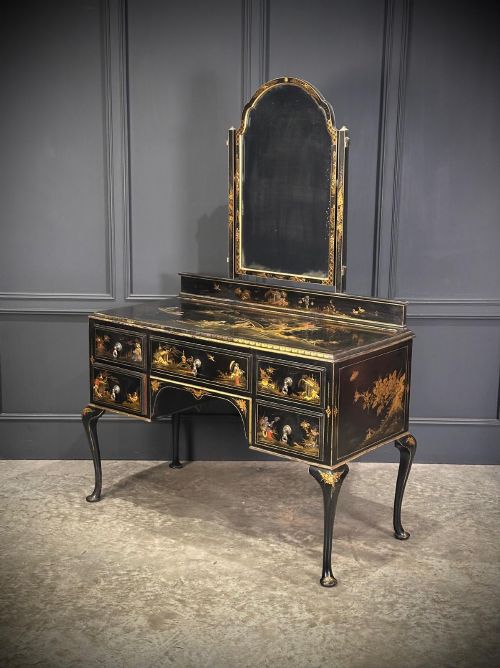
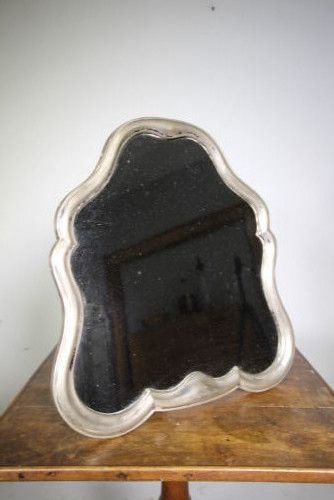
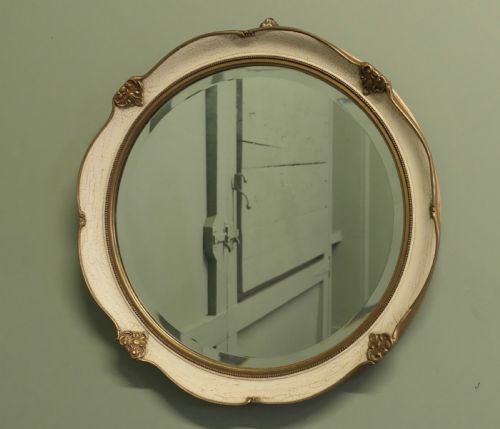
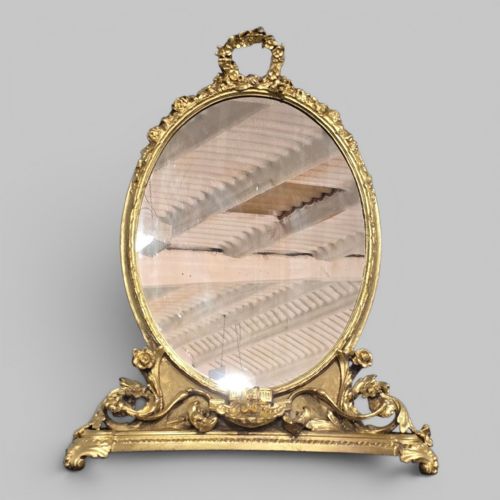
Gilt Vanity Mirror
A gilt vanity mirror brings warmth and functional elegance to a dressing room or surface.
Gilt Vanity Mirror
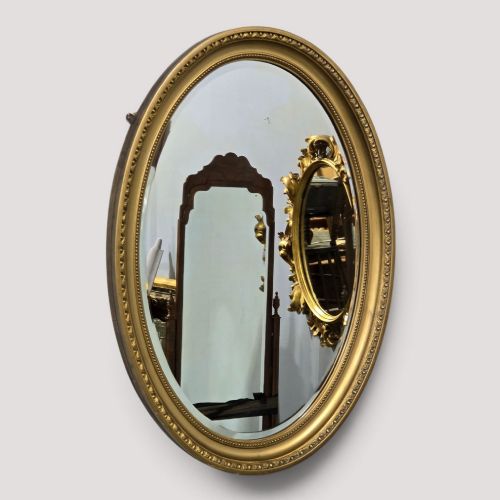
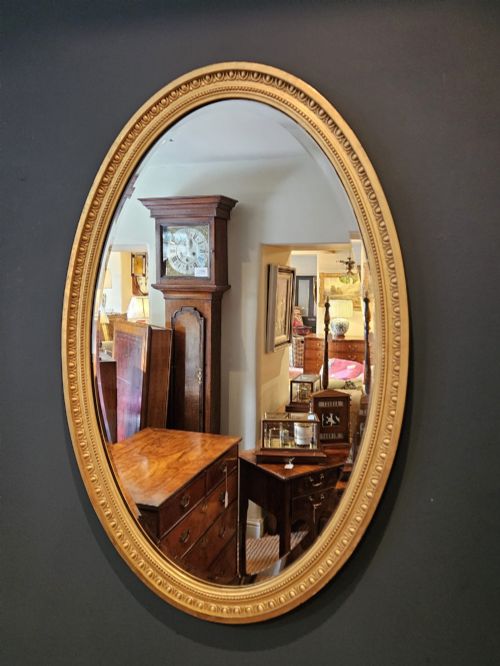
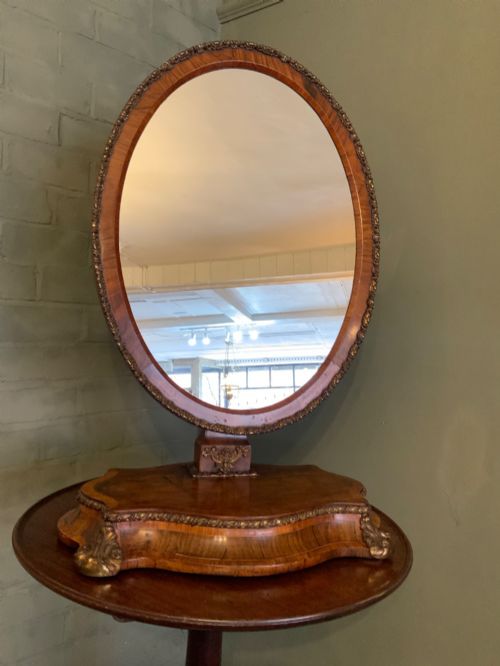
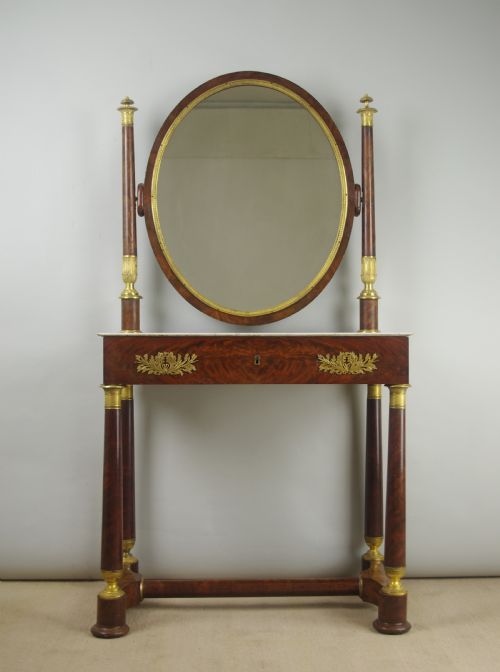
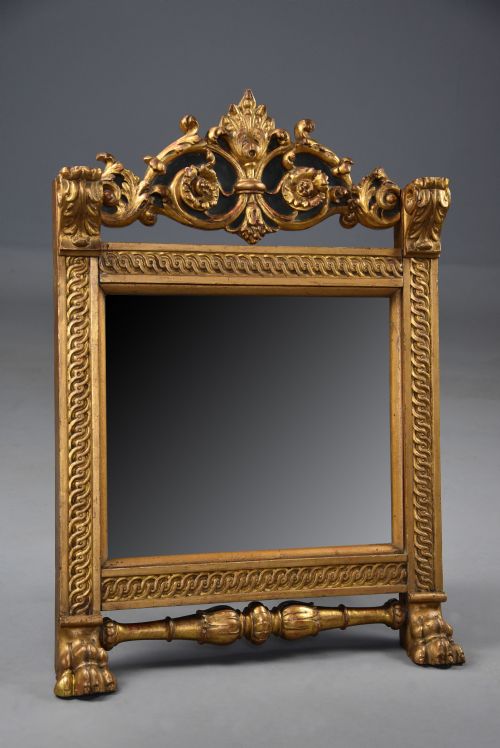
When you search for a gilt vanity mirror, you encounter pieces designed to sit upon a dressing table or hang nearby, reflecting light and assisting with personal grooming. The most frequent versions on this page are tabletop and dressing table mirrors originating from the nineteenth and early twentieth centuries.
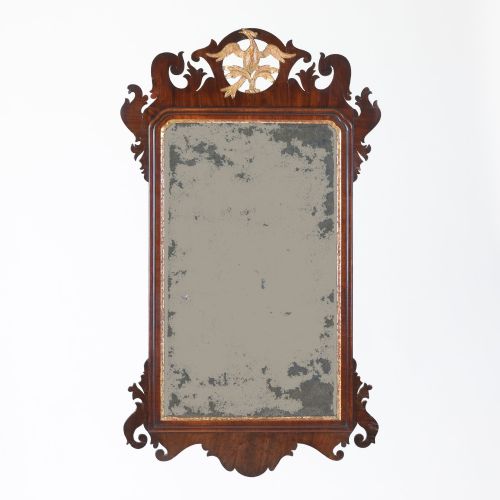
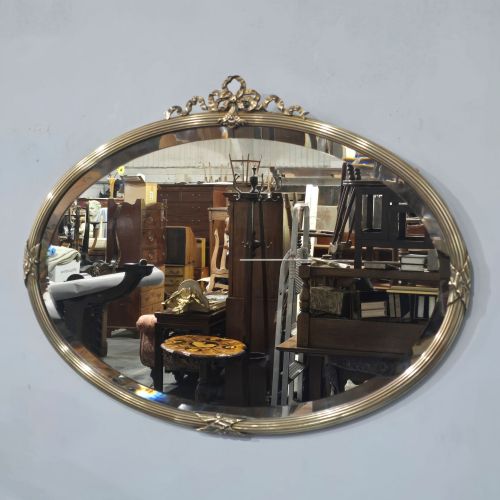
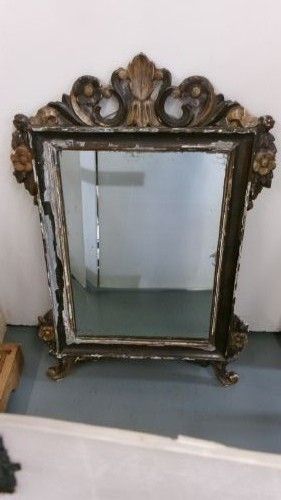
These items span various regional aesthetics, including French Rococo style, Victorian interpretations, and Georgian forms. They appear primarily as oval, round, or rectangular looking glasses supported by easel backs, stands, or wall brackets.
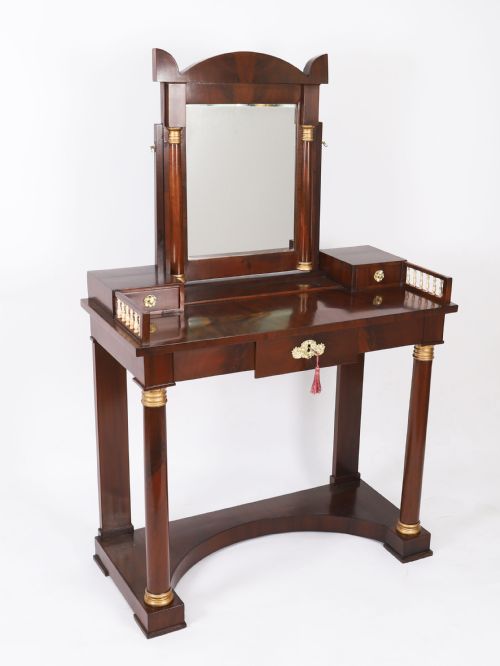
Beyond standard tabletop pieces, the selection encompasses related dressing mirrors, toilet glasses, and occasional wall-mounted variations. They serve both as practical accessories and as decorative focal points within traditional interiors.
How they were made
Maker's workshops built these frames using woods such as mahogany, walnut, and carved giltwood, often applying gesso to create intricate relief ornamentation. Artisans then finished the surfaces with gold leaf or silver gilt to achieve the characteristic metallic lustre.
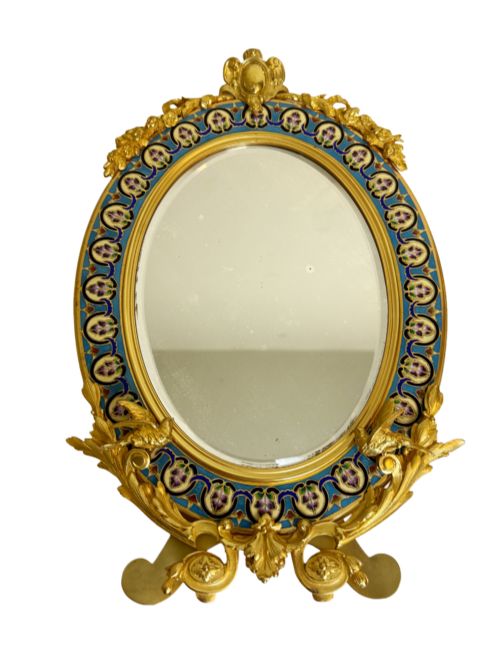
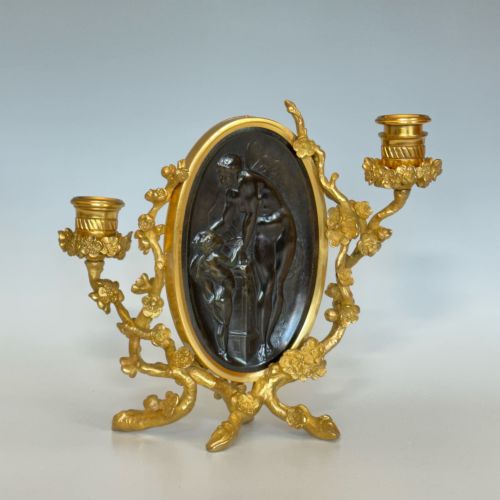
Metal components also feature prominently, utilising gilt bronze, brass, and gilt metal, sometimes paired with champleve enamel or ormolu mounts. Mirror glass was cut and silvered to fit precisely within the moulded or carved bezels.
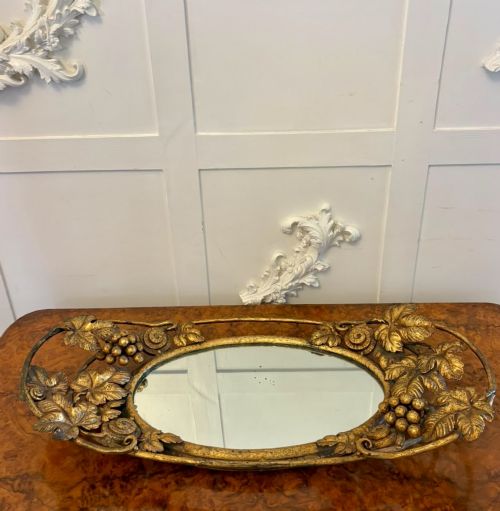
Several mirrors double as secretive compacts or grape-vine serving trays, proving past owners appreciated portable vanity.
What varies in quality
The distinction between standard examples and superior pieces rests on the crispness of the carving and the depth of the gilding. Hand-carved giltwood and detailed gesso work display a distinct fineness that moulded synthetic alternatives cannot replicate.
Material integration also dictates quality, such as the use of solid mahogany or genuine ormolu mounts rather than plated base metals. Original mirror glass and robust easel mechanisms further elevate the standing of a piece.
Thiebaut Freres
The Gilt Vanity Mirror Glossary
- Giltwood
- Wood that has been coated with gold leaf or powder. This finish provides a luminous surface that catches ambient room light.
- Gesso
- A plaster-like mixture applied to wood frames and carved before gilding. It allows for highly detailed decorative moulding.
- Ormolu
- Finely ground high-carat gold-bronze alloy applied to metalwork. It gives furniture mounts and mirror frames a rich golden sheen.
- Champleve
- An enamelling technique where troughs are dug into metal and filled with vitreous paste. This coloured decoration frequently appears on nineteenth-century bronze frames.
- Toilet mirror
- A smaller mirror designed to sit on a dressing chest or table. These pieces often feature pivoting frames supported by upright arms.
Gilt Vanity Mirror: Frequently Asked Questions
How do I date a gilt vanity mirror?
Dating relies on examining the construction methods of the frame, the type of wood used, and the beveling or ageing of the mirror glass. Georgian and Victorian pieces exhibit different joinery techniques and decorative motifs.
Looking closely at the backboards, screws, and gilding application helps confirm the period of manufacture.
Are these mirrors meant for walls or tables?
Many vanity mirrors are designed with easel backs or weighted bases to stand independently on dressing tables or chests. Other variations include hanging loops for wall placement.
Checking the reverse of the frame reveals whether it was built for tabletop use or wall mounting.
What is the difference between giltwood and gilt metal?
Giltwood consists of a carved wooden base covered in gold leaf, offering a warm and organic texture. Gilt metal utilises brass, bronze, or other alloys treated with a gold-colored finish.
Both materials achieve a bright appearance, but their weight and underlying structure differ significantly.
How should I clean an antique gilt mirror?
Dusting gently with a soft, dry brush preserves the delicate gold leaf or gesso surface without causing abrasion. Moisture and chemical cleaners can strip historical finishes.
Glass cleaner should be applied sparingly to a cloth rather than sprayed directly onto the mirror to protect the antique frame.