

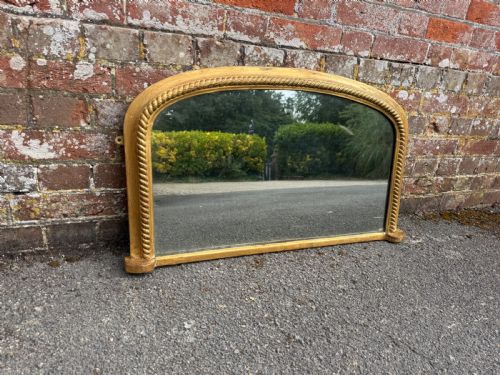
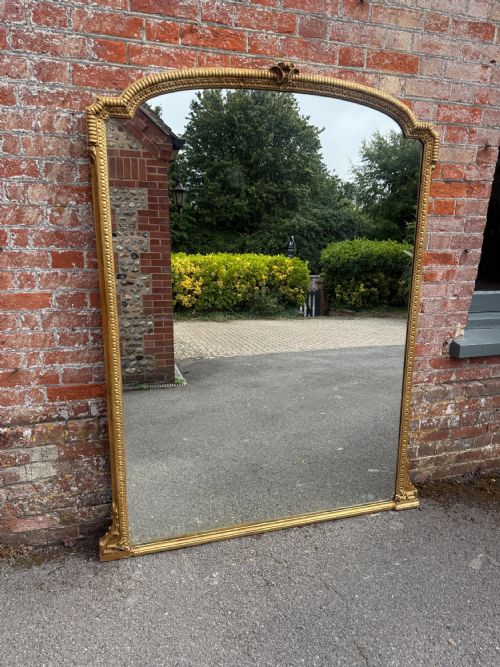
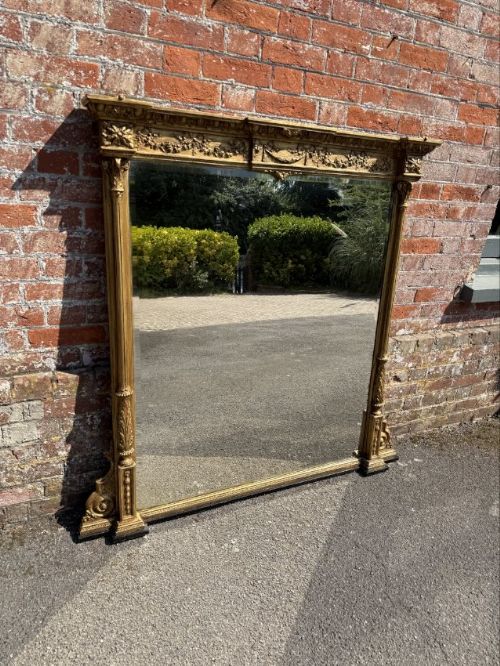
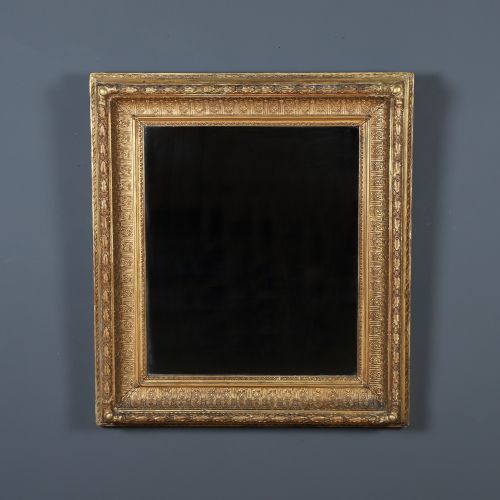
English Gilt Wall Mirror
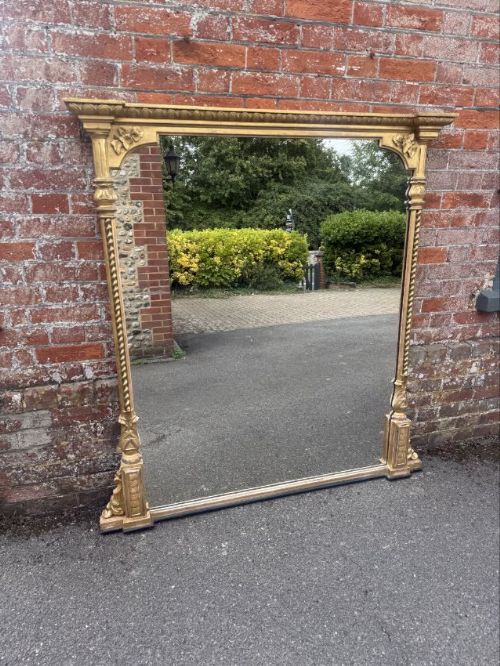
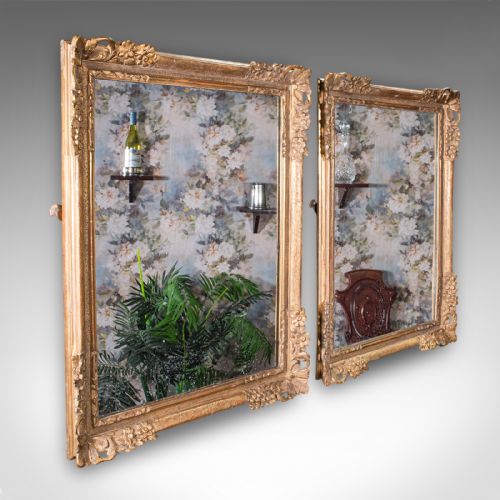
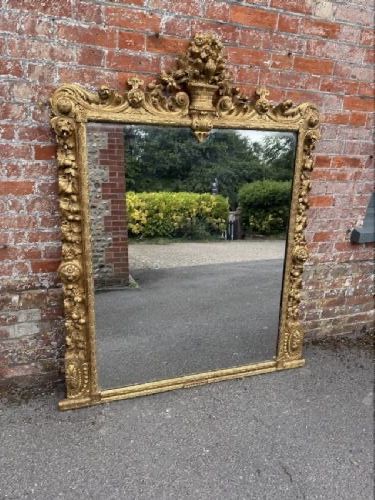
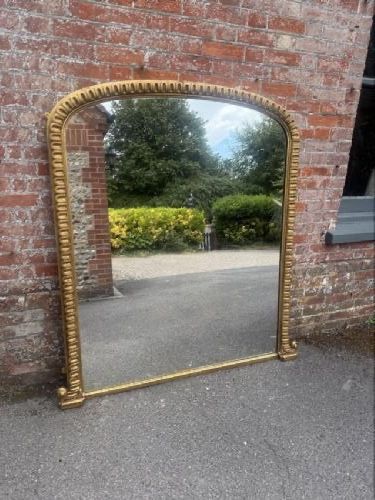
An English gilt wall mirror brings warmth and reflective depth to a room, drawing the eye with carved wooden frames and gold leaf surfaces.
English Gilt Wall Mirror
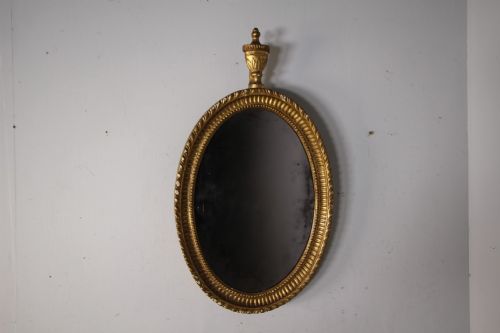
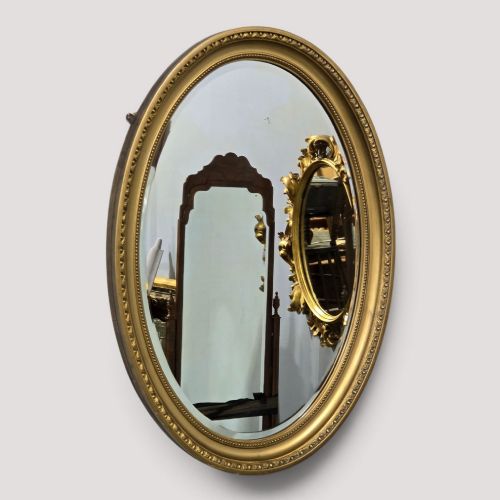
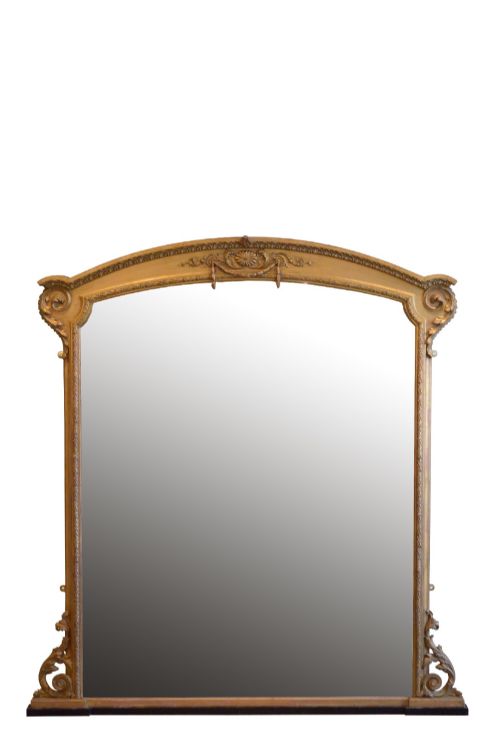
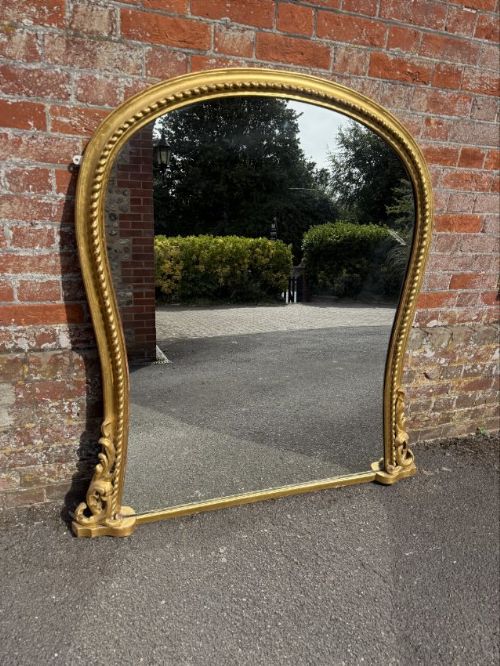
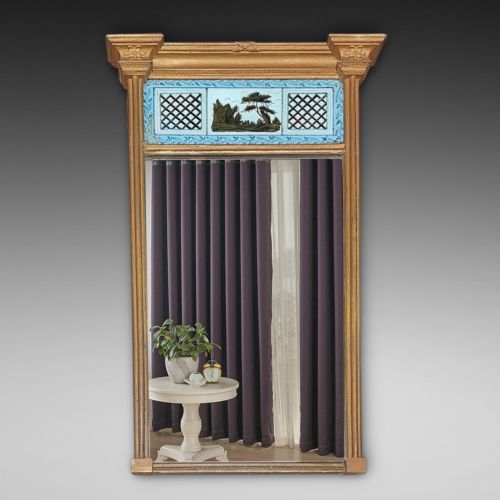
An English gilt wall mirror encompasses a range of traditional looking glasses designed for domestic interiors, spanning the eighteenth and nineteenth centuries. Buyers searching for an English gilt wall mirror encounter pieces originating from the Georgian, Regency, and Victorian periods.
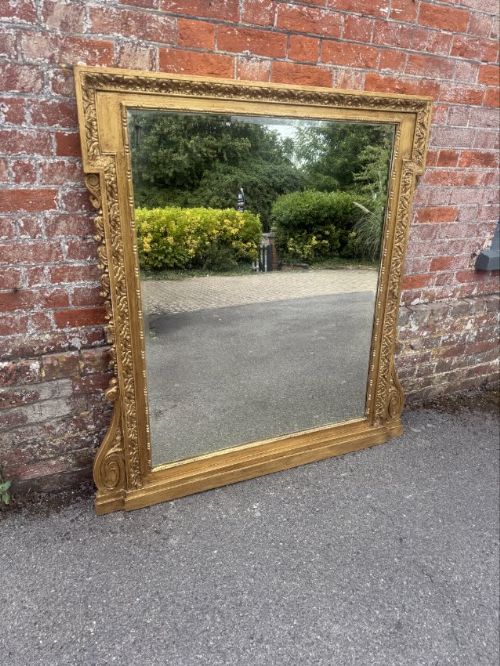
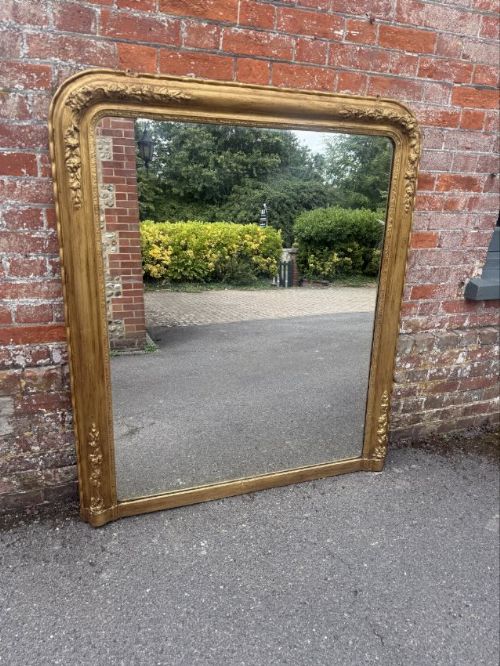
The selection includes large overmantel mirrors intended to sit above fireplaces, alongside smaller pier mirrors and oval or rectangular wall-hanging formats. Victorian and Regency examples frequently appear on this page, alongside earlier Georgian styles.
How They Were Made
These pieces are constructed from wood carcasses, often pine or hardwood, which are then coated in gesso before applying gold leaf or oil gilt. Carved wooden ornamentation forms the basis of many frames, supplemented by moulded gesso relief work.
Mirror plates consist of glass, sometimes showing age through foxing, fitted into rebated frames with backboards.
Listings feature eighteenth-century, Regency, and nineteenth-century periods, utilising materials such as gesso, giltwood, and mirror glass.
What Varies in Quality
The crispness and depth of the carved woodwork and moulded gesso dictate the visual refinement of the frame. Finer examples display undercut carving and precise application of gold leaf rather than simpler painted finishes.
The preservation of the original mirror plate and the structural integrity of the frame joints also distinguish higher-grade pieces from standard examples.
The English Gilt Wall Mirror Glossary
- Gesso
- A plaster-like mixture applied to wooden frame bases to provide a smooth surface for gilding. This material allows for intricate moulded decoration.
- Giltwood
- Timber that has been gilded with gold leaf. It forms the primary structural and decorative medium for these mirrors.
- Overmantel mirror
- A wide mirror specifically proportioned to hang above a fireplace mantelpiece. These pieces often feature arched or shaped tops.
- Pier mirror
- A tall, narrow mirror designed to hang on the wall space between windows. They frequently accompany matching console tables.
- Foxing
- Small dark spots and discolouration within the mirror glass caused by the degradation of the silver backing over time. Collectors often appreciate this sign of age.
English Gilt Wall Mirror: Frequently Asked Questions
Where should I hang an overmantel mirror?
These large mirrors traditionally sit directly above a mantelpiece to reflect light and the room below.
Ensure the wall fixings can support the substantial weight of the timber and gesso frame.
How do I date an antique gilt mirror?
Examine the construction methods, backboards, and framing styles to determine the period.
Georgian pieces display different carved motifs compared to later Victorian or Regency examples.
What causes foxing on old mirror glass?
Foxing occurs when moisture breaks down the silver or mercury backing behind the glass over decades.
This creates atmospheric dark patches that many buyers value as proof of genuine age.
Can I hang a heavy wall mirror safely?
Heavy giltwood mirrors require appropriate wall anchors secured directly into masonry or solid studs.
Professional installation is recommended due to the considerable weight of the carved wood and glass.