
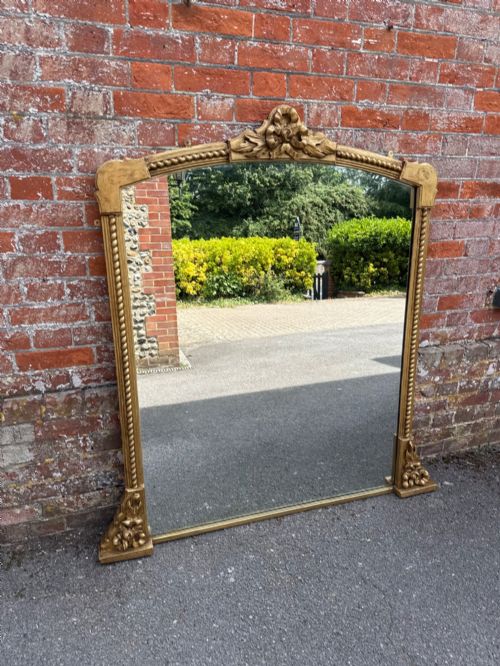
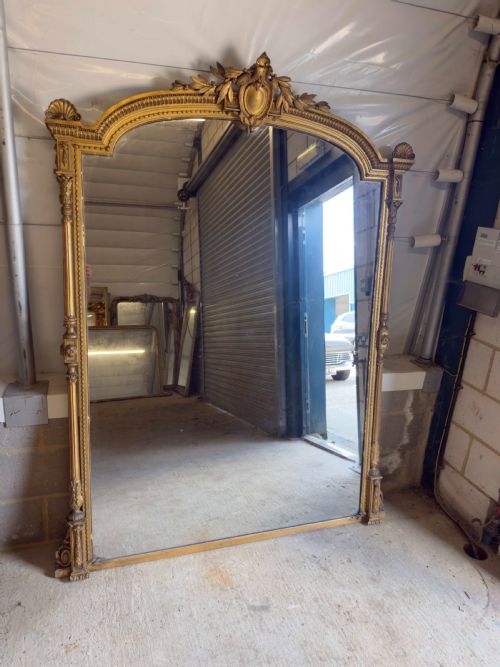
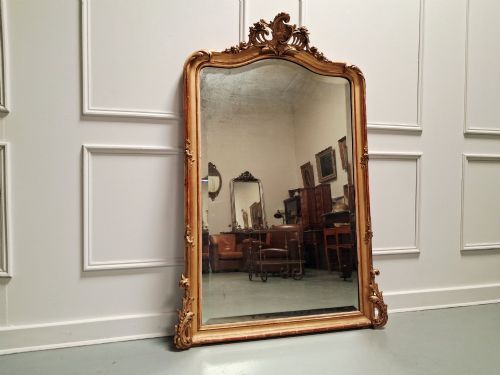
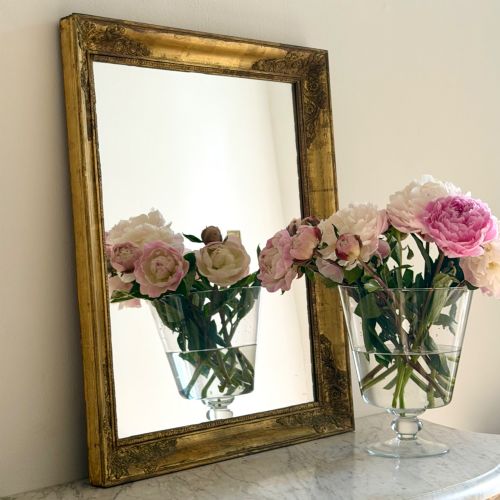




Carved Gesso Mantel Mirror
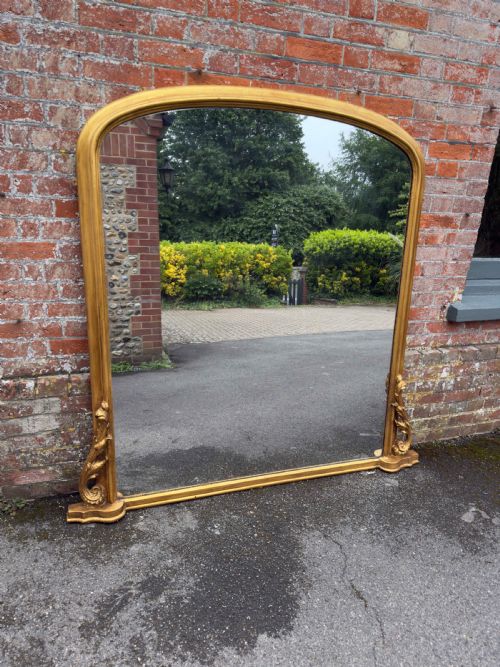
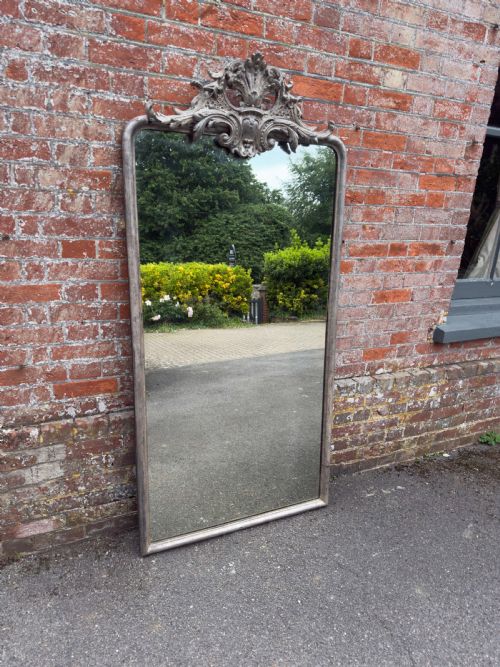
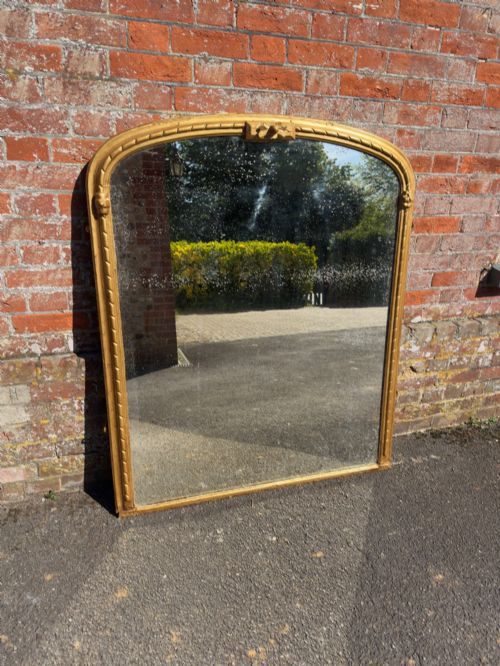
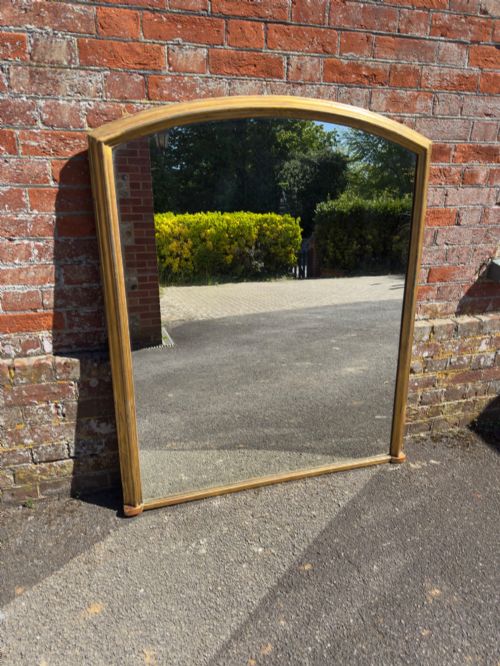
A carved gesso mantel mirror brings nineteenth-century presence and reflective depth to a room above a fireplace, combining wooden structure with moulded ornament.
Carved Gesso Mantel Mirror
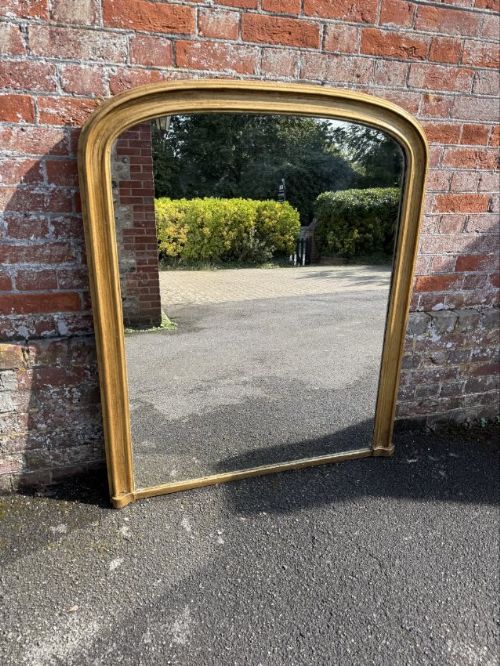
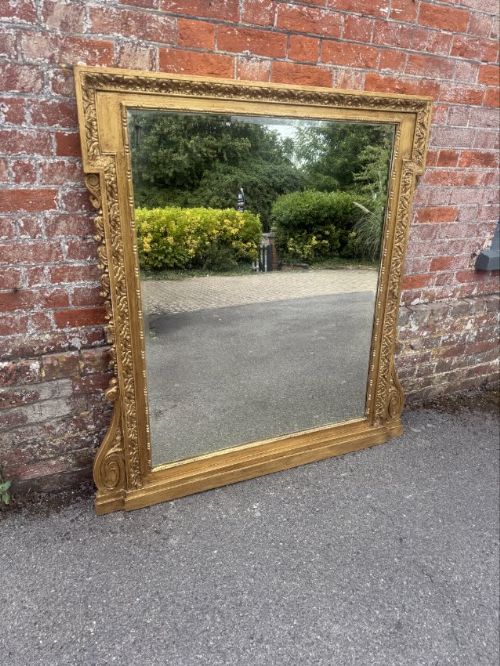
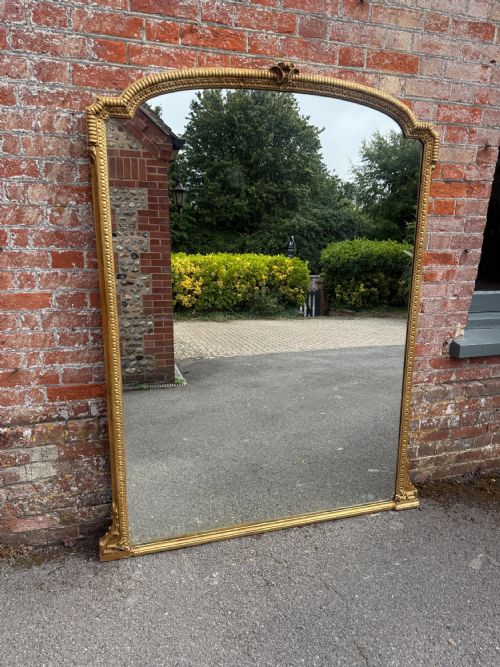
A carved gesso mantel mirror is a large decorative glass panel designed to sit above a chimney breast, originating primarily from the nineteenth century. These objects function as architectural focal points within Victorian and French interiors, combining utility with grand scale.
The pieces appearing on this page span several decades from the 1850s through the 1880s, alongside earlier eighteenth-century examples. English overmantel mirrors and French Louis Philippe or Rococo wall mirrors form the main categories encountered by buyers.
Most examples present arched tops, shaped frames, or rectangular formats designed to anchor the proportions of a principal reception room. Artisans constructed these large plates to bounce natural light around high-ceilinged spaces while framing the hearth below.
How They Were Made
Makers built these frames using a foundational structure of carved wood, upon which they applied layers of gesso to form intricate low-relief ornamentation. This plaster-like mixture allowed craftsmen to model elaborate scrollwork, rope twists, and floral motifs before finishing.
Surfaces received either gold leaf gilding or decorative paint finishes, sometimes combining both techniques on a single ornate moulding. Original mirror glass, including mercury plates on earlier pieces, was set within the rabbet behind secure backing boards.
Carved Gesso Mantel Mirror Retail Price Guide 2026
Typical asking prices for carved gesso mantel mirror among the pieces listed under this phrase on Sellingantiques today, from the lower quarter to the upper quarter. They describe what is for sale here now, not the wider market.
Listings feature nineteenth-century periods including Victorian and Edwardian eras, alongside earlier eighteenth-century items.
What Varies in Quality
The crispness of the moulded gesso relief distinguishes finer frames from simpler production, revealing the skill of the original modeller in the depth of the scrolls and floral elements. Crisp, undercut ornament retains sharp definition beneath layers of gilding or paint.
The integrity of the reflective glass plate and the presence of original gilding or early paint finishes determine historical value. Retaining the original mirror plate and undisturbed surface patination elevates an example far above pieces with later replacements.
The Carved Gesso Mantel Mirror Glossary
- Gesso
- A mixture of plaster of Paris and binder used to build up decorative mouldings on wooden frames. Artisans applied this compound in multiple layers before carving and gilding.
- Overmantel mirror
- A large wall mirror specifically proportioned to hang on the chimney breast directly above a fireplace mantel. These pieces typically feature wide horizontal or arched formats.
- Mercury plate
- An early type of mirror glass produced by applying a tin and mercury amalgam to the rear of the glass sheet. This technique creates a characteristic mottled, deep reflection.
- Giltwood
- Timber that has been covered with a thin layer of gold leaf applied over a prepared gesso base. This finish provides a warm, reflective metallic sheen.
- Louis Philippe
- A nineteenth-century French style characterised by understated neoclassical restraint, often featuring rounded upper corners and clean framing. Pieces from this period balance simplicity with elegant proportions.
Carved Gesso Mantel Mirror: Frequently Asked Questions
How do I hang a heavy overmantel mirror safely?
These large nineteenth-century pieces require substantial wall fixings anchored directly into masonry or secure studs above the fireplace. Professional installation is standard practice given the considerable weight of the wood, gesso, and glass.
Weight distribution must be carefully managed across multiple secure brackets rather than relying on a single central wire. Ensuring the frame rests securely on the mantel shelf itself provides additional structural support.
What is the difference between an English and a French mantel mirror?
English overmantel mirrors from the nineteenth century frequently feature robust architectural mouldings, arched tops, and elaborate rope twist or column details. They were engineered specifically to dominate nineteenth-century domestic hearths.
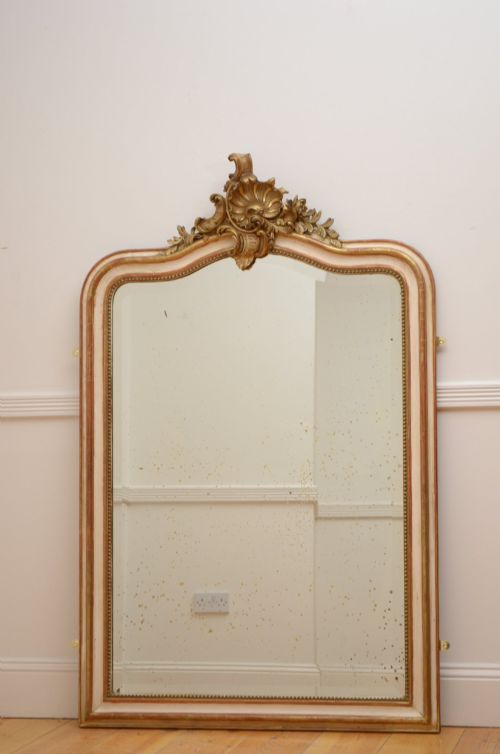
French equivalents, such as Louis Philippe or Rococo examples, often display softer rectangular or arched silhouettes with refined gesso scrollwork. French frames tend to emphasise delicate curves and lighter painted or gilt finishes.
Should I clean or replace an original mirror plate?
Original mirror glass often exhibits foxing, dark spots, and silvering loss that authenticates the age of the antique. Collectors generally prefer preserving these historic irregularities over installing modern, flawless replacement glass.
Gentle cleaning with a soft dry cloth removes surface dust without disturbing the fragile backing or the silvered surface. Harsh chemical cleaners must be avoided entirely to protect both the glass and the surrounding gesso.
How do I date a carved gesso mirror?
Dating relies on examining the framing style, the composition of the gesso mouldings, and the characteristics of the glass plate. Mid-nineteenth-century pieces often display distinct Victorian or Napoleon III decorative conventions.
Earlier eighteenth-century items reveal different edge treatments and heavier mercury plates compared to later Victorian productions. The construction methods visible on the reverse of the wooden frame further clarify the manufacturing period.