

English Gilded Mirror
An English gilded mirror brings warmth and reflective depth to a room through carved wood, gesso, and gold leaf.
English Gilded Mirror
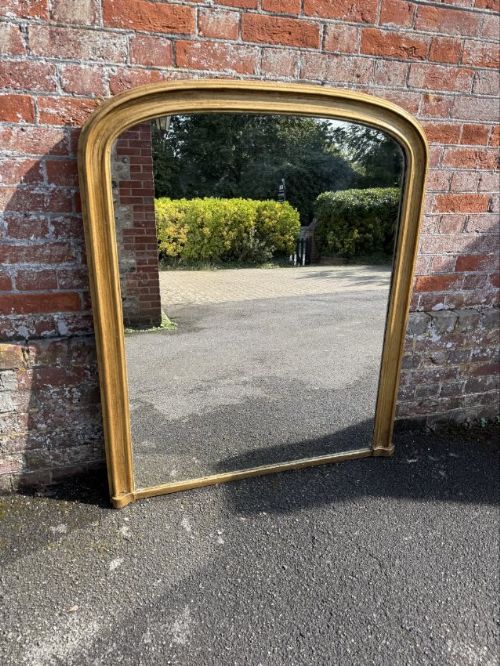
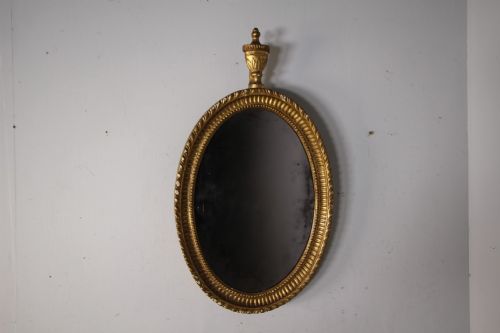
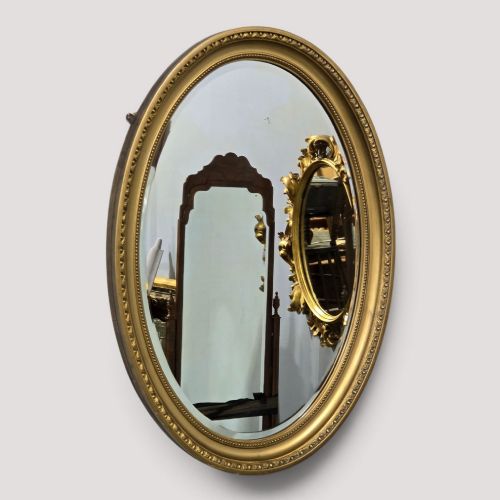
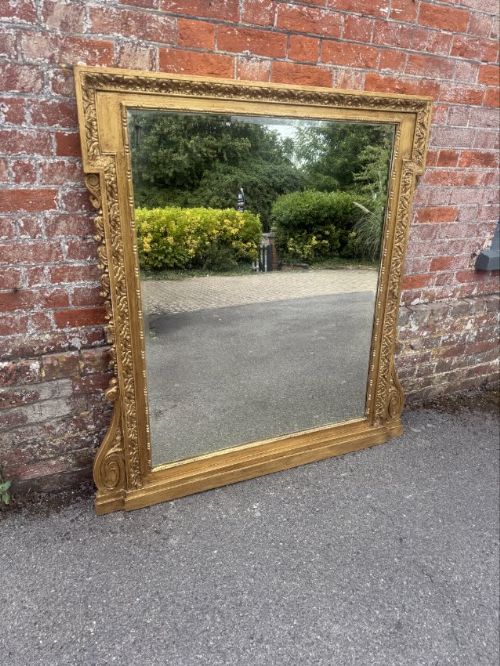
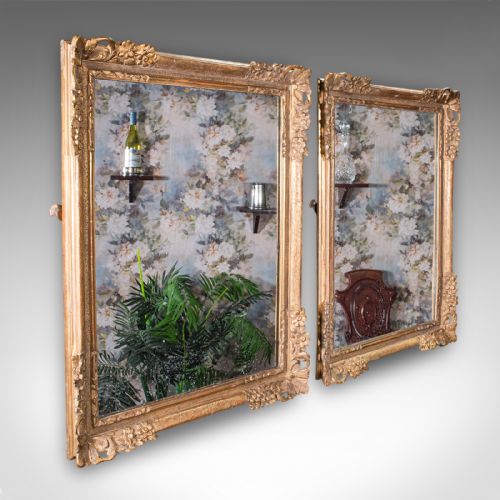
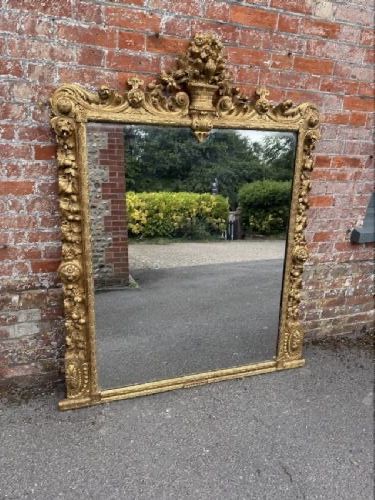
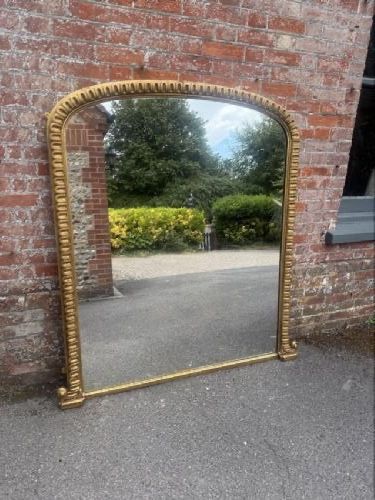
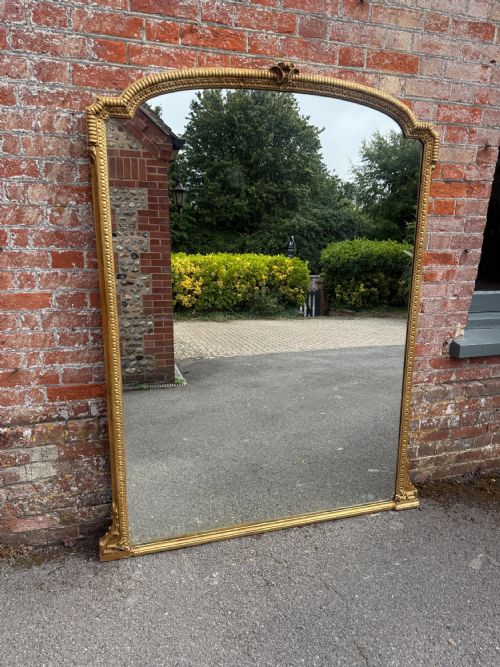
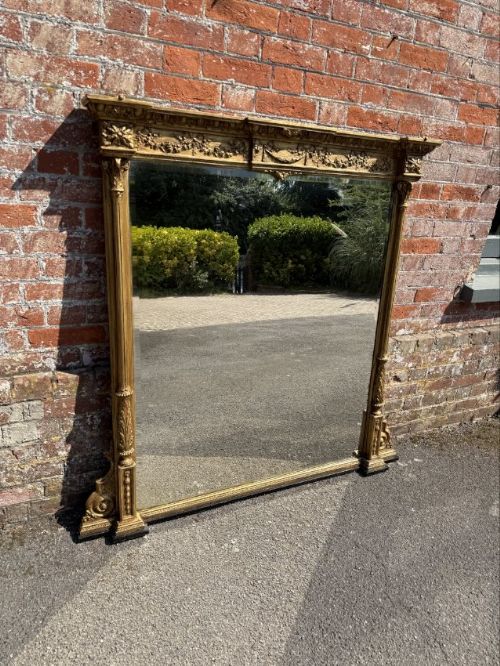
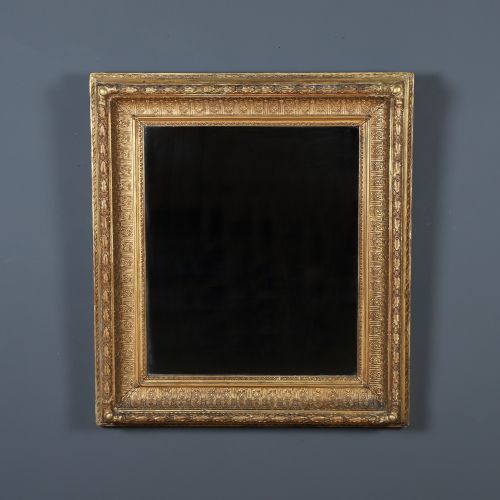
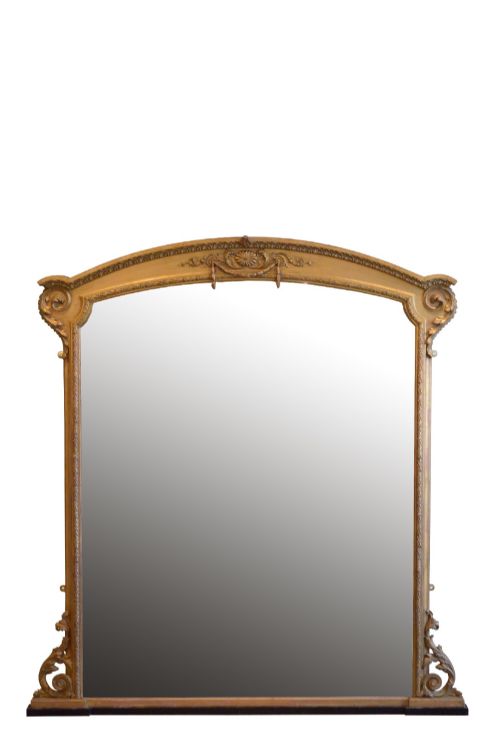
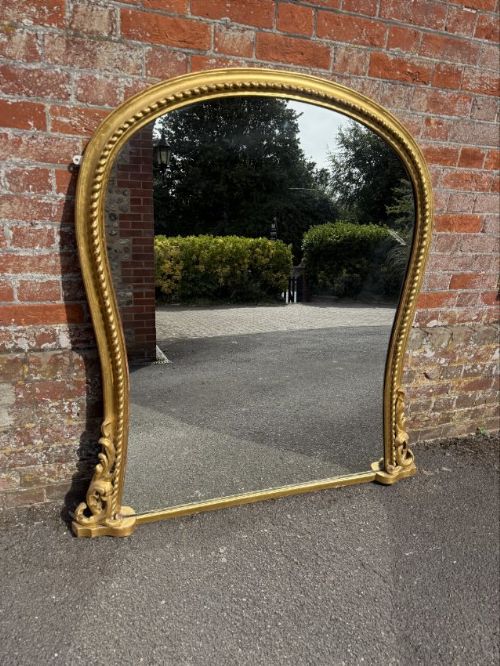
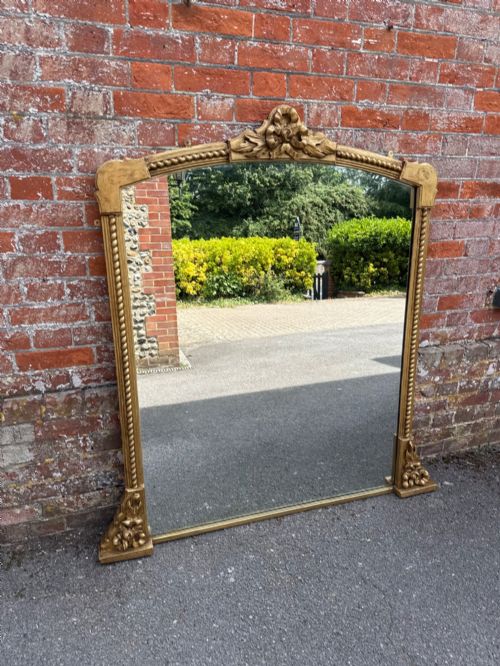
When searching for an english gilded mirror, buyers encounter a variety of forms designed to hang above mantelpieces, on drawing room walls, or between windows as pier glasses. These pieces span the eighteenth and nineteenth centuries, taking shapes from simple ovals and rectangles to elaborate arched, shaped, and column-framed silhouettes.
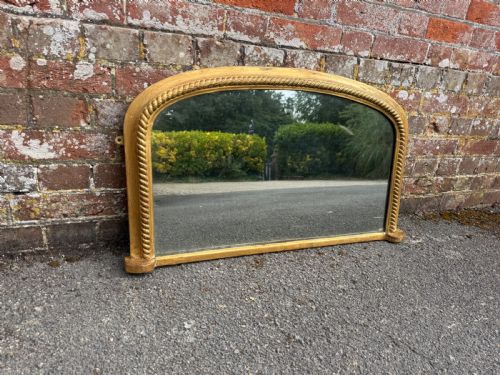
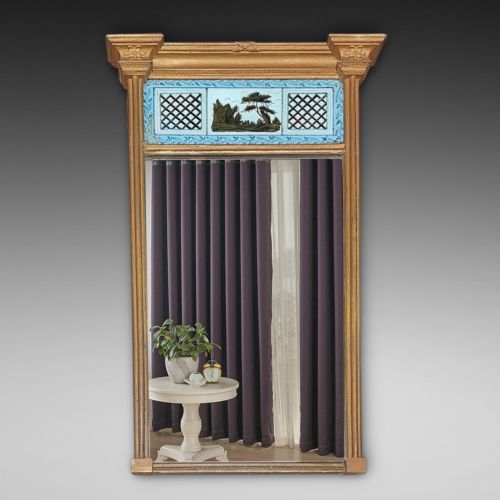
The most common versions met on this page are nineteenth-century overmantel mirrors, typically large in scale and constructed with carved wood and gesso frames. Alongside these, buyers find Regency pier mirrors, Victorian wall mirrors, and earlier eighteenth-century oval or rectangular examples reflecting Georgian and neoclassical tastes.
How They Were Made
Frames rely on a foundation of timber, such as hardwood, pine, or carved wood, which provides structural integrity for the heavy glass plates. Artisans applied layers of gesso to this wooden base, smoothing the surface before carving intricate details like rope twists, column frames, and ribbed mouldings.
Guilders then applied gold leaf or oil gilt over the prepared gesso, sometimes combining this with composition ornaments moulded in relief. Mirror plates within these frames occasionally display age characteristics such as foxing, retaining their original mercury or silvered glass surfaces.
Some nineteenth-century mirrors retain foxed glass plates that show charmingly cloudy reflections of centuries past.
What Varies In Quality
The distinction between tiers of craftsmanship lies in the depth and sharpness of the hand-carved woodwork beneath the gesso, compared to mass-produced composition mouldings. Superior examples maintain crisp architectural details and fluid ornamentation rather than soft, blurred edges.
Proportion and the preservation of original gilding and glass plates dictate desirability, where untouched surfaces with natural ageing outrank heavily restored or later re-gilt pieces.
The English Gilded Mirror Glossary
- Gesso
- A plaster-like mixture applied to wooden frame foundations to create a smooth surface for carving and gilding. It allows artisans to achieve sharp relief details.
- Giltwood
- Timber that has been coated with gold leaf or metallic paint. This finish creates the characteristic bright, reflective surface seen on period frames.
- Overmantel Mirror
- A large horizontal mirror designed specifically to hang above a fireplace mantel. These pieces often feature arched or shaped tops to fit architectural proportions.
- Pier Mirror
- A tall, narrow mirror made to hang on the wall space between two windows, frequently paired with a console table below.
- Foxing
- Small dark spots and discolouration within the mirror glass caused by age and chemical interaction. Collectors often prize this trait as evidence of antiquity.
English Gilded Mirror: Frequently Asked Questions
Where should I hang an overmantel mirror?
These large mirrors traditionally sit directly above a fireplace mantelpiece to anchor the room's proportions and reflect light. They also function effectively along main reception room walls.
Ensure the wall structure supports the substantial weight of the timber and gesso frame before installation.
How do I identify a Regency period mirror?
Regency pieces often incorporate neoclassical motifs, architectural columns, and convex or verre eglomise glass panels. Look for classical restraint and symmetry in the carved decoration.
These designs frequently date from the early nineteenth century and reflect a distinct departure from earlier rococo excesses.
How should I clean antique gilded frames?
Dust the carved wood and gesso surface gently with a soft, dry brush to prevent damage to the delicate gold leaf layer. Avoid using water, liquid cleaners, or chemical polishes.
Preserving the original oil gilt or gold leaf finish requires minimal intervention and careful handling.