
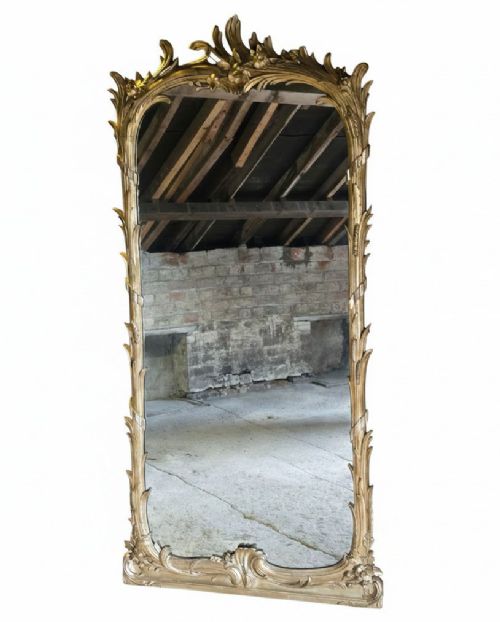
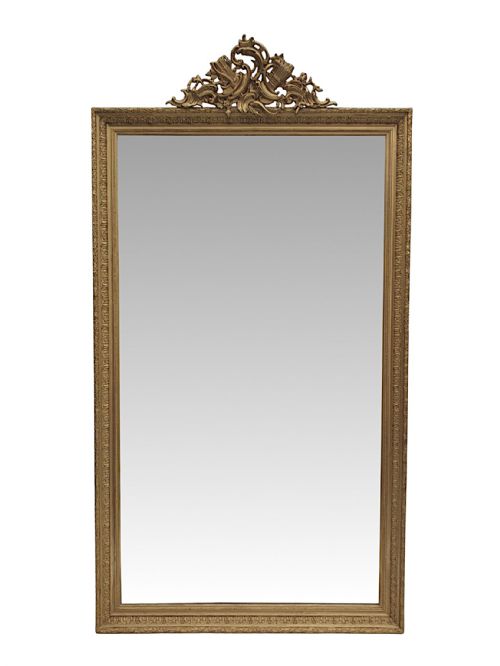
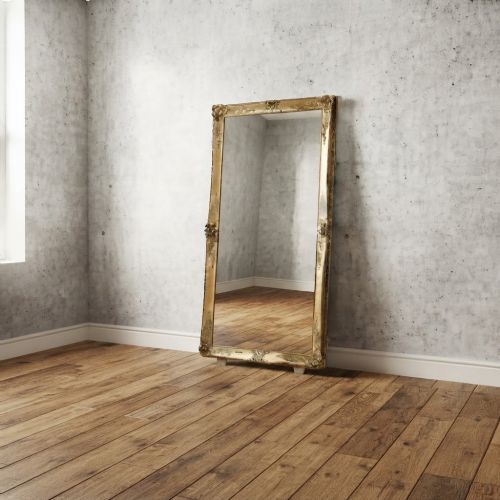
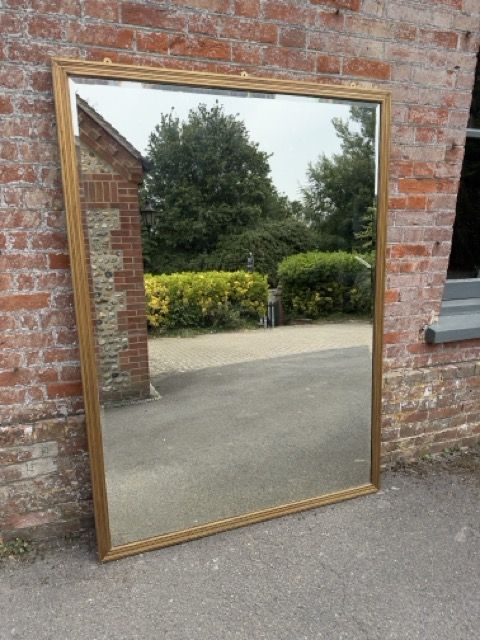
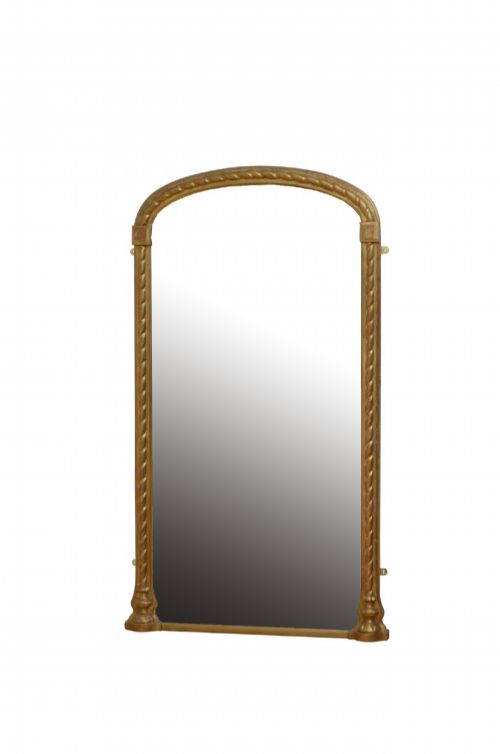
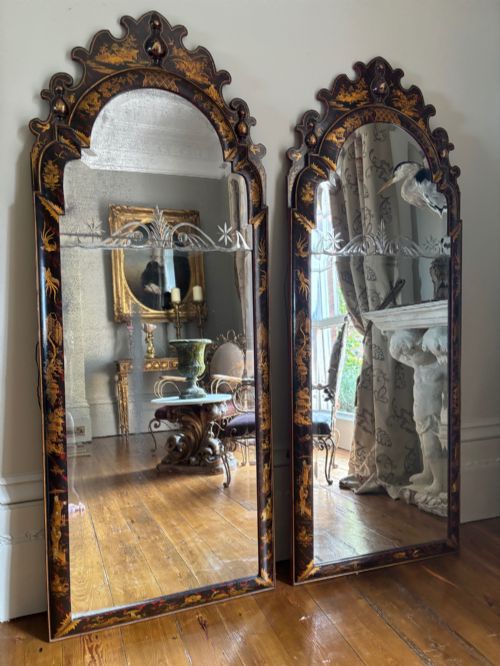

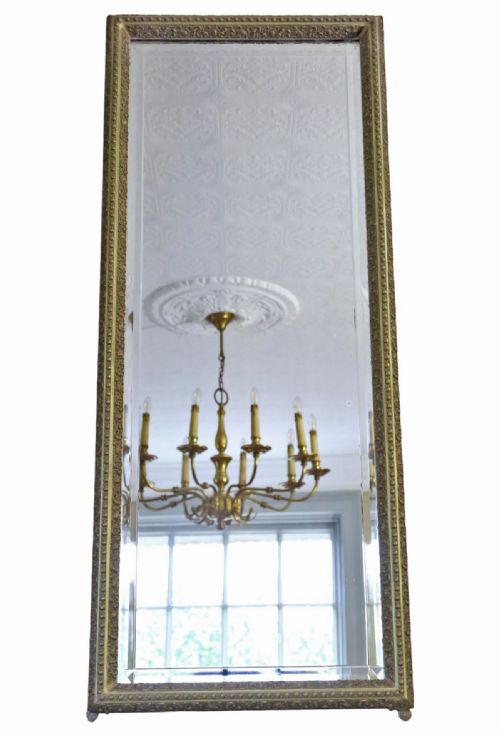
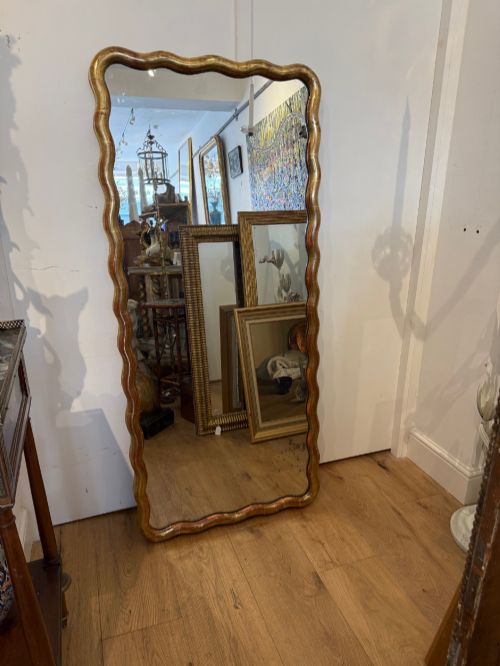

Gold Full Length Mirror
A gold full length mirror brings immediate scale and reflected light into a room, spanning periods from Regency to the early twentieth century.
Gold Full Length Mirror
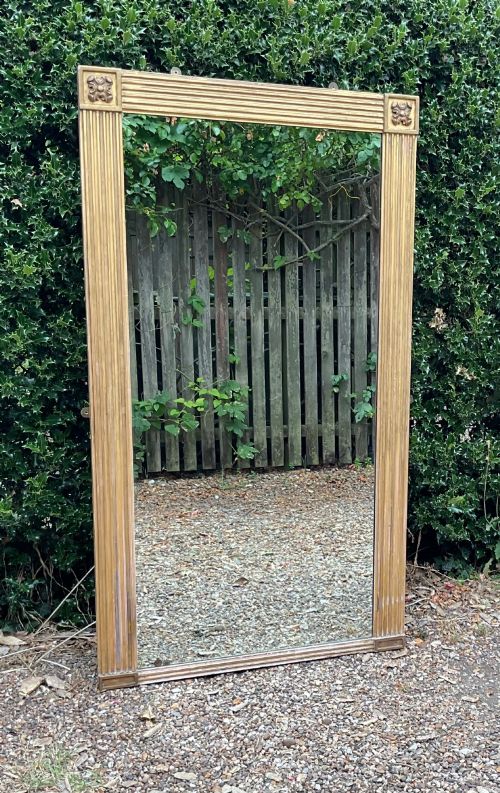
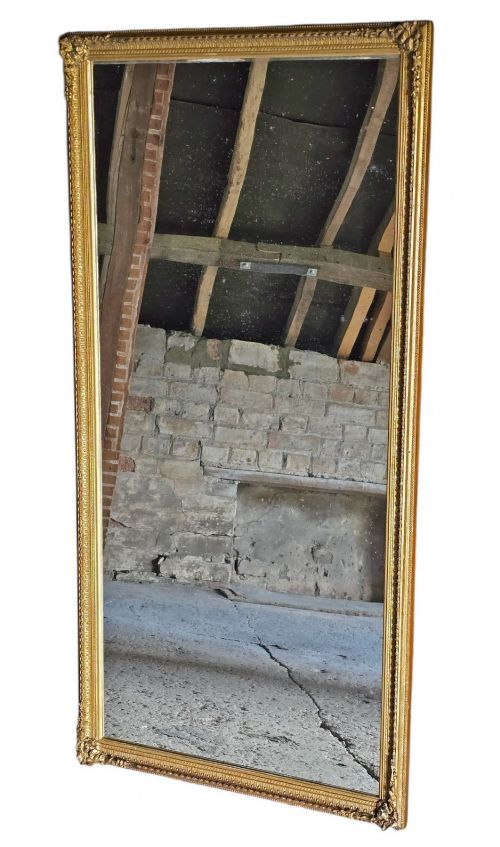
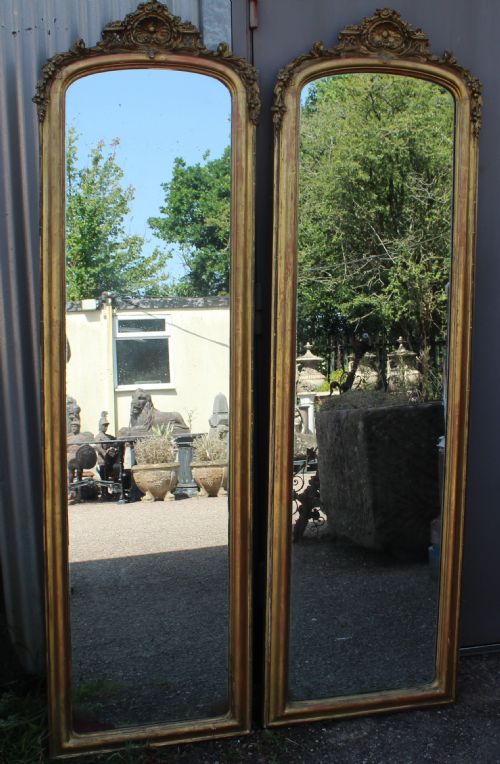
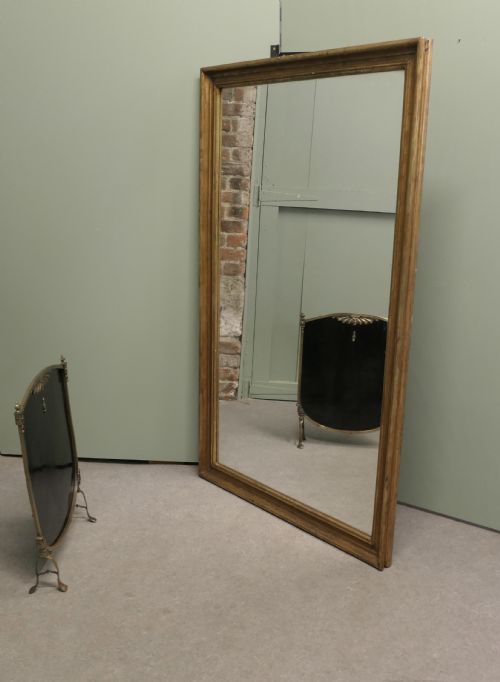
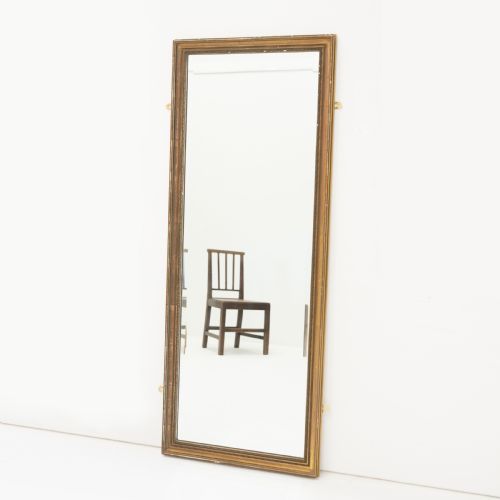
A gold full length mirror typically presents as a tall leaner, cheval, or floor-standing dressing glass designed to reflect the entire figure. The listings show significant nineteenth-century and early twentieth-century examples, including French chateau styles, grand Regency pieces, and Victorian overmantels adapted for vertical placement.
Most items you encounter carry ornate giltwood, gesso, or carved wooden frames shaped with arched, rectangular, or shaped tops. Origins span English workshops, Italian ateliers, and French provincial makers, often following Louis Philippe, Rococo Revival, or Neoclassical design traditions.
How They Were Made
Frames are constructed from carved wood, frequently layered with gesso to build up intricate surface detail before the application of gold leaf, silver leaf, or gilt paint. Many frames incorporate timber foundations such as mahogany, walnut, or softwood.
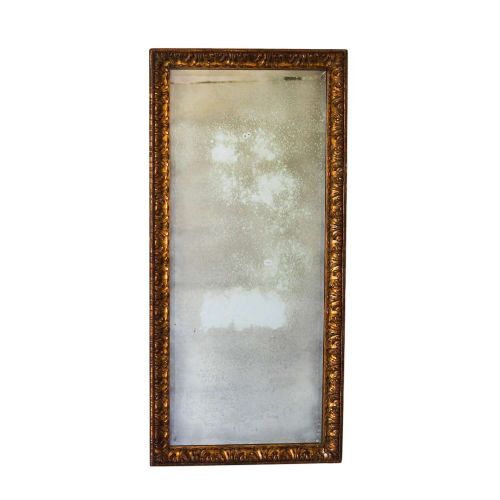
Mirror plates are set within these heavy frames, occasionally showing aged or distressed qualities inherent to nineteenth-century and early twentieth-century manufacturing methods.
Current listings feature mirrors spanning the Regency period through the 1920s, constructed in giltwood, mahogany, walnut, and gesso.
What Varies in Quality
The standard of carving and the depth of the gesso relief define the visual weight of the frame. Hand-carved wooden details and original gilding indicate superior craftsmanship compared to simpler moulded decoration.
Proportion and scale dictate the success of a gold full length mirror, with taller leaner frames and balanced architectural mouldings commanding greater presence in an interior.
The Gold Full Length Mirror Glossary
- Giltwood
- Wood that has been coated with gold leaf or a gold-coloured finish. This technique creates a luminous surface that catches and reflects ambient light.
- Gesso
- A plaster-like mixture applied to wood frames to create a smooth surface for carving and gilding. It allows for intricate relief ornamentation.
- Cheval mirror
- A freestanding full-length mirror hung in a frame that allows it to swing. This form became popular for bedroom dressing during the nineteenth century.
- Leaner mirror
- A large mirror designed to stand upright against a wall without being hung. These tall pieces often feature heavy frames to maintain stability.
- Pier glass
- A tall, narrow mirror designed to hang on the wall between windows. They frequently match the vertical proportions of early full-length examples.
Gold Full Length Mirror: Frequently Asked Questions
Where should a full length mirror be placed?
These mirrors function effectively in hallways, bedrooms, and principal living spaces where their height expands the visual boundaries of the room. Placing them opposite a window maximises the intake of natural light.
Leaner versions require sturdy contact with a wall and floor to ensure stability during daily use. Freestanding cheval designs allow for angle adjustments without wall attachment.
How do I identify a nineteenth century mirror?
Nineteenth-century examples frequently rely on hand-carved wood and gesso frames finished with genuine gold leaf. Look for traditional construction methods and timber backing appropriate to the period.
Stylistic cues such as Louis Philippe arches, heavy neoclassical moulding, or French Rococo Revival curves help distinguish these pieces from later reproductions.
What is the difference between a leaner and a wall mirror?
Leaner mirrors are built with heavier frames and substantial proportions specifically intended to stand securely against a vertical surface from the floor. They offer a true full-length reflection without requiring wall fixings.
Wall mirrors are engineered to be hung safely from structural brackets and often include smaller dressing or overmantel formats rather than floor-to-ceiling glass.
How do I care for antique gilt frames?
Giltwood and gesso surfaces require gentle dusting with a dry, soft cloth to prevent accumulation without disturbing delicate leaf work. Moisture and chemical cleaners damage the thin metallic layers.
Keeping these mirrors away from direct sunlight and damp environments preserves the underlying wood and prevents the gesso from cracking over time.