
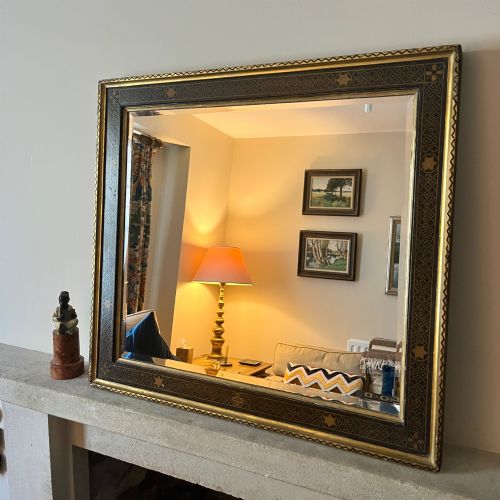
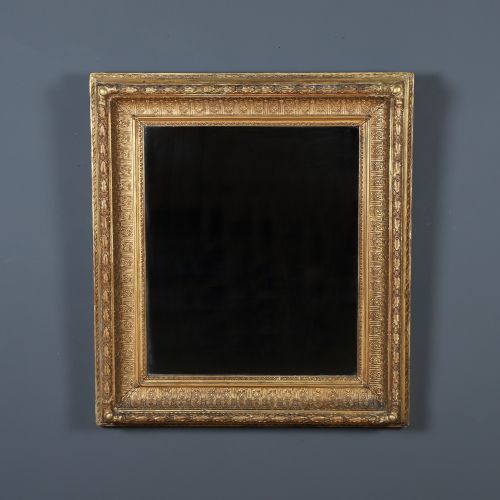
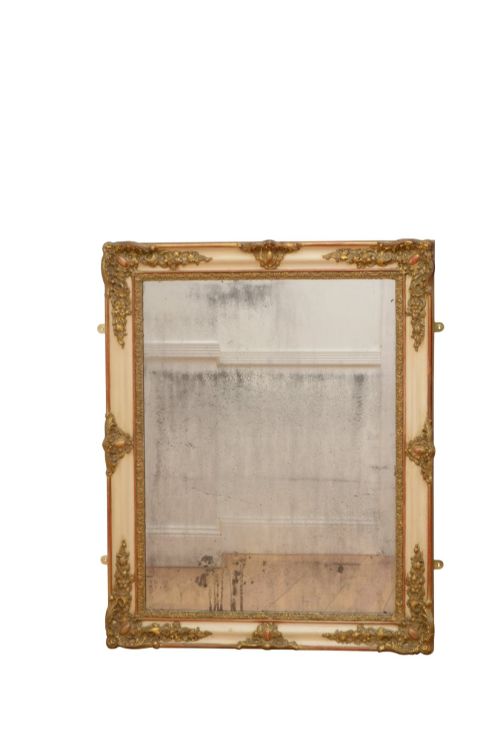
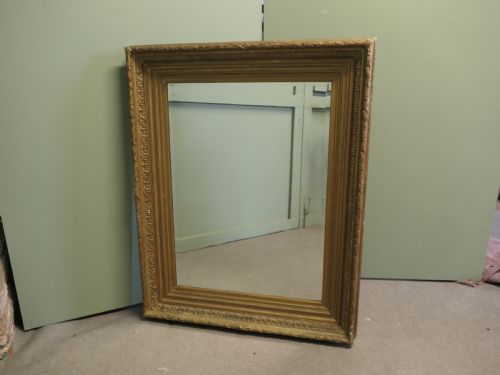
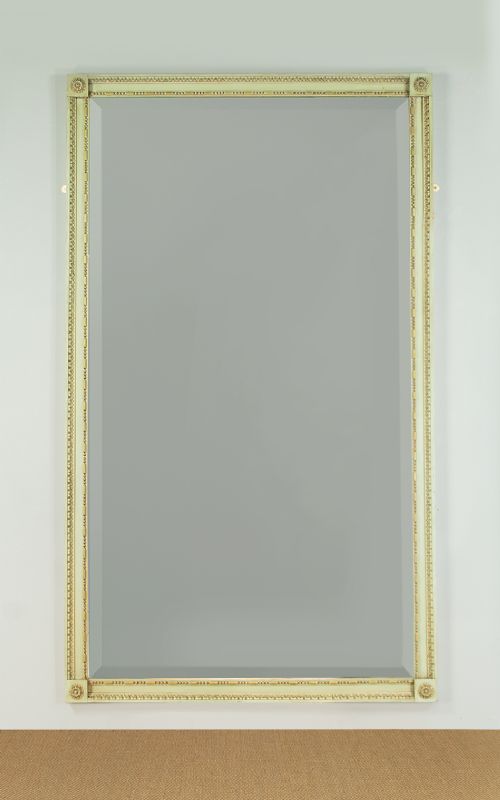
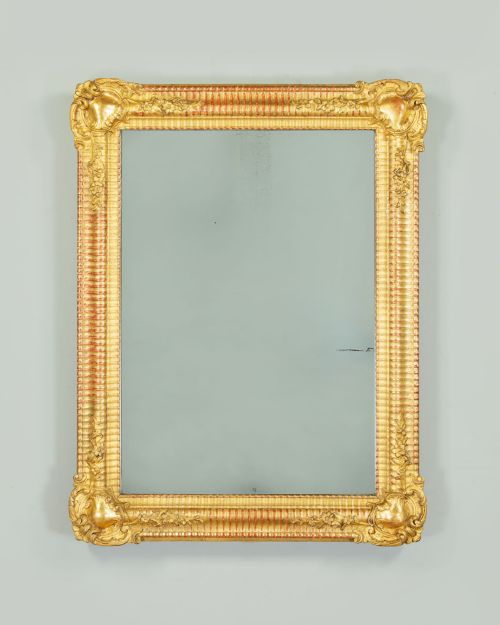
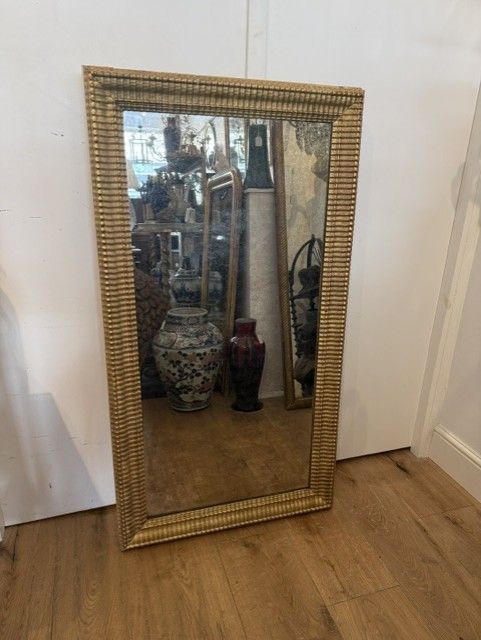
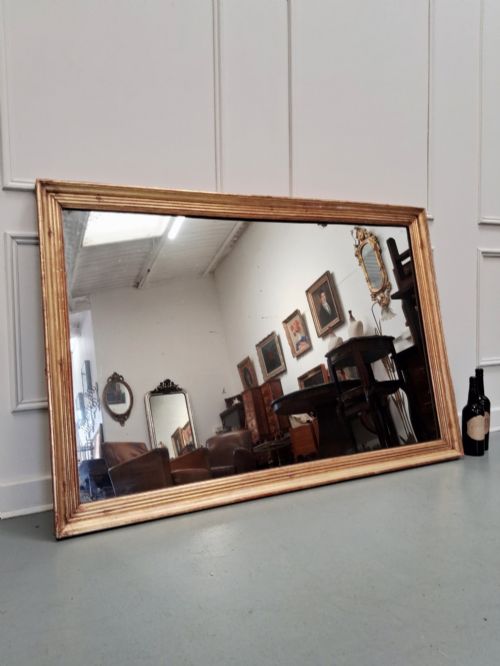
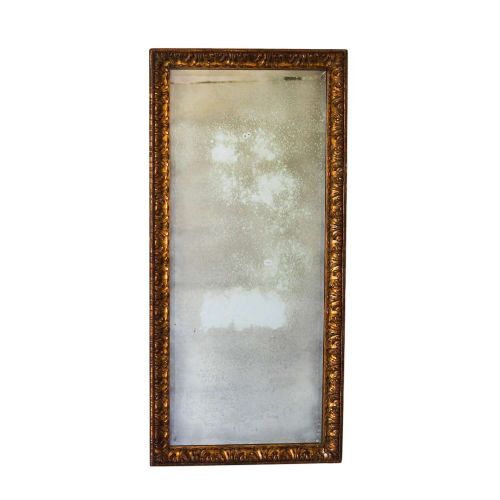
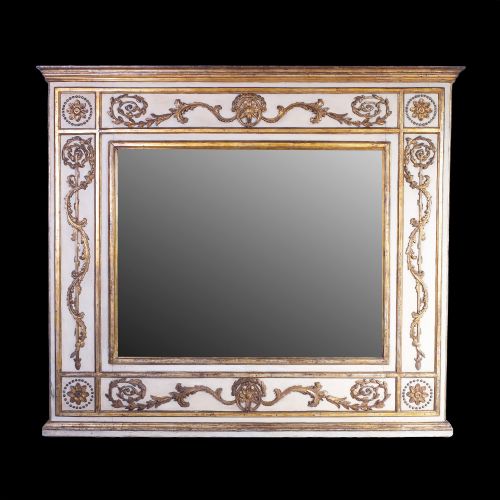
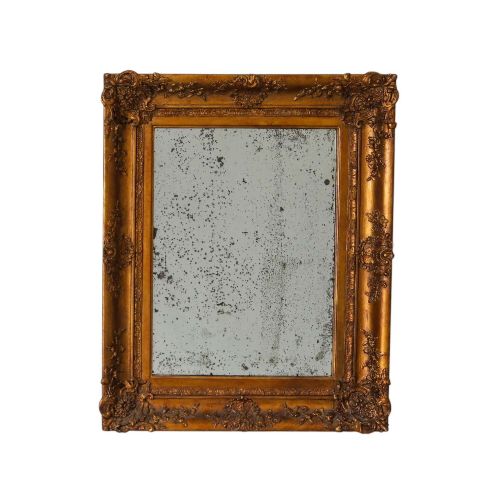
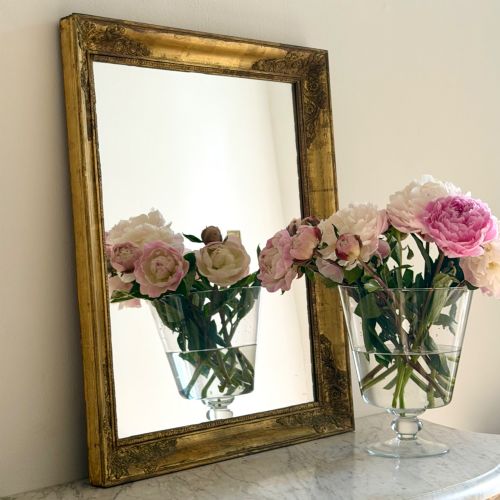
Gilded Rectangular Wall Mirror
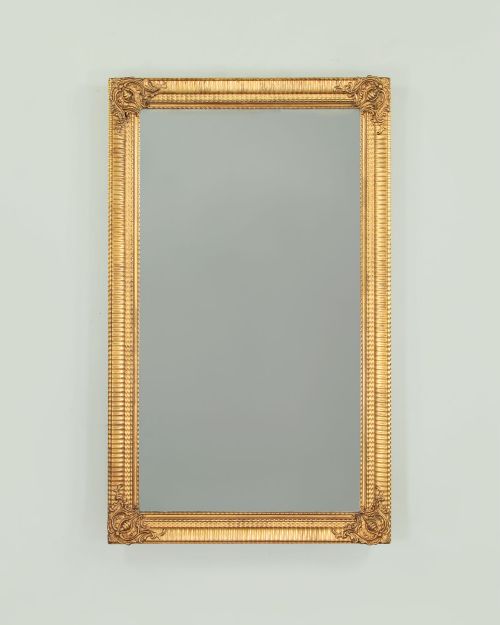
A gilded rectangular wall mirror brings light and presence to a room, drawing the eye with metallic warmth and formal balance.
Gilded Rectangular Wall Mirror
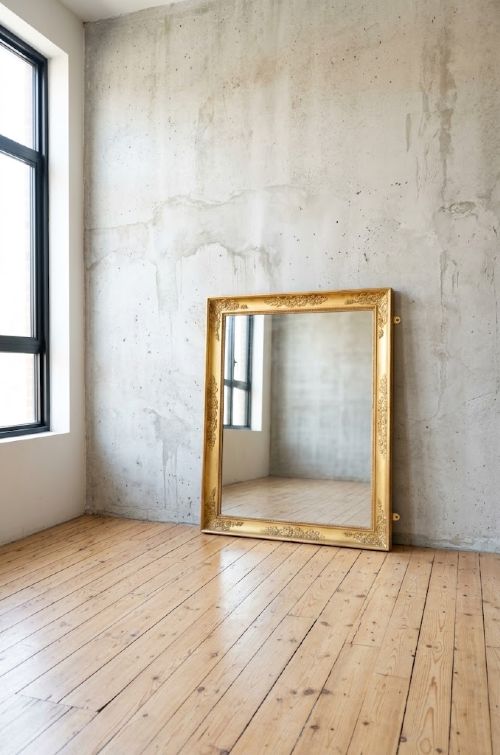
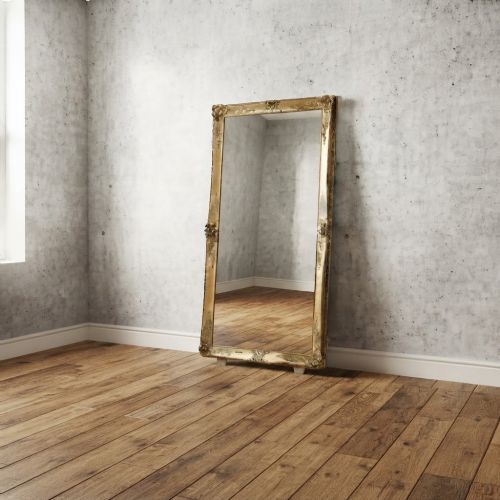
A gilded rectangular wall mirror is a classic furnishing designed to reflect interior light while anchoring a wall space with architectural proportion. When you search for this phrase, you meet pieces spanning the nineteenth century through to the early twentieth century, taking forms such as overmantel mirrors, pier mirrors, and leaner mirrors.
The selection ranges widely in regional character and scale, including French chateau and Rococo examples alongside English Victorian and Regency designs. Many retain their original proportions for placement above mantelpieces or along principal reception room walls.
Makers and workshops from periods like the Regency and Edwardian eras produced these frames in varying dimensions, from intimate dressing mirrors to very large decorative wall fittings. The overarching format remains strictly rectangular, lending itself equally to portrait orientation and landscape positioning.
How they were made
Traditional construction relies on a timber substrate, often pine or hardwood, which receives a layer of gesso before gilding takes place. Artisans applied gold leaf or oil gilt directly onto the prepared surface, sometimes incorporating carved wooden or moulded gesso details such as floral and mythological motifs.
Mirror glass plates were traditionally silvered by hand or via early industrial processes, frequently resulting in foxed plates with aged patination over decades of exposure. Frames were finished with paint, ebonisation, or burnished gold to achieve distinct decorative effects.
The listings feature wood, gesso, paint, and gold leaf applied across Victorian, Regency, and French Chateau styles.
What varies in quality
The depth and crispness of the carved wood and gesso ornamentation separate standard production frames from exceptional pieces. Skilled carvers achieved sharp, clean lines in floral and classical motifs that retain their definition beneath layers of historic gilding.
The integrity of the original plate and the application of the gold leaf also distinguish finer examples. High-grade pieces show careful burnishing and cohesive integration between the timber frame, the gesso ground, and the historic mirror glass.
The Gilded Rectangular Wall Mirror Glossary
- Giltwood
- Timber that has been covered with gold leaf or powder over a prepared gesso base. This technique provides the characteristic metallic sheen seen on period frames.
- Gesso
- A plaster mixture applied to wood frames to create a smooth surface for carving and gilding. It allows for intricate relief decoration.
- Overmantel
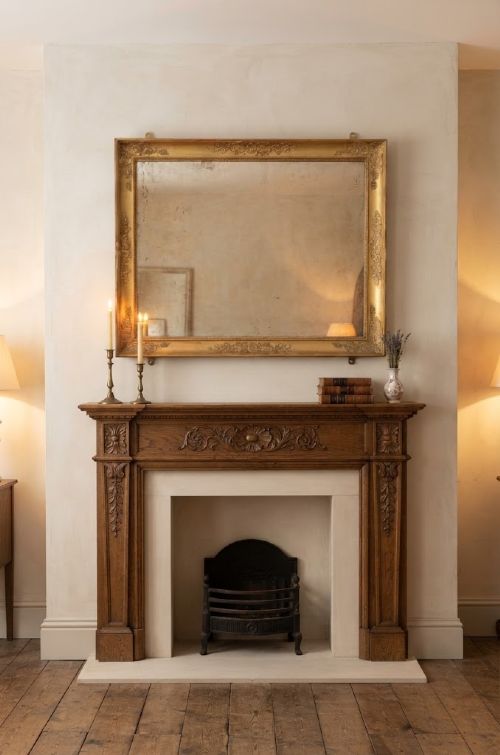
- A large mirror specifically designed to hang above a fireplace mantelpiece. These pieces often feature wide landscape proportions.
- Pier mirror
- A tall, narrow mirror traditionally hung on the section of wall between two windows. They reflect natural light back into the room.
- Foxed plate
- Mirror glass displaying dark spots or patches caused by the degradation of the silver backing over time. Collectors prize this aged characteristic for its authenticity.
Gilded Rectangular Wall Mirror: Frequently Asked Questions
How do I hang a heavy antique mirror safely?
Heavy frames require secure fixings anchored directly into wall studs or masonry using appropriate weight-rated brackets. Professional installation is strongly recommended for large overmantel and leaner formats.
Ensuring the hanging wire or integrated D-rings match the substantial weight of the timber and glass prevents structural strain over time.
What is the difference between an overmantel and a wall mirror?
An overmantel mirror is specifically proportioned to sit above a fireplace hearth, usually possessing a wider landscape orientation suited to that architectural space. Standard wall mirrors are designed for general room placement.
Both utilise similar gilded frames and glass plates, but their historical placement dictates their dimensions and framing emphasis.
How should I clean a historic gilt frame?
Dust the gilded surface gently with a soft, dry brush to remove particulate matter without disturbing the delicate gold leaf or gesso. Avoid liquid cleaners and chemical solvents entirely.
Water and commercial sprays can permanently strip historic oil gilt and soften the underlying gesso preparation.
Can I replace the mirror glass?
Original mirror glass with foxed patination is generally preserved by collectors for its historical integrity. Replacing the plate is possible if the original glass is shattered, but it alters the period appearance.
Many antique pieces retain their original glass plates alongside modern alternatives where replacement was necessary.