




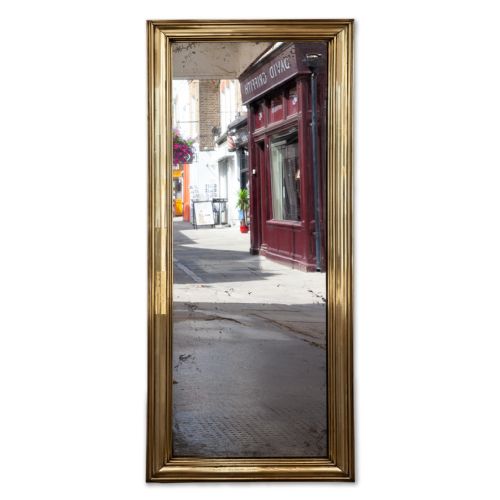


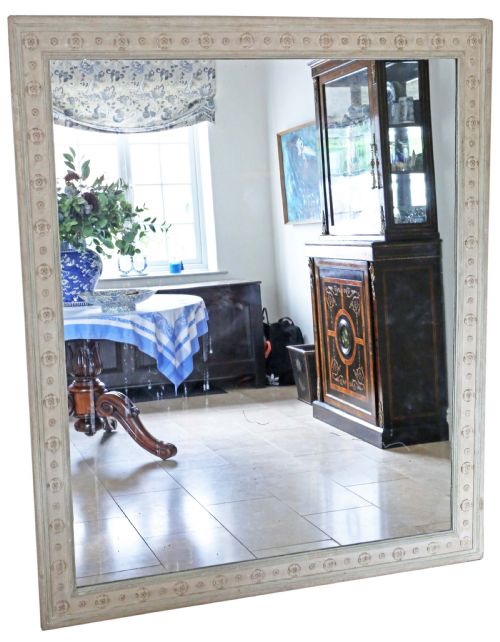
Distressed Plate French Mirror
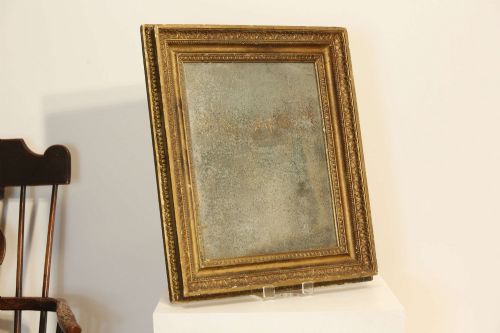
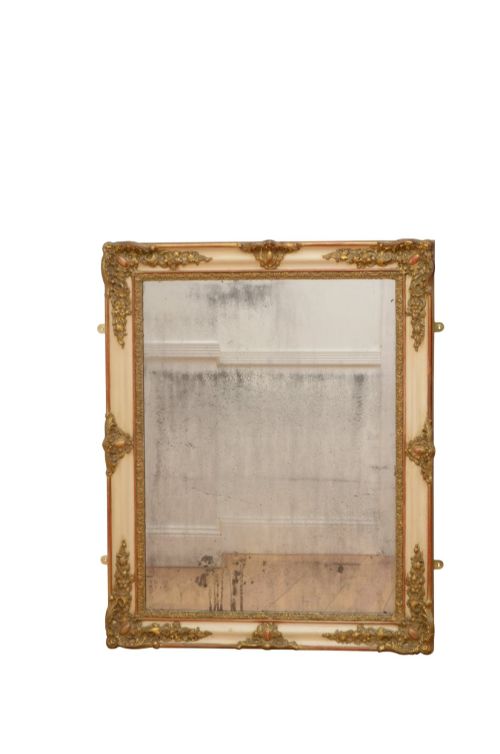
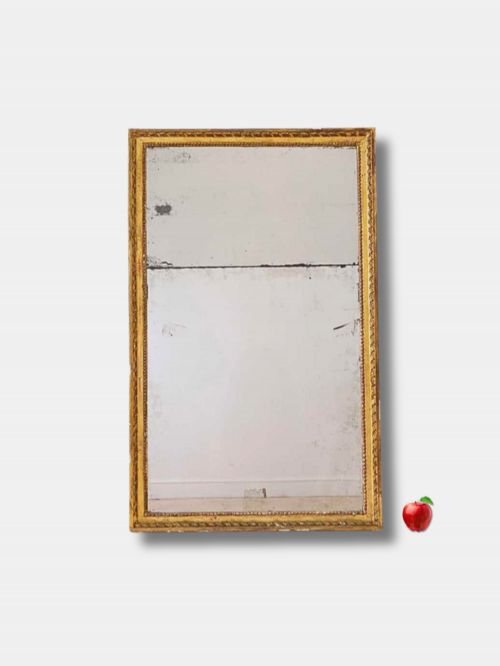
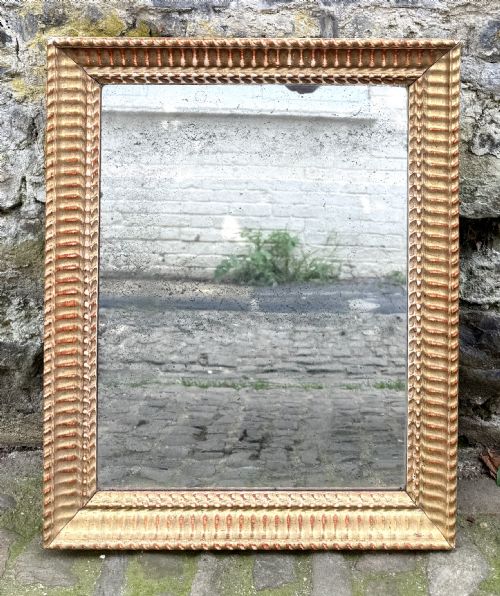
These distressed plate french mirror pieces bring aged character to a room, offering authentic antique charm through weathered glass and classic frames.
Distressed Plate French Mirror
A distressed plate french mirror is typically a wall mirror or an overmantel mirror originating from periods such as the 18th century, 19th century, and early 20th century.
Buyers seeking this phrase encounter wall mirrors and overmantel mirrors defined by styles including French Rococo, Louis XVI, Louis Philippe, and French Neoclassical.
The most common examples on this page date from the 19th century, incorporating wood, gesso, and glass frames alongside painted or giltwood finishes.
Materials and construction
Frames are constructed from wood and gesso, frequently finished with gold leaf or paint to create traditional giltwood and painted surfaces.
Plates utilise mercury glass, which ages over time to produce the characteristic clouding and foxing associated with antique mirrors.
Distressed Plate French Mirror Retail Price Guide 2026
Typical asking prices for distressed plate french mirror among the pieces listed under this phrase on Sellingantiques today, from the lower quarter to the upper quarter. They describe what is for sale here now, not the wider market.
Some French bistro mirrors survived decades in bustling cafes before finding a quieter retirement on a modern living room wall.
Distinguishing quality
Quality rests in the depth of hand-carved detail on the wooden and gesso frames, where finer examples display crisper moulding and more intricate ornamentation.
The nature of the plate also dictates the character, as genuine original mercury glass exhibits natural patination that differs from later replacements.
The Distressed Plate French Mirror Glossary
- Mercury glass
- A type of silvered glass created by pouring a liquid mercury amalgam between double-walled glass, prone to developing an aged, mottled appearance.
- Giltwood
- Wood that has been coated with a thin layer of gold leaf or gold paint. This finish provides a luminous surface that catches the light in period interiors.
- Gesso
- A plaster-like mixture applied to wood frames to create a smooth surface for gilding or painting. It allows craftsmen to carve intricate decorative motifs.
- Overmantel mirror
- A large mirror designed specifically to be hung above a fireplace mantel. These pieces often feature horizontal proportions suited to that architectural space.
Distressed Plate French Mirror: Frequently Asked Questions
What is an overmantel mirror?
An overmantel mirror is a large wall mirror designed to sit directly above a fireplace mantelpiece. Its proportions usually complement the width of the fireplace below.
Historically, these pieces anchored the decorative scheme of a formal room, reflecting light from fires and windows.
How do I clean distressed glass?
Cleaning distressed glass requires gentle treatment with a soft dry cloth or minimal water. Harsh chemical cleaners can damage the fragile aged silvering behind the plate.
Preserving the original mercury finish means avoiding abrasive materials that might accelerate the wear on the foxed spots.
Where should I hang these mirrors?
These mirrors suit placement above mantelpieces, in hallways, or as focal points in living rooms. Their reflective surfaces help to bounce natural light around darker spaces.
Secure wall fixings are essential due to the substantial weight of the timber and gesso frames.
What makes mercury glass different?
Mercury glass uses a specific historical backing technique that develops distinct oxidation spots over decades. This natural degradation creates the sought-after cloudy aesthetic.
Modern mirrors lack this chemical ageing process, meaning genuine antique plates show unique patterns of wear.