


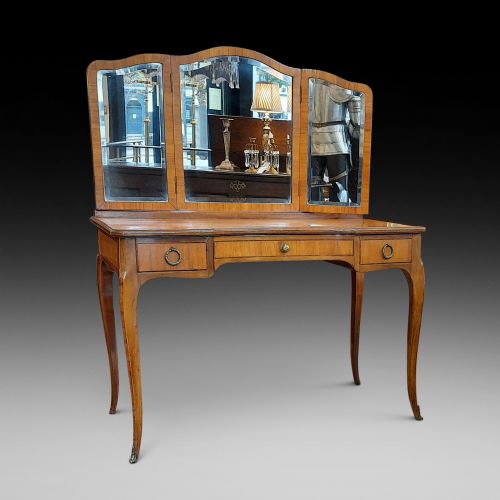


French Style Bedroom Mirror
A french style bedroom mirror brings continental elegance to a dressing room, offering striking decorative presence and practical reflection.
French Style Bedroom Mirror
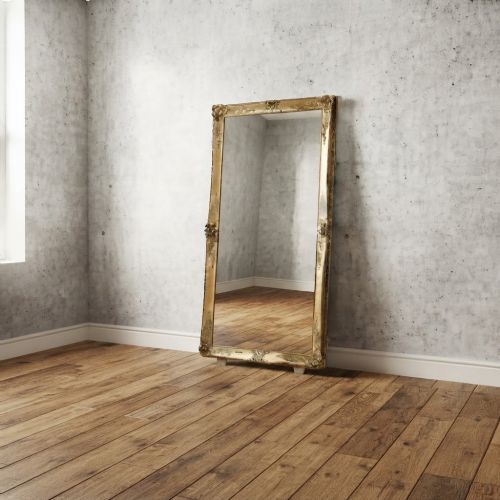
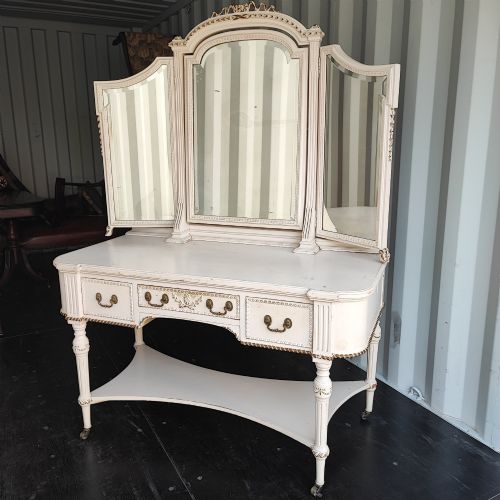
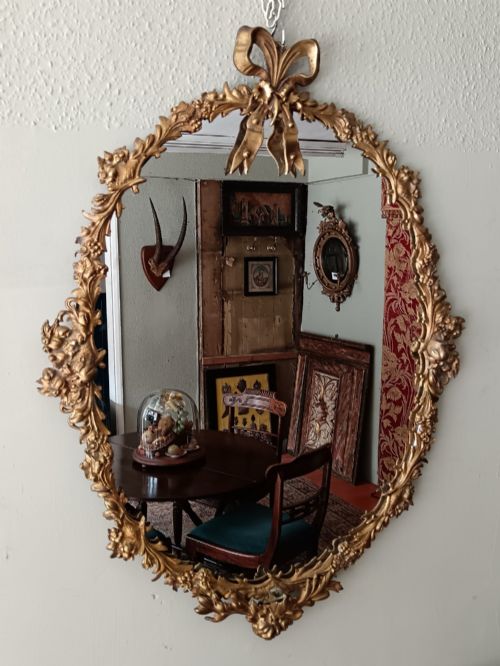
A french style bedroom mirror comprises various forms designed for personal grooming and interior decoration, frequently appearing as wall-mounted pieces, cheval glasses, or dressing table attachments. Buyers seeking this aesthetic encounter examples originating from the nineteenth century through to the 1930s.
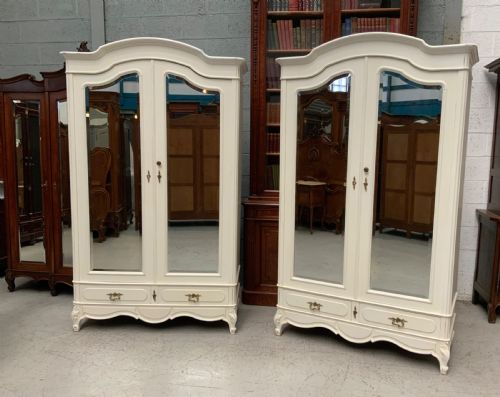
The selection includes specific regional and period interpretations such as the French Chateau, Louis XVI Revival, and French Empire styles. These objects often accompany matching furniture pieces like dressing tables, armoires, and chests of drawers within a comprehensive bedroom suite.
Materials and construction
Frames and associated furniture rely upon traditional timbers including mahogany, oak, kingwood, rosewood, and birds-eye maple, occasionally enhanced by crossbanding. Painted finishes in muted tones like plummet grey provide an alternative to exposed wood grain.
Decorative embellishments frequently incorporate cast brass mounts, gilt bronze, and carved giltwood details that define styles like Rococo Revival and Empire Revival. Mirrored glass forms the primary reflective surface, sometimes paired with marble tops on associated dressing chests.
The markers of distinction
Quality reveals itself through the crispness of carved wooden details and the precision of applied brass or gilt bronze embellishments. Superior examples exhibit harmonious proportions between the reflective glass and its surrounding timber or gilt frame.
The integrity of the underlying cabinetwork, from crossbanded veneers to integrated pivoting mechanisms on cheval glasses, separates standard utilitarian pieces from exceptional workshop production. Original painted surfaces or patinated giltwood retain a depth that lesser restorations obscure.
Maples of London and Paris
The French Style Bedroom Mirror Glossary
- Cheval mirror
- A freestanding full-length mirror suspended on a vertical swiveling frame. This design allows the glass to tilt for varying angles of reflection.
- Giltwood
- Timber carved and coated with a thin layer of gold leaf or metallic powder. It provides the brilliant reflective highlights characteristic of ornate revival styles.
- Crossbanding
- A decorative technique where veneer strips are laid perpendicular to the grain of the main panel. This creates a contrasting border around drawer fronts and tabletops.
- Faux bamboo
- Wood turned and carved to imitate natural bamboo stalks. It gained popularity during the Victorian period for light, exotic bedroom furnishings.
- Kingwood
- A dense, heavy exotic timber featuring rich dark brown and golden-violet stripes. Cabinetmakers valued it for fine marquetry and crossbanding on luxury furniture.
French Style Bedroom Mirror: Frequently Asked Questions
How do I choose the right size?
Consider the wall space and the proportions of existing furniture in the room. Full-length leaner mirrors require substantial clearance, whereas wall-mounted ovals suit smaller spaces above dressing chests.
Ensure the visual weight of the frame matches the scale of the surrounding pieces, particularly when pairing with large armoires or dressing tables.
What periods do these mirrors represent?
The available pieces span the nineteenth century and the early decades of the twentieth century. Styles range from Victorian interpretations to specific continental revivals like Louis XVI and French Empire.
Earlier nineteenth-century examples often display deep mahogany or giltwood frames, while 1920s and 1930s pieces introduce carved oak and painted finishes.
How should I care for the frame?
Dust giltwood and carved wooden frames gently with a soft, dry brush to protect delicate surfaces and metallic leaf. Avoid using liquid polishes on antique finishes, particularly where original paint or gilding is present.
Keep the mirrors away from direct sources of heat and moisture to prevent the wooden backing from warping and the silvering on the glass from degrading.
Can I hang a heavy wall mirror safely?
Substantial antique frames require appropriate wall fixings suited to the specific construction of your interior walls, such as solid masonry or stud partitioning. Professional installation is recommended for large giltwood or bronze-mounted pieces due to their considerable weight.
Check that the hanging wire or integrated brackets on the back of the frame are secure and structurally sound before mounting.