

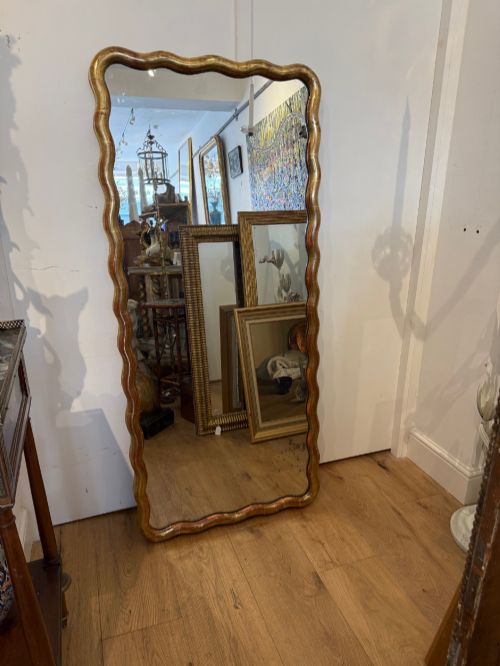


Large Gold Dressing Mirror
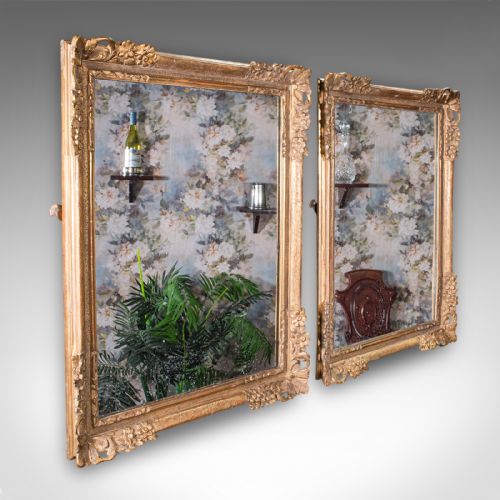
A large gold dressing mirror brings scale and reflection to a room, drawing the eye with gilded frames and tall proportions.
Large Gold Dressing Mirror
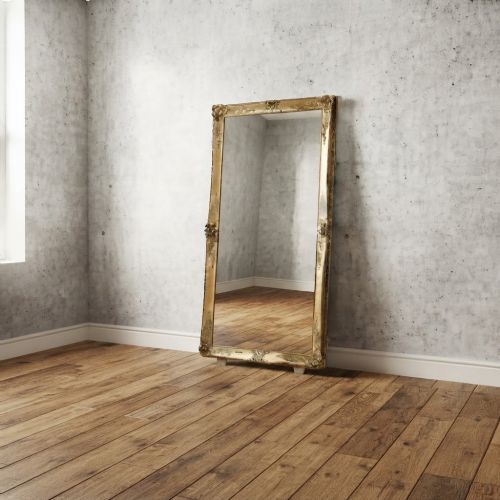
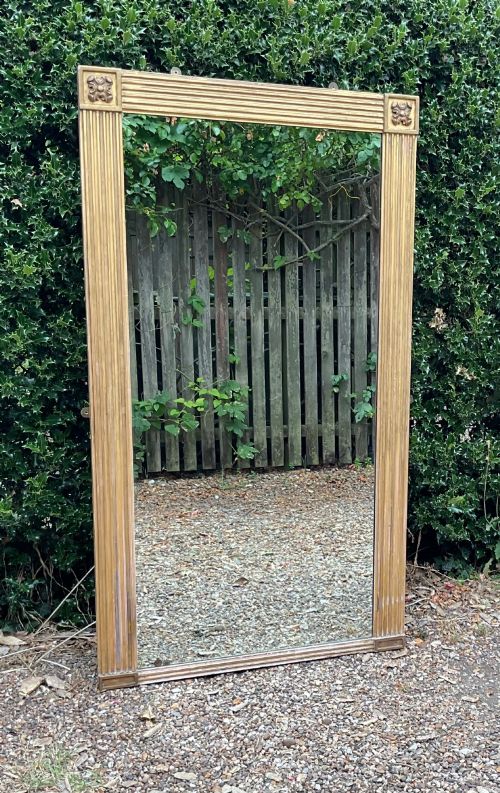
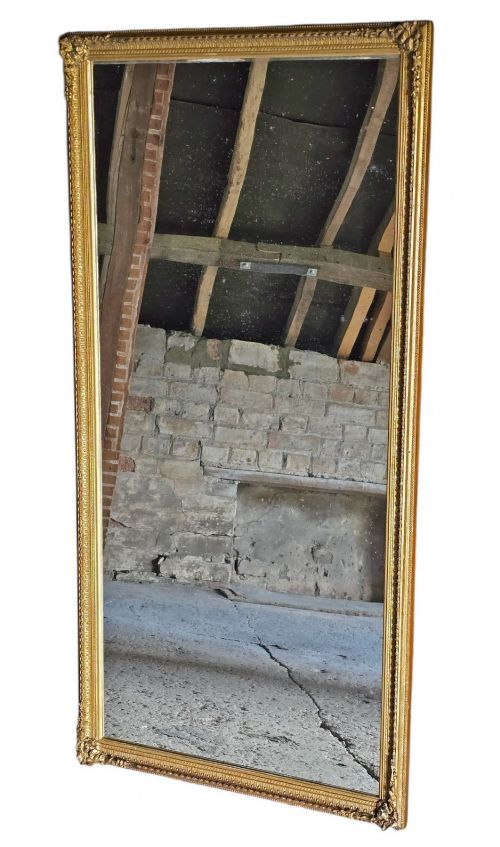
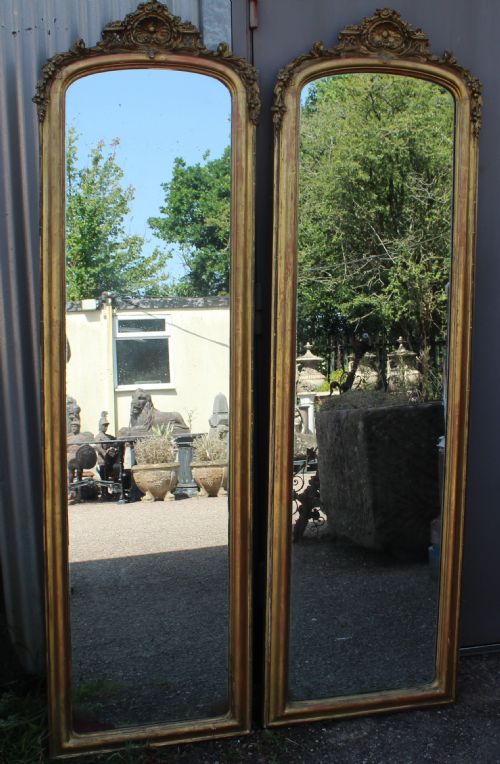
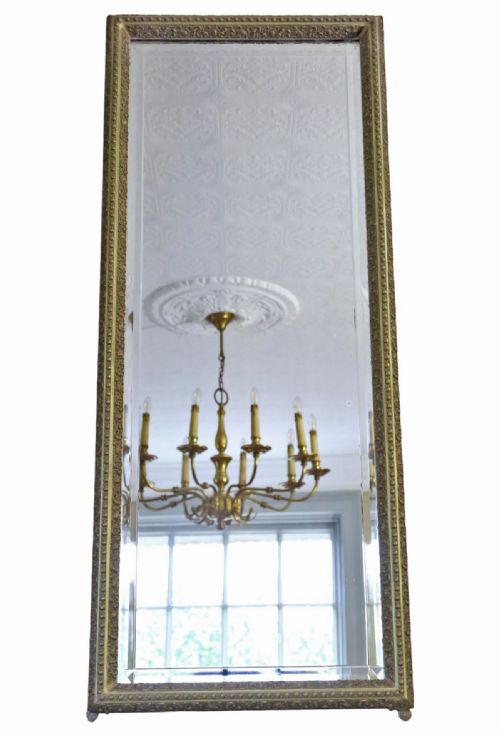
A large gold dressing mirror serves primarily for full-length viewing and dressing, appearing in forms such as wall mirrors, leaner mirrors, pier glasses, and cheval mirrors. When searching this phrase, a buyer encounters pieces spanning the nineteenth century, Regency era, and early twentieth century, alongside specific styles like French Chateau, Louis XVI, and Neoclassical.
The materials recorded across these items centre on glass, giltwood, gesso, gold leaf, pine, and composition. Frames range from ornate carved wooden mouldings to simple tall profiles designed to hang on a wall or lean against it.
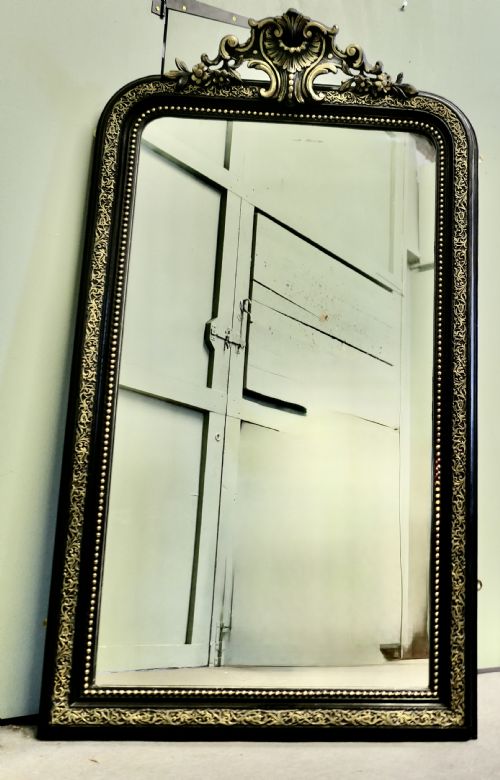
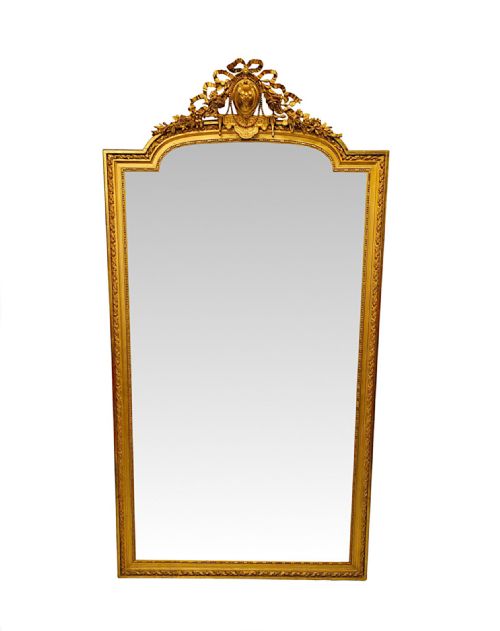
Origin points vary between English craftsmanship and French workshops, with Italian examples also appearing. Pieces take the form of tall pier mirrors, full-height floor mirrors, and arched top designs suited for a dressing room or hallway.
Materials and construction
Makers built the structural frames using wood such as pine, mahogany, and walnut, providing a sturdy foundation for the glass. Over this timber base, artisans applied layers of gesso and composition to form raised decorative motifs and ornate mouldings.
Guilders then applied gold leaf or metallic finishes to the prepared surfaces, creating the bright reflective exterior characteristic of these frames. Original bevelled glass or silvered mirror plates were fitted into the rebates, secured safely within the carved and moulded borders.
Some double-sided cheval mirrors even allowed two people to argue about their outfits simultaneously.
Evaluating craftsmanship and condition
Quality reveals itself in the depth and sharpness of the carved detail on the wood and gesso frame, where crisply defined ornament distinguishes finer workshops from simpler production. The integrity of the original gilding and the preservation of early bevelled glass plates also influence the standing of a piece.
Proportions and stability matter greatly in tall formats, ensuring the heavy frame supports the mirror plate securely whether hung upon a wall or utilised as a freestanding leaner.
The Large Gold Dressing Mirror Glossary
- Giltwood
- Wood that has been coated with gold leaf or a gold-coloured finish. This surface treatment gives the frame its bright, reflective metallic appearance.
- Gesso
- A plaster-like mixture applied to wood frames to create a smooth surface for carving and gilding. It allows artisans to mould intricate decorative details.
- Pier glass
- A tall mirror designed to hang on the narrow section of wall between windows. These pieces often sit above console tables or form part of a larger room scheme.
- Cheval mirror
- A freestanding full-length mirror mounted in a frame with pivots, allowing the glass to tilt. They appear in pairs or single formats for dressing rooms.
- Leaner mirror
- A large floor mirror designed to lean against a wall rather than hang from brackets. Their substantial weight helps keep them stable in position.
Large Gold Dressing Mirror: Frequently Asked Questions
Where should I place a large dressing mirror?
These tall mirrors suit bedrooms, dressing rooms, and hallways where full-height reflection is useful. Leaner versions stand directly on the floor against a wall, while other formats mount securely at eye level.
Ensure the wall structure or floor space accommodates the substantial weight and dimensions of the frame safely.
How do I distinguish between 19th-century and later mirrors?
Nineteenth-century examples often display hand-carved wooden frames coated in gesso and gold leaf, showing subtle irregularities from manual production. Later pieces from the Edwardian period or the twentieth century may utilise composition mouldings and machine-finished details.
Examining the backing boards, fixings, and the characteristics of the glass plate helps determine the age of the piece.
Are these mirrors heavy to hang?
Due to the combination of timber frames, gesso, and thick glass plates, these items carry considerable weight. Proper wall fixings and brackets suited to the load are essential for safe installation.
Many buyers choose leaner formats to avoid wall mounting entirely.