
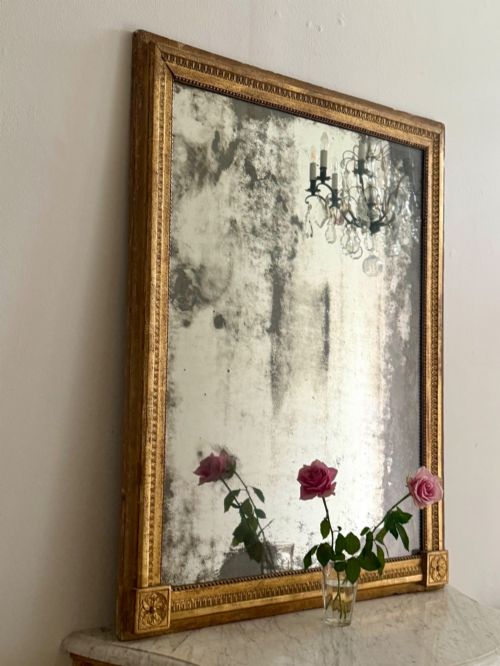
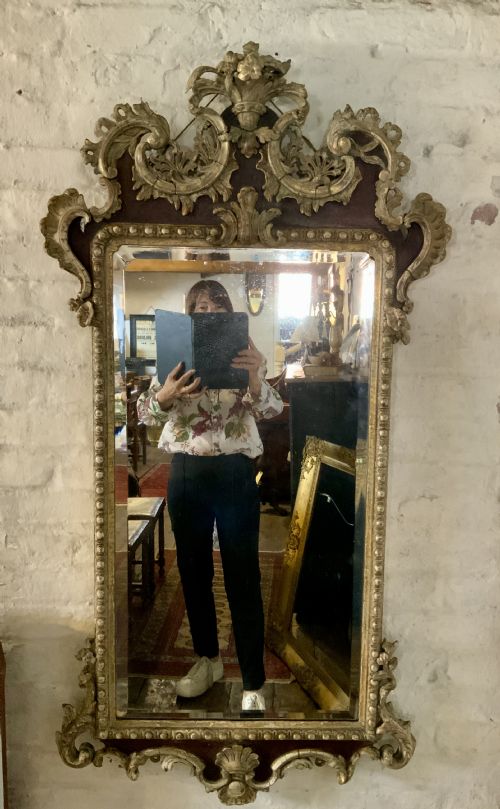
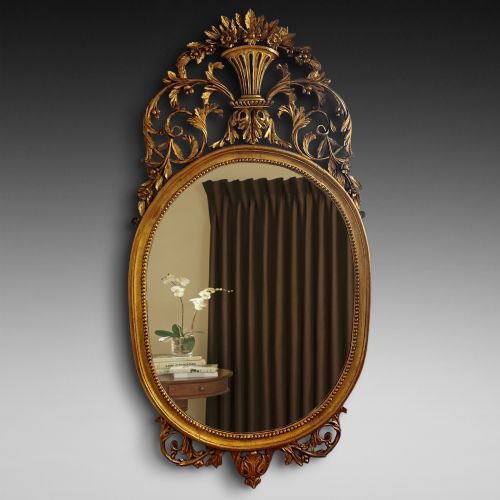
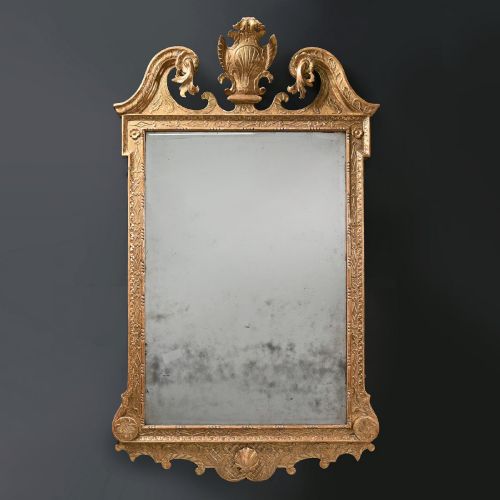
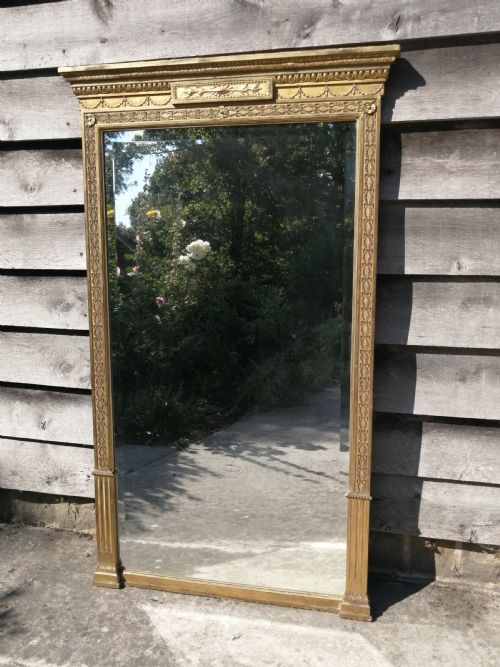
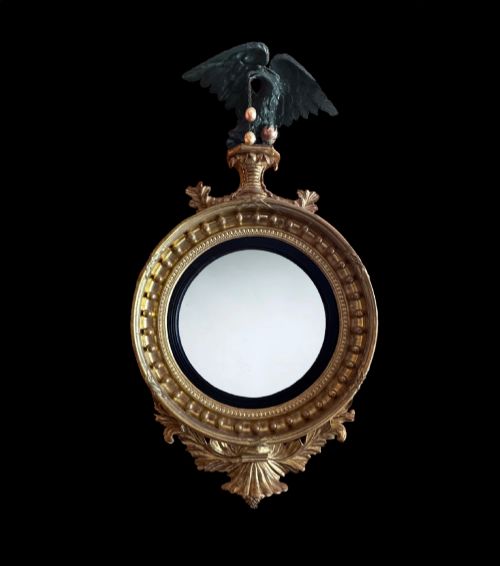
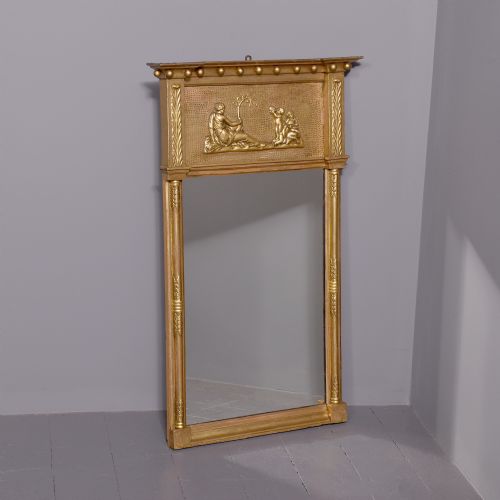
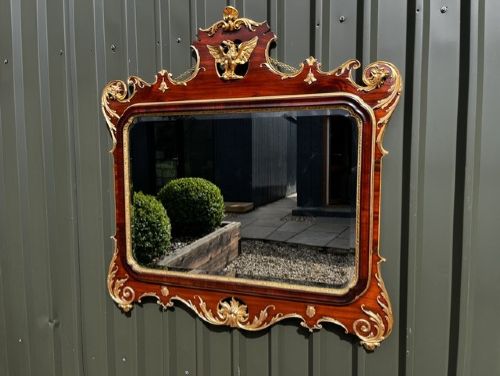
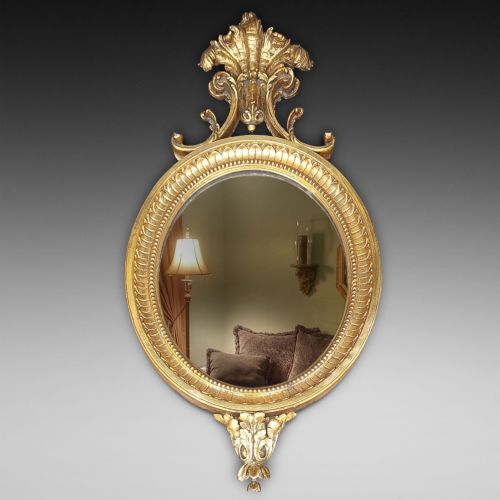
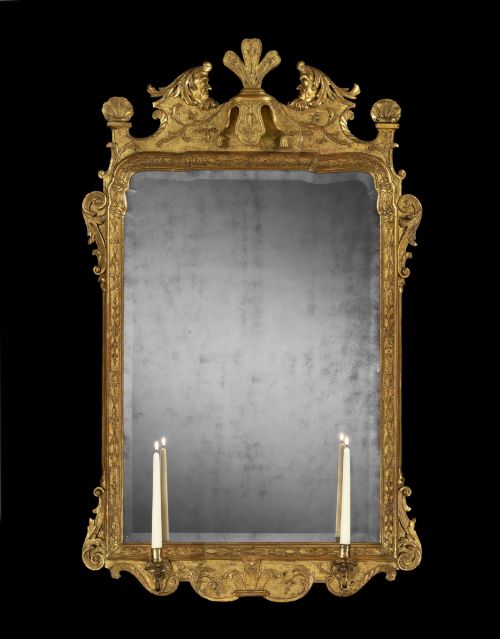
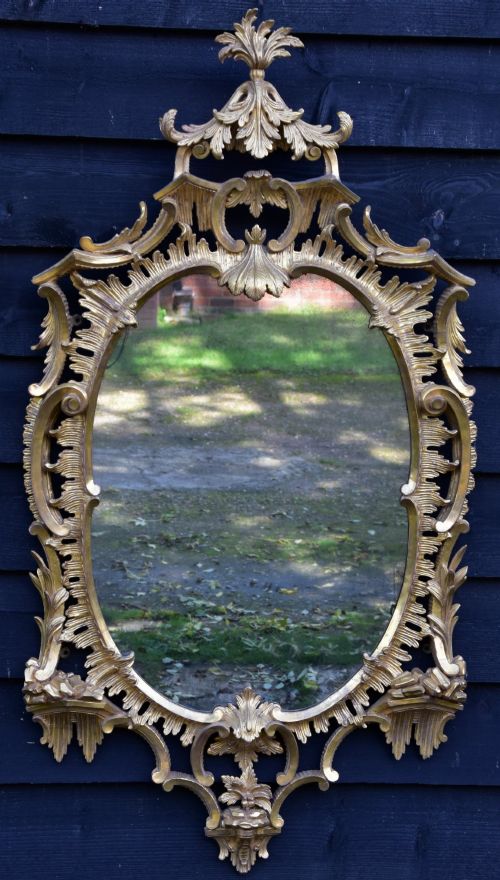

Georgian Carved Giltwood Mirror
A georgian carved giltwood mirror brings eighteenth-century elegance into a room through carved wood, gesso, and gold leaf.
What They Are
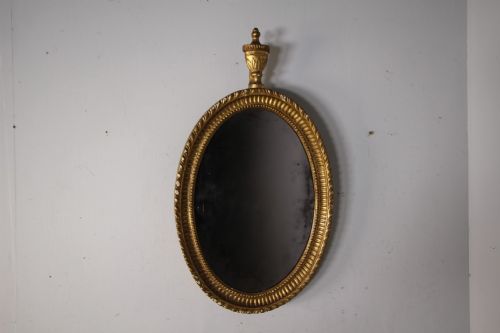
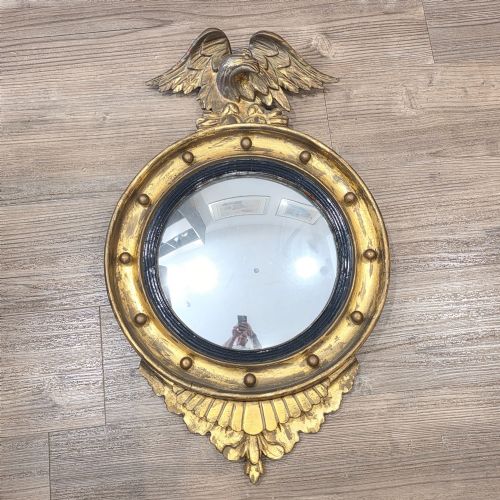
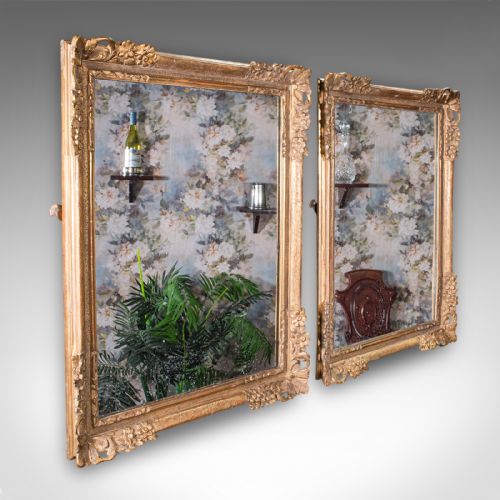
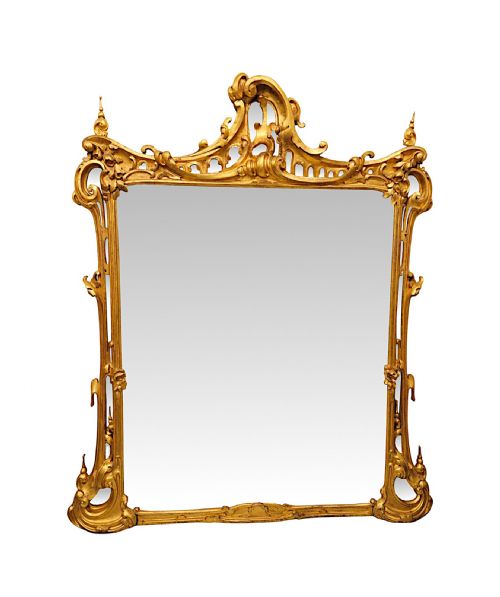
A georgian carved giltwood mirror stands as a principal statement piece for a wall or overmantle, carrying the ornate aesthetics of the eighteenth century. These pieces reflect the distinctive decorative vocabulary of the period through elaborate framing and gilded surfaces.
Visitors to this selection meet wall mirrors and overmantle mirrors spanning the Georgian and George II eras. The forms range from symmetrical classical designs to fluid Rococo compositions featuring decorative masks.
Surviving examples connect directly to eighteenth-century craftsmanship, utilising carved wood structures finished with gesso and gold leaf. The proportion and scale of these wall mirrors dictate their presence within a traditional interior.
How They Were Made
Artisans constructed these frames from timber, utilising carved wood as the foundation for intricate ornamentation. Skilled hands shaped the wood before applying layers of gesso to create a smooth, receptive surface for subsequent gilding.
The application of gold leaf over red or yellow bole gave these mirrors their characteristic luminous finish. Craftsmen combined carving and gesso work to achieve high relief, particularly evident in George II and Rococo interpretations.
Retail Price Guide 2026
Typical UK retail prices for georgian carved giltwood mirror, calculated from the Sellingantiques database of over a million retail prices indexed since 2003. This retail price guide relies exclusively on Sellingantiques data; no external sources or auction records are used, so the figures do not describe the wider market.
What Varies in Quality
The distinction between standard examples and superior pieces rests on the depth and crispness of the carving. Master carvers achieved fluid lines in wood and gesso that lesser hands rendered stiffly.
The integrity of the original gold leaf surface dictates the visual impact of the mirror. Superior gilding retains its warmth and texture through centuries, whereas inferior or later interventions lack the subtle tonal variation of period surfaces.
The Georgian Carved Giltwood Mirror Glossary
- Giltwood
- Wood that has been coated with gold leaf. This material defines the luxurious reflective surfaces of eighteenth-century wall mirrors.
- Gesso
- A plaster-like mixture applied to carved wood to create a smooth base for gilding. It allows craftsmen to model sharp, intricate details.
- Rococo
- An artistic style characterised by asymmetrical motifs, scrollwork, and natural forms. This aesthetic dominates many Georgian wall mirrors.
- Overmantle mirror
- A large horizontal mirror designed to hang above a fireplace mantel. These expansive pieces anchor the decorative scheme of a room.
Frequently Asked Questions
Where should I hang a wall mirror?
These mirrors command attention when placed above a principal fireplace or anchor a reception room wall. Their reflective qualities amplify natural light within traditional spaces.
Ensure the wall construction supports the substantial weight of carved wood and gesso frames. Proper placement enhances both the architecture of the room and the visual balance of the piece.
How do I identify a George II mirror?
George II mirrors display robust carving, architectural symmetry, and heavy gesso ornamentation. The framing often incorporates architectural elements alongside rich foliage.
These pieces reflect the confident aesthetic of the mid-eighteenth century. Their proportions remain generous and balanced.
What is the difference between wall and overmantle mirrors?
Wall mirrors are generally vertical or square formats designed for general room placement. Overmantle mirrors feature wide horizontal dimensions specifically proportioned for fireplace surrounds.
Both types utilise carved giltwood construction but serve distinct spatial functions in period interiors.
How do I care for giltwood surfaces?
Maintain giltwood by dusting gently with a dry, soft brush. Avoid liquid cleaners and modern polishes that can lift delicate gold leaf.
Keep the mirrors away from direct sunlight and excessive humidity to protect the underlying gesso and wood.