






Large Ceramic Figurine
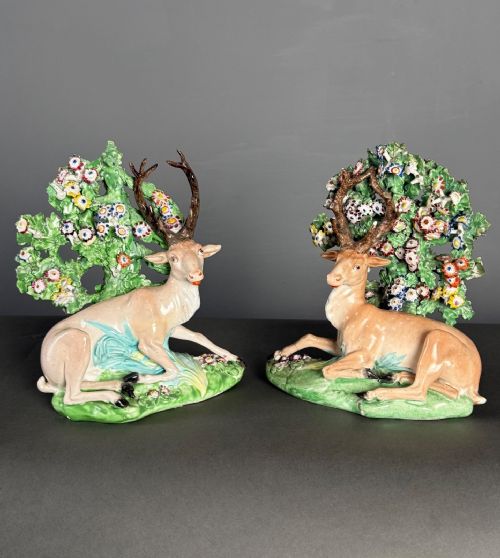
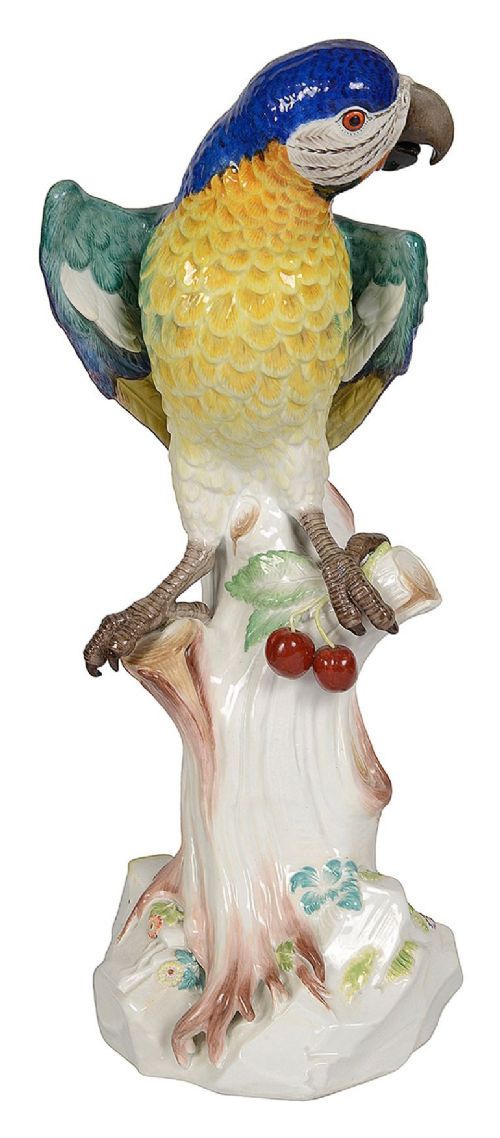
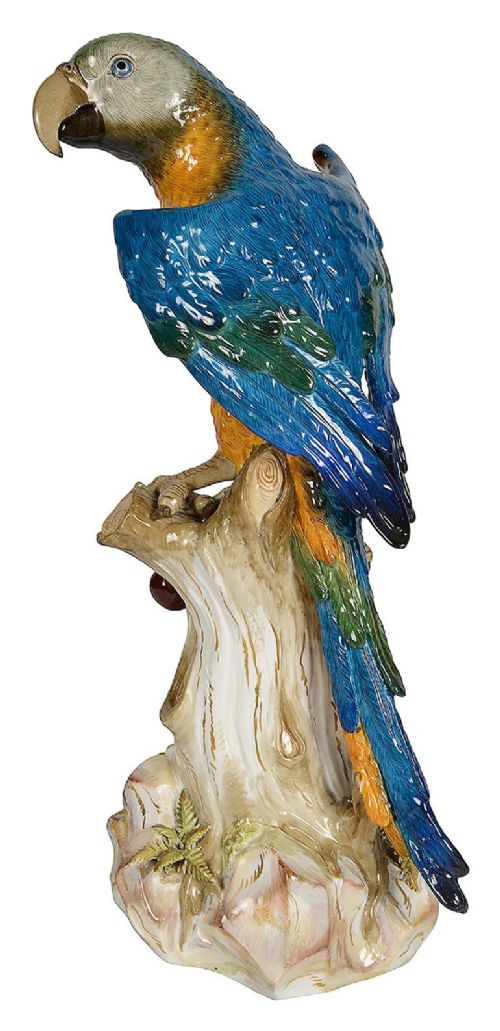
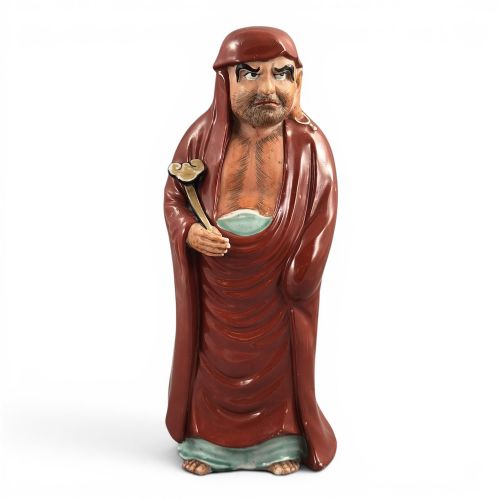
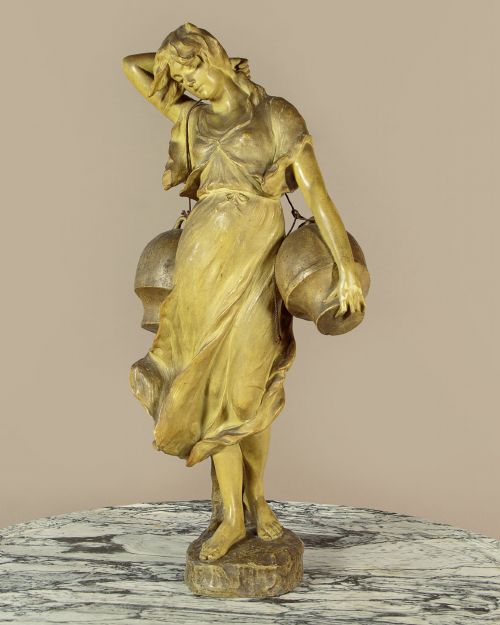
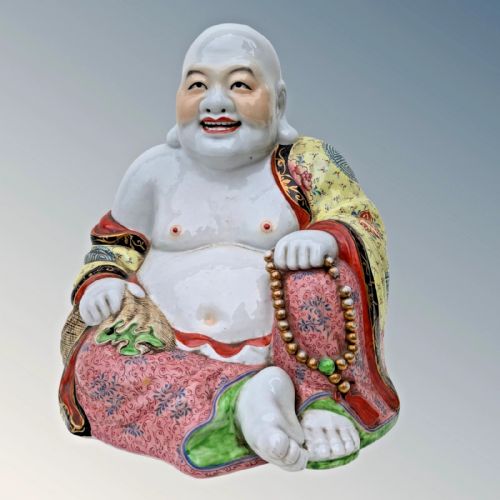
These large antique ceramic figurine examples bring character and scale to a room, spanning Victorian Staffordshire, Meissen, and Royal Dux manufacture.
Large Ceramic Figurine
A large antique ceramic figurine represents people, animals, and mythological subjects modelled in clay and fired for display. Buyers searching this phrase encounter substantial works originating from British potteries, German factories, and French workshops.
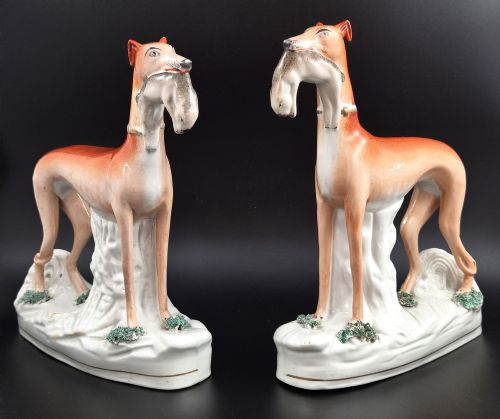
The Staffordshire flatback and the grand Meissen parrot or pair of greyhounds dominate the selection. Pieces range from Victorian earthenware flatbacks depicting smugglers and Scottish highlanders to monumental Edwardian porcelain maidens and water nymphs.
Origins stretch from eighteenth-century Derby and Chantilly figures through nineteenth-century Staffordshire, Meissen, and French biscuit porcelain up to early twentieth-century Art Nouveau ceramics by Royal Dux and Goldscheider.
How they were made
Surface decoration relied on hand-painted enamel colours, metallic copper lustre glazes, and applied gold leaf highlights. Bisque porcelain remained unglazed to emulate marble, while other figures received clear or coloured glossy glazes before final kiln firings.
Listings feature earthenware Staffordshire flatbacks alongside hard-paste porcelain figures from Meissen, Derby, and German factories.
What varies in quality
The crispness of the modelling and the precision of the hand-painted enamel work separate exceptional figures from standard workshop output. Superior examples retain fine details in facial expressions, costume folds, and applied botanical or animal elements.
Scale and ambition dictate distinction, where monumental heights and complex multi-figure groups demand greater technical skill from the factory. The clarity of factory marks, factory modelling attribution to named sculptors, and original gilding preservation also mark the tier.
Derby·Meissen·Royal Dux Bohemia·Letu and Mauger·Volkstedt Richard Eckert·Kizan·Royal Worcester·Vion et Baury·C G Schierholz·Chantilly·Goldscheider·Ernst Wahliss
The Large Ceramic Figurine Glossary
- Biscuit porcelain
- Unglazed ceramic fired once to create a matte, white surface resembling marble. It became popular for French figures and Victorian piano babies.
- Staffordshire flatback
- Earthenware figure modelled with a detailed front and a flat, unpainted back designed to sit against a wall on a mantelpiece. These pieces frequently portray historical characters, animals, and pastoral scenes.
- Hard-paste porcelain
- A durable ceramic compound of kaolin and petuntse fired at high temperatures. It supports sharp moulding and bright enamel decoration.
- Okimono
- A Japanese decorative freestanding sculpture intended for display on a shelf or in a tokonoma alcove. Examples in the evidence include carved porcelain figures and elephants.
- Enamel
- Vitreous paint applied over or under the glaze to add colour to ceramic figures. Artisans fired the pieces repeatedly to fuse the pigments onto the body.
Large Ceramic Figurine: Frequently Asked Questions
Where were large antique ceramic figurine works displayed?
These figures sat upon mantelpieces, console tables, and cabinet tops in nineteenth-century drawing rooms and parlours. Large Staffordshire flatbacks fitted neatly against walls on narrow shelves.
More delicate porcelain groups from Meissen or French factories stood centrally on polished wood surfaces where light could catch their painted enamel and gilt highlights.
How do I identify a Victorian Staffordshire flatback?
Staffordshire flatbacks feature earthenware bodies with hand-painted underglaze colours and a flat, unglazed reverse side. They often depict notable figures like Will Watch the smuggler, Scottish highlanders, or pairs of greyhounds with hares.
These pieces were produced in volume by regional potteries for domestic mantelpiece decoration during the mid to late nineteenth century.
What is the difference between bisque and glazed porcelain?
Bisque porcelain is fired without a glossy glaze, leaving a tactile, matte white finish that resembles carved marble. French workshops and Victorian makers utilised this technique for figures and piano babies.
Glazed porcelain receives a glassy coating that seals the ceramic body and produces a shiny, reflective surface capable of holding bright enamel colours and gold leaf.
How should I clean my antique ceramic figure?
Dust these decorative objects gently with a soft dry brush to remove surface particles. Avoid submerging antique ceramic pieces in water, especially older earthenware or figures with delicate applied enamel and gold leaf.
Keep them away from direct sunlight and damp environments to protect the painted surfaces and prevent stress on the ceramic body.