

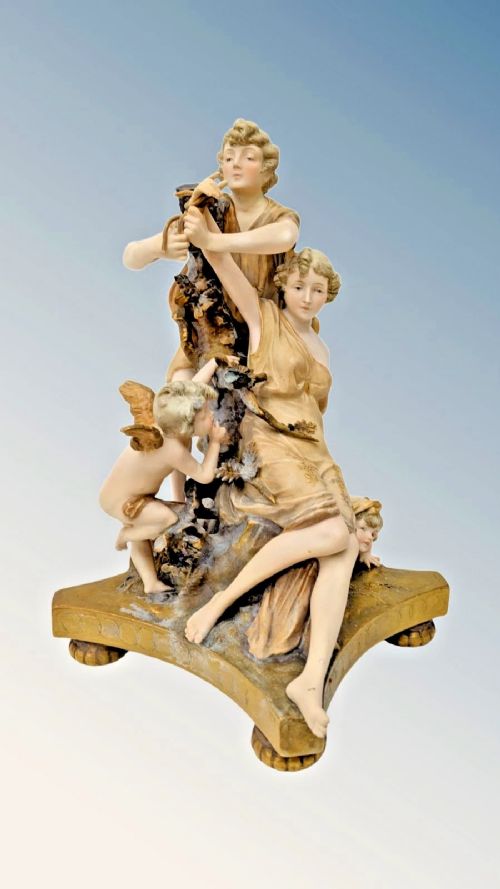


Beige Terracotta Sculpture
These beige terracotta sculpture pieces bring classical forms, mythological figures and earthy warmth directly into your interior.
Beige Terracotta Sculpture
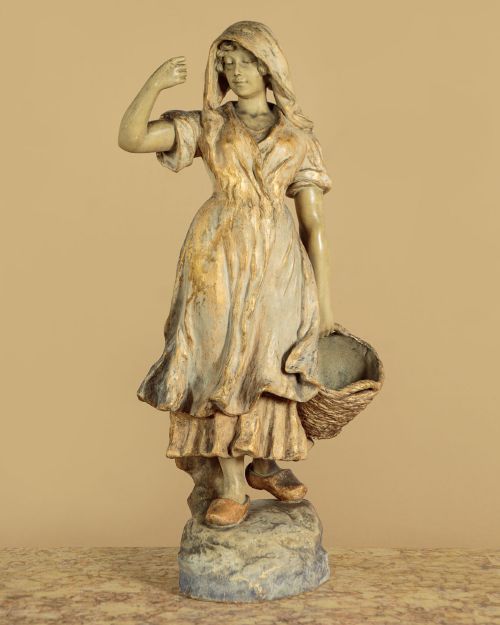
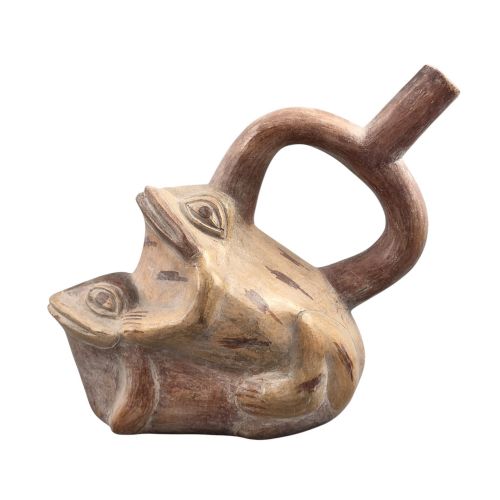
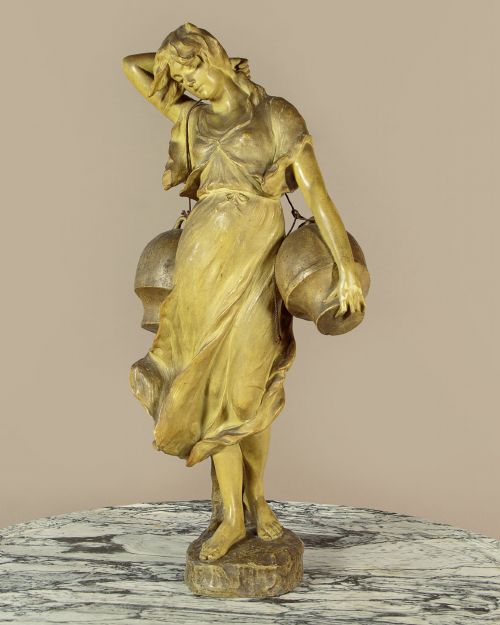
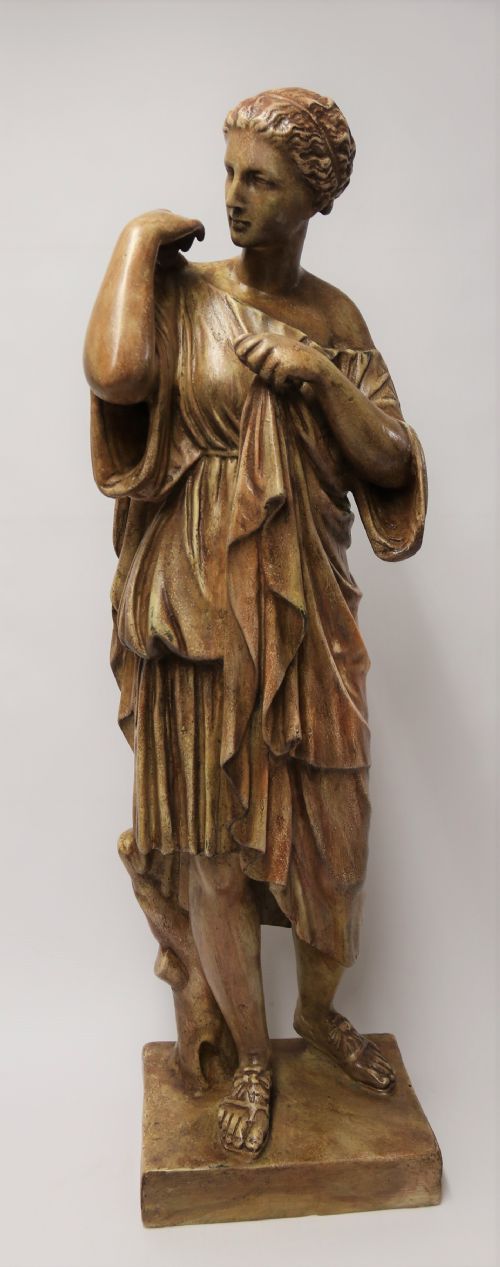
When you search for beige terracotta sculpture, you are looking at modelled clay figures, vessels and busts spanning centuries of European and ancient artistry. The selection ranges from Pre-Columbian Moche ceramic vessels to 19th-century Art Nouveau water carriers and classical Roman representations.
You are most likely to meet 19th-century European works, particularly figures produced by continental potteries depicting mythological or everyday subjects. These pieces utilise natural earthen tones, capturing organic warmth through sculpted clay and earthenware.
The forms extend from tall decorative figures and animalier subjects like bulls to religious busts and detailed statuettes of mothers and children. Each piece reflects the sculptural ambitions of its period, whether following Neoclassical lines or flowing Art Nouveau curves.
What varies in quality
Surface finish and pigment application further separate the tiers of craftsmanship. Finer examples retain delicate slip details and thoughtful handling of the raw material, whereas lesser works show heavier, less defined contours.
Materials represented include terracotta, earthenware, plaster and biscuit porcelain.
Goldscheider·Ernst Wallace·Joseph Constant·Royal Dux·B. Rezl
The Beige Terracotta Sculpture Glossary
- Terracotta
- A porous, fired clay body ranging in colour from pale buff to deep reddish-brown. It serves as the primary medium for unglazed sculptural works.
- Animalier
- A nineteenth-century artistic genre dedicated to the realistic representation of animals. Sculptors in this tradition focused closely on the natural anatomy and movement of beasts.
- Slip
- A liquid mixture of clay and water applied to ceramic bodies before firing. Artisans utilise slip for surface decoration, smoothing or adding colour to earthenware.
- Neoclassical
- A style inspired by the art and culture of classical antiquity, emphasising proportion, restraint and noble simplicity. This aesthetic heavily influenced nineteenth-century European sculpture.
- Earthenware
- Pottery fired at relatively low temperatures, remaining porous unless glazed. It forms the structural base for many historic figures and vessels.
Beige Terracotta Sculpture: Frequently Asked Questions
How should I clean terracotta sculpture?
Dust these pieces gently with a soft, dry brush to prevent dirt settling into the porous clay. Avoid using water or liquid cleaners, as moisture can damage unglazed surfaces and slip pigments.
Keep the sculpture away from damp areas and direct heat sources to preserve the integrity of the earthenware material over time.
Where do these sculptures originate?
The pieces originate from various traditions, ranging from ancient Pre-Columbian workshops to nineteenth-century European factories and studios. Continental potteries in Austria, France and Bohemia produced many of the figurative works.
Earlier examples include ancient vessels and eighteenth-century Neapolitan figures, reflecting a broad geographic span of ceramic artistry.
Are these sculptures suitable for outdoor display?
These decorative sculptures are intended for indoor environments rather than garden use. Exposure to frost, rain and shifting outdoor temperatures can cause porous terracotta and earthenware to crack or degrade.
Display them on stable interior surfaces where humidity and temperature remain relatively constant.
How can I tell periods apart?
Stylistic cues provide the clearest indication of a piece's period, shifting from the ornate drapery of Renaissance Revival to the flowing, organic lines of Art Nouveau. Pre-Columbian and ancient vessels display distinct forms and surface treatments characteristic of early civilisations.
Nineteenth-century factory marks, signatures and registration numbers also help date specific European figures and busts accurately.