




Goldscheider Ceramic Figure
A goldscheider ceramic figure brings the definitive sculptural flair of Vienna into a room, offering collectors expressive human and animal forms executed in refined terracotta and earthenware.
Goldscheider Ceramic Figure
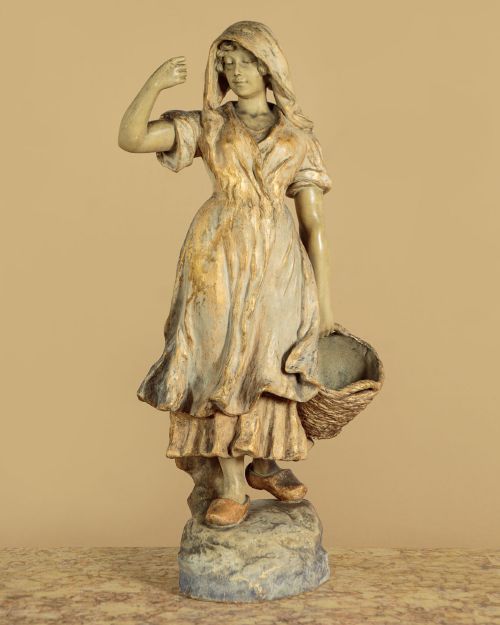
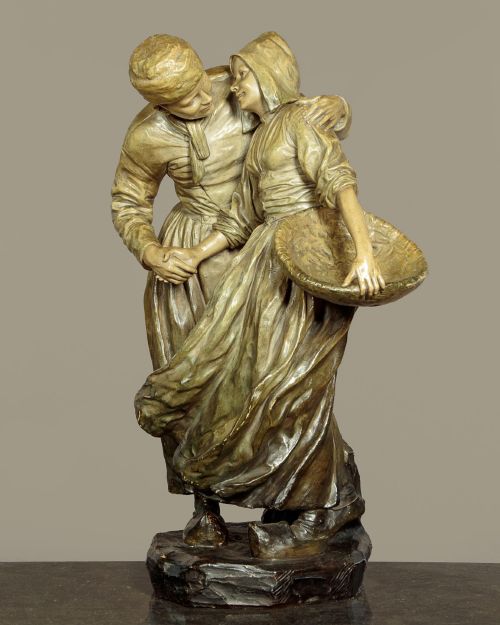
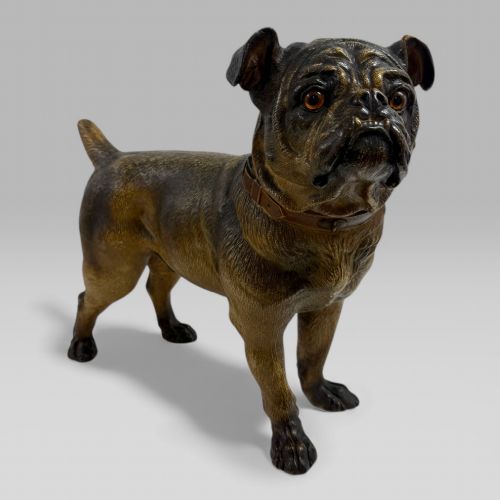
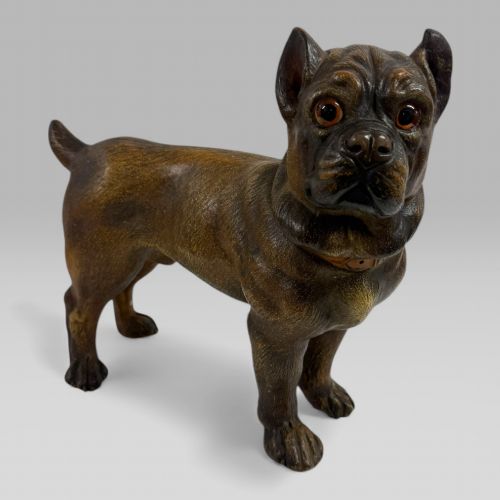
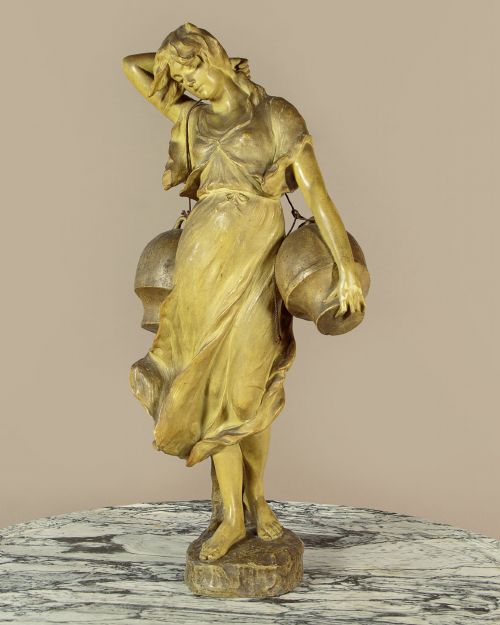
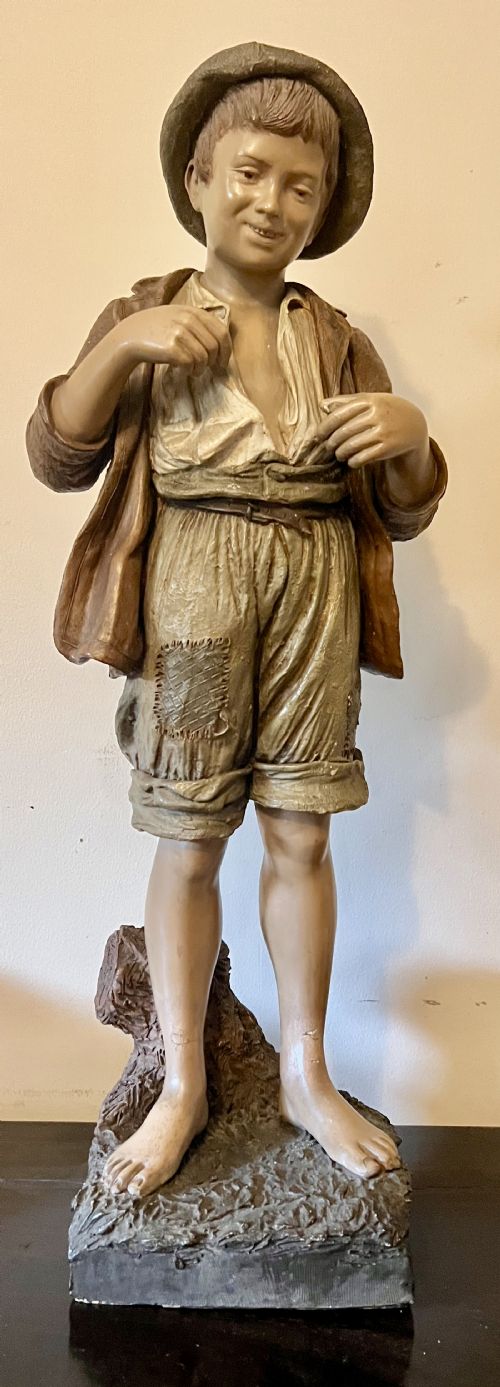
When you search for a goldscheider ceramic figure, you are looking at European sculptural works spanning the late nineteenth and early twentieth centuries. These pieces encompass detailed portrayals of young women, country maidens, classical Roman figures, and life-size animal sculptures including pug dogs and puppies.
The versions most frequently met on this page originate from Austrian production centres adhering to Victorian, Classical Revival, and Art Nouveau aesthetics. They range from cabinet figurines to large-scale floor pieces produced in terracotta, earthenware, and slip cast ceramic.
How goldscheider ceramic figure works were made
The primary material underpinning these works is terracotta and earthenware, manipulated through moulding and sculptural modelling to achieve fluid human drapery and lifelike animal textures. Workshops employed slip casting techniques alongside traditional hand-finishing to capture minute details in hair, clothing, and facial expressions.
Surface decoration relies heavily on applied paint, pigment, and bronzed finishes to accentuate the sculptural contours. Glazed ceramic variants also appear, providing a contrasting lustrous sheen against the more common matte painted surfaces.
The material record spans terracotta, glass, and pigment applied to classical and figurative sculptures.
What varies in quality
The sophistication of the surface treatment also dictates standing, with masterworks utilising nuanced pigment applications and bronzed finishes that elevate the underlying terracotta. Simpler models rely on flat colouration that lacks the tonal depth seen in the finer Art Nouveau and classical representations.
Friedrich Goldscheider·Frederic Goldscheider
The Goldscheider Ceramic Figure Glossary
- Terracotta
- Fired clay used extensively for sculptural works. It provides a warm, porous base that readily accepts paints and patinas.
- Earthenware
- Porous pottery fired at lower temperatures than stoneware or porcelain. It forms the body for many glazed and painted figures.
- Art Nouveau
- A stylistic movement prevalent around nineteen hundred characterised by flowing, organic lines. It heavily influences the posture and robes of female figures from this era.
- Slip Cast
- A manufacturing method where liquid clay is poured into a plaster mould. This technique allows for the efficient production of complex sculptural forms.
- Bronzed Finish
- A metallic surface coating applied to ceramic or terracotta to simulate cast bronze. It was a popular technique for imparting weight and solemnity to figurative works.
Goldscheider Ceramic Figure: Frequently Asked Questions
What periods do these figures come from?
The pieces span from the late nineteenth century through to the early twentieth century. Most examples cluster around eighteen ninety to nineteen ten, capturing Victorian and Edwardian tastes.
Production during these decades reflects shifting artistic movements, moving from ornate nineteenth-century classicism towards the sweeping curves of Art Nouveau.
How were these sculptures displayed originally?
Life-size dog sculptures and large human figures stood directly on drawing room floors or entrance halls as substantial decorative statements. Smaller cabinet figurines occupied mantelpieces, sideboards, and dedicated display niches.
Their substantial weight and presence meant they were treated as major interior furnishings rather than casual ornaments.
Are all these pieces made of terracotta?
Terracotta is the dominant medium recorded here, offering a robust base for detailed figurative modelling. Earthenware and glazed ceramic variants also feature among the selection.
Makers selected these materials for their ability to hold intricate surface details before receiving paint, pigment, or bronzed finishes.
How do I identify an Art Nouveau piece?
Art Nouveau examples typically feature naturalistic human subjects, such as water carriers and country maidens, depicted with flowing hair and sinuous drapery. The posture often mimics organic plant forms rather than rigid classical stances.
These pieces usually date from around nineteen hundred and embrace the asymmetrical, decorative priorities of the movement.