






Japanese Pottery Decor
Japanese pottery decor brings together hand-painted Satsuma, Imari, and Kutani pieces from the nineteenth and early twentieth centuries.
Japanese Pottery Decor
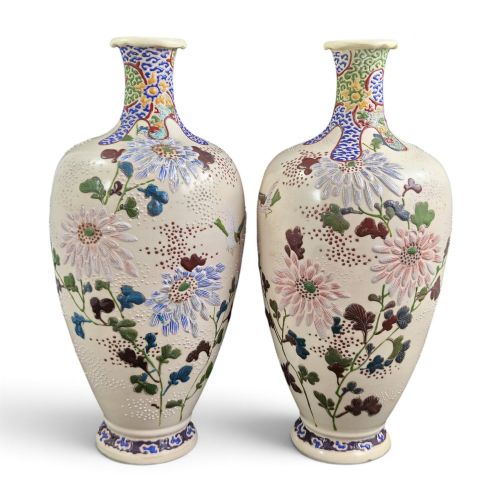
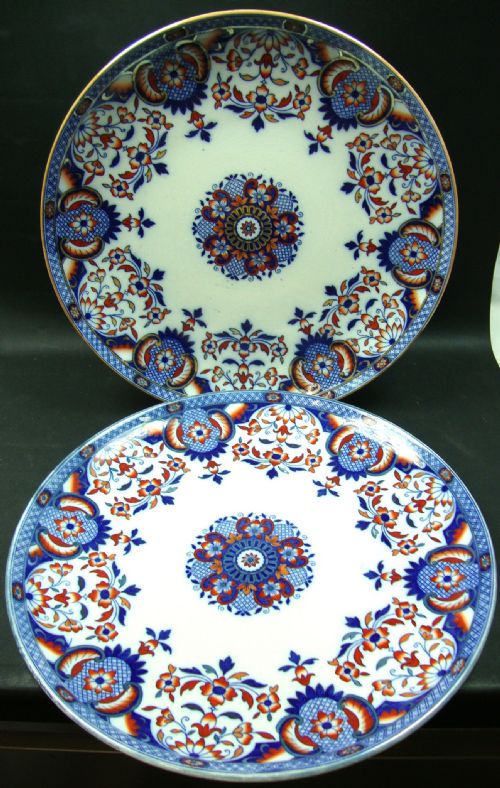
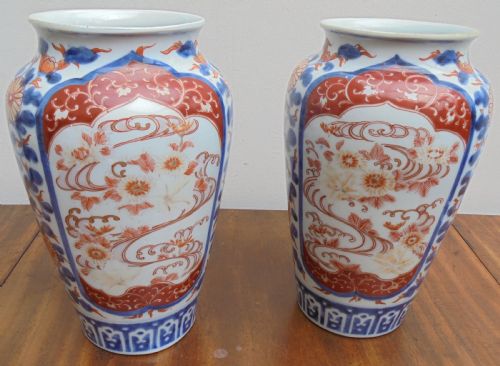
When you search for japanese pottery decor, you are looking at ceramic vessels, plates, and chargers produced during the Meiji period and the early twentieth century. The selections available here heavily feature Satsuma earthenware, Imari porcelain, and Kutani wares, often decorated with hand-painted details.
Vases and pairs of vessels dominate the available forms, alongside decorative chargers and plates. Many examples originate from the late nineteenth century, reflecting traditional Japanese artistic styles that gained popularity in Britain during the Victorian Aesthetic movement.
How they were made
Potters shaped earthenware and porcelain bodies by hand or on the wheel before applying detailed underglaze and overglaze decoration. Artisans utilised coloured enamels, glazes, and intricate gold trim or gold leaf to build up rich pictorial surfaces.
Specific techniques include moriage, where slip is piped onto the surface to create raised beaded or textured patterns before gilding and enamelling. Workshops also combined cobalt blue underglaze painting with rust-red and gold overglaze motifs on porcelain.
Japanese Pottery Decor Retail Price Guide 2026
Typical asking prices for japanese pottery decor among the pieces listed under this phrase on Sellingantiques today, from the lower quarter to the upper quarter. They describe what is for sale here now, not the wider market.
Listings span earthenware and porcelain forms, dominated by Satsuma, Imari, and Kutani styles created during the late nineteenth and early twentieth centuries.
What varies in quality
The distinction between standard commercial export wares and finer studio or workshop output lies in the brushwork and control of the enamels. Superior Satsuma and Kutani pieces display precise, miniature-scale figurative painting and clean application of gold leaf rather than rushed, repetitive patterns.
The refinement of the ceramic body and the depth of the glaze also indicate the tier of production. Early Meiji examples generally show sharper moulding and more deliberate composition than mass-produced decorative items from later decades.
Hododa·Hakusan·Mintons
The Japanese Pottery Decor Glossary
- Satsuma
- A type of earthenware with a fine crackle-glaze, typically decorated with polychrome enamels and gold. It originated in Satsuma Province and became a staple of Meiji export production.
- Imari
- A style of Japanese porcelain featuring a palette dominated by underglaze cobalt blue and iron red, frequently accented with gold. British potteries occasionally imitated these distinctive schemes.
- Kutani
- Japanese pottery and porcelain characterised by bold, colourful overglaze enamels, often featuring greens, yellows, and purples alongside extensive red and gold pigments.
- Moriage
- A decorative ceramic technique involving raised slip applied in dots or lines to create a tactile, three-dimensional effect beneath the glaze and gilding.
- Rakan
- Enlightened followers of Buddha frequently depicted in traditional Japanese painting and ceramic decoration, often shown alongside dragons or subtle landscape elements.
Japanese Pottery Decor: Frequently Asked Questions
How do I identify Satsuma ware?
Satsuma ware is easily recognised by its ivory-coloured earthenware body covered in a fine network of transparent glaze cracks. The surfaces are typically embellished with dense enamel painting and gilt.
Most pieces intended for export date from the Meiji period, though production continued into the Edwardian era. Look closely at the weight and the texture of the glaze to distinguish it from porcelain.
Are these pieces functional or decorative?
The vast majority of these items were created primarily for display, serving as decorative vases, large chargers, and cabinet plates for Western Victorian interiors. Their delicate enamels and gold leaf make them unsuited for daily utility.
While vessels can safely hold dried arrangements, filling them with water risks damaging the historic earthenware bodies and fragile overglaze decorations.
How should I clean antique Japanese ceramics?
Dust these items gently with a dry, soft brush or a microfiber cloth to prevent surface scratching. Avoid using water, detergents, or chemical solvents, as they can lift fragile gold leaf and enamel.
Keep pieces away from direct sunlight and areas of high humidity to protect the crackle-glaze and prevent the degradation of older ceramic bodies.