



Gold Earthenware Vase
A gold earthenware vase brings intricate, gilded craftsmanship into a room, spanning detailed Satsuma ceramic works and hand-painted European pieces.
Gold Earthenware Vase
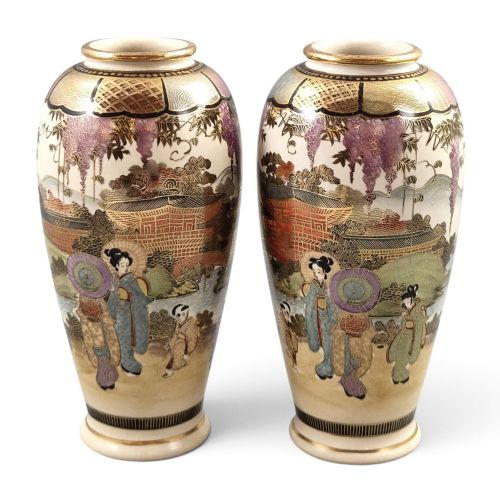
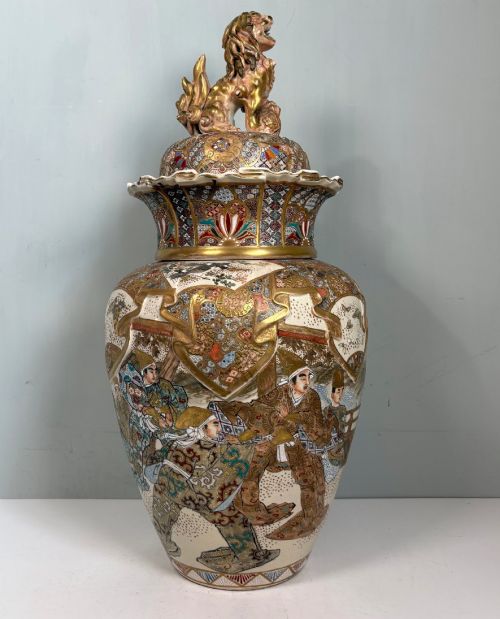
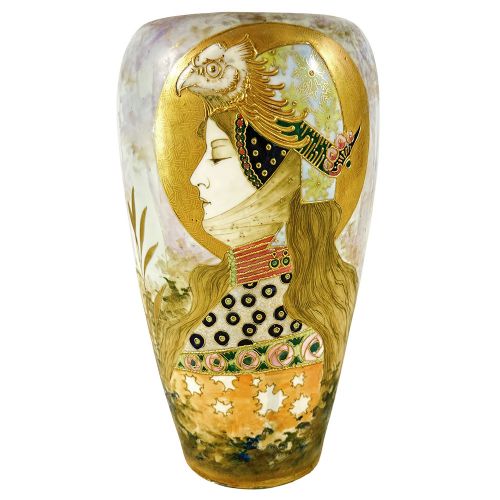
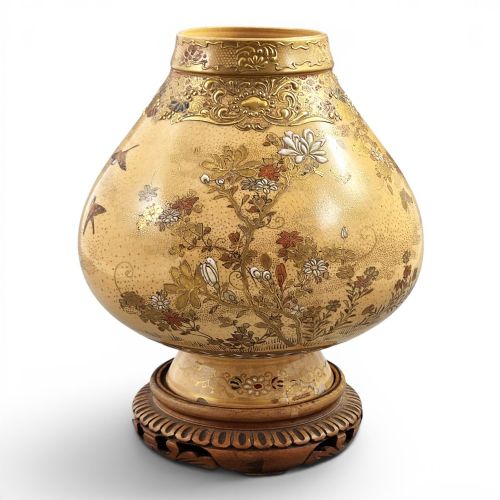
When searching for a gold earthenware vase, collectors primarily encounter Japanese Satsuma wares alongside European ceramic forms originating from the nineteenth and early twentieth centuries.
These items frequently display distinct cultural narratives, combining earthenware bodies with elaborate figural scenes, landscapes, and traditional motifs.
How they were made
Maker workshops utilised porous earthenware bases, applying intricate surface glazes and enamels to build up textured pictorial fields.
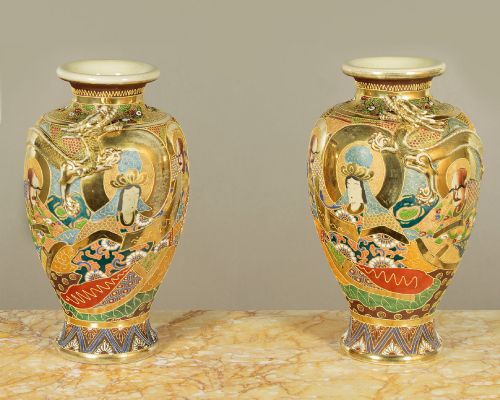
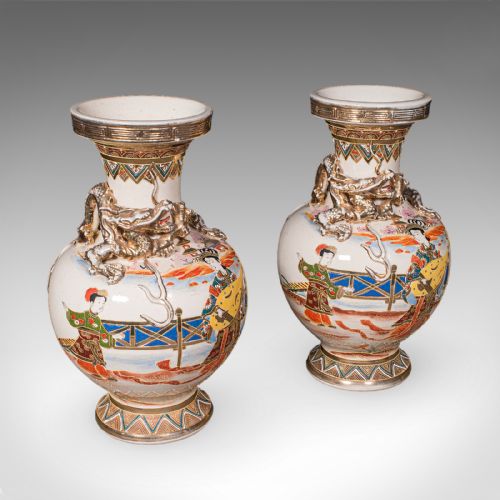
Artisans incorporated gold leaf, gilding, and raised moriage techniques to accentuate specific design elements, framing painted panels of figures and gardens.
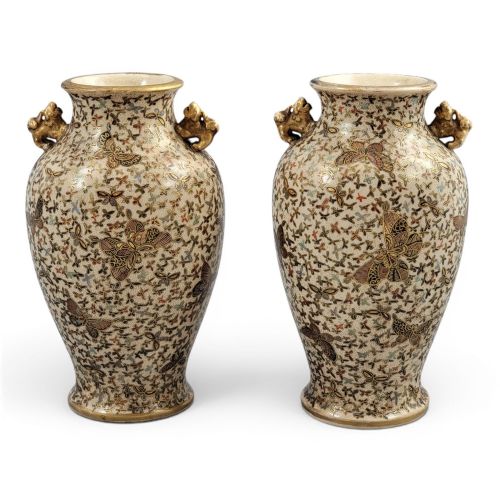
Some miniature vessels pack thousands of painted butterflies or entire arhat processions onto ceramic surfaces barely larger than an acorn.
What varies in quality
Quality rests upon the precision of the hand-painted brushwork and the density and purity of the applied gilding across the ceramic body.
Named workshops and signed pieces demonstrate superior artistic execution, particularly in the rendering of complex figural processions and detailed botanical panels.
Shozan·Kinkōzan·Kinzan·Hotoda·Chosei·Nanzan·Seiko-en Chokei·Hakusan·Reissner Stellmacher and Kessel
The Gold Earthenware Vase Glossary
- Satsuma ware
- A type of Japanese earthenware featuring a ivory-coloured crackle glaze, traditionally decorated with polychrome enamels and rich gilding. It originated in Satsuma Province and gained international acclaim during the Meiji period.
- Moriage
- A ceramic decorating technique where slip is piped onto the surface to create raised designs and textures. This relief work is often highlighted with gold gilding.
- Baluster
- A vase form characterised by a bulbous lower body that tapers towards a narrower neck and flared rim. It provides a balanced silhouette suited for expansive painted scenes.
- Meiji Period
- The era in Japanese history spanning from 1868 to 1912, marked by extensive international trade and the production of highly refined decorative arts.
- Garlic Head
- A traditional vessel shape featuring a bulbous constriction near the top of the neck, resembling a garlic bulb. This form was frequently utilised in classical ceramic traditions.
Gold Earthenware Vase: Frequently Asked Questions
What is Satsuma ware?
Satsuma ware is a distinct category of Japanese pottery known for its characteristic earthenware body and fine crackle glaze. Artisans decorated these surfaces with detailed hand-painted scenes and heavy gold highlights.
These pieces were heavily produced for export during the late nineteenth century, appealing to international collectors seeking intricate decorative objects.
How do I identify Meiji period pieces?
Meiji period ceramics are generally identified through historical stylistic markers, fine brushwork, and specific artisan signatures or workshop stamps on the base. The era spans from 1868 to 1912.
Many of these works display exceptional technical precision in their gilding and figural compositions, reflecting the artistic standards of the time.
What is moriage decoration?
Moriage is a decorative technique where liquid clay is piped onto the unglazed or glazed ceramic surface to build up raised relief patterns. Artisans then paint and gild these textured areas.
This method creates a tactile three-dimensional effect that catches the light, particularly when combined with gold leaf.
Where were these vases displayed?
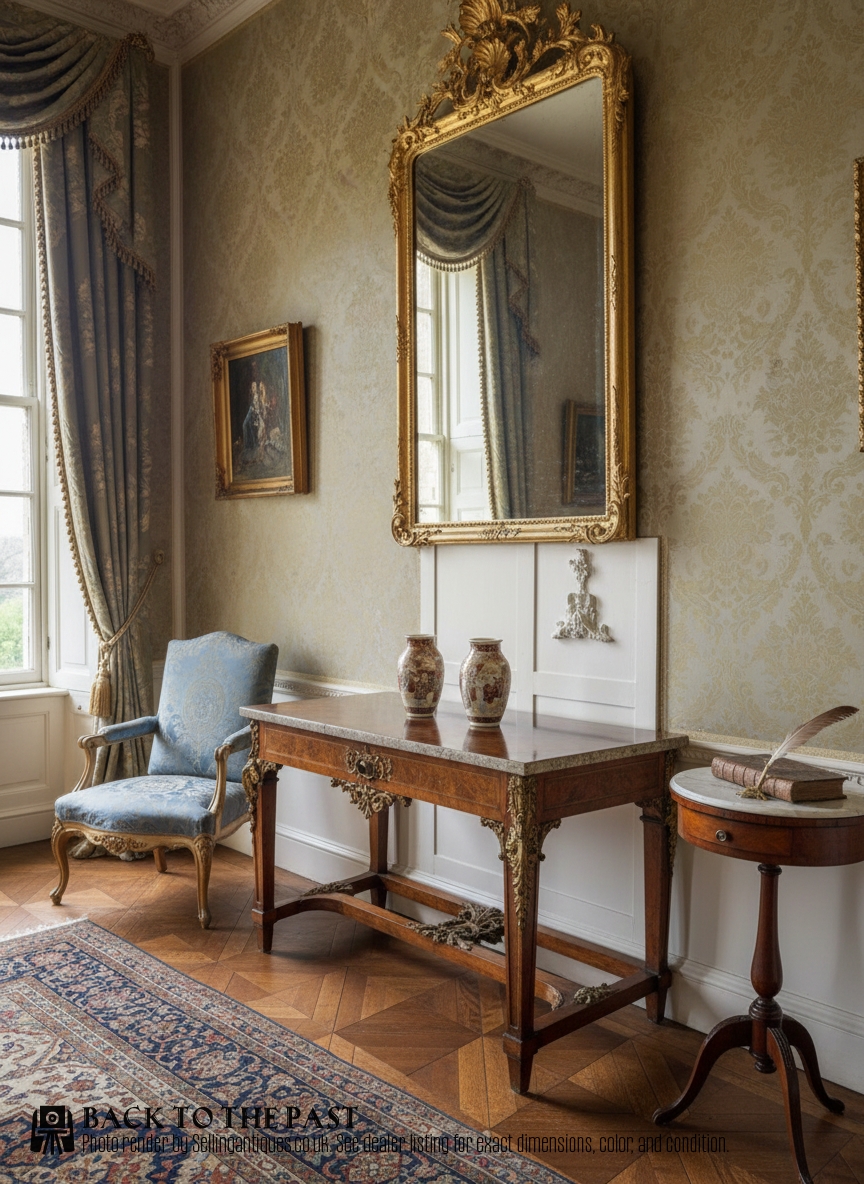
These decorative vessels were traditionally displayed in principal living spaces, drawing rooms, and exhibition halls as statements of refined taste. Their elaborate ornamentation made them focal points in Victorian and Edwardian interiors.
Today, they function well as standalone display pieces on mantelpieces, pedestals, or dedicated display cabinets.