




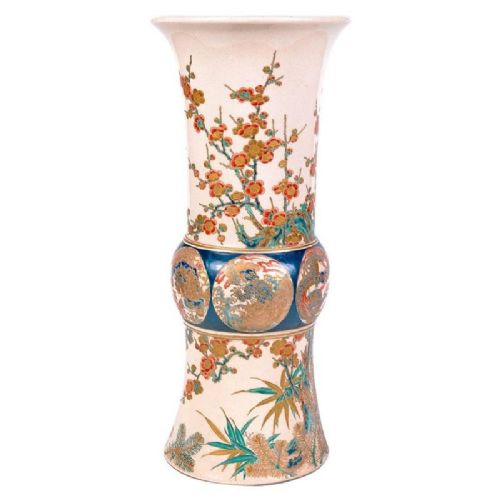

Cream Enamel Ceramic Vase
These cream enamel ceramic vase examples bring intricate Japanese craftsmanship from the nineteenth and early twentieth centuries straight into your interior.
Cream Enamel Ceramic Vase
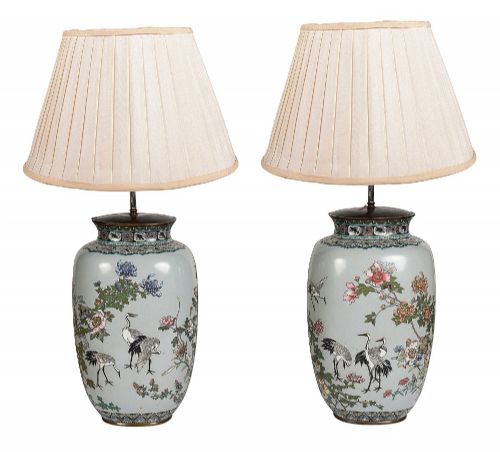
When you search for a cream enamel ceramic vase, you are looking at Japanese Satsuma earthenware and cloisonné enamel vessels spanning the Meiji, Edwardian, and Showa periods. The pieces appearing here predominantly take the form of decorative vases and table lamps originating from workshops in Kyoto and Kobe.
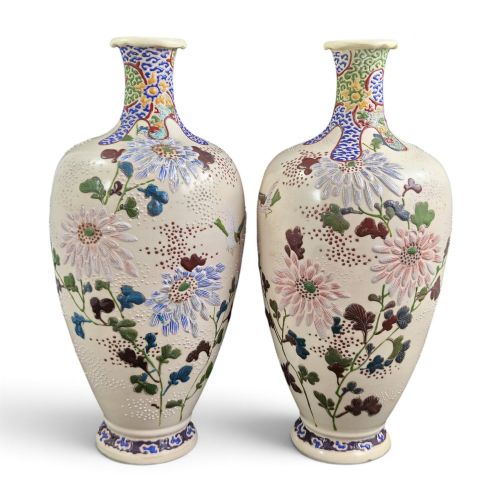
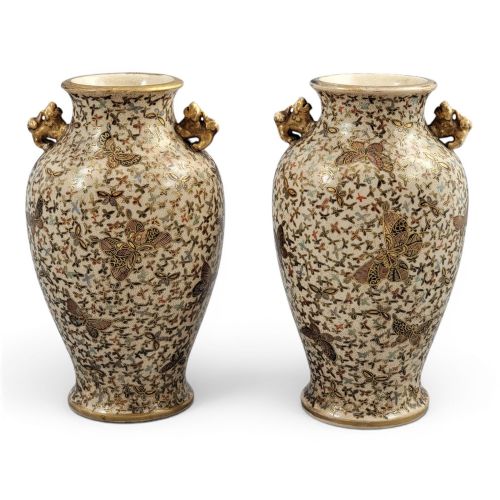
Makers decorate these earthenware and enamel bodies with detailed motifs such as chrysanthemums, wisteria gardens, butterflies, and flowerheads, often highlighted with gold gilt and gold leaf. You will encounter individual vessels as well as matched pairs and sets, reflecting the diverse output of late nineteenth and early twentieth-century Japanese exporters.
Materials and construction
Potters and artisans build these objects primarily from earthenware and enamel, shaping them into vases and lamp bases. The surfaces receive careful glazes, sometimes incorporating cloisonné wirework to contain the enamel colours.
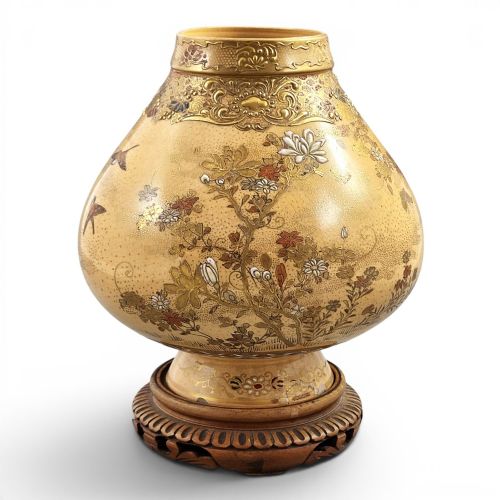
Makers apply gold leaf, gold gilt, and brass mounts to accentuate the ceramic and enamel bodies. Moriage techniques add raised dotwork and textured details to the floral designs across many of the Satsuma pieces.
Cream Enamel Ceramic Vase Retail Price Guide 2026
Typical asking prices for cream enamel ceramic vase among the pieces listed under this phrase on Sellingantiques today, from the lower quarter to the upper quarter. They describe what is for sale here now, not the wider market.
Butterflies and wisteria gardens populate these surfaces so densely you might need a magnifying glass to count every petal.
Distinctions in execution
Quality separates through the precision of the hand-painted details and the complexity of the surface motifs, such as dense flowerheads and butterfly compositions. The fineness of the moriage relief work and the crispness of the gilt highlights indicate the skill level of the individual workshop.
Exhibition-grade pieces demonstrate superior control over the glaze and enamel application, maintaining structural balance even at monumental scale. Signed works by notable makers typically exhibit a higher degree of pictorial refinement than unsigned commercial wares.
Maruni Kobe·Manpei·Kinkōzan Workshop·Kinzan·Seiko-en Chokei·Hakusan·Hododa·Kinkozan
The Cream Enamel Ceramic Vase Glossary
- Satsuma
- A type of Japanese earthenware featuring a crackle glaze, typically decorated with polychrome enamels and gold. It originated in Satsuma Province and became immensely popular for export during the Meiji period.
- Cloisonné
- A metalwork technique where enamel paste is applied within compartments defined by soldered flat wires. This method creates intricate patterned surfaces on vases and decorative objects.
- Moriage
- A Japanese ceramic technique where slip is piped onto the vessel to create raised, three-dimensional decorative patterns. It frequently outlines flower petals and garments on Satsuma wares.
- Mon
- A Japanese emblem or crest used to identify families or clans. They often appear on high-quality Satsuma ceramics to denote elite patronage or ownership.
- Gilt
- A thin layer of gold applied to the surface of ceramic, metal, or wood. It adds reflective highlights to details such as borders and floral motifs.
Cream Enamel Ceramic Vase: Frequently Asked Questions
How do I identify Satsuma ware?
Satsuma ceramics are characterised by an ivory or cream earthenware body covered in a fine network of crackled glaze. Artisans paint these surfaces by hand using rich enamels and gold leaf.
Many pieces bear artist signatures or workshop seals on the base, often indicating production in Kyoto or Kobe during the Meiji period.
What is cloisonne enamel?
Cloisonne involves soldering thin metal wires onto a metal or ceramic base to form tiny cells or compartments. Artisans fill these partitions with coloured enamel paste before firing the piece in a kiln.
This technique produces durable surfaces with distinct linear patterns and vibrant colouration.
Where were these pieces made?
The majority of these ceramics originate from Japanese kilns active during the late nineteenth and early twentieth centuries. Major production centres included Kyoto and Kobe, which exported heavily to Western markets.
Workshops such as Kinkozan produced diverse ranges from cabinet vases to exhibition-quality showpieces.
How should I display them?
Position these vases away from direct sunlight to protect the enamel colours and gold gilt from fading over time. Stable surfaces protected from foot traffic ensure tall or monumental vessels remain secure.
Some examples have been adapted as table lamps, providing functional lighting alongside decorative historical craftsmanship.