

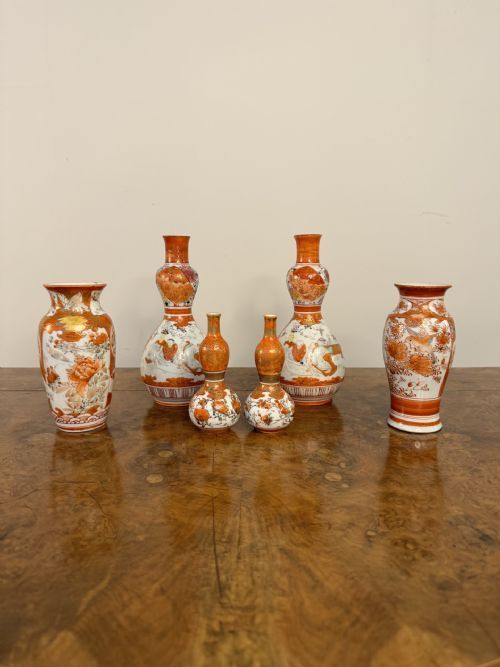


Antique Asian Decorative Arts
These antique asian decorative arts bring together centuries of craftsmanship in enamel, porcelain, and lacquer from across the continent.
Antique Asian Decorative Arts
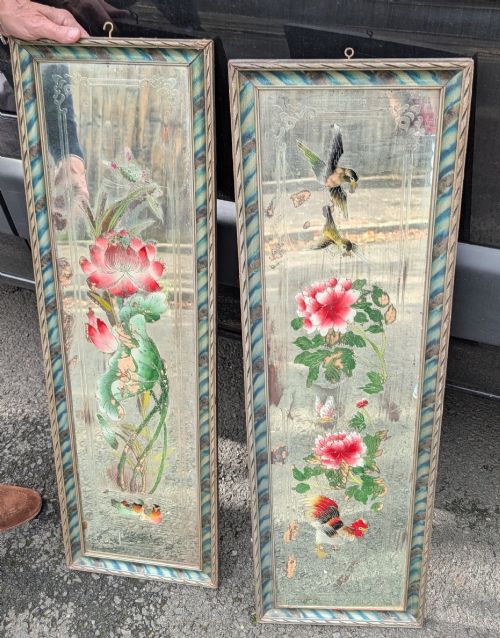
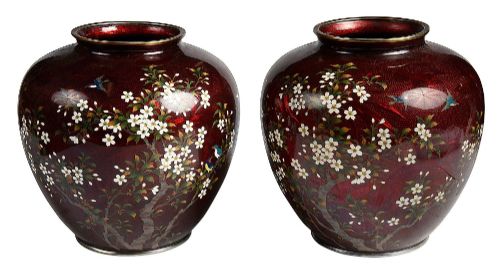
When you search for antique asian decorative arts, you encounter a diverse range of objects created primarily across the nineteenth and early twentieth centuries. These pieces encompass everything from Japanese Satsuma vases and Imari chargers to Chinese cloisonné vessels and carved lacquer wares.
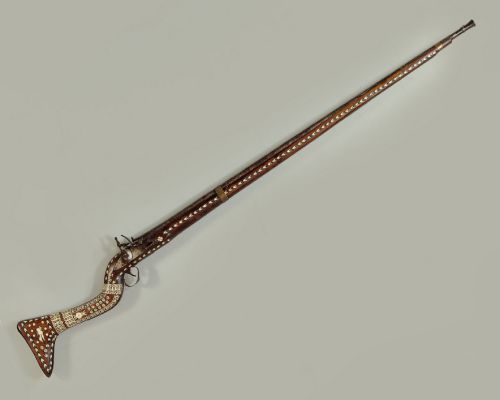
The selections on this page lean heavily towards Japanese Meiji period metalwork and ceramics alongside Chinese Qing dynasty porcelain and enamel. Collectors also find regional textiles such as Uzbek embroideries and intricate wood or bone carvings.
These items served various historical purposes, ranging from everyday temple or domestic display to export commodities designed for Western drawing rooms. Each piece reflects the distinct aesthetic priorities of its specific maker and region.
How they were made
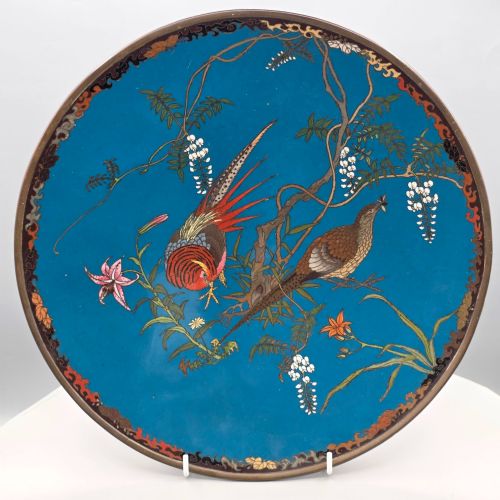
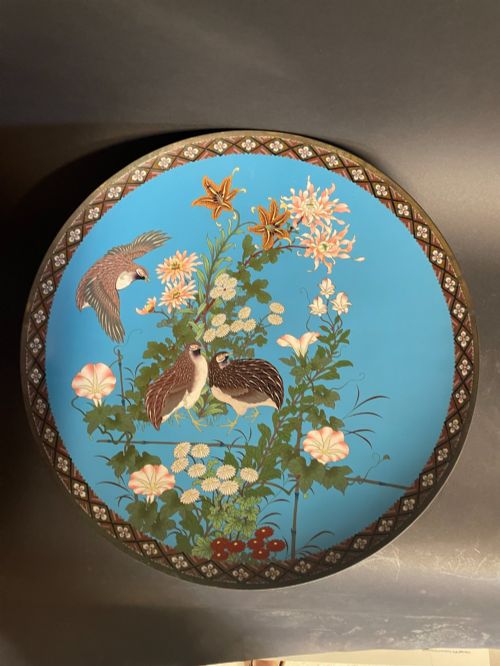
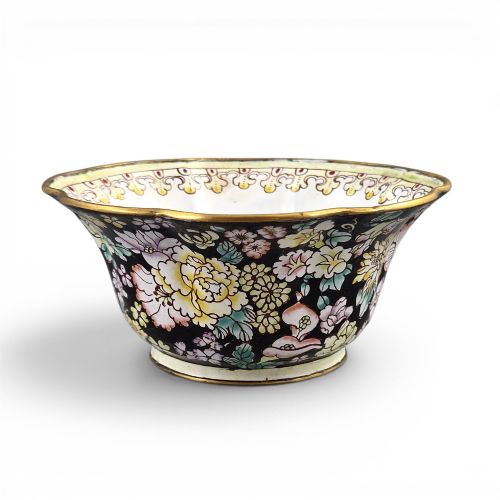
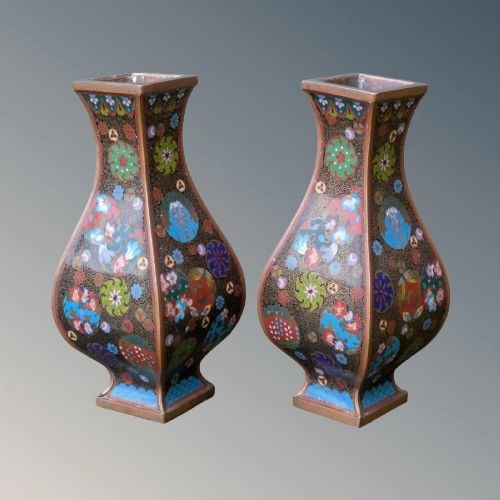
The physical construction of these objects relies heavily on traditional artisan techniques passed down through generations. Cloisonné works utilise thin wire ribbons soldered to copper or brass bases to create cells that are filled with coloured enamel pastes before firing.
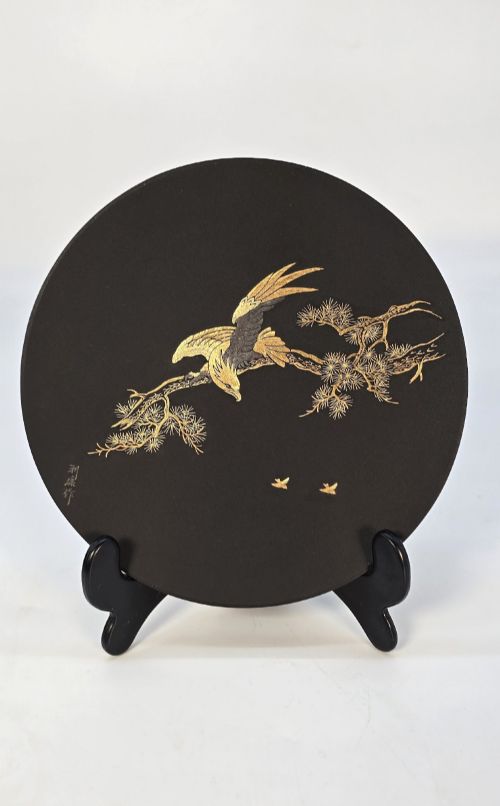
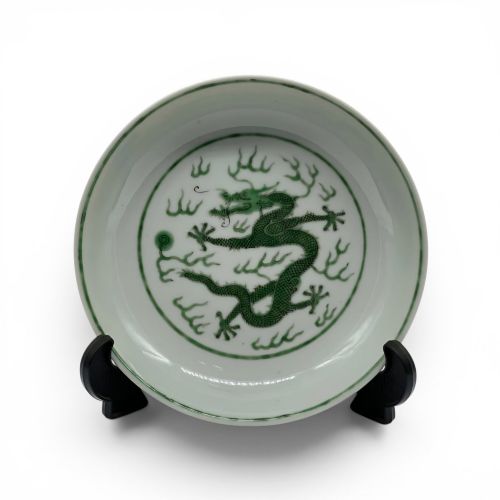
Ceramics employ finely sourced clays shaped on wheels or in moulds, painted with mineral pigments, and glazed before high-temperature kiln firing. Metal objects frequently incorporate patinated iron or bronze enhanced with inlaid gold and silver wire.
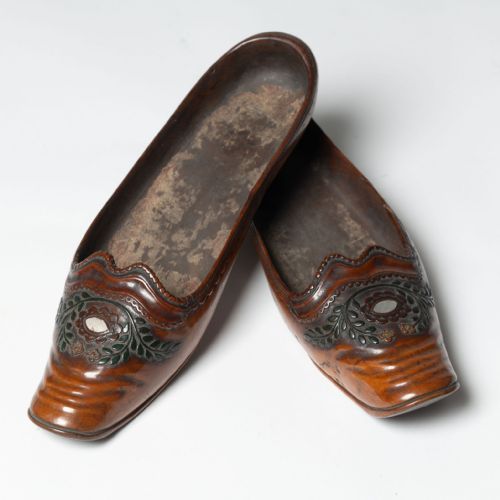
Organic materials such as wood, bone, and lacquer demand meticulous carving and layering techniques. Lacquer items build up deep surfaces through repeated applications of tree sap resin, often carved while partially cured to reveal intricate depth.
Listings span the nineteenth and early twentieth centuries, featuring materials from gold leaf and porcelain to patinated bronze and carved wood.
What varies in quality
Quality in these decorative works emerges from the precision of the artisan's hand and the discipline of the studio. Superior cloisonné displays tight, uniform wirework without pitting or cloudiness in the coloured enamel fields.
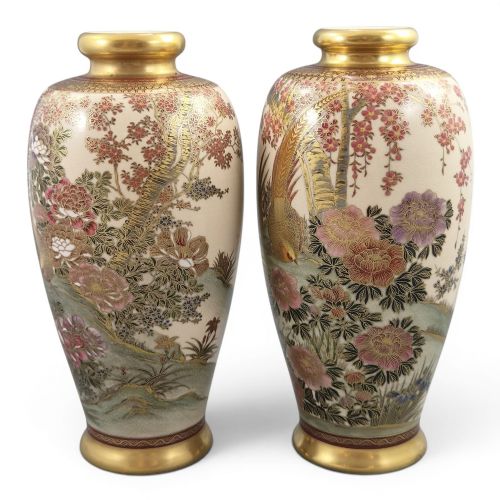
Ceramics and Satsuma wares achieve distinction through painterly control, where brushwork remains crisp and the application of gold leaf shows restraint rather than heavy-handed coverage. Maker signatures from known studios often correlate with this elevated standard of execution.
The Antique Asian Decorative Arts Glossary
- Cloisonné
- A decorative metalwork technique where fine wires create bounded cells filled with enamel paste. This method creates colourful geometric or pictorial surface patterns after firing and polishing.
- Satsuma
- A type of Japanese earthenware featuring a crackled ivory-coloured glaze decorated with polychrome enamels and gilt. These wares were heavily produced for export during the late nineteenth and early twentieth centuries.
- Imari
- A style of Japanese porcelain characterised by a palette of underglaze blue, iron red, and supplementary gold. The style originated in Arita and gained immense popularity across European markets.
- Okimono
- A Japanese freestanding decorative figurine designed for display in a traditional alcove or room. These sculptures are carved from ivory, wood, or cast in metal.
- Suzani
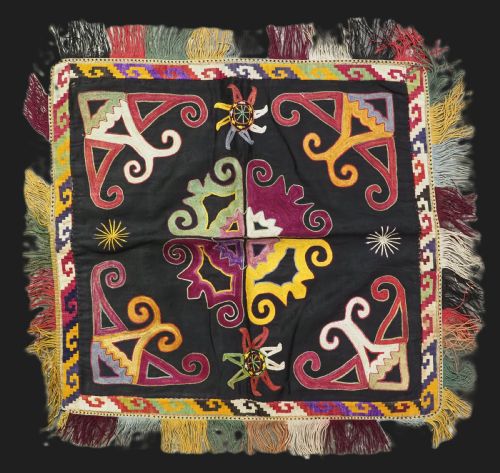
- A type of embroidered tribal wall hanging originating from Central Asia, typically worked in silk on a cotton ground. These textiles feature bold botanical motifs and served as dowry elements.
Antique Asian Decorative Arts: Frequently Asked Questions
What periods do these pieces date from?
The items gathered here primarily span the nineteenth and early twentieth centuries, capturing periods such as the Japanese Meiji era and the Chinese Qing dynasty. These decades represent intense periods of artistic production tailored both for domestic use and international export.
Catalogues occasionally stretch slightly earlier into the eighteenth century or forward into the Taisho and Showa periods. Examining the specific materials, signatures, and stylistic traits helps anchor each object securely within its historical decade.
How were cloisonne vessels created?
Artisans formed cloisonné by soldering flat metal wires onto a copper or brass foundation to map out intricate designs. The resulting compartments were then carefully packed with coloured enamel pastes before undergoing multiple kiln firings.
Once cooled, the surface was ground down and polished until the metal outlines and enamel fields sat completely flush. This demanding process required immense patience to prevent cracking or shifting during the high-temperature firings.
Where should I display these items at home?
These decorative works suit a variety of interiors, whether integrated into a dedicated cabinet or placed as statement pieces on sideboards and tables. Larger chargers and wall hangings benefit from stable mounting systems designed to support their weight safely.
Positioning items away from direct, harsh sunlight protects delicate pigments, particularly on textiles and lacquer surfaces. Ensuring adequate spacing around each object allows intricate details like bone inlay or fine wirework to remain visible.
How do I spot a signed piece?
Many Japanese and Chinese decorative arts feature artist signatures, studio marks, or period stamps stamped or painted on the base. These signatures often appear in the form of characters or mon symbols denoting the maker or workshop.
Researching these marks provides context regarding the origin and tier of the object. However, unsigned pieces can still exhibit exceptional craftsmanship and artistic merit.