






Cream Glaze Asian Urn
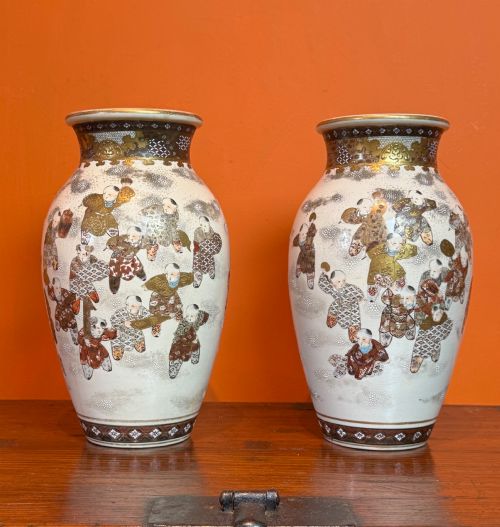
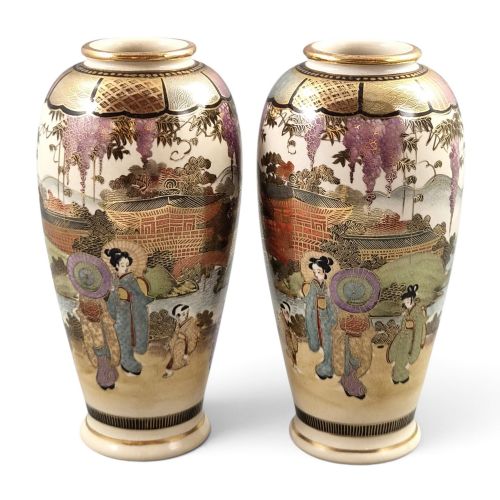
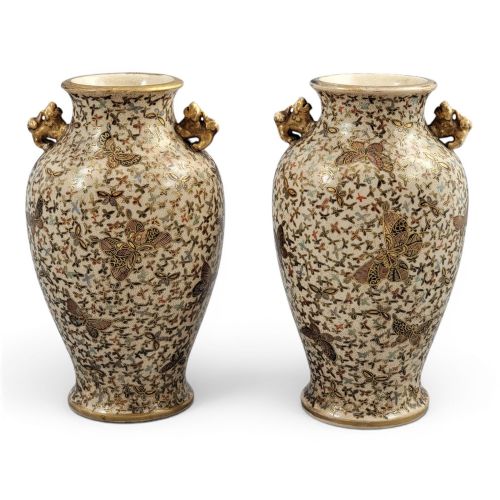
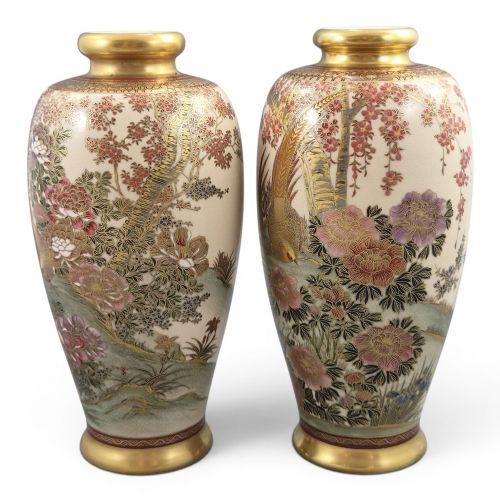
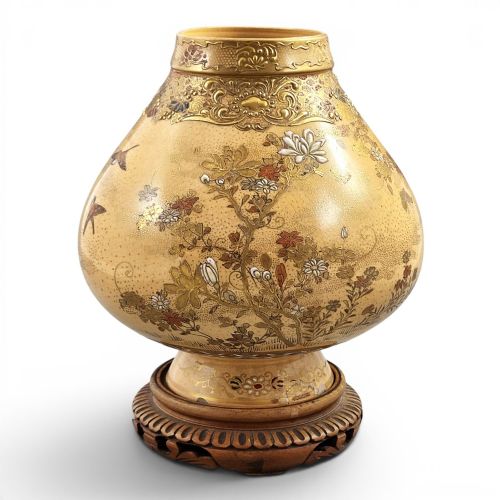
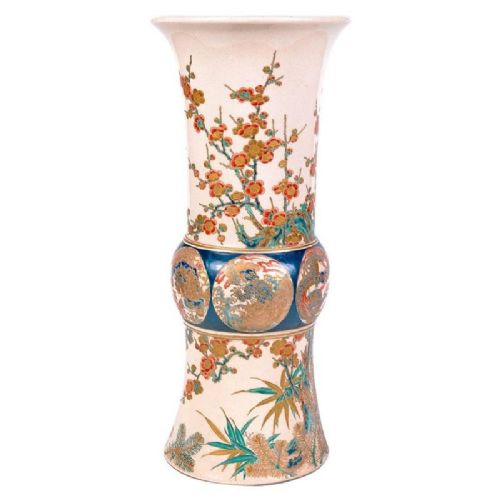
These cream glaze asian urn pieces are Japanese Satsuma and Chinese pots bringing hand-painted scenes to your room.
Cream Glaze Asian Urn
When you search for a cream glaze asian urn, you examine earthenware vessels ranging from miniature pots to monumental vases and decorative pieces. The selection on this page consists predominantly of Japanese Satsuma earthenware alongside Chinese pots.
The Japanese examples span the Meiji period, the late nineteenth century, and the early Showa period, featuring distinct forms such as garlic head vases and hexagonal vessels. Alongside these sit earlier Chinese pots from the Ming dynasty.
Most items appear as pairs or individual decorative vases, offering figures, landscapes, and traditional motifs painted across earthenware surfaces.
How they were made
Potters shaped these items from earthenware and ceramic bodies before applying characteristic glazes and enamel decoration. Artisans then added gold gilt, gold leaf, and delicate brushwork to delineate figures, processional scenes, and detailed floral patterns.
Certain pieces received wood stands or mounts, incorporating traditional joinery to support heavy ceramic bodies. Workshops utilised precise hand-painting techniques, signing individual pieces with workshop names or artist marks.
Cream Glaze Asian Urn Retail Price Guide 2026
Typical asking prices for cream glaze asian urn among the pieces listed under this phrase on Sellingantiques today, from the lower quarter to the upper quarter. They describe what is for sale here now, not the wider market.
Decoration across the collection relies on enamel, gold leaf, and gold gilt applied over a cream glaze.
What varies in quality
Quality rests on the precision of the hand-painted figural scenes and the delicacy of the enamel and gold leaf application. Finer examples show crisp detail in the depiction of samurai, women, children, and landscapes across the earthenware body.
The reputation of the workshop or maker, such as Kinkōzan, Manpei, or Chosei, distinguishes exceptional pieces from standard production. Monumental scale and complex forms like garlic head profiles or hexagonal structures also separate standard vessels from top tier works.
Shozan Satsuma·Manpei Kobe·Kinkōzan Workshop·Kinzan·Chosei Kyoto·Seiko-en Chokei·Hattori
The Cream Glaze Asian Urn Glossary
- Satsuma
- A type of Japanese earthenware originating from Satsuma Province, traditionally characterised by a cream-coloured cracked glaze and intricate enamel and gilt decoration.
- Meiji Period
- The era in Japanese history spanning from 1868 to 1912, noted in these listings for highly decorative Satsuma ceramics featuring figural processions and landscapes.
- Ming Dynasty
- The ruling dynasty of China from 1368 to 1644, representing earlier ceramic traditions distinct from the later Japanese earthenware on this page.
- Enameled
- Decorated with coloured glass fused to the ceramic body through firing, adding vibrant hues to the cream glaze background.
- Gilt
- Application of gold leaf or gold paint to highlight specific design elements, borders, and figural details on the vase surface.
Cream Glaze Asian Urn: Frequently Asked Questions
How do I identify Satsuma ware?
Satsuma ceramics display a characteristic cream-coloured earthenware body covered in a fine network of crackle glaze. Artisans painted these surfaces with detailed polychrome enamels and gold leaf.
Many pieces carry signature marks from specific artists or prominent workshops on the base. The subjects often include historical figures, samurai, landscapes, and butterflies.
Where were these vases made?
The majority of these pieces originated in Japan during the Meiji and early Showa periods, produced by specialised pottery workshops. Kyoto served as a primary centre for the creation of fine Satsuma wares.
Early Chinese pots on this page date back to the Ming dynasty, representing a different regional ceramic tradition.
How should I display a Satsuma vase?
Place these vessels in areas away from direct sunlight and heavy foot traffic to protect the delicate enamel and gold gilt decoration. Ensure the surface is stable and level, especially for monumental or large hexagonal vases.
Some pieces pair well with wooden stands that elevate the ceramic body and complement the dark tones of traditional furniture.