






Crackled Glaze Decorative Vase
A crackled glaze decorative vase brings tactile depth and rich history to a room, offering an intricate network of fine lines across the ceramic surface.
Crackled Glaze Decorative Vase
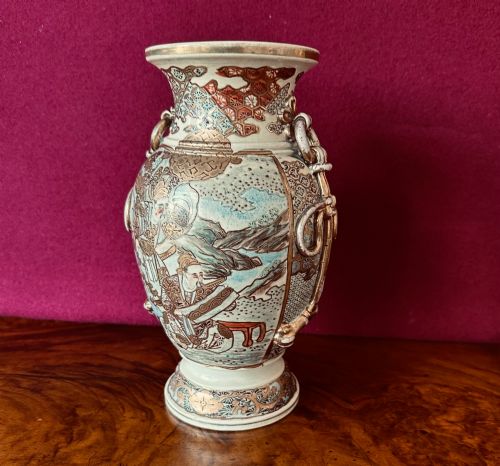
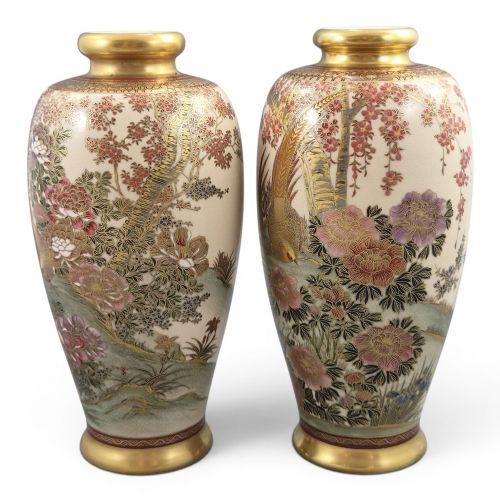
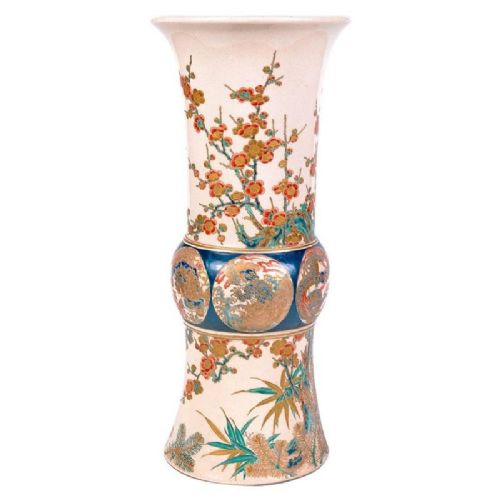
A crackled glaze decorative vase encompasses works spanning from the Song Dynasty up to the mid twentieth century, drawing heavily on Japanese Satsuma and Kutani traditions alongside Chinese celadon and European Iznik revival pieces. Ceramic baluster forms and smaller miniature vessels dominate the selection, often produced in matched pairs or small sets.
Makers from Kyoto and Kobe, including notable names such as Manpei and Chosei, created works defined by detailed family scenes, landscapes, ducks, and lotus motifs. The pieces range from late Victorian imports to early Showa period items, reflecting distinct regional styles and historical periods.
Buyers seeking a crackled glaze decorative vase will encounter earthenware and porcelain bodies decorated with enamel, gold leaf, and gilt highlights. These varied forms provide an insight into traditional ceramic production across different centuries and cultures.
How they were made
Potters shaped ceramic, earthenware, and porcelain bodies into baluster forms and jars before applying specialised glazes that naturally crazed during cooling. This controlled cracking of the surface layer creates the characteristic network of fine lines across the vessel.
Makers then applied detailed enamel designs, often supplemented with gold leaf and gilt accents. These painted scenes and motifs required precise brushwork by skilled artisans in workshops across Japan, China, and Europe.
Crackled Glaze Decorative Vase Retail Price Guide 2026
Typical asking prices for crackled glaze decorative vase among the pieces listed under this phrase on Sellingantiques today, from the lower quarter to the upper quarter. They describe what is for sale here now, not the wider market.
Listings feature items spanning from the Song Dynasty to the mid twentieth century, incorporating earthenware, porcelain, enamel, and gold leaf.
What varies in quality
The precision of the painted enamel work and the delicacy of the gilt detailing separate standard examples from superior pieces. Artisans who executed complex figures, landscapes, and natural scenes with fine brushwork produced works of greater visual depth.
The regularity and aesthetic appeal of the crackled glaze itself influence the overall character of the piece. Master potters controlled the firing process to ensure the crazing complemented the underlying ceramic form rather than masking it.
Manpei·Chosei
The Crackled Glaze Decorative Vase Glossary
- Satsuma ware
- A type of Japanese earthenware featuring a ivory-coloured crackled glaze decorated with enamel and gilt. It gained significant popularity for export during the Meiji period.
- Celadon
- A term for ceramics denoting a pale green jade-like glaze, often associated with historical Chinese kilns. The glaze relies on iron oxide in a reduction firing.
- Baluster
- A vertical architectural form with a rounded lower portion tapering toward the top, frequently adapted for vase shapes. This profile provides stability and a balanced silhouette.
- Meiji Period
- The era in Japanese history spanning from eighteen sixty-eight to nineteen twelve, marked by extensive international trade and distinct artistic output. Pieces from this time often display intricate hand-painted decoration.
- Enamel
- A glassy substance fused to ceramic or metal surfaces through firing, used to add permanent colour and decoration. It allows for vibrant hues alongside gilt highlights.
Crackled Glaze Decorative Vase: Frequently Asked Questions
How do I care for a crackled glaze decorative vase?
Clean the surface gently with a soft, dry cloth to remove dust without disturbing the delicate enamel or gilt details. Avoid using water or chemical cleaners, as moisture can penetrate the microscopic fissures in the glaze.
Keep the vessel away from direct sunlight and areas subject to sudden temperature fluctuations. Stable indoor conditions protect both the ceramic body and the surface decoration over time.
What is the difference between Satsuma and Kutani wares?
Satsuma wares typically feature an ivory earthenware body covered in a fine crackled glaze, heavily ornamented with polychrome enamels and gold leaf. They focus on detailed figurative scenes and natural motifs.
Kutani wares often utilise porcelain or different ceramic bodies with vibrant colour palettes, particularly iron red and green. While both styles flourished during the Meiji period, their visual textures and base materials differ distinctly.
Why do these glazes have cracks?
The cracking, known as crazing, occurs when the glaze layer contracts at a different rate than the ceramic body during the cooling process in the kiln. Potters sometimes engineered this effect deliberately to create texture.
Historical makers valued this network of fine lines for the visual depth it added to the surface. Rather than indicating damage, an even crackle pattern forms an integral part of the aesthetic design.
How can I tell the period of a vase?
Examine the base, painting style, and material composition for clues regarding the date of manufacture. Pieces from the Meiji period often carry specific workshop signatures and reflect distinct export art conventions.
Reference materials and historical records help connect specific makers, such as those working in Kyoto or Kobe, to particular decades. Comparing the weight and glaze characteristics provides further context for the era.