
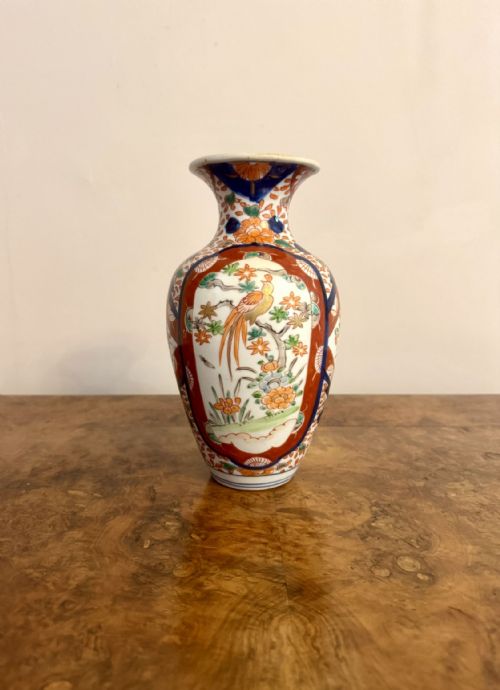
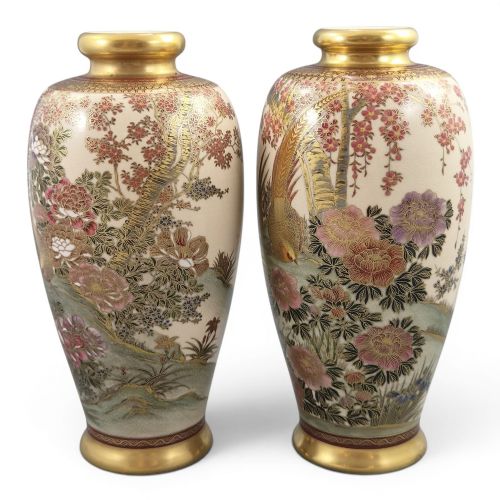
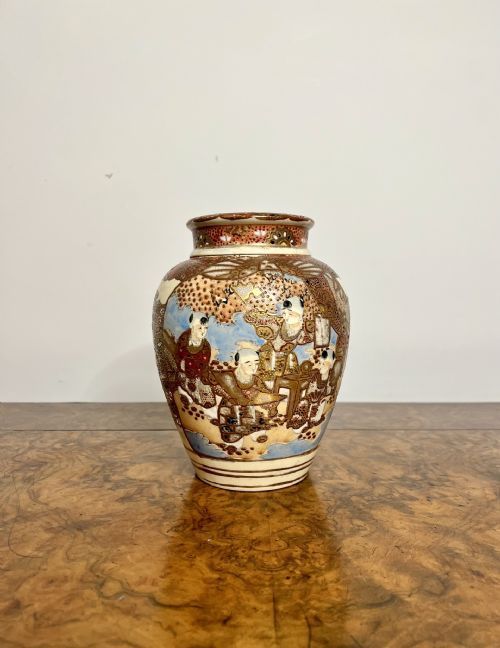

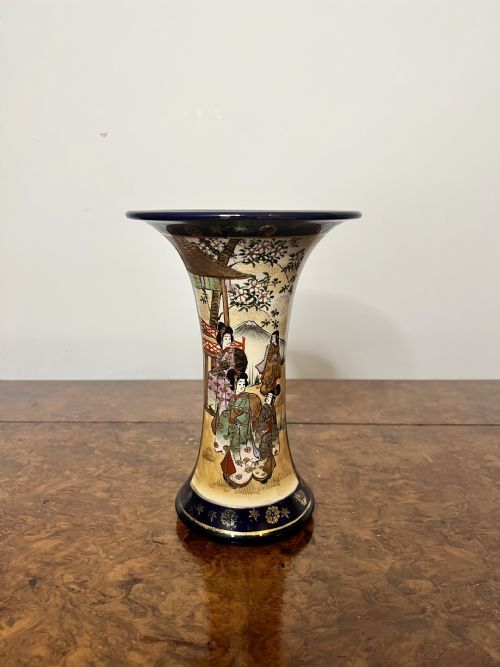

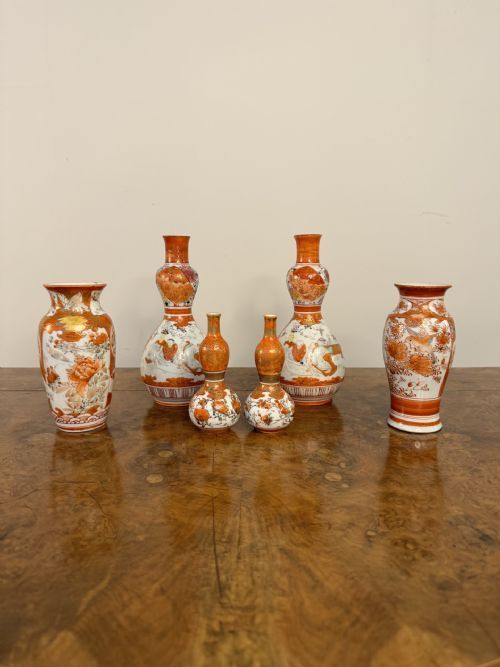

Japanese Painted Pottery Vase
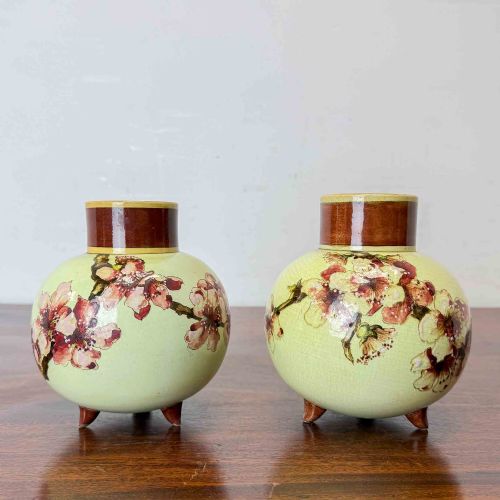
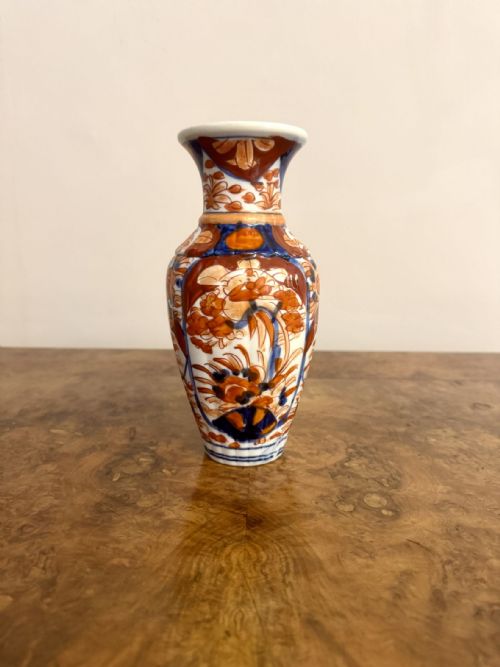
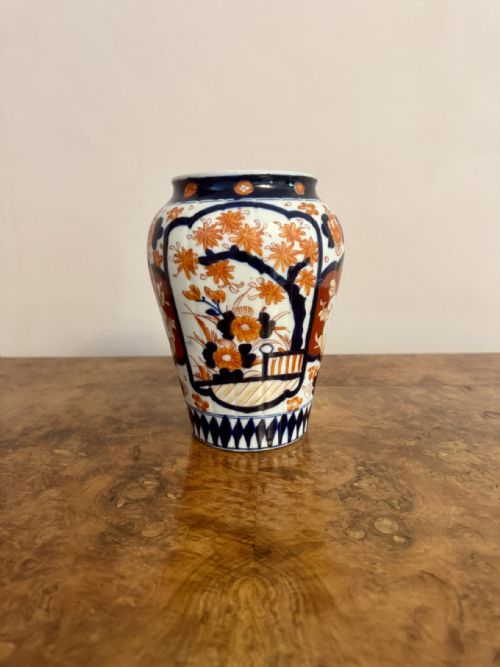
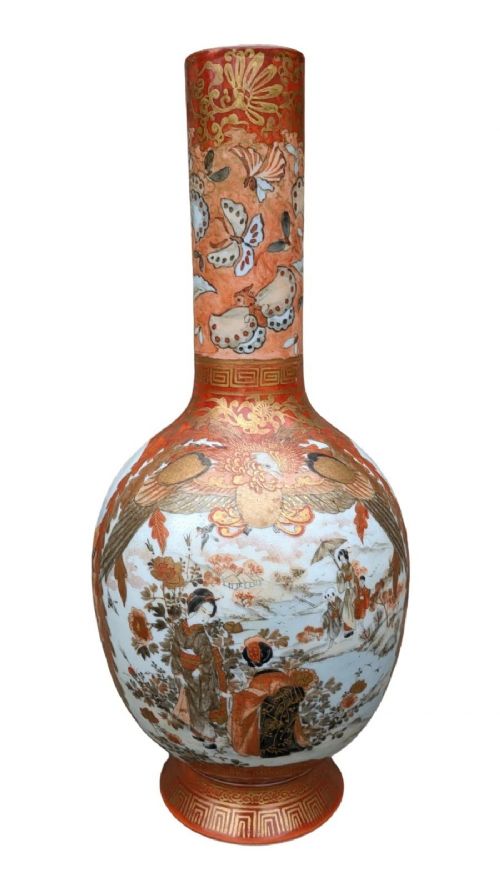
These Japanese painted pottery vase selections bring together earthenware and porcelain vessels from the Meiji and Taisho periods.
Japanese Painted Pottery Vase
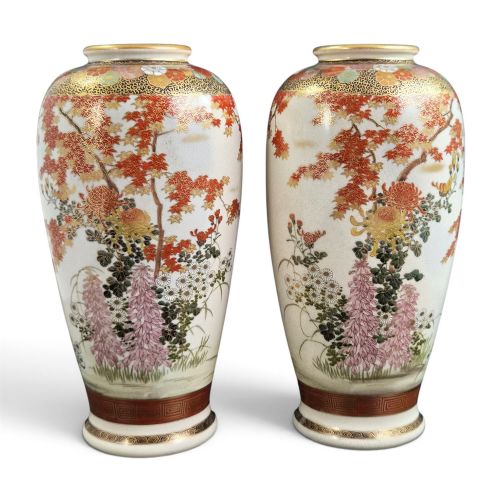
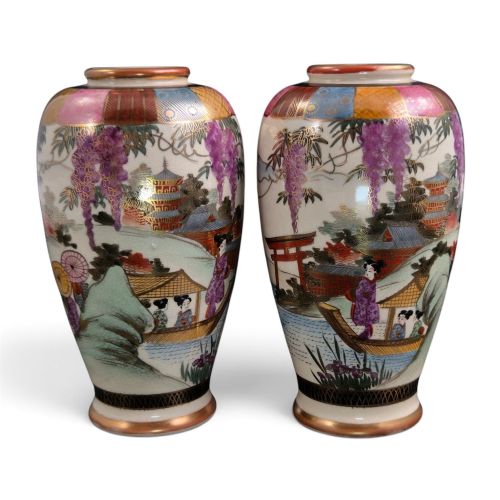
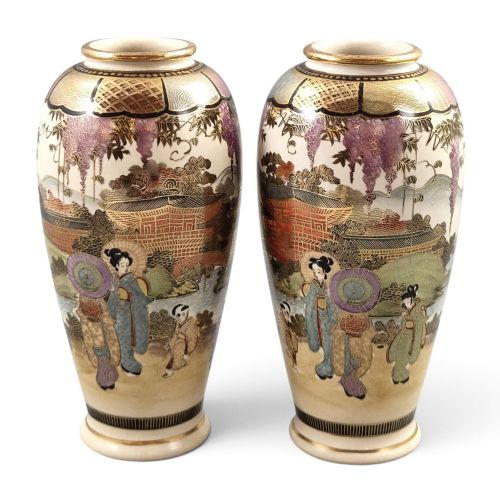
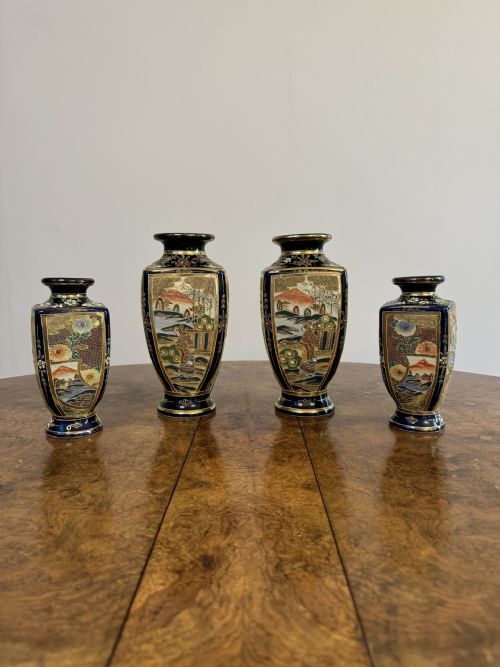
A Japanese painted pottery vase often appears as an earthenware vessel decorated during the Meiji and Taisho periods, alongside porcelain forms like Imari and Kutani pieces. These items range from miniature vessels to monumental vases, ginger jars, and incense burners created in regional centres such as Kyoto and Kobe.
Makers and studios marked their creations with signatures or family crests, providing specific attribution to workshops like Kinkozan or artists such as Chosei. Buyers frequently encounter pairs or garnitures featuring pictorial scenes of figures, landscapes, wisteria gardens, and lions.
The objects reflect a span of decades from the late nineteenth century into the early twentieth century, encompassing Edwardian imports and Showa period works. Table lamps converted from original vases also appear within the selection.
How they were made
Potters shaped earthenware and porcelain bodies on the wheel or in moulds before applying glazes and underglazes. Artisans then hand-painted detailed scenes utilising enamel pigments, often integrating gold leaf and heavy gilding into the final decorative scheme.
Kiln firing fixed the base colours and glazes, while subsequent low-temperature firings set the intricate enamel details and gold highlights. Workshops employed specialised painters for figural processions, landscapes, and floral motifs before applying a final clear glaze or leaving matte areas.
Listings feature earthenware and porcelain forms spanning the late nineteenth century through the Taisho period, including both Satsuma and Imari styles.
What varies in quality
The refinement of the hand-painted brushwork distinguishes finer vessels from standard production pieces, particularly in the precision of figural faces and botanical details. Artisans who applied dense gold leaf and controlled enamel work achieved greater depth and clarity across the surface.
Signatures from notable Kyoto and Kobe studios, such as Kinkozan or Hododa, indicate higher workshop standards and specific artistic attribution. The crispness of the moulded earthenware or porcelain body and the balance of the overall composition also separate standard items from exhibition-grade examples.
Maruni Kobe·Shozan·Manpei·Kinkozan·Chosei·Shuzan·Seiko-en Chokei·Choshuzan·Jissei·Yoshisada·Hakusan·Hododa
The Japanese Painted Pottery Vase Glossary
- Satsuma
- A type of Japanese earthenware originating from Satsuma Province, typically characterised by a crackle-glaze ivory body painted with enamels and gilt. These wares became widely exported during the Meiji period.
- Imari
- A style of Japanese porcelain named after the port of shipment, featuring a palette of underglaze blue, iron red, and gilt. Makers produced these robust decorative pieces for both domestic and international markets.
- Kutani
- A style of Japanese porcelain and pottery known for bold coloured enamels, often incorporating greens, yellows, purples, and extensive gold. The tradition originated in Kutani village within Ishikawa Prefecture.
- Mon
- A Japanese heraldic badge or crest used to identify families, clans, or organizations. These symbols often appear in gold on ceramic pieces associated with specific houses.
Japanese Painted Pottery Vase: Frequently Asked Questions
How do I identify a Satsuma vase?
Satsuma vessels typically display an ivory-coloured earthenware body covered in a fine network of crackled glaze. Artisans painted these surfaces with detailed enamel scenes and highlighted them with gold leaf.
Many pieces bear artist signatures or workshop marks on the base, pointing to specific production centres in Kyoto or Kobe from the Meiji period onward.
What is the difference between Imari and Kutani ceramics?
Imari wares are porcelain pieces traditionally decorated in a palette of underglaze blue, iron red, and gilt. Their designs often incorporate dense floral and geometric patterns.
Kutani ceramics utilise a broader range of bright enamel colours, including distinct greens and yellows, focusing heavily on pictorial scenes and nature motifs.
Were these vases made for export?
A large proportion of Meiji period ceramics were created specifically for international exhibition and export markets following the opening of Japan. Western buyers showed strong demand for elaborately decorated vases and decorative jars.
Export pieces often combined traditional Japanese subjects with forms suited to European interiors, such as table lamps and garnitures.
How should I care for antique painted pottery?
Keep these fragile earthenware and porcelain vessels out of direct sunlight to protect the enamel colours and delicate gilding from fading over time. Dust them gently with a soft, dry cloth rather than using liquid cleaners.
Avoid displaying them in areas subject to rapid temperature changes, which can stress the historic ceramic bodies and crackled glazes.