


Crackle Glaze Ceramic Vase
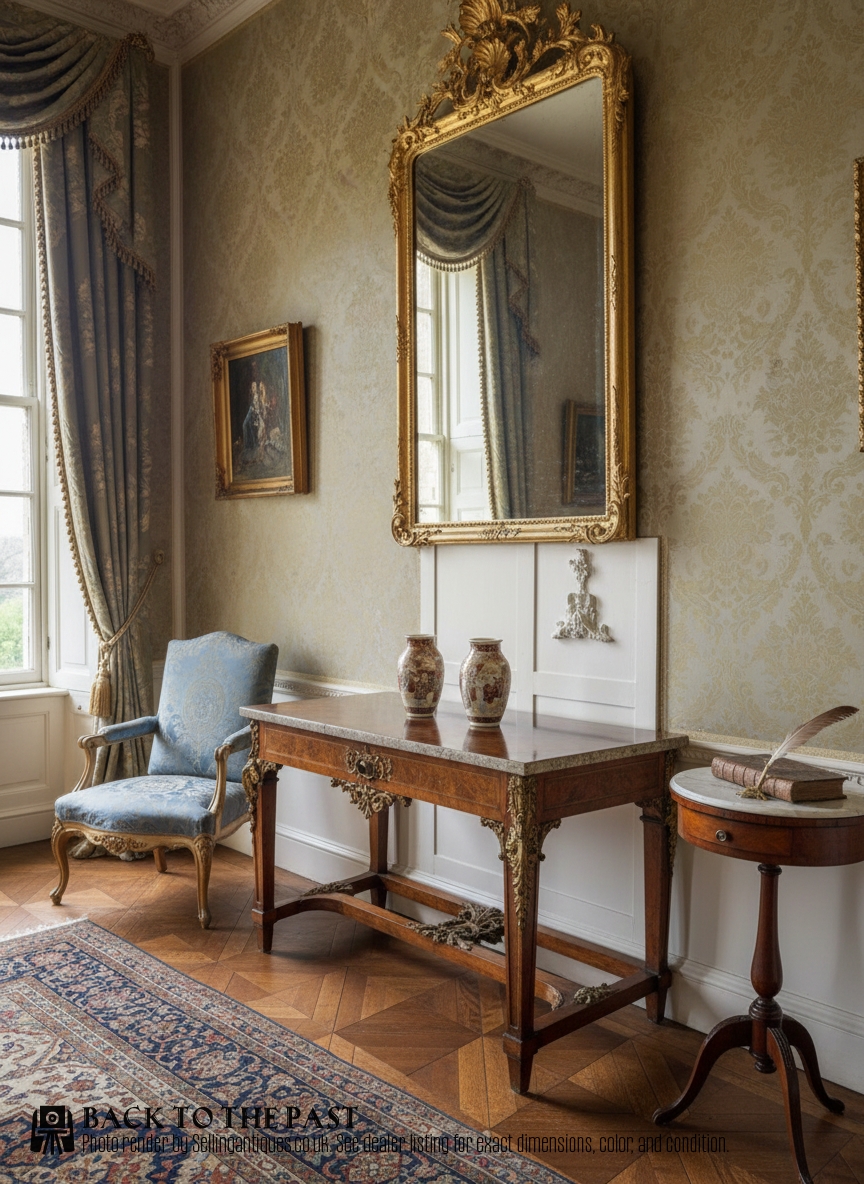
A crackle glaze ceramic vase brings quiet texture and age to a room, drawing the eye through its fine network of intentional crazing.
Crackle Glaze Ceramic Vase
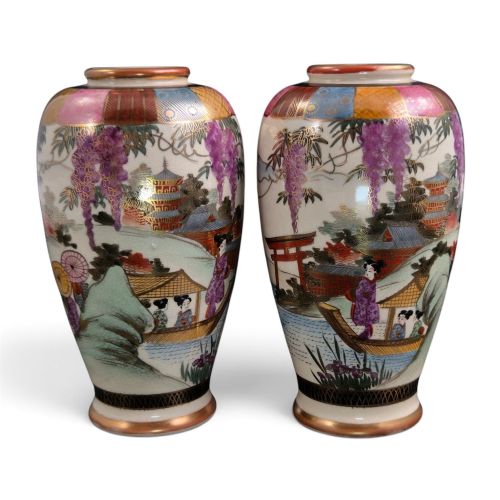
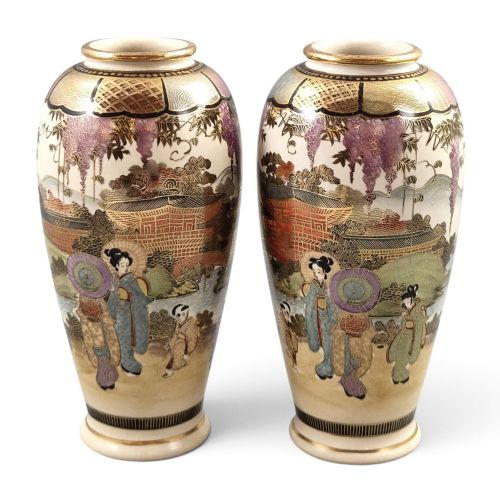
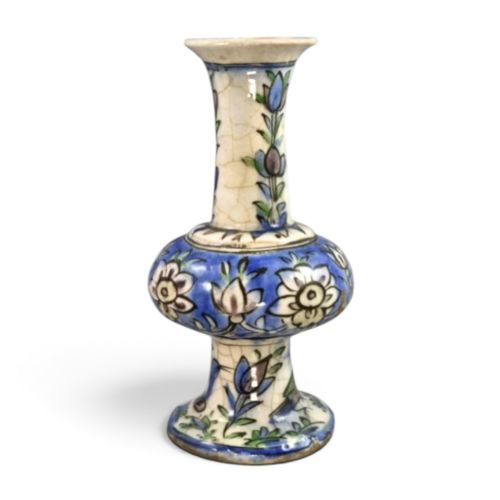
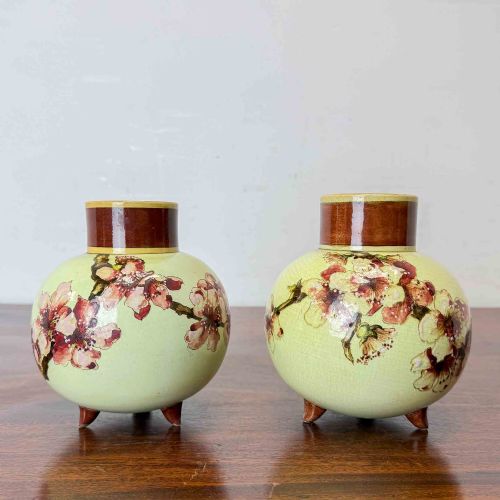
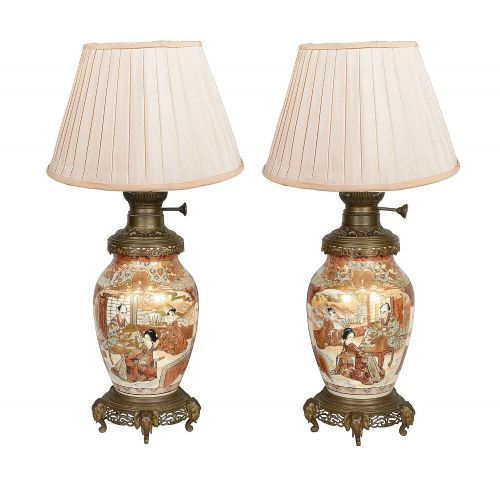
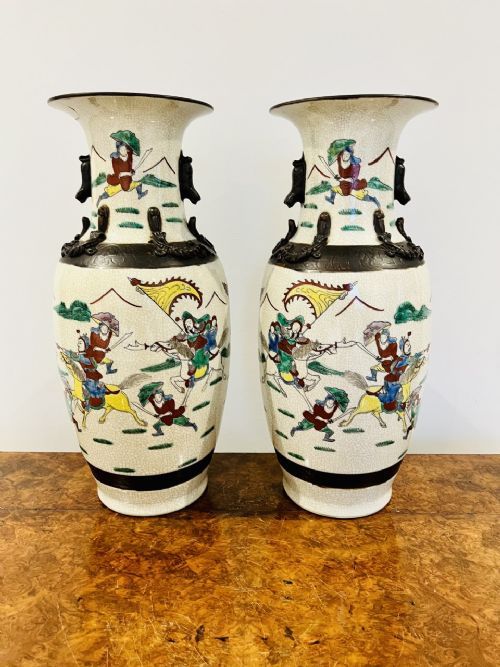
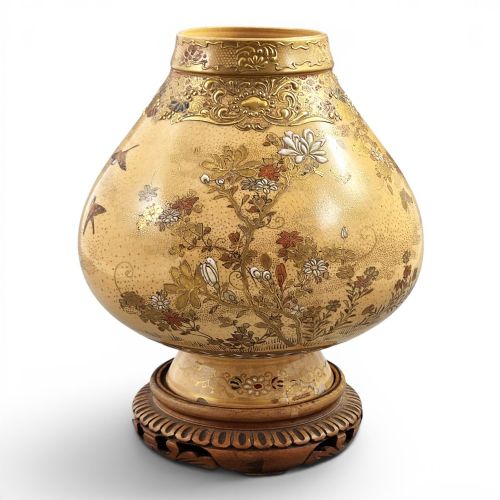
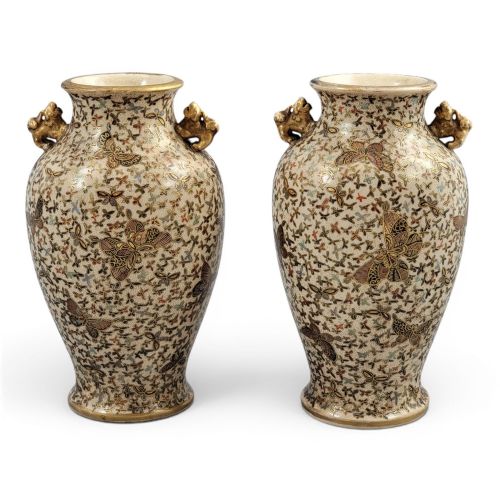
A crackle glaze ceramic vase displays a deliberately fractured surface pattern, appearing primarily in Japanese Satsuma wares from the Meiji and Edwardian periods alongside Chinese celadon and blue and white pieces. These vessels take various forms including baluster bodies, ginger jars, garnitures, and occasionally converted table lamps.
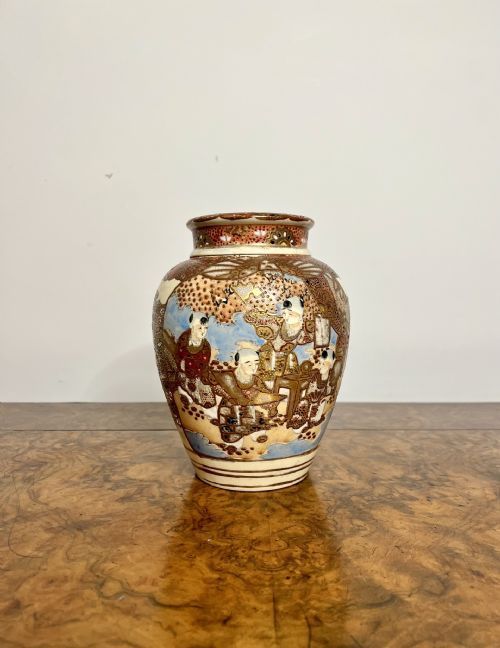
The selections span from miniature cabinet pieces with gilt figural processions to monumental landscape urns and hexagonal vessels. Most examples originate from late nineteenth and early twentieth century workshops in Kyoto, Kobe, and China, reflecting traditional artisan methods.
Buyers encountering this phrase will find a strong concentration of Satsuma earthenware alongside nineteenth century Chinese crackleware and celadon jars. These pieces range from simple domestic decor to highly detailed cabinet items decorated with court figures, botanicals, and traditional deities.
How they were made
Potters produced the signature surface texture by utilising differential contraction rates between the clay body and the silica glaze during kiln cooling. This intentional crazing was often highlighted afterward by rubbing dark pigments into the fine fissures to accentuate the pattern.
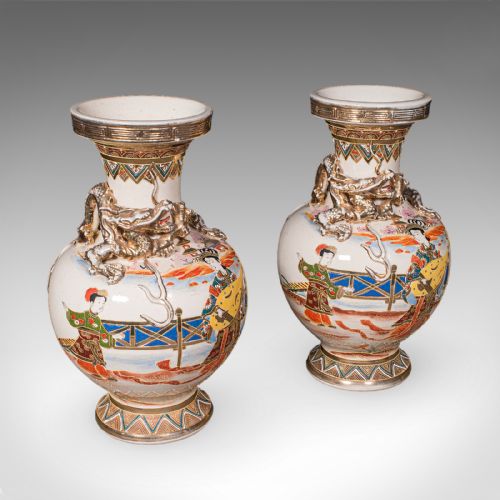
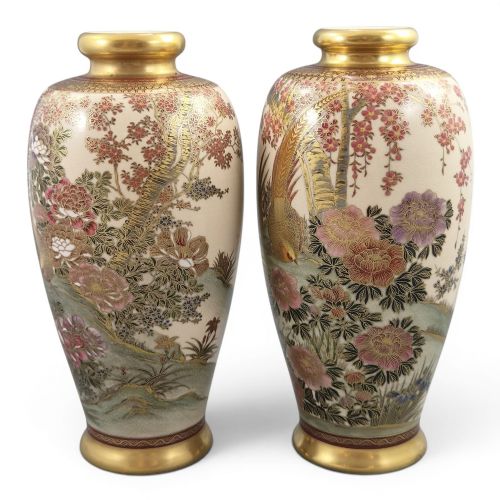
Makers applied hand-painted polychrome enamel details and gold leaf over the glazed earthenware or porcelain surfaces, depicting scenes of wisteria, butterflies, and processions. Certain workshops combined these techniques with raised moriage decoration to build tactile depth across the vessel.
Structures include robust ceramic and porcelain bodies, occasionally mounted with brass fittings when adapted into table lamps or fitted with custom fabric shades. The primary materials remain earthenware and glaze, supported by delicate applications of enamel and gilt highlights.
Listings feature numerous Satsuma vases from the Meiji period, alongside Chinese celadon jars and nineteenth-century blue and white crackleware lamps.
What varies in quality
The refinement of the painted detail dictates the tier of the piece, separating standard commercial output from masterwork workshop production. Finer examples exhibit disciplined brushwork in the figures, landscapes, and floral motifs without crowding the compositional space.
The control and uniformity of the crackle network influence the visual harmony of the ceramic surface. Superior pieces display a balanced, evenly distributed craze that complements rather than obscures the underlying painted narrative.
Gilding execution and enamel preservation define the upper range of the inventory. Intact gold leaf work and richly layered polychrome pigments demonstrate superior workshop standards from periods such as the Meiji era.
Doulton Lambeth Faience·Kinkōzan Workshop·Kinzan·Manpei·Chosei·Seiko-en Chokei
The Crackle Glaze Ceramic Vase Glossary
- Satsuma
- A type of Japanese earthenware originating from Satsuma Province, typically featuring a cream-coloured crackled glaze and elaborate enamel and gilt decoration. These pieces were produced extensively for export during the Meiji period.
- Moriage
- A decorative ceramic technique utilising raised slip to create textured, three-dimensional surface patterns. This method often frames painted figures and floral elements on Japanese export vases.
- Celadon
- A term for ceramics denoting a pale green jade-like glaze, often associated with historic Chinese kiln traditions. The glaze typically covers a thick porcelain or stoneware body.
- Baluster
- A vase form characterised by a swollen lower body that tapers towards a narrow neck and flared rim. This classical silhouette provides a stable base for detailed surface painting.
- Garniture
- A set of matching vases or jars designed to be displayed together on a mantelpiece or sideboard. These sets frequently include central jars with covers and matching side vessels.
- Rakan
- Depictions of enlightened followers of Buddha, frequently appearing as detailed figural subjects on Japanese ceramic vessels. They are often shown alongside dragons or in contemplative groupings.
Crackle Glaze Ceramic Vase: Frequently Asked Questions
How do I clean a crackle glaze vase?
Dust the surface gently with a soft, dry brush to prevent particulate buildup within the fine glaze fissures. Avoid using water or liquid cleaning agents, as moisture can penetrate open crazing lines and discolour the historic body underneath.
Keep the vessel away from direct sunlight and fluctuating humidity to protect the delicate enamel and gold leaf decorations. Handle the piece by its body rather than the rim or handles to ensure stability.
Are these vases waterproof?
Many antique earthenware and Satsuma vases are porous and not designed to hold water safely for fresh floral arrangements. Using them for dry displays or artificial stems preserves the interior clay and historic glazes from moisture damage.
If water is necessary, place a discreet glass or plastic liner inside the vessel rather than filling the ceramic body directly. This protects the historic glaze and prevents water from seeping into the crazed matrix.
How can I tell the period of a Satsuma vase?
Examine the weight, paste texture, and style of the painted decoration, as nineteenth-century Meiji pieces often feature denser earthenware bodies and meticulous hand-painted details. Later Edwardian and Taisho items sometimes display slightly more standardised patterns and lighter potting techniques.
Look for artist signatures or workshop seals painted on the base, which often identify specific Kyoto or Kobe makers. Comparing the complexity of the moriage and gilding also helps place the object within its historical timeline.
What is the difference between Satsuma and Chinese crackleware?
Satsuma wares are typically Japanese earthenware featuring a distinctive ivory crackle glaze decorated with dense polychrome enamels and gilding. Chinese crackleware often utilises celadon or blue and white porcelain bodies with a more restrained focus on glaze texture and form.
Chinese pieces frequently date to earlier dynasties or nineteenth-century revival periods, displaying different stylistic motifs such as dragons, lotus, and ducks. The clay bodies and potting techniques also differ noticeably upon inspecting the unglazed foot rings.