








Japanese Porcelain Tray
A japanese porcelain tray brings vibrant cobalt and iron red into a room, offering centuries of artistry for daily use or display.
Japanese Porcelain Tray
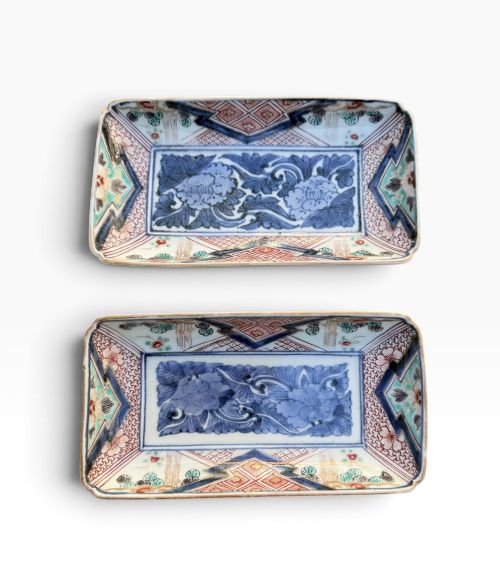
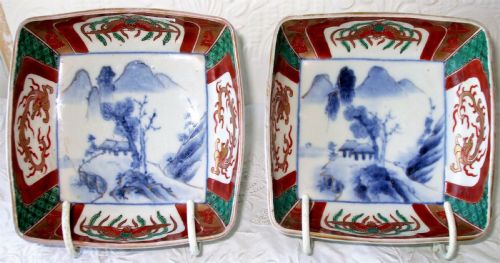
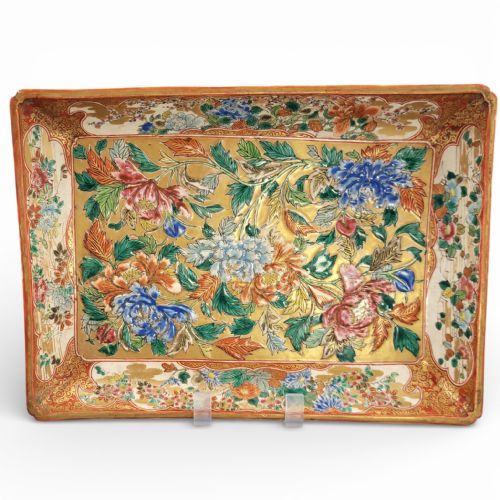
When buyers search for a japanese porcelain tray, they encounter an array of serving dishes, decorative plates, and platters spanning several centuries. The selection on this page centres heavily on Japanese Imari ware, alongside Edo and Meiji period pieces and English interpretations.
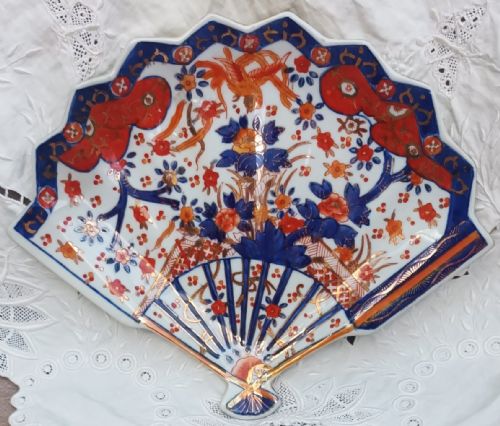
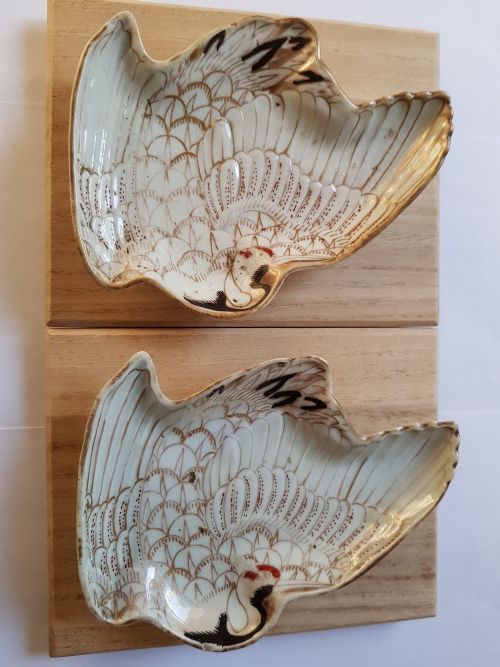
Forms range from conventional scalloped dishes to shell and fan shapes moulded in shallow relief. These items function equally well as table service or as decorative wall and cabinet displays.
The aesthetic bridges traditional Eastern craftsmanship with the practical utility demanded by period interiors. Buyers find both authentic Japanese exports and domestic adaptations sharing similar decorative vocabularies.
Materials and methods
Potters shaped fine clay and bone china into plates and dishes before applying underglaze blue and overglaze enamel colours. Iron red enamel and gold leaf or gilding provide the characteristic warmth found across many examples.
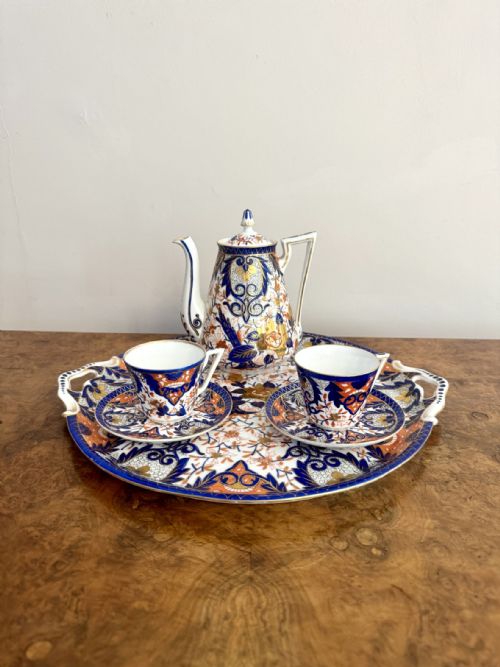
Firing techniques achieved durable ceramic bodies capable of holding food or serving coffee sets. Artisans hand-painted intricate motifs, incorporating black outlines and gold leaf highlights directly onto the glazed surface.
Japanese Porcelain Tray Retail Price Guide 2026
Typical asking prices for japanese porcelain tray among the pieces listed under this phrase on Sellingantiques today, from the lower quarter to the upper quarter. They describe what is for sale here now, not the wider market.
Materials recorded across the inventory include porcelain, bone china, enamel, iron red enamel, and gold leaf or gilding.
Judging quality and execution
Differentiation in quality rests upon the precision of the hand-painting and the complexity of the moulding. Pieces featuring fan or shell silhouettes and detailed crane motifs demand greater skill from the decorator than simpler circular forms.
The vibrancy of the enamel colours and the preservation of the gold leaf or gilding determine the visual impact of a dish. Earlier seventeenth-century items exhibit distinct body densities and glaze characteristics compared to later Meiji period production.
Royal Crown Derby
The Japanese Porcelain Tray Glossary
- Imari
- A style of Japanese porcelain featuring a palette of underglaze blue, iron red, and gold. It originated in Arita and became widely exported to Europe.
- Meiji Period
- The era of Japanese history lasting from eighteen sixty-eight to nineteen twelve, known for prolific decorative arts exports. Pieces from this time often display meticulous brushwork and rich gilding.
- Edo Period
- The period spanning from sixteen hundred and three to eighteen sixty-seven, characterised by stable governance and flourishing ceramic traditions. Early dishes from this time are prized for their historical significance.
- Bone China
- A type of soft-paste porcelain incorporating animal bone ash. English factories utilised this material to produce Imari pattern serving dishes.
- Iron Red
- An overglaze enamel colour derived from iron oxide, producing a rust-red hue. It appears frequently alongside blue and gold on Japanese export ware.
Japanese Porcelain Tray: Frequently Asked Questions
How do I use a japanese porcelain tray today?
These pieces serve well as decorative display trays on sideboards or coffee tables. They also function practically for serving small items during tea or coffee service.
Care should be taken to hand wash them gently to preserve the overglaze enamel and gold leaf details.
What is the difference between Edo and Meiji pieces?
Edo period items originate from an earlier era of Japanese isolation and feudal rule, often showing robust forms and simpler firing characteristics. Meiji pieces reflect the opening of trade and display highly intricate, refined decoration.
Both periods utilise the iconic Imari palette but differ in handling and aesthetic nuance.
Are English Imari trays authentic?
English makers such as Royal Crown Derby produced substantial quantities of Imari pattern wares during the early twentieth century. These are authentic British interpretations of Japanese export styles rather than Japanese imports.
They offer a different ceramic body, typically bone china, while honouring the traditional red, blue, and gold colour scheme.
How do I care for antique porcelain?
Antique porcelain requires gentle hand washing in warm water with mild soap. Avoid soaking pieces with delicate gold leaf or overglaze enamel decoration.
Keep them away from direct heat sources and abrasive cleaning materials to maintain the glaze.