




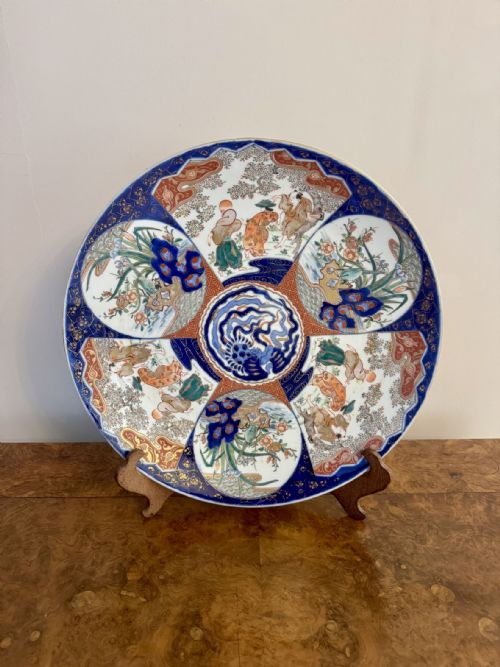


Arita Porcelain Platter
An arita porcelain platter brings centuries of kiln artistry to the table, offering bold motifs and historic depth that elevate any interior.
Arita Porcelain Platter
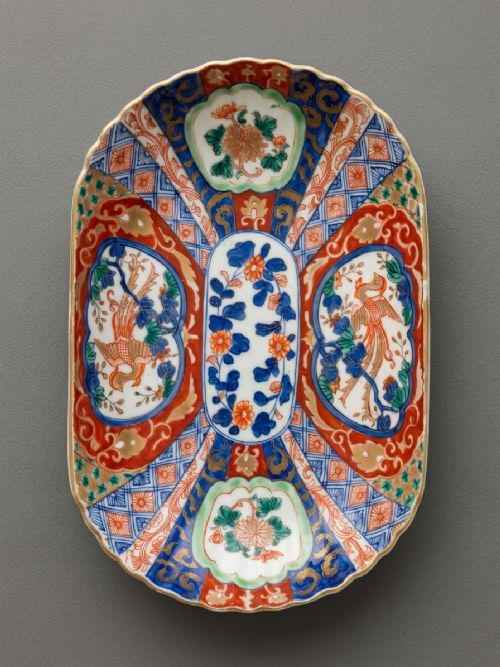
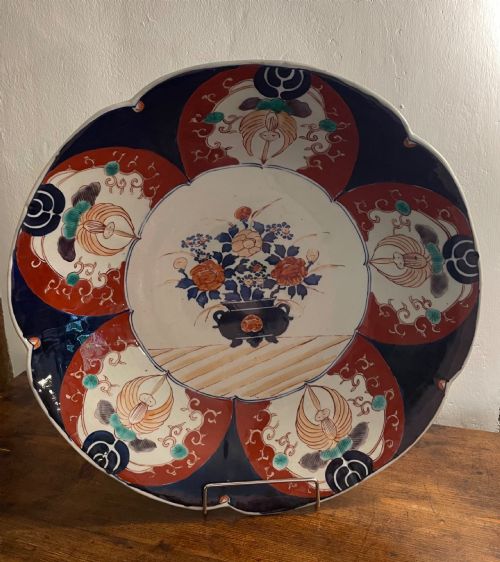
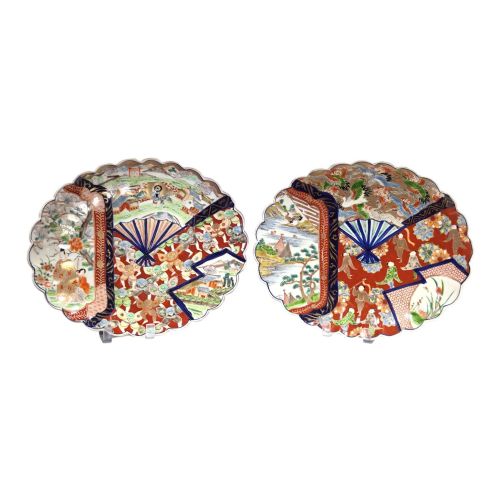
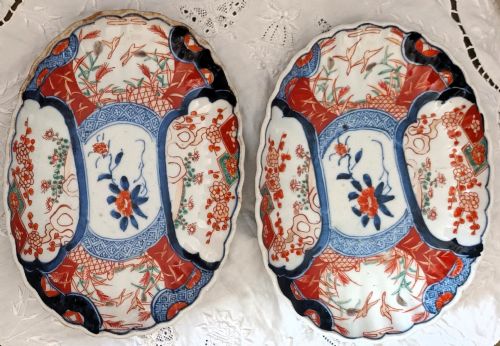
An arita porcelain platter encompasses chargers, decorative dishes, and large serving plates originating from Japanese kilns. Buyers find various forms here, ranging from deep bowls to scalloped and fan-shaped plates.
The pieces on this page span several centuries, including pieces from the Edo period and the Meiji period, alongside later nineteenth century and turn-of-the-century examples. The most common form encountered is the large Imari charger decorated in traditional palettes.
Materials and Technique
Potters shaped fine porcelain clay and applied cobalt underglaze before the initial firing to create deep blue outlines and details. Overglaze enamels in iron red and other colours were added subsequently, often complemented by gold leaf or gilding.
Hand-painting defines these works, showing intricate floral, bird, and scrolling foliate designs executed by skilled artisans. Some early examples utilise blue and white glazes without the heavier enamel overlays.
Arita Porcelain Platter Retail Price Guide 2026
Typical asking prices for arita porcelain platter among the pieces listed under this phrase on Sellingantiques today, from the lower quarter to the upper quarter. They describe what is for sale here now, not the wider market.
Several plates capture swimming koi carp frozen mid-dash across the porcelain.
Assessing Quality and Execution
The distinction between ordinary and superior pieces rests on the precision of the hand-painted brushwork and the clarity of the cobalt underglaze. Dynamic compositions featuring subjects like koi carp or cranes demand greater artistic skill than repetitive floral borders.
Unusual forms, such as square, octagonal, or clam shell shapes, require advanced moulding techniques and represent finer craftsmanship. The richness and application of the gilding and enamel work also separate standard production wares from exceptional output.
Fukagawa
The Arita Porcelain Platter Glossary
- Imari
- A style of Japanese porcelain decorated in underglaze blue, iron red, and gilt. It originated in Hizen province and shipped through the port of Imari.
- Charger
- A large decorative plate or platter used historically for presentation or serving. These substantial pieces often measure significant diameters and display complex pictorial scenes.
- Edo Period
- The period in Japanese history spanning from 1603 to 1868. Wares from this era demonstrate early aesthetic foundations and traditional potting methods.
- Meiji Period
- The era in Japan lasting from 1868 to 1912. Many decorative plates and dishes seen today date from this time of increased export and refined execution.
Arita Porcelain Platter: Frequently Asked Questions
What is an arita porcelain platter?
An arita porcelain platter is a ceramic dish or charger made in the Hizen province of Japan, renowned for fine porcelain body and hand-painted decoration.
These pieces include styles like Japanese Imari and blue and white designs created across the Edo and Meiji periods.
How were these platters used historically?
Larger chargers and platters served as decorative display pieces on walls, sideboards, or dining tables rather than for daily dining.
Their substantial size and vibrant enamel palettes made them focal points in both Japanese interiors and European export markets.
How do I care for antique porcelain?
Antique porcelain requires gentle hand washing in lukewarm water with mild soap when necessary, avoiding abrasive sponges or modern dishwashers.
Display these plates securely on appropriate wall hangers or stable stands to protect the edges and glaze.
How do I date an arita porcelain platter?
Dating relies on examining the potting style, the composition of the blue underglaze, and the character of the overglaze enamels.
Earlier pieces from the seventeenth and eighteenth centuries show different foot ring characteristics and blue tones compared to late nineteenth century Meiji period examples.