







Edo Meiji Imari Ware
Edo meiji imari ware brings together centuries of Japanese ceramic skill, offering vibrant porcelain plates, bowls, and vases shaped by tradition.
Edo Meiji Imari Ware
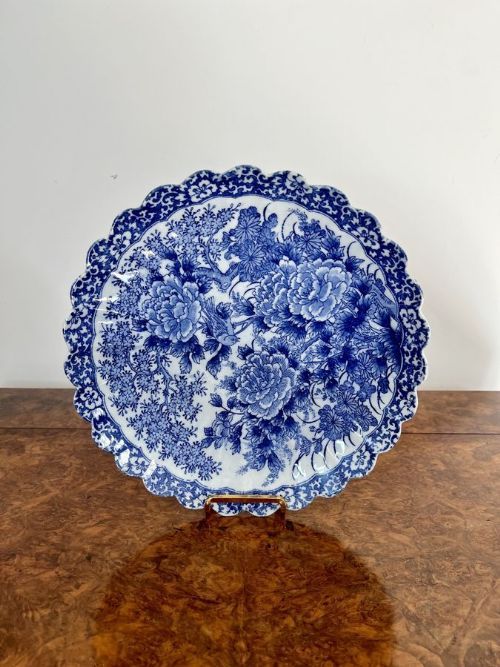
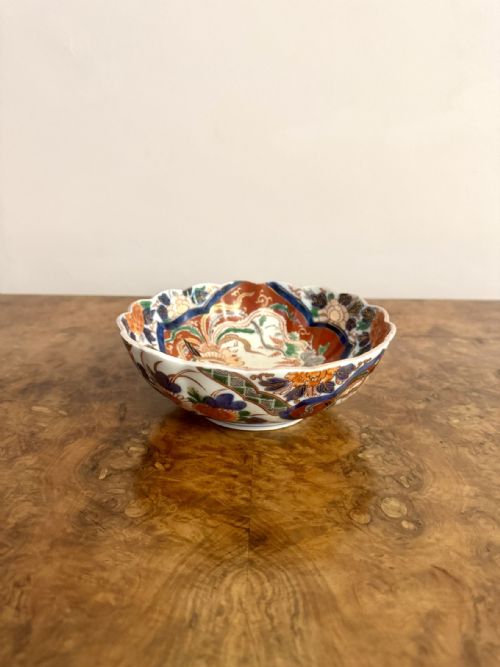
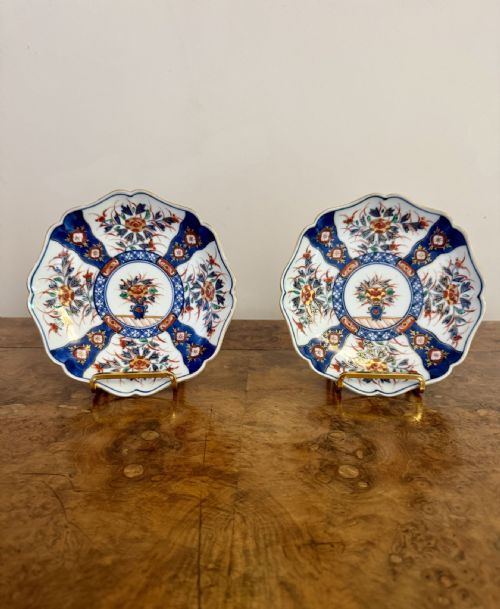
Edo meiji imari ware encompasses various decorative plates, bowls, chargers, and vases originating from Japan across the nineteenth century and surrounding periods. Collectors encounter diverse vessel types, from standard circular dishes to hexagonal, square, scalloped, fan-shaped, and leaf-formed examples.
The selections span distinct temporal markers including the seventeenth, eighteenth, and nineteenth centuries, with numerous items recorded from the Meiji period and earlier Edo iterations. Formats range from single display items and paired sets to larger matched collections and garnitures.
The dominant material presence is porcelain, alongside ceramic bases, completed with intricate painted details. Individual pieces often arrive with specialised storage boxes or display specific structural profiles such as shell and fan contours.
Materials and Construction
Makers shaped porcelain and ceramic bodies by hand before applying cobalt glaze and enamel decoration. Gold leaf accents frequently enhance the surface alongside detailed hand-painted motifs.
Kiln firing fixed the cobalt blue underglaze and subsequent enamel layers onto the ceramic substrate. Artisans formed irregular silhouettes, including scalloped edges, hexagonal outlines, and naturalistic leaf or shell profiles, directly in the clay.
Edo Meiji Imari Ware Retail Price Guide 2026
Typical asking prices for edo meiji imari ware among the pieces listed under this phrase on Sellingantiques today, from the lower quarter to the upper quarter. They describe what is for sale here now, not the wider market.
The object forms span decorative plates, chargers, and bowls alongside single and paired vases moulded into hexagonal, shell, and fan shapes.
Distinctions in Quality
Quality rests upon the precision of the hand-painted brushwork and the complexity of the vessel's moulded or carved shape. Standard circular plates contrast with labour-intensive hexagonal, fan, and leaf-shaped forms that demand greater ceramic skill.
The integration of multiple enamels and gold leaf alongside cobalt glaze elevates the visual richness of superior examples. Consistency in glaze application and the preservation of delicate painted details separate standard vessels from exceptional collector pieces.
The Edo Meiji Imari Ware Glossary
- Imari
- A style of Japanese porcelain traditionally decorated in underglaze blue, iron red, and gold. It originated in the town of Arita and was exported through the port of Imari.
- Arita
- The Japanese town and surrounding region where the clay for these porcelains was mined and fired. It remains the historical heartland of Japanese ceramic production.
- Charger
- A large decorative plate or platter intended primarily for display rather than dining. These pieces showcase expansive painted surfaces.
- Garniture
- A set of matching vases or vessels designed to be displayed together on a mantelpiece or cabinet. They typically consist of three or more graduated or matching pieces.
- Cobalt Glaze
- A metallic oxide pigment applied under the glaze to produce a deep blue colour during firing. It forms the foundational palette for traditional imari decoration.
Edo Meiji Imari Ware: Frequently Asked Questions
How were these ceramics used?
Many of these vessels were created for display, particularly large chargers and decorative vases arranged individually or in matched garnitures. Plates and bowls also functioned as tablewares or decorative display items within traditional interiors.
Export demand meant many pieces travelled abroad, where they were prized as decorative focal points in European and domestic homes.
How do I live with imari porcelain?
These ceramics require stable display locations away from high foot traffic and direct sunlight to protect enamel and gold leaf details. Placing pieces on secure shelves or inside cabinets ensures they remain safe from accidental knocks.
Handling should be done with clean hands, supporting the base and body of the plate, bowl, or vase rather than relying on delicate rims or applied handles.
How are different periods identified?
Dating relies on stylistic shifts in painting techniques, glaze compositions, and the evolution of ceramic forms from the Edo era through the Meiji period. Certain pieces carry historical context through associated wooden storage boxes and traditional potting traits.
Comparing the complexity of the cobalt glaze and enamel work helps situate items within the broader timeline of Japanese ceramic history.