




Arita Ware Porcelain Dish
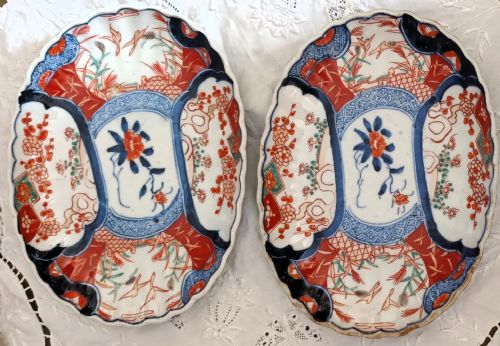
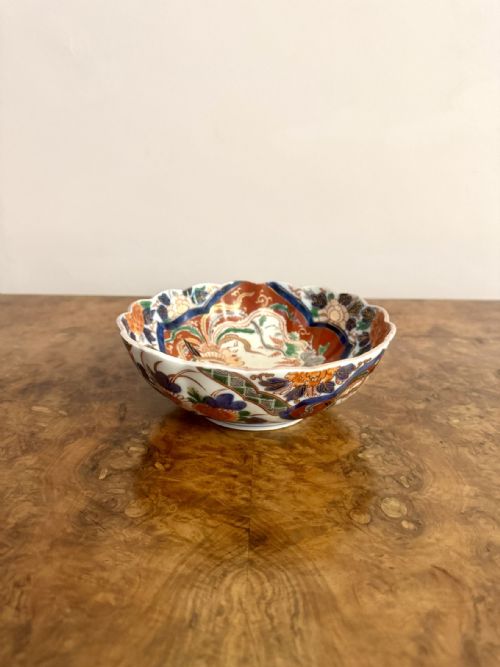
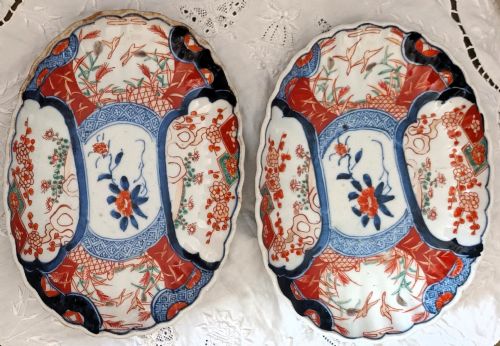
An arita ware porcelain dish brings centuries of Japanese ceramic artistry into a room, valued for its striking painted designs and robust utility.
Arita Ware Porcelain Dish
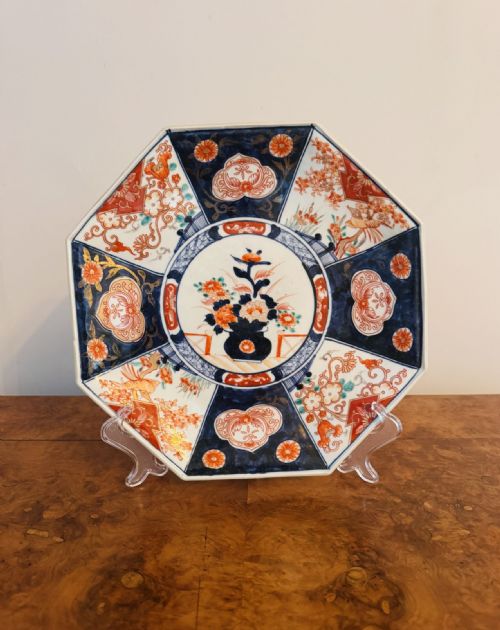
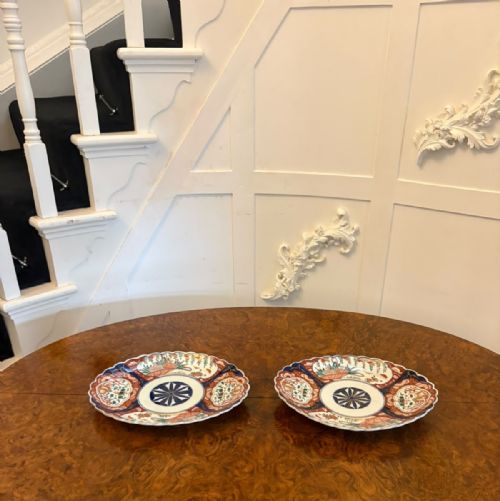
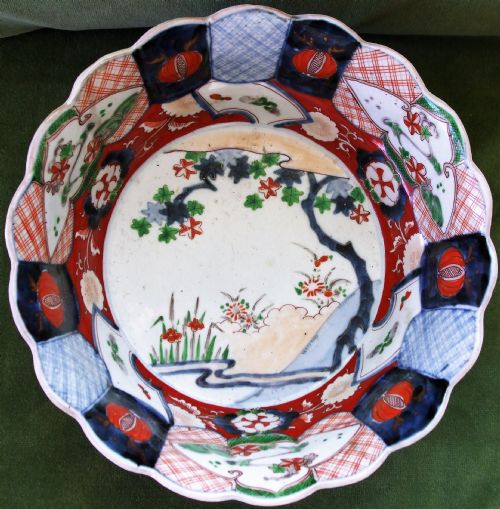
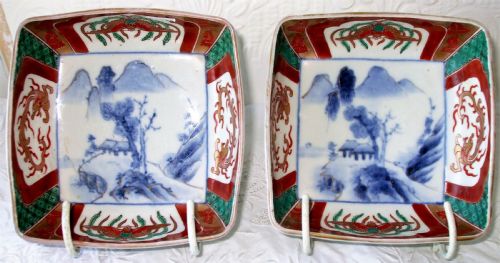
When someone searches for an arita ware porcelain dish, they encounter items spanning from the seventeenth century through the Meiji period. These pieces appear as chargers, bowls, and plates in various geometric and organic forms.
The inventory on this page leans heavily toward nineteenth-century items alongside earlier eighteenth-century examples. Buyers frequently find Japanese Imari styles and blue and white pieces featuring floral and bird motifs.
Materials and Technique
Potters utilised fine white porcelain shaped into plates, bowls, and chargers before applying cobalt underglaze. Artisans then added enamel, gilt, and gold leaf to create vibrant surface patterns.
Firing techniques allowed for detailed hand-painted designs featuring floral and animal subjects. Glazes sealed the decoration, protecting the colours across centuries of use and display.
Listings include porcelain pieces spanning from the seventeenth century through the Meiji period, featuring blue and white designs and Japanese Imari styles.
Defining Quality
Quality rests in the precision of the hand-painted brushwork and the clarity of the cobalt underglaze. Pieces with crisp floral or bird designs and balanced composition stand apart.
The application of enamel and gold leaf indicates the tier of a piece. Well-preserved gilding and carefully potted forms demonstrate superior craftsmanship.
The Arita Ware Porcelain Dish Glossary
- Imari
- A style of Japanese porcelain decorated in underglaze blue, iron red, and gold. This aesthetic became popular for export and domestic use alike.
- Charger
- A large decorative plate utilised for serving or display. These substantial pieces often showcase complex painted scenes.
- Edo Period
- The period in Japanese history spanning from sixteen hundred and three to eighteen hundred and sixty-eight. Many notable ceramics originated during this era.
- Meiji Period
- The era spanning from eighteen hundred and sixty-eight to nineteen hundred and twelve. Items from this time often exhibit refined decorative techniques.
Arita Ware Porcelain Dish: Frequently Asked Questions
How do I identify an Arita dish?
Look for characteristic porcelain bodies combined with traditional cobalt underglaze or Imari enamel palettes. Makers often applied floral, bird, or scrolling foliate motifs.
Examination of the foot ring and glaze pooling can further assist in confirming origin and period.
What periods do these pieces cover?
The pieces span multiple centuries, starting from the seventeenth century and extending through the Edo and Meiji periods up to the early twentieth century.
Earlier items from the seventeen-hundreds contrast with nineteenth-century production in their specific palette and potting characteristics.
How were these dishes used originally?
Many large chargers and plates served decorative display functions in wealthy households. Smaller bowls and dishes saw practical use during meals.
Export wares were frequently shipped to European markets for display in cabinets and dining rooms.
Are these pieces hand painted?
Artisans hand painted the cobalt underglaze and subsequent enamel decorations on these porcelain bodies. This manual process accounts for the subtle variations between individual items.
Brushwork detail remains a primary indicator of traditional Japanese ceramic production.