



Vintage Japanese Export Porcelain
Vintage Japanese export porcelain brings together intricate painted ceramics created for international markets during the nineteenth and early twentieth centuries.
Vintage Japanese Export Porcelain
Vintage Japanese export porcelain comprises decorative plates, chargers, bowls, vases, and figurines made to satisfy Western demand from the nineteenth century into the Edwardian period. Buyers encounter various forms spanning the Meiji period, Edo period, and early twentieth century.
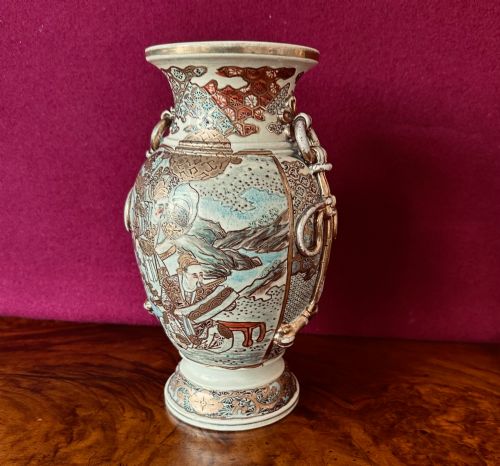
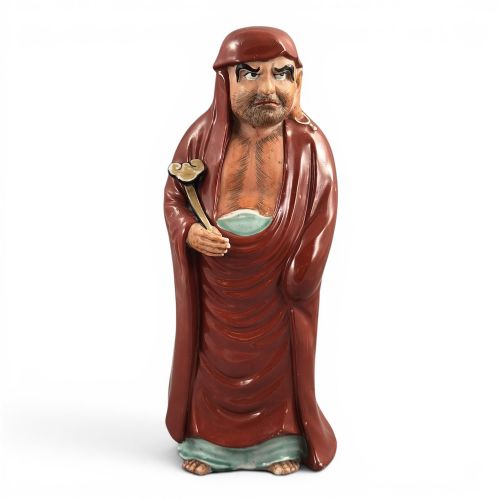
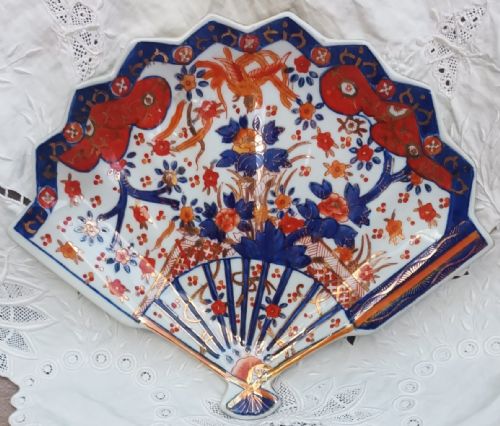
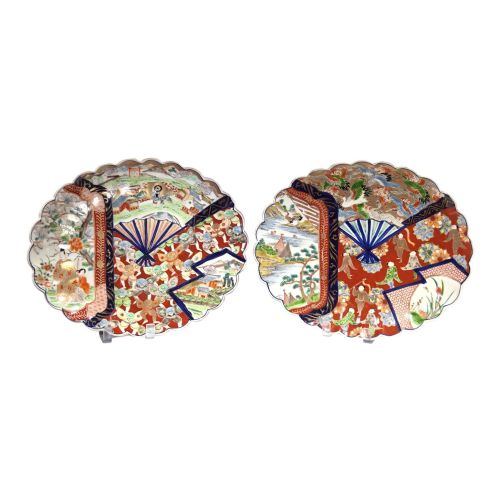
The selection on this page is dominated by Imari wares alongside Satsuma and Kutani pieces. These items range from large scalloped chargers and ribbon plates to tea sets and sculptural figures.
Origins stretch across classic production centres in Japan, capturing the aesthetic tastes popular during the late Victorian era and the years around nineteen hundred.
How they were made
Potters shaped fine ceramic and porcelain bodies before applying intricate hand-painted designs using coloured enamels and underglaze blue. Many examples incorporate lavish details of gold leaf and gilt gilding to highlight the motifs.
Firing techniques achieved the characteristic hard paste and glossy glaze seen across chargers, vases, and bowls. Artisans combined traditional throwing and moulding methods with meticulous brushwork.
Listings feature porcelain, earthenware, and ceramic pieces spanning the Victorian, Edwardian, Meiji, and Edo periods.
What varies in quality
The hierarchy of these ceramics rests upon the precision of the hand-painted brushwork and the richness of the enamel and gilding work. Pieces with finely detailed figural scenes or complex geometric panels stand above simpler commercial output.
Proportion, weight, and the crispness of the porcelain body also separate standard decorative items from exceptional exhibition-grade chargers and vases.
Kinkozan Kyoto·Hattori·Taniguchi·Fukagawa
The Vintage Japanese Export Porcelain Glossary
- Imari
- A traditional style of Japanese export porcelain featuring a palette of underglaze blue, iron red, and gilt highlights. This aesthetic proved immensely popular throughout the nineteenth century.
- Satsuma
- An earthenware ceramic type characterised by a crackle-glaze ivory body decorated with elaborate polychrome enamels and gold. It frequently depicts historical figures and landscapes.
- Kutani
- A style of Japanese ceramic renowned for bold, colourful pictorial designs and heavy use of green, yellow, red, purple, and gold pigments. Production flourished during the Meiji period.
- Charger
- A large decorative plate intended primarily for display on a wall or sideboard rather than for dining use. These large surfaces often showcase the most ambitious artistic compositions.
- Okimono
- A standalone Japanese carved or modelled figurine designed for display in an alcove or interior space. They portray deities, mythical figures, or everyday subjects in porcelain and ceramic.
Vintage Japanese Export Porcelain: Frequently Asked Questions
How do I identify Imari porcelain?
Imari pieces are instantly recognisable by their characteristic colour palette, which combines underglaze cobalt blue with iron red and abundant gold gilding.
The patterns often feature floral arrangements, panels, and brocade motifs applied across plates, bowls, and large chargers.
How were these porcelain pieces used?
While some forms like tea sets and dishes served functional purposes in Western dining rooms, many larger chargers and vases were strictly decorative. They were displayed on mantelpieces, walls, and cabinets.
Export pieces allowed Victorian and Edwardian households to embrace exotic interior aesthetics.
How can I date Meiji period ceramics?
Dating relies on stylistic markers, materials, and signatures associated with the Meiji era spanning from eighteen sixty-eight to nineteen twelve. Pieces often reflect the opening of Japanese trade ports and shifting international tastes.
Forms from this window frequently display refined Meiji period craftsmanship and distinct export factory marks.