



Meiji Period Imari China
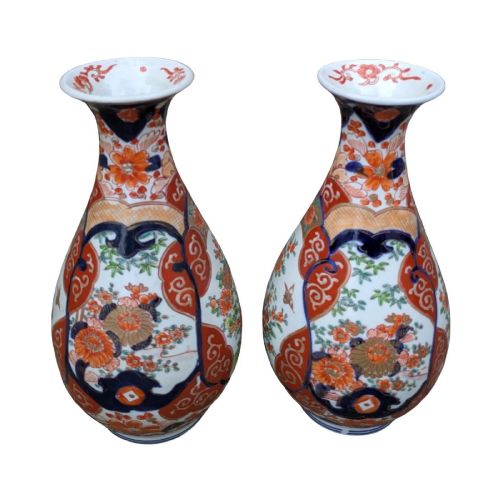
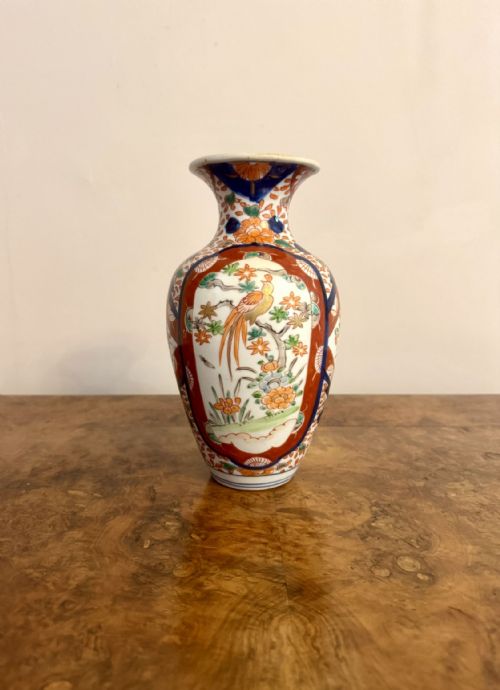
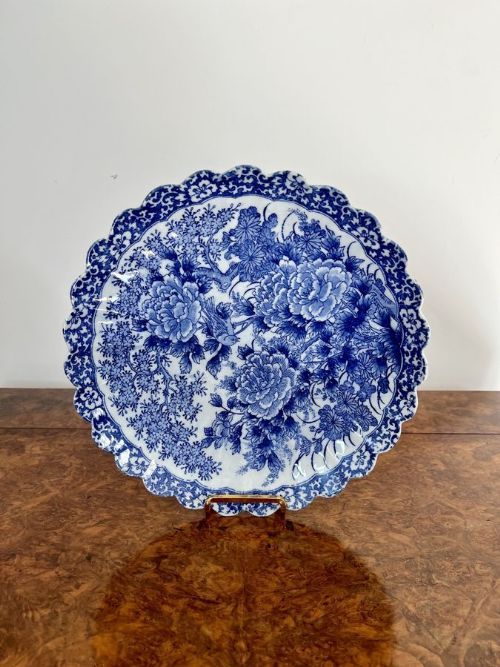
Meiji period imari china combines cobalt glaze, enamel, and gold leaf on porcelain to create vibrant decorative plates, bowls, and vases.
Meiji Period Imari China
When searching for meiji period imari china, collectors encounter a diverse selection of decorative plates, bowls, and vases originating from nineteenth century Japan. These objects showcase distinct stylistic crossover, often categorised under Japanese Edo or Meiji period designations, alongside Victorian era classifications.
Materials and techniques
These items are constructed from porcelain and ceramic, utilising cobalt glaze and enamel to build up the foundational visual patterns. Artisans applied gilding and gold leaf to accent specific areas of the design.
The production relies on traditional hand painted methods executed upon ceramic bases, resulting in finished pieces that combine rich blue tones with contrasting surface details.
Current listings span the nineteenth century, including specific dates from 1870, 1880, 1890, and 1900, alongside Victorian period examples.
Distinctions in quality
Quality varies according to the precision of the hand painted details and the complexity of the enamel and gilding work applied across the porcelain body. Stronger examples display crisp application of cobalt glaze and gold leaf that remain sharp and well-defined.
The physical form also dictates standing, with larger chargers, matching collections, and specific structural configurations like scalloped edges or ribbon borders indicating higher workmanship than simpler utilitarian shapes.
The Meiji Period Imari China Glossary
- Imari
- A traditional style of Japanese porcelain decorated in underglaze blue and overglaze colours. It originates from the town of Arita and became widely exported to Europe.
- Charger
- A large decorative plate intended for display rather than dining use. These substantial pieces often showcase the most elaborate patterns in a collection.
- Cobalt Glaze
- A deep blue mineral pigment applied beneath the clear glaze before firing. This material provides the dark linear foundation characteristic of the palette.
- Gilding
- The application of gold leaf or powdered gold to the surface of the ceramic. It highlights specific design elements and adds contrast against the enamel colours.
- Arita
- The Japanese town and production centre associated with the creation of these ceramics. Pieces from this region set the standard for export wares.
Meiji Period Imari China: Frequently Asked Questions
What is imari china?
Imari china refers to Japanese porcelain decorated in cobalt glaze, enamel, and gold leaf, traditionally produced around Arita for both domestic use and export.
These pieces typically take the form of decorative plates, bowls, and vases featuring intricate patterns.
How do I display these plates?
Plates and chargers are commonly exhibited on plate stands or hung securely on walls to showcase their detailed hand painted surfaces.
Larger bowls and vases function well as standalone centrepieces on stable surfaces away from high traffic areas.
How do I clean imari china?
Dust these porcelain objects gently with a soft, dry cloth to remove everyday particles without disturbing the enamel or gilding.
Avoid using harsh chemical cleaners or submerging older pieces in water, as this can degrade the gold leaf and surface decoration.
Are these pieces hand painted?
Yes, the listings comprise hand painted items featuring traditional Japanese motifs executed with cobalt glaze, enamel, and gold leaf.
Close inspection reveals the subtle brushstrokes and individual variations typical of artisan production.