





Japanese Porcelain Decorative Plates
These japanese porcelain decorative plates bring hand-painted narrative scenes and rich cobalt underglaze into the home, prized for their vibrant palettes and centuries-old kiln traditions.
Japanese Porcelain Decorative Plates
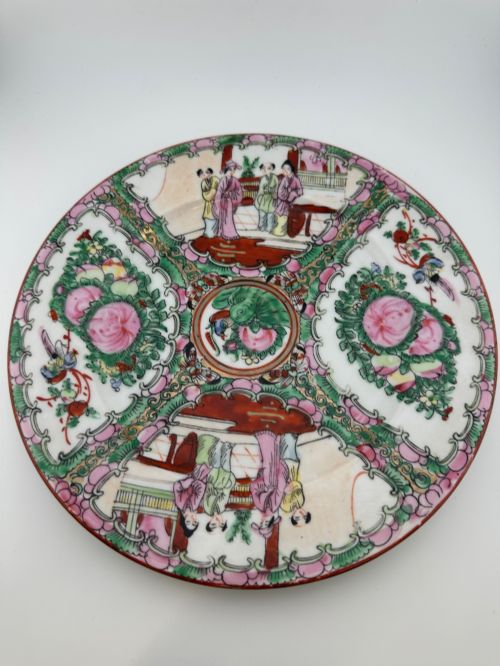
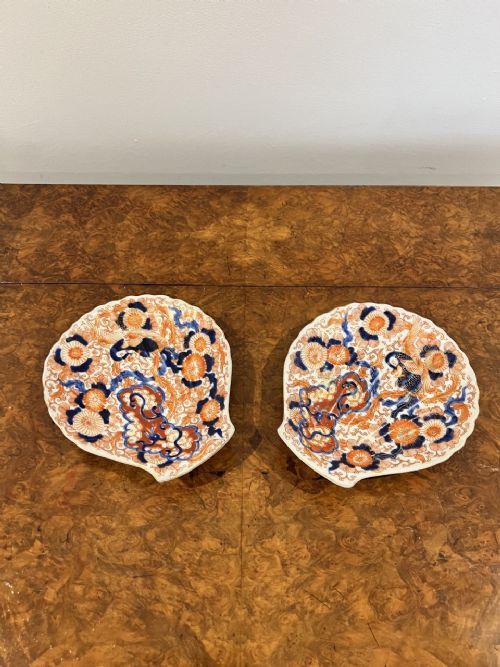
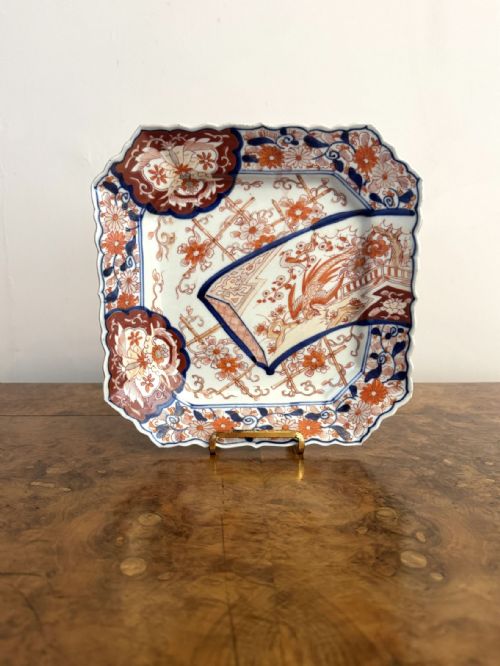
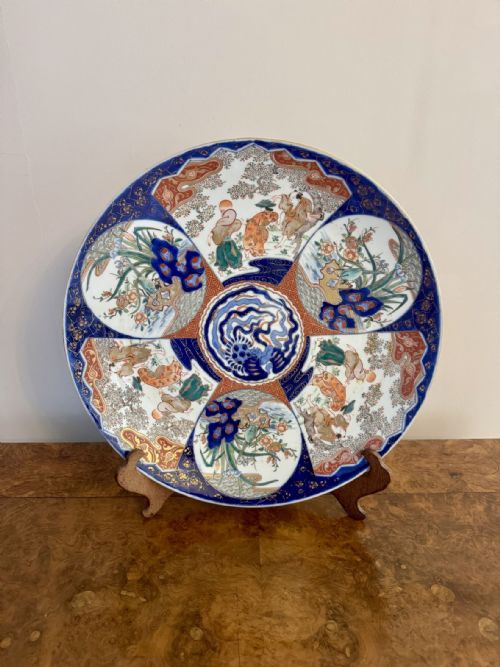
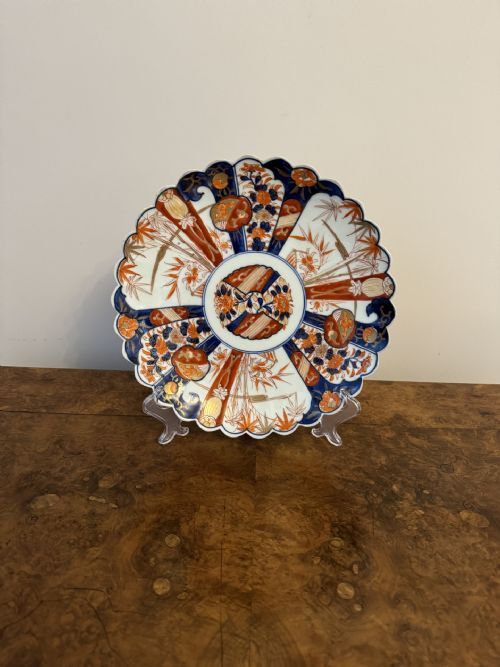
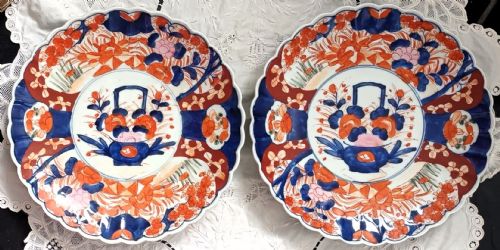
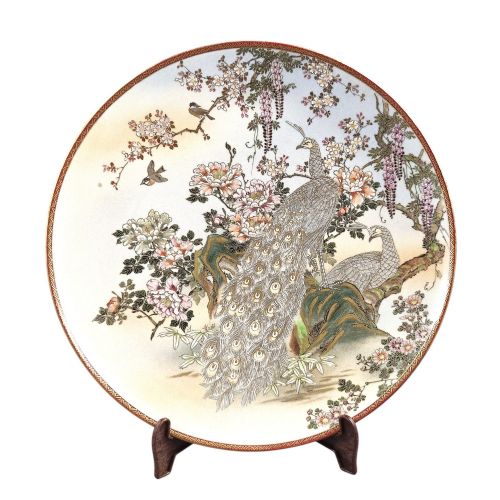
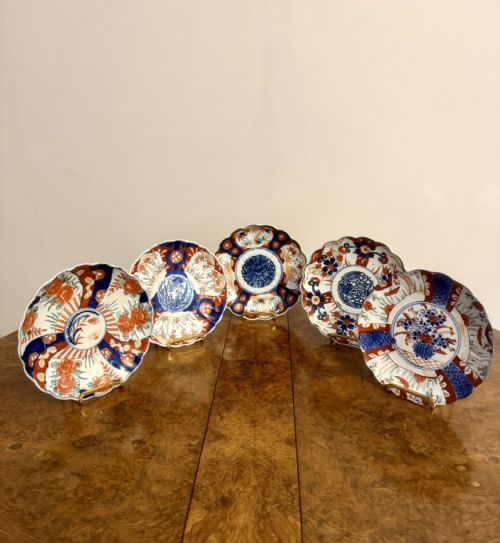
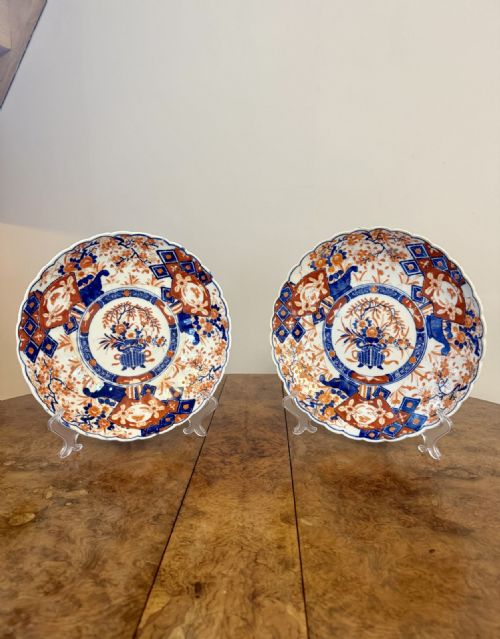
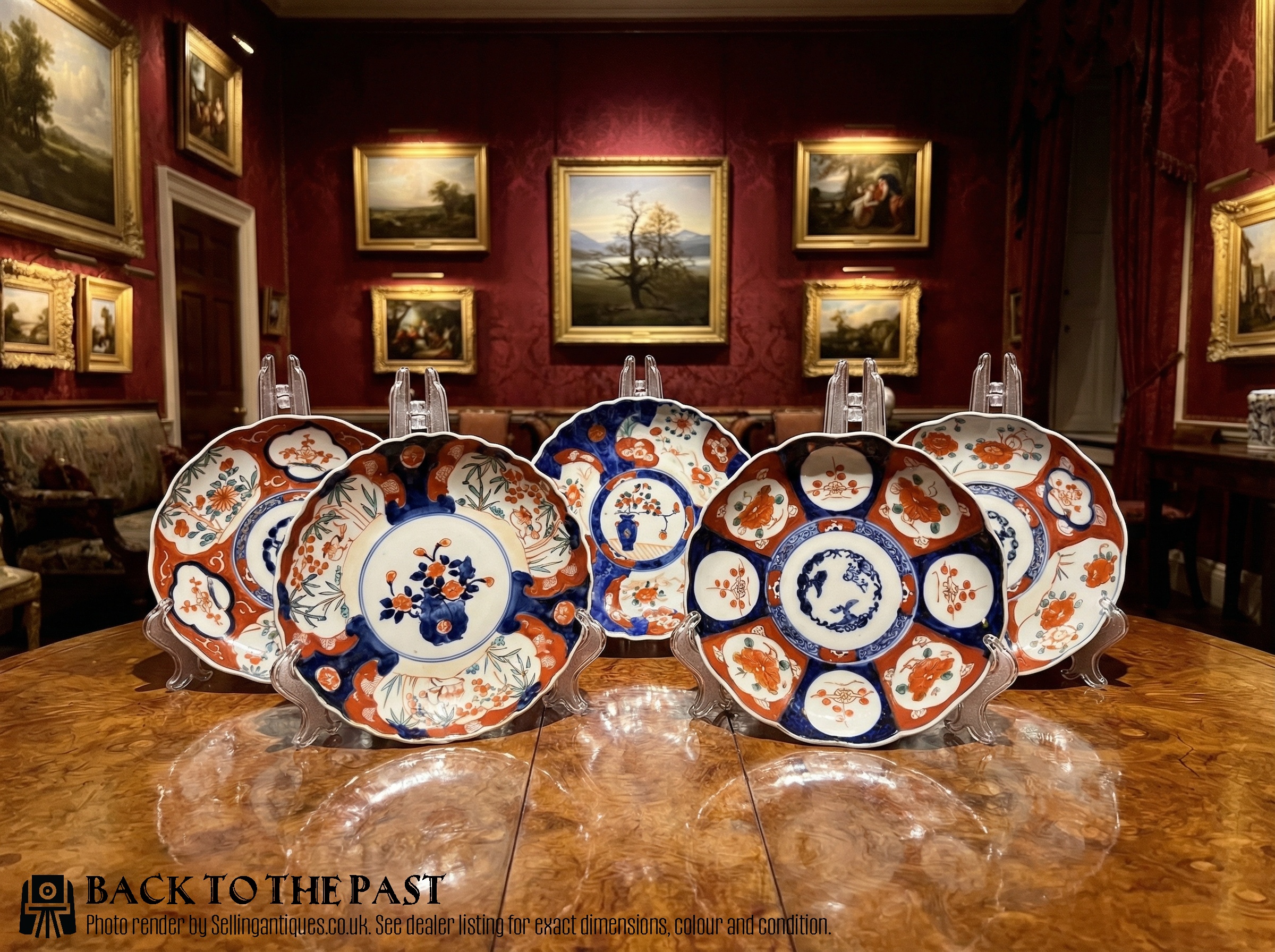
Japanese porcelain decorative plates encompass chargers, cabinet plates, and dishes originating from periods spanning the eighteenth century through to the early twentieth century. You will most frequently encounter nineteenth-century Meiji period examples and robust Imari wares finished with scalloped or shell-shaped edges.
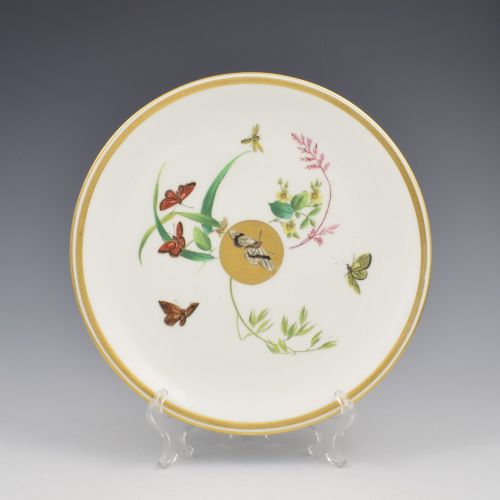
The selection ranges from large decorative chargers designed for central display to pairs of square, hexagonal, and ribbon-moulded dishes. Makers utilised diverse forms, incorporating traditional Japanese motifs alongside occasional nineteenth-century aesthetic movement interpretations from European potteries.
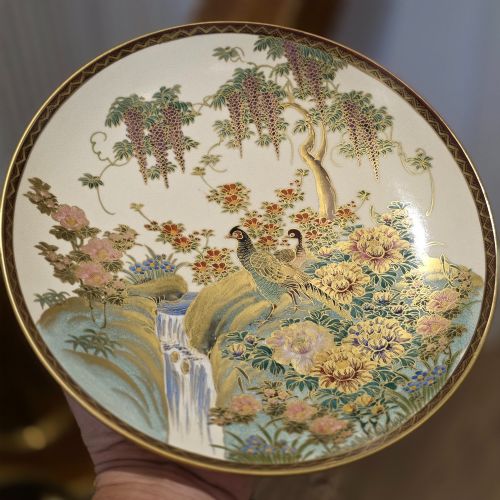
Varying forms include blue and white Arita wares, polychrome Kutani pieces, and heavily decorated Satsuma ceramics. These items served primarily for visual display rather than dining, reflecting the export demands and artistic output of their respective eras.
How they were made
Potters shaped fine ceramic and porcelain bodies by hand or mould before applying cobalt underglaze, enamel pigments, and gold leaf details. Artisans then fired the pieces in kilns to vitrify the clay and fuse the colourful surface decorations.
Techniques such as moriage built up raised enamel designs to give flowers and birds a tactile, three-dimensional quality on Satsuma chargers. Totai shippo methods combined porcelain with cloisonne enamel to mimic textured tree bark surfaces across specialised plates.
Painters executed intricate floral, bird, and figural scenes by hand, often incorporating gilt highlights that caught the light across scalloped or clam shell rims.
The listings here feature pieces spanning the eighteenth century through to the 1920s, with a strong concentration of nineteenth-century Meiji period Imari and Satsuma wares.
What varies in quality
The precision and density of the hand-painted brushwork dictate the visual success of each piece, distinguishing hurried export items from masterworks. Crisp cobalt underglaze lines and carefully applied enamel pigments demonstrate superior workshop control.
Depth and preservation of the gold leaf and surface gilding determine how well a plate retains its original lustre after decades of handling and display. Heavier, well-balanced porcelain bodies with balanced symmetry and unblemished glazes occupy the upper tier of the range.
Koshida
The Japanese Porcelain Decorative Plates Glossary
- Imari
- A style of Japanese porcelain featuring a distinct palette of underglaze blue, iron red, and gilt. These pieces were heavily produced in Arita for both domestic and export markets.
- Charger
- A large decorative plate intended for display on a wall or sideboard rather than for serving food at the table.
- Moriage
- A ceramic technique where slip or enamel is piped onto the surface in raised dots or lines to create textured, tactile decorations.
- Meiji
- The historical Japanese period spanning from 1868 to 1912, known for a surge in ornate export porcelain and decorative arts.
- Arita
- The Japanese town and surrounding region long recognised as the historic heartland of porcelain production.
Japanese Porcelain Decorative Plates: Frequently Asked Questions
How were these decorative plates originally displayed?
Historic households typically showcased large chargers on sideboards, cabinets, or walls using specialised plate hangers to highlight the painted motifs.
Smaller dishes and matching pairs were arranged on furniture tops to display intricate export patterns to visiting guests.
Can I use these antique plates for food?
These pieces are intended primarily as decorative works of art rather than for practical dining use.
Historic glazes, enamel pigments, and delicate gold leaf can wear down or sustain damage if subjected to regular culinary use and washing.
What is the difference between Imari and Kutani?
Imari porcelain relies on a characteristic combination of deep cobalt blue, iron red, and gold accents, often featuring crisp geometric and floral layouts.
Kutani wares generally emphasise pictorial scenes rendered in a wider range of expressive enamel colours.