







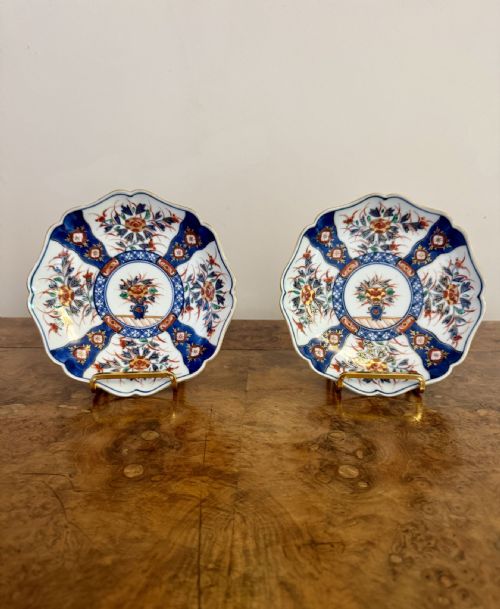
Antique Imari Wall Dishes
Antique imari wall dishes bring vibrant hand-painted colour and rich pattern to interiors, offering striking focal points for display.
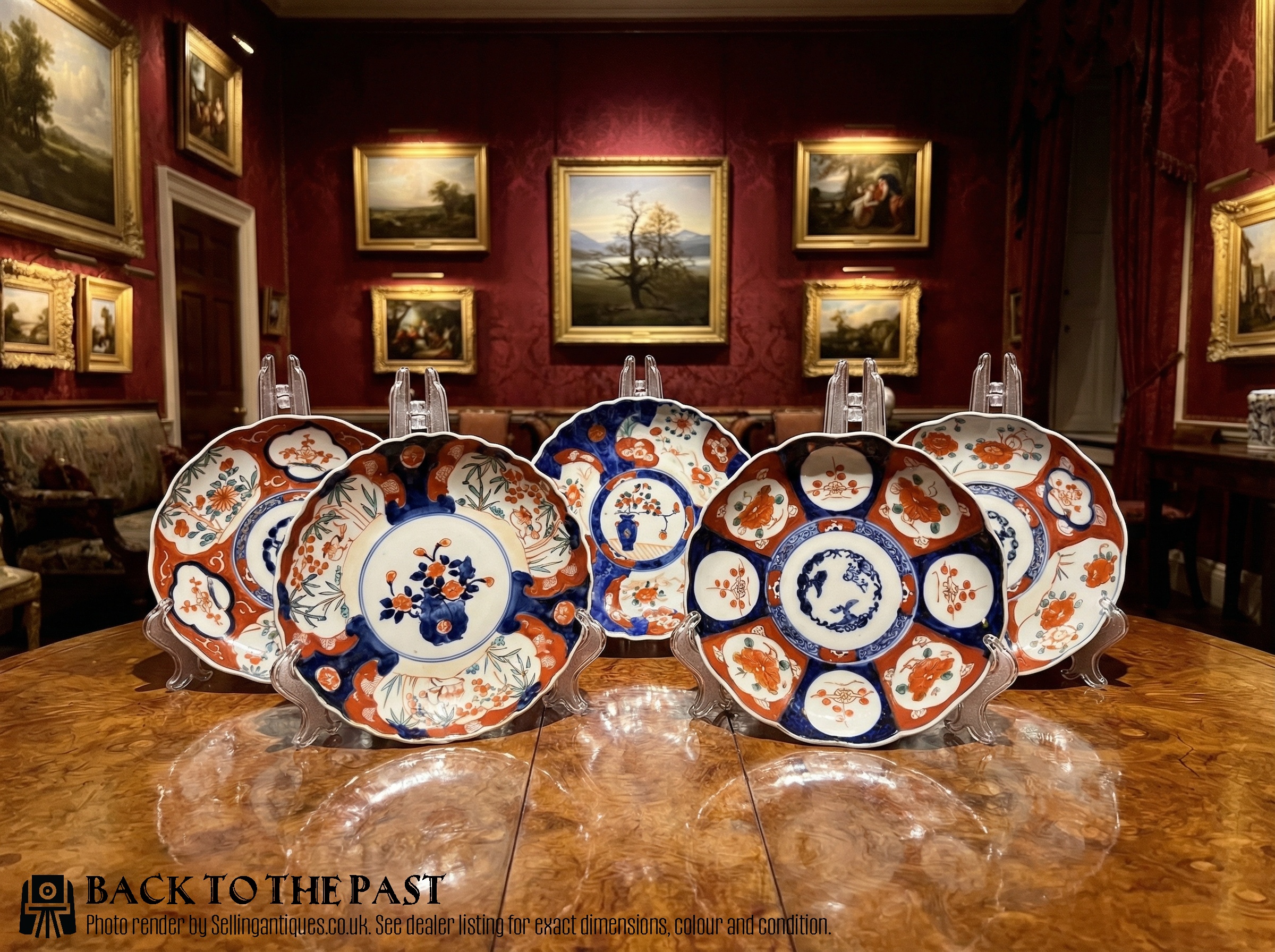
Antique Imari Wall Dishes
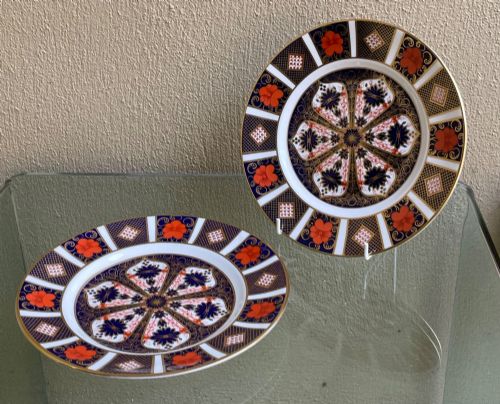
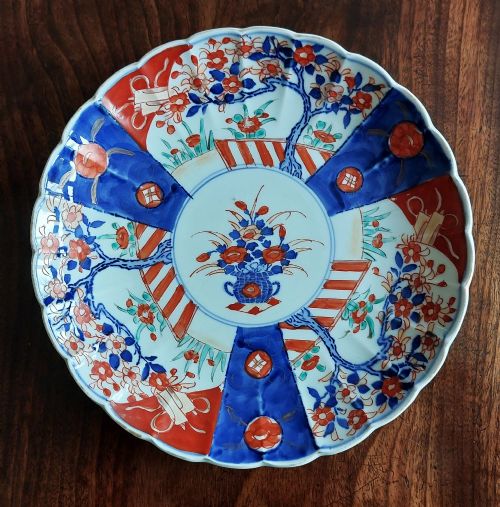
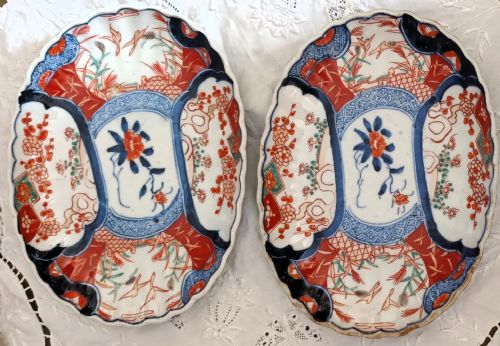
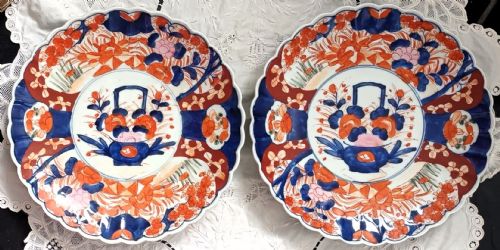
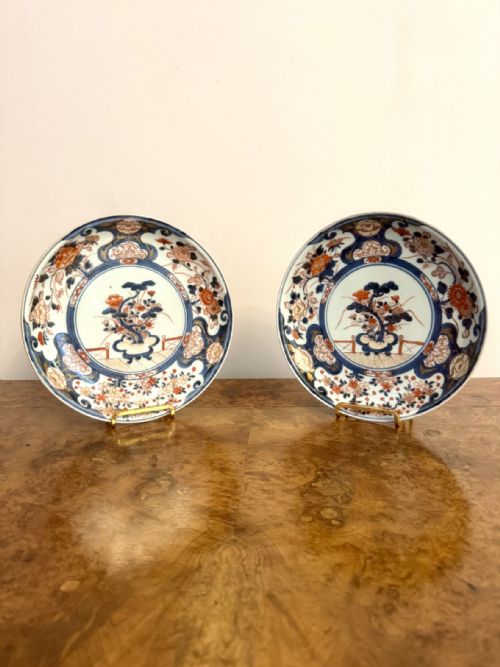
When you search for antique imari wall dishes, you encounter a varied selection of decorative plates and large chargers created for visual display. Most pieces originate from Japan during the Meiji period and the wider nineteenth century, characterised by distinct palettes of cobalt blue, iron red and gilt.
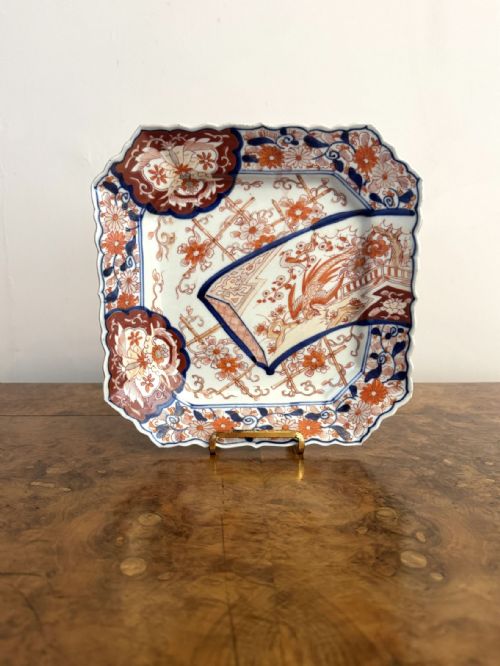
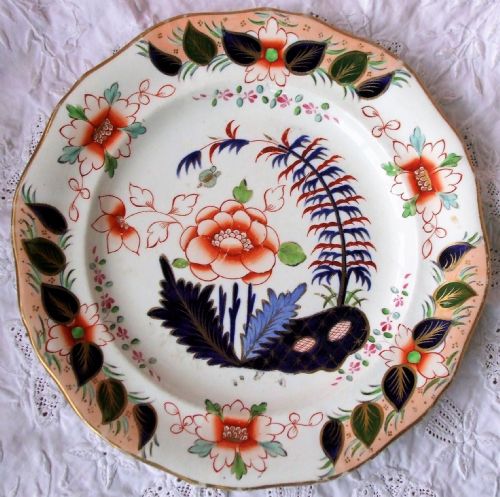
Beyond Japanese works, the selection includes Chinese export examples and English interpretations produced by factories such as Royal Crown Derby, John Davenport and Worcester. Forms range from standard round plates and scalloped dishes to oval shapes, square plates and substantial wall chargers.
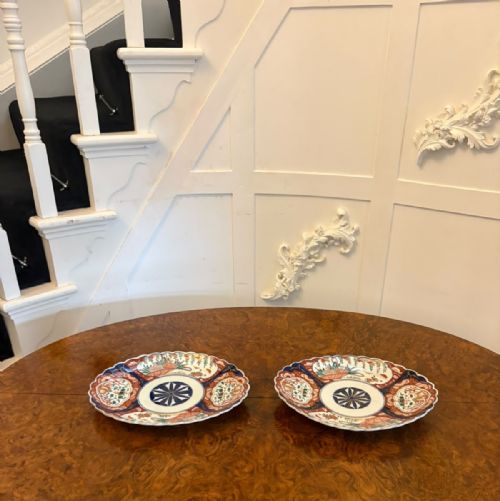
You will find these items grouped in pairs, collections of several pieces or as individual chargers. They provide historical depth and intricate ornamentation suitable for mounting on walls or placing on display stands.
How they were made
Potters shaped porcelain, bone china, ironstone and ceramic bodies before applying underglaze blue pigments and overglaze enamels. Artisans frequently integrated gold leaf, gilt and gold gilt highlights to accentuate complex pictorial motifs.
Firing techniques required precise kiln control to fuse the dense glaze and fixation of rich colours. Hand-painted details across these surfaces demonstrate traditional craftsmanship from both Asian export kilns and domestic English potteries.
Listings feature items spanning the eighteenth, nineteenth and twentieth centuries, including Georgian, Victorian, Edo and Meiji periods.
What varies in quality
The precision and detail of the hand-painted brushwork separate standard production items from superior examples. Look at the crispness of the cobalt blue lines and the careful application of iron red and gilt accents.
Form and scale also determine distinction, with large chargers, unusual square or scalloped edges, and well-matched pairs commanding greater visual presence. The clarity of the porcelain body and the preservation of the enamel pigments influence overall character.
Royal Crown Derby·John Davenport·Worcester·Flight Barr And Barr
The Antique Imari Wall Dishes Glossary
- Imari
- A style of ceramic decoration originating in Japan, defined by a palette of cobalt blue, iron red and gilt. It was later emulated by European porcelain and ironstone factories.
- Charger
- A large decorative plate traditionally used for ceremonial display rather than dining. These pieces often feature elaborate pictorial scenes designed to be mounted on walls.
- Meiji Period
- A Japanese historical era spanning from 1868 to 1912, associated with a surge in decorative porcelain exported to Western markets. Pieces from this time frequently display meticulous hand-painted details.
- Scalloped Edge
- A decorative wavy border shaping the rim of a plate or dish. This technique adds texture and formal elegance to Japanese and English ceramic forms.
- Ironstone
- A heavy, durable type of earthenware developed in nineteenth-century England. It provided a robust substitute for porcelain while accepting colourful imari patterns.
Antique Imari Wall Dishes: Frequently Asked Questions
How do I hang imari wall dishes?
Displaying these plates securely requires coated wire hangers that grip the rim without causing friction damage to the glaze. Ensure the wall fixing is anchored firmly to support the weight, particularly with large chargers.
Position plates at eye level to appreciate the intricate hand-painted enamels and gilt details. Grouping pairs or sets creates a balanced arrangement across the wall surface.
Are these dishes safe for food use?
Antique imari pieces are intended primarily for ornamental display and decorative wall mounting rather than daily dining. Historic glazes and overglaze enamels can wear with cutlery use or modern washing.
Preserve the integrity of the iron red pigments and gold leaf by keeping these items strictly for visual enjoyment. Gentle dusting with a dry cloth maintains their appearance safely.
How do I distinguish Japanese imari from English imari?
Japanese imari pieces typically utilise a finer porcelain body with hand-painted motifs depicting traditional imagery such as birds, landscapes or figures like the Seven Lucky Gods. The blue underglaze often shows subtle variations characteristic of Meiji period kilns.
English imari, produced by factories like Royal Crown Derby or Davenport, frequently employs ironstone or bone china bases. These adaptations reflect European interpretations of Eastern colour palettes on domestic forms.
What does a scalloped edge indicate?
A scalloped edge involves shaping the rim into gentle curves, adding a refined decorative dimension to plates and dishes. This technique appears frequently on Japanese export wares and nineteenth-century earthenware.
Plates with this feature often form part of matched pairs or larger sets intended for coordinated display. The shaped border enhances the play of light across the gilded rims.