




Iron Red Oriental Dishes
Iron red oriental dishes bring together vibrant ceramic palettes and intricate hand-painted designs from Japanese and Chinese kilns.
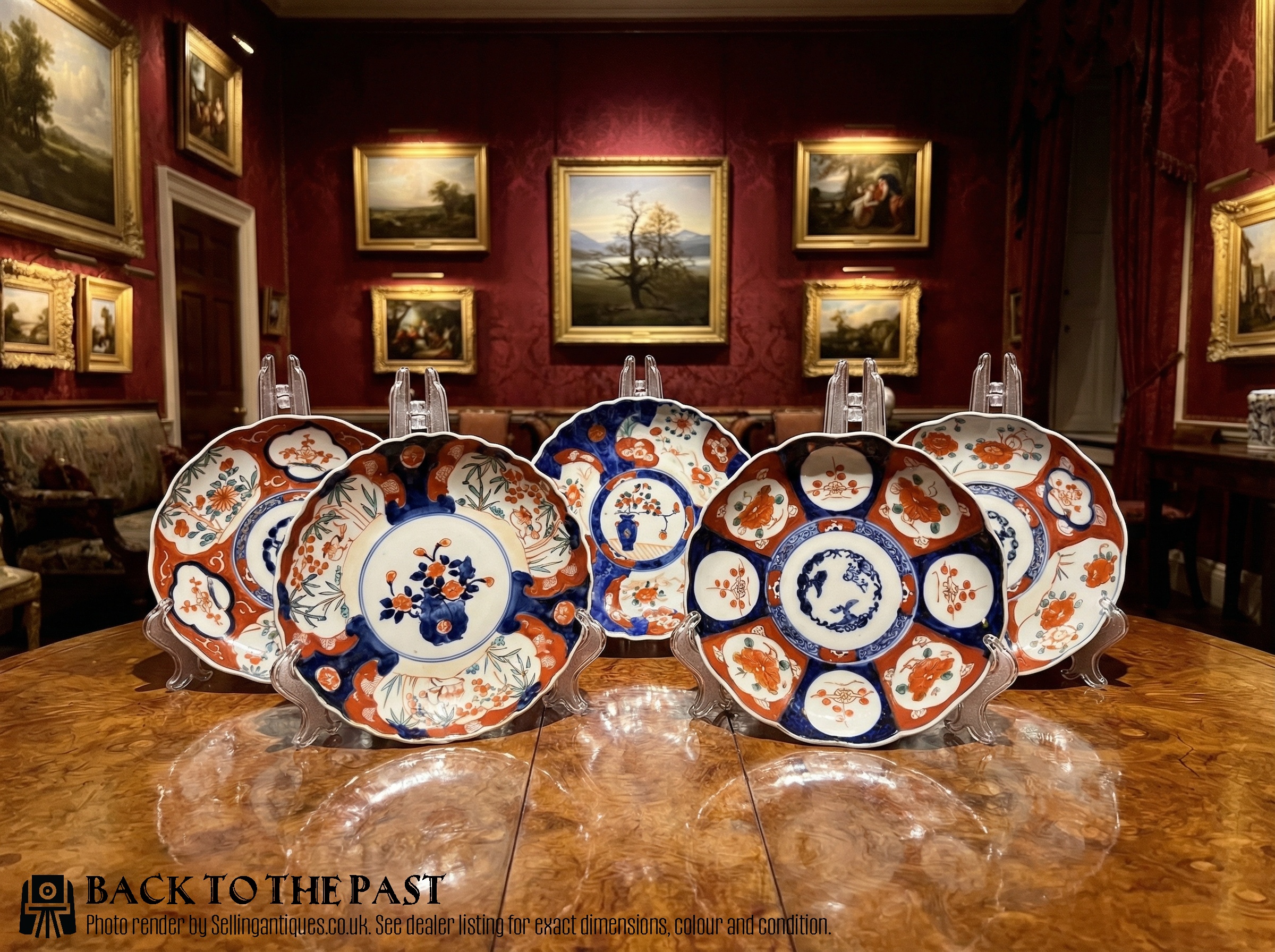
Iron Red Oriental Dishes
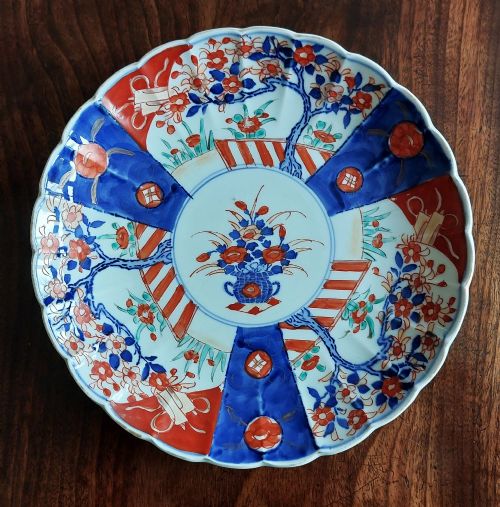
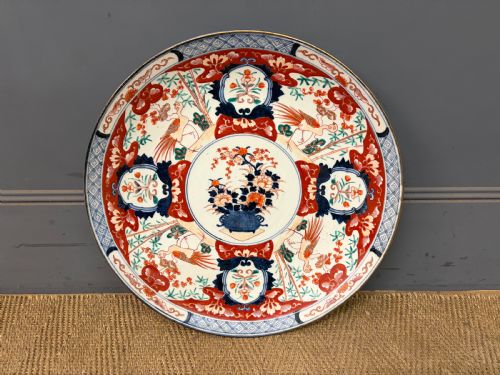
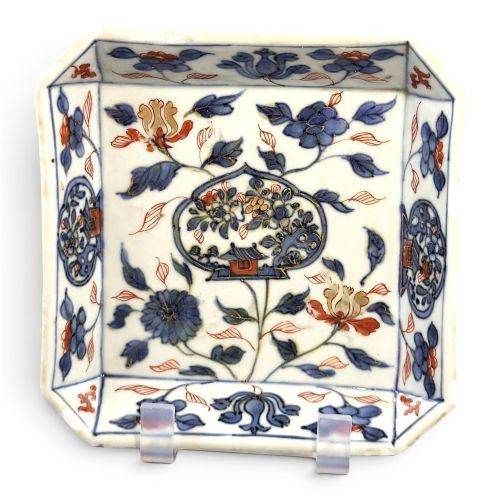
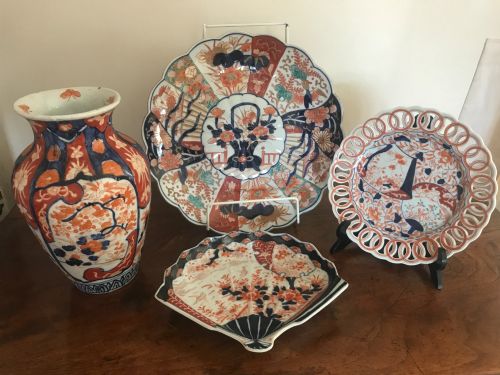
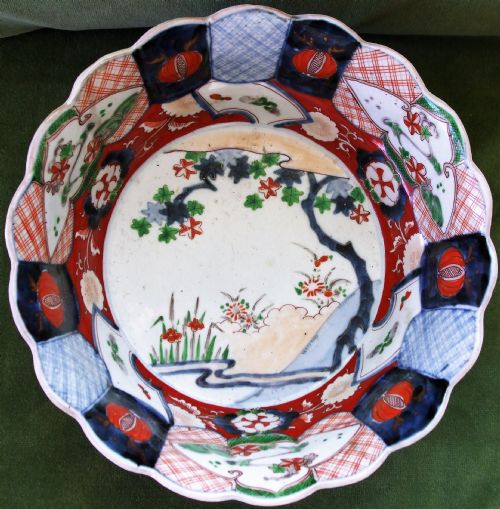
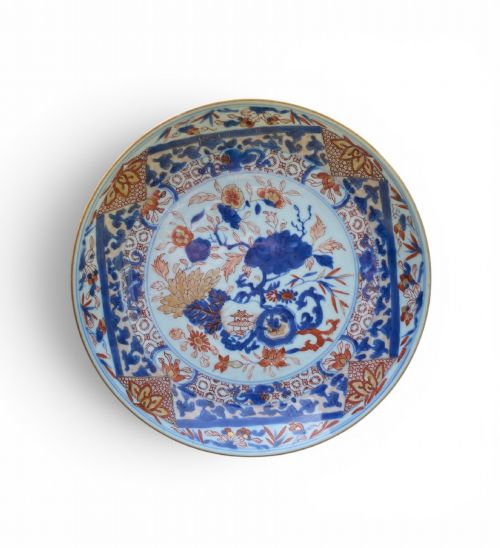
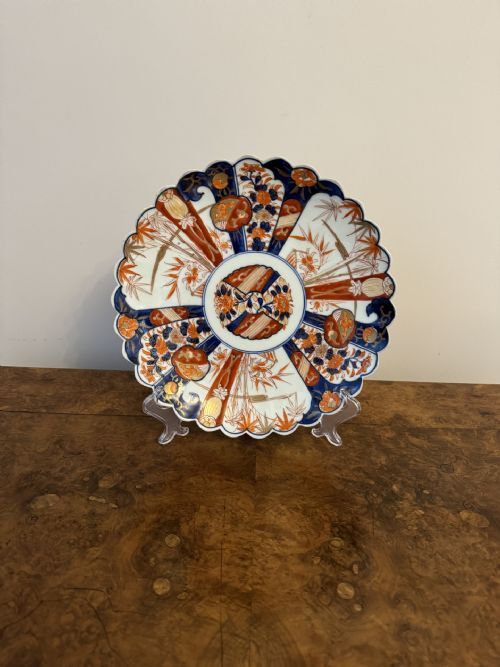
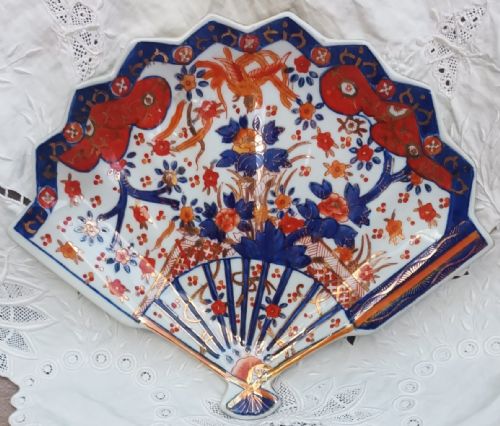
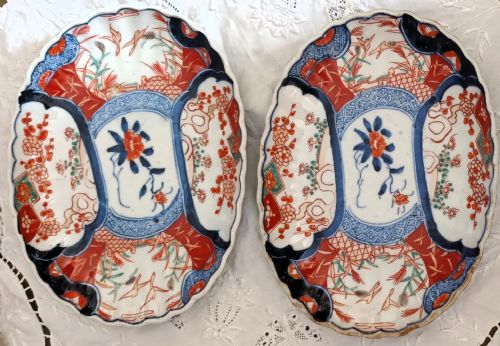
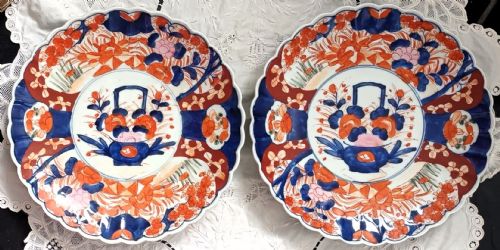
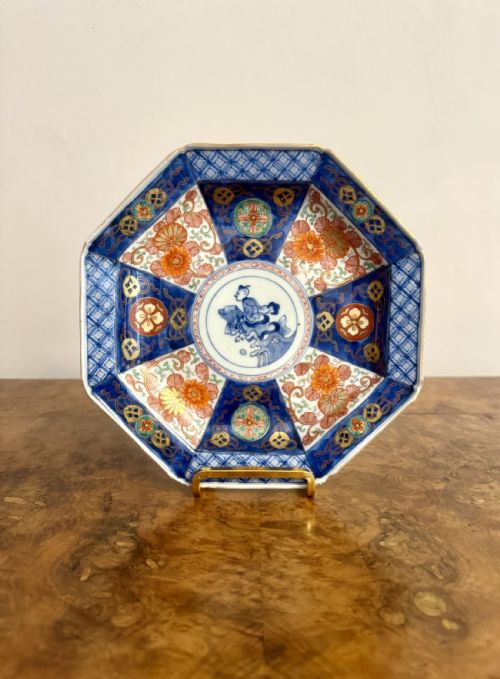
Iron red oriental dishes encompass ceramic plates, bowls, and chargers produced across various periods including the nineteenth century and the Meiji era. Buyers searching for iron red oriental dishes will frequently encounter Japanese Imari wares alongside Chinese export porcelain. These forms span large chargers, scalloped edge dishes, and hexagonal plates designed for decorative display.
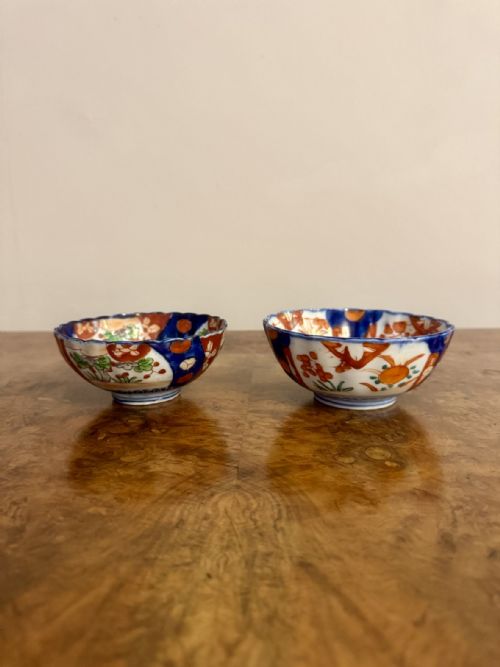
The selection ranges from cabinet-sized miniature bowls to substantial chargers measuring over twelve inches in diameter. Japanese Meiji period examples often display exotic birds, floral motifs, or depictions of the Seven Lucky Gods. Chinese pieces from the Kangxi and Qing periods demonstrate alternative stylistic interpretations of the palette.
Materials and production techniques
Potters utilised fine ceramic and porcelain bodies as the foundation for these vessels, shaping them into plates, bowls, and chargers with standard or scalloped edges. Artisans applied cobalt underglaze alongside enamel painting to create the distinctive multi-coloured surfaces. Gold leaf, gilt, and gilding were frequently added to highlight specific design elements across the decorated areas.
Firing took place in traditional kilns where precise temperature control governed the development of the glaze and iron red pigments. Hand-painted floral and avian compositions required steady brushwork before the final fixation of the enamel layers. This combination of glaze, ceramic, and metallic accenting defined the finished appearance of each piece.
Several plates depict the Seven Lucky Gods sharing space with exotic birds on a single ceramic surface.
Assessing quality in the range
Quality rests upon the precision of the hand-painted brushwork and the complexity of the design layout, such as multi-figure scenes depicting deities or detailed exotic birds. Pieces showing crisp execution in the cobalt underglaze and careful application of enamel stand apart from simpler productions. The integration of gold leaf or gilt also distinguishes finer examples.
Structural variations include unusual forms such as chamfered square bowls and hexagonal plates, which required greater skill from the potter than standard round vessels. The condition of the porcelain body and the vibrancy of the iron red pigment across the surface further separate standard items from superior specimens.
The Iron Red Oriental Dishes Glossary
- Imari
- A style of Japanese porcelain featuring a characteristic palette of iron red, cobalt blue, and gold. This decorative approach became widely exported to Europe from the port of Imari.
- Meiji Period
- An era in Japanese history spanning from 1868 to 1912. Ceramics from this time often exhibit detailed hand-painted floral and avian motifs.
- Charger
- A large decorative plate utilised primarily for display rather than dining. These pieces measure significantly larger than standard dinner plates.
- Cobalt Underglaze
- A blue pigment applied to the ceramic body before the application of glaze and firing. It provides the deep blue outlines foundational to Imari designs.
- Gilding
- The application of gold leaf or gilt onto the ceramic surface to accent specific decorative details. This technique enhances the visual richness of the finished dish.
Iron Red Oriental Dishes: Frequently Asked Questions
What is an iron red oriental dish?
An iron red oriental dish is a ceramic or porcelain vessel, such as a plate, bowl, or charger, decorated with distinctive iron red pigments alongside other colours.
These pieces originate primarily from Japanese and Chinese kilns, created during periods like the Meiji era or the eighteenth and nineteenth centuries.
How were these chargers displayed?
Large chargers and decorative plates were traditionally placed on sideboard surfaces or mounted for wall display within the home.
Their substantial diameters and intricate hand-painted motifs made them focal points for interior decoration.
How do I identify a Meiji period piece?
Meiji period ceramics often bear characteristics typical of late nineteenth-century Japanese production, including elaborate floral patterns, birds, and figures.
Potters during this time utilised fine porcelain bodies combined with vibrant enamels and gilt highlights.
Are these pieces made of porcelain?
The majority of these items utilise fine ceramic or porcelain bodies suited to detailed hand-painting and high-temperature kiln firing.
This material allowed artisans to produce both delicate miniature bowls and robust, heavy chargers.